Table of Contents >> Show >> Hide
- How We Picked the Best Psoriasis Shampoos
- What Dermatologists Want in a Scalp Psoriasis Shampoo
- The 5 Best Shampoos for Scalp Psoriasis
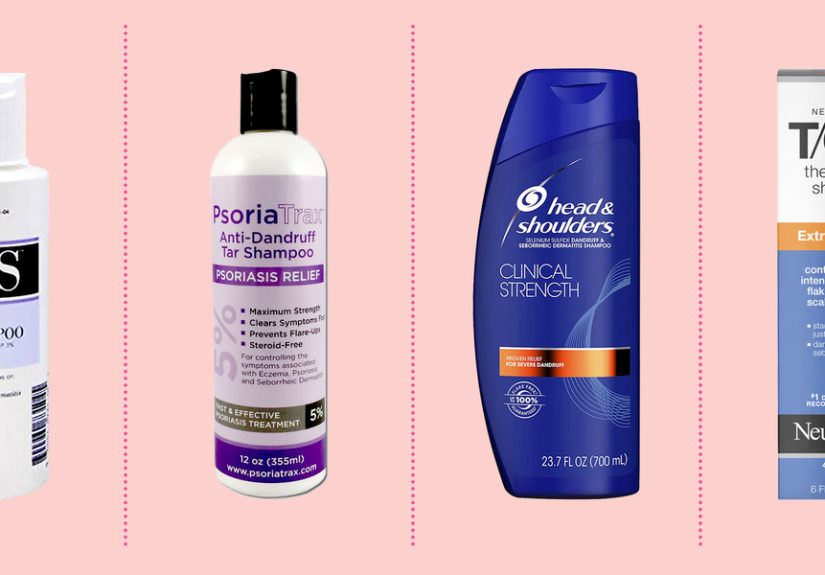
- 1. Neutrogena T/Sal Therapeutic Shampoo Best Overall for Thick Scale
- 2. MG217 Medicated Conditioning Coal Tar Shampoo Best for Itch and Plaque Control
- 3. Dermarest Psoriasis Medicated Shampoo Plus Conditioner Best Budget Pick
- 4. Nizoral Scalp Psoriasis Shampoo & Conditioner Best Cosmetic-Feeling Medicated Formula
- 5. Vanicream Dandruff Shampoo Best Gentle Option for Sensitive Scalps Between Flares
- How to Use Psoriasis Shampoo So It Actually Works
- When Shampoo Is Not Enough
- Real-World Experiences With Scalp Psoriasis Shampoos
- Final Takeaway
If your scalp psoriasis has turned hair-wash day into a full-contact sport, welcome. You are among friends. Scalp psoriasis can make your head feel like it is trying to grow armor: thick flakes, stubborn scale, itch that shows up uninvited, and redness that laughs at your “gentle, botanical, spa-like” shampoo. The good news is that the right shampoo can absolutely help. The less-fun news is that not every bottle marketed for flakes deserves a starring role in your shower.
When dermatologists talk about shampoo for scalp psoriasis, they usually focus less on branding and more on active ingredients. Salicylic acid helps soften and lift thick scale. Coal tar can calm itch and help slow the overproduction of skin cells. Gentler anti-dandruff formulas can also be useful when psoriasis overlaps with seborrheic dermatitis, because sometimes your scalp likes to be extra and host both at once.
This list is built around those dermatologist-backed ingredients, real-world usability, scalp sensitivity, and how easy each shampoo is to fit into an actual life. In other words: not just what looks impressive on a label, but what makes sense when you are standing in the shower at 7 a.m. wondering why your scalp has chosen chaos again.
How We Picked the Best Psoriasis Shampoos
To choose these shampoos, I prioritized formulas that line up with what dermatologists and major U.S. health organizations consistently recommend for scalp psoriasis: salicylic acid for loosening scale, coal tar for reducing flaking and itch, and gentler supportive options for sensitive or overlap-prone scalps. I also looked for products that are easy to find, practical to use, and less likely to make you feel like your bathroom now doubles as a highway paving project.
The result is a list that balances active treatment with everyday reality. Because let us be honest: the best shampoo is not just the one with the strongest ingredient. It is the one you can tolerate, afford, use correctly, and keep using long enough to make a difference.
What Dermatologists Want in a Scalp Psoriasis Shampoo
1. An active ingredient that matches your main problem
If your scalp is covered in thick, clingy scale, salicylic acid is often the MVP. It works like a scale softener, helping loosen and remove buildup so treatment can actually reach the skin underneath. If your biggest complaint is itch, inflammation, and ongoing plaque buildup, coal tar is a classic choice that still earns respect.
2. A formula you will not hate using
Some medicated shampoos are effective but smell like a chemistry set with trust issues. Others can dry the hair, stain light fabrics, or temporarily affect very light or color-treated hair. A good pick should not just help psoriasis; it should also fit your hair type, routine, and tolerance for inconvenience.
3. A backup plan for non-flare days
Here is the trick many people learn after too much trial and error: a medicated shampoo is not always your everyday shampoo. Plenty of dermatologists recommend rotating treatment shampoos with a gentle, fragrance-free cleanser so your scalp does not feel stripped and your hair does not file a formal complaint.
The 5 Best Shampoos for Scalp Psoriasis
1. Neutrogena T/Sal Therapeutic Shampoo Best Overall for Thick Scale
If scalp psoriasis has given you thick, stubborn buildup that seems permanently glued to your scalp, Neutrogena T/Sal is the kind of straightforward, no-nonsense formula that makes sense. Its 3% salicylic acid concentration is the headline act here, and that matters because salicylic acid is one of the ingredients dermatologists frequently turn to when scale is the main problem.
Why it stands out: it is fragrance-free, relatively simple, and widely recognized as a first-step option for breaking up crusty scale. That makes it especially useful for people whose plaques feel thick, dry, and impossible to move without scratching. And scratching, as your scalp has probably already taught you, is a terrible hobby.
Best for: thick scale, plaque buildup, flaking that clings to the scalp.
Why people like it: strong salicylic acid, no added fragrance, easy to find.
Watch out for: it can be a little drying, so pairing it with a gentle conditioner on hair lengths can help.
2. MG217 Medicated Conditioning Coal Tar Shampoo Best for Itch and Plaque Control
Coal tar is old-school, but in dermatology that is not always an insult. Sometimes it means, “This ingredient has been around long enough to earn its spot.” MG217 is a strong pick for people whose scalp psoriasis comes with itching, scaling, and that maddening cycle where flakes return five minutes after you think you finally got ahead.
What makes this one compelling is that it uses coal tar in a conditioning formula, so it is trying to do more than just treat the scalp and run away. Coal tar helps slow the rapid skin-cell turnover that contributes to psoriasis plaques, and that can be especially helpful when your scalp feels inflamed and chronically reactive.
Best for: itchy plaques, repeat flaking, people who do well with tar-based shampoos.
Why people like it: classic psoriasis ingredient, recognized in psoriasis-focused product directories, more conditioning than some tar formulas.
Watch out for: coal tar can smell medicinal, stain fabric, and may temporarily discolor very light, bleached, or tinted hair.
3. Dermarest Psoriasis Medicated Shampoo Plus Conditioner Best Budget Pick
Dermarest is the budget-friendly overachiever of this group. It is often recommended because it gives you a psoriasis-focused formula without demanding luxury-shampoo money. Its appeal is pretty simple: salicylic acid to help remove and control scaling, plus a formula aimed at soothing irritation while making hair feel a little less like straw.
This is a good middle-ground option if you want something medicated but not too intense, or if you are testing the waters before investing in a more specialized routine. It is also a sensible choice for people who want one bottle that handles treatment and basic hair washing without turning the shower into a six-step laboratory procedure.
Best for: mild to moderate scalp psoriasis, scaling, budget-conscious shoppers.
Why people like it: affordable, easy to use, salicylic-acid-based, fragrance-free profile.
Watch out for: if itch and inflammation are your biggest issues, a tar shampoo may work better.
4. Nizoral Scalp Psoriasis Shampoo & Conditioner Best Cosmetic-Feeling Medicated Formula
Some medicated shampoos feel effective in the same way tax forms feel useful: technically important, emotionally draining. Nizoral Scalp Psoriasis Shampoo & Conditioner is a smarter pick for people who want a treatment shampoo that still feels reasonably pleasant to use. It uses 3% salicylic acid for psoriasis symptoms, but wraps that treatment in a more polished, hair-friendly formula.
That makes it especially appealing for longer hair, color-treated hair, or anyone who wants relief without the stripped, squeaky, overcorrected feeling some treatment shampoos leave behind. If your dream is “less scale, less redness, and hair that still behaves,” this one makes a strong case for itself.
Best for: people who want salicylic acid treatment with a softer finish, longer hair, or frequent styling.
Why people like it: 2-in-1 format, maximum-strength salicylic acid, more elegant feel than many psoriasis shampoos.
Watch out for: it is pricier than basic drugstore options.
5. Vanicream Dandruff Shampoo Best Gentle Option for Sensitive Scalps Between Flares
Let us be very clear: Vanicream Dandruff Shampoo is not a heavy-duty plaque remover. It is not here to bulldoze thick scale off your scalp. What it is great for is the in-between stage: when your scalp is sensitive, irritated, or reacting to seemingly everything, and you need a gentler medicated option that does not come loaded with fragrance, dyes, and extra drama.
Its zinc pyrithione base is better known for dandruff and seborrheic dermatitis than classic psoriasis plaques, but that is exactly why it earns a place on this list. Many people with scalp psoriasis also deal with overlap symptoms, and sometimes the most useful move is not “stronger.” Sometimes it is “less irritating.” Vanicream is a smart shampoo to rotate in when your scalp barrier feels cranky and overworked.
Best for: sensitive scalps, overlap with dandruff or seborrheic dermatitis, non-flare maintenance days.
Why people like it: mild formula, free of many common irritants, dermatologist-tested.
Watch out for: not ideal as your only shampoo if you have thick psoriasis plaques.
How to Use Psoriasis Shampoo So It Actually Works
This is the part many people skip, and then blame the shampoo. Fair enough, but still. Medicated shampoos are not regular shampoos with better marketing. They need contact time. Massage the product into the scalp, not just the hair, and let it sit for several minutes according to the label directions before rinsing. If you apply and rinse immediately, you are basically giving your scalp a very expensive pep talk.
Use your fingers gently. No nails. No aggressive scrubbing. No “maybe if I scratch hard enough I can outsmart biology.” That tends to make scalp psoriasis worse, not better. If you have thick scale, salicylic acid shampoos are often most helpful first because they soften buildup and make the scalp more receptive to treatment.
Many people do best by rotating shampoos. For example, you might use a salicylic acid shampoo on scale-heavy days, a coal tar shampoo when itch is flaring, and a gentler fragrance-free shampoo in between. That kind of rotation often feels more realistic than expecting one bottle to solve every version of a complicated scalp.
When Shampoo Is Not Enough
Here is the honest truth: shampoo can help a lot, but scalp psoriasis can be stubborn. If you have thick plaques, widespread redness, cracking, bleeding, pain, hair shedding tied to inflammation, or symptoms that keep returning no matter what you do, it is time to call a dermatologist. Prescription options such as topical corticosteroids, vitamin D analogs, combination treatments, or even systemic therapy may be needed.
That is not failure. That is just psoriasis being psoriasis. Over-the-counter shampoos are useful tools, but they are not magic potions. Sometimes they are the whole answer for mild cases, and sometimes they are just the opening act before prescription treatment takes the stage.
Real-World Experiences With Scalp Psoriasis Shampoos
People dealing with scalp psoriasis often describe the same frustrating cycle. First comes the flakes, then the itch, then the temptation to scratch, then the weird confidence hit when dark shirts suddenly feel risky. A lot of people try regular dandruff shampoo first because, from a distance, flakes are flakes. Then they realize psoriasis is playing a different game entirely.
One of the most common experiences is discovering that the “best” shampoo is not always the one that feels nicest in the shower. Salicylic acid shampoos, for example, are often the first products that make people say, “Oh, wow, the scale is finally lifting.” That can be a huge relief. The downside is that these formulas can leave hair feeling dry if they are overused. So many people end up using them as targeted treatment shampoos rather than daily cleansers.
Coal tar shampoos create a different kind of love-hate relationship. Users often say they work well when itch is relentless and plaques keep coming back, but the smell can be a deal-breaker. Some people do not care at all. Others open the bottle once and immediately decide their scalp is just going to have to work things out on its own. If you are in the second group, that is fair. Treatment only works when you can stand using it more than once.
Another common experience is learning that consistency matters more than intensity. People often expect one wash to fix everything, especially when the label promises relief from scaling and irritation. In real life, improvement usually happens over repeated use. The flakes may loosen first, the itch may calm next, and the redness may take longer to settle down. That does not mean the shampoo is failing. It usually means your scalp is taking the scenic route.
People with long, curly, color-treated, or chemically processed hair often have an extra layer of frustration because they are not just treating skin, they are also trying not to wreck their hair. This is where gentler formulas or 2-in-1 medicated shampoos become especially valuable. Many users end up reserving stronger shampoos for the scalp only and protecting the lengths of their hair with conditioner.
Perhaps the most relatable experience of all is finally figuring out that rotation works. Instead of chasing the mythical perfect bottle, many people do better with a small lineup: one shampoo for heavy scale, one for itch, and one boring-but-beautiful gentle shampoo for maintenance. It is not glamorous, but neither is scalp psoriasis. Sometimes winning looks less like a miracle cure and more like fewer flakes on your hoodie, fewer midnight scratch sessions, and a scalp that has finally decided to be slightly less dramatic.
Final Takeaway
If you want the shortest possible version, here it is: pick your shampoo based on your main symptom. Thick scale? Go with salicylic acid. Relentless itch and plaque buildup? Coal tar is still a serious contender. Sensitive scalp that gets angry at everything? Keep a gentle backup in rotation. And if your scalp psoriasis is severe, painful, or simply refusing to cooperate, bring in a dermatologist. Your shampoo can help, but it does not have to fight alone.