Table of Contents >> Show >> Hide
- Why Young Dolly Parton Photos Still Capture Attention
- Photo Timeline: 40 Moments That Tell Dolly Parton’s Story
- 1. The Locust Ridge Childhood Years
- 2. Little Dolly With a Big Voice
- 3. The Cas Walker Show Era
- 4. The First Recording Dream
- 5. The Grand Ole Opry Introduction
- 6. The Nashville Arrival
- 7. The Songwriter Behind the Smile
- 8. “Hello, I’m Dolly”
- 9. The Porter Wagoner Show Years
- 10. The Duet Partner With Star Power
- 11. The “Dumb Blonde” Irony
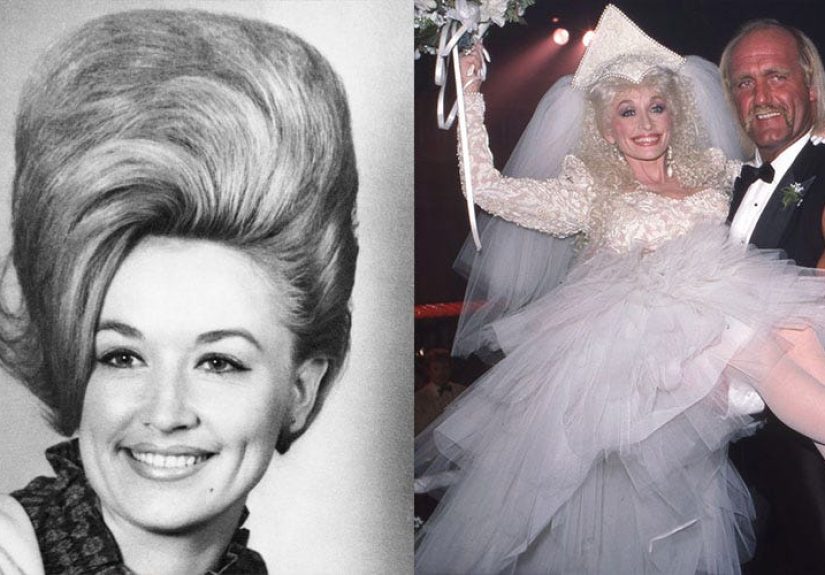
- 12. The Big Hair Becomes a Signature
- 13. Rhinestones, Lace, and Country Television
- 14. The First Solo Number Ones
- 15. The “Jolene” Era
- 16. Saying Goodbye With “I Will Always Love You”
- 17. The Independent Dolly Emerges
- 18. Pop-Country Crossover Style
- 19. “Here You Come Again” Glamour
- 20. Dolly Goes Hollywood
- 21. The “9 to 5” Working Woman Icon
- 22. The Movie Star Portraits
- 23. “The Best Little Whorehouse in Texas” Era
- 24. The “Islands in the Stream” Moment
- 25. Dollywood and the Return to Roots
- 26. “Steel Magnolias” and Emotional Range
- 27. The 1990s Legacy Builder
- 28. The Imagination Library Years
- 29. The Awards Portraits
- 30. The Bluegrass Revival
- 31. The Mentor and Collaborator
- 32. The Social Media Dolly
- 33. The Philanthropist in Plain Sight
- 34. The Rock & Roll Hall of Fame Era
- 35. The White-Haired Wisdom Years
- 36. The Songwriter at Any Age
- 37. Dolly With Fans
- 38. The “Coat of Many Colors” Memory
- 39. The Businesswoman Behind the Beauty
- 40. The Living Legend Portrait
- What Rare Photos of Young Dolly Parton Reveal
- Why Dolly Parton’s Image Still Works in Every Decade
- Experience: What It Feels Like to Look Through 40 Dolly Parton Photos
- Conclusion
Note: This original article is written for web publication and is based on verified public biographical and entertainment-history information. No source links are inserted in the body, per request.
Looking at 40 photos of Dolly Parton through the years is a little like opening a rhinestone-covered time capsule. First, you see the young mountain girl from East Tennessee with big dreams and even bigger hair. Then comes the Nashville newcomer, the duet partner, the country queen, the movie star, the theme park visionary, the literacy champion, and finally the global icon who somehow makes every decade look like it was personally tailored for her.
Rare photos of young Dolly Parton are especially fascinating because they show the blueprint before the legend was fully built. The smile was already there. The confidence was already there. The sparkle was already warming up backstage. Long before she became one of the most beloved entertainers in America, Dolly Rebecca Parton was a child from Locust Ridge, Tennessee, singing on local radio, writing songs, and imagining a life far beyond the Smoky Mountains.
This photo-inspired journey does not simply admire the wigs, gowns, guitars, and glamorous poses. It traces how Dolly used image, humor, songwriting, business sense, and emotional honesty to create one of the most recognizable personal brands in modern entertainment. And yes, the hair deserves its own zip code.
Why Young Dolly Parton Photos Still Capture Attention
Photos of young Dolly Parton remain popular because they reveal a star who seemed to understand herself early. In many early images from the 1960s, she appears polished but not distant, glamorous but not cold. Her look was bold for country music at the time: teased blonde hair, dramatic eye makeup, fitted stage clothes, and a playful confidence that said, “I know exactly what I am doing, even if you are still catching up.”
That self-awareness matters. Dolly’s appearance was never just decoration. It was storytelling. She often used fashion the same way she used lyrics: to exaggerate, charm, disarm, and make a memory stick. A simple portrait of young Dolly in Nashville can tell us as much about ambition as a whole chapter in a biography. She was not waiting for the industry to invent her. She arrived with her own packaging, her own humor, and her own sound.
Photo Timeline: 40 Moments That Tell Dolly Parton’s Story
1. The Locust Ridge Childhood Years
A childhood photo of Dolly in East Tennessee would show humble beginnings, but not a small life. Born in 1946, she grew up as one of 12 children in a family where music, faith, storytelling, and mountain traditions shaped daily life. These early images matter because they remind fans that the glitter came later. The voice came first.
2. Little Dolly With a Big Voice
By the time she was a child, Dolly was already performing publicly. A young girl holding a microphone or standing near a radio studio would become one of the most meaningful images in her story. It shows a performer before fame, already learning how to connect with strangers through song.
3. The Cas Walker Show Era
Photos from Dolly’s appearances on local Knoxville radio and television capture the first stage of her professional confidence. She was still young, but she was gaining the kind of experience that no glamour school can teach: how to hold attention, how to smile through nerves, and how to keep singing even when the room is not yet yours.
4. The First Recording Dream
At age 13, Dolly recorded “Puppy Love,” an early single that now feels like a charming postcard from the beginning of a massive career. A photo from that period would show a teenager who had not yet conquered Nashville, but had already made a down payment on destiny.
5. The Grand Ole Opry Introduction
Young Dolly’s first Grand Ole Opry appearance is one of those moments that belongs in every visual timeline. Introduced during her teenage years, she entered a sacred country music space while still carrying the freshness of a newcomer. For fans, photos from this era feel almost cinematic: the future walking onto the stage before anyone fully knows it.
6. The Nashville Arrival
After high school, Dolly moved to Nashville. Early Nashville portraits often show her with a carefully styled beehive, bright eyes, and the eagerness of someone who had no backup plan because she did not need one. These rare photos of young Dolly Parton are beloved because they show ambition before it became mythology.
7. The Songwriter Behind the Smile
Before she became a household name as a singer, Dolly found success as a songwriter. Images of her with notebooks, guitars, or studio musicians symbolize an important truth: the glamour never replaced the craft. She was not simply a pretty face in country music. She was a working writer with sharp instincts and a deep emotional vocabulary.
8. “Hello, I’m Dolly”
Her 1967 debut album introduced a young artist with personality to spare. Album-cover-style photos from this period show a performer ready to be recognized. The title itself sounds friendly, but it also feels like a warning: Hello, I’m Dolly, and I will be staying awhile.
9. The Porter Wagoner Show Years
When Dolly joined Porter Wagoner’s television show in 1967, her visibility changed dramatically. Photos of Dolly beside Porter show the era that brought her into millions of homes. Her stage outfits grew brighter, her television presence sharpened, and her confidence became impossible to ignore.
10. The Duet Partner With Star Power
Dolly and Porter Wagoner made a successful musical pair, but photos from their performances often reveal something else: even in a duet, Dolly’s individuality was unmistakable. She could harmonize beautifully while still looking like the person audiences would ask about afterward.
11. The “Dumb Blonde” Irony
Photos from the late 1960s often connect with Dolly’s early hit “Dumb Blonde,” a song that played with assumptions about appearance and intelligence. The joke, of course, was on anyone who underestimated her. Dolly built a career out of letting people see the glitter first, then surprising them with the steel underneath.
12. The Big Hair Becomes a Signature
Few visual signatures in American entertainment are as recognizable as Dolly’s hair. Young Dolly photos from the 1960s and early 1970s show the evolution of volume, curls, height, and theatrical polish. The hair was not subtle, but neither was the talent. Somehow, the combination worked perfectly.
13. Rhinestones, Lace, and Country Television
As Dolly became a television regular, her fashion became more daring and more memorable. Sequined dresses, fitted silhouettes, and sparkling details helped her stand apart in an industry that often expected women to fit into tidy boxes. Dolly did not fit into the box. She decorated it, sang on top of it, and sold tickets to the show.
14. The First Solo Number Ones
Photos from the early 1970s capture Dolly becoming a solo country force. “Joshua” became her first solo number one, and soon songs like “Jolene,” “Love Is Like a Butterfly,” and “I Will Always Love You” helped define her as a songwriter capable of turning personal feeling into universal memory.
15. The “Jolene” Era
A 1973 or 1974 Dolly photo carries a special electricity because it belongs to the “Jolene” era. The song is simple, haunting, and instantly recognizable. In images from this period, Dolly often looks glamorous but emotionally direct, which mirrors the song itself: beautiful, vulnerable, and impossible to shake.
16. Saying Goodbye With “I Will Always Love You”
One of Dolly’s greatest songwriting achievements began as a farewell. “I Will Always Love You” was connected to her professional separation from Porter Wagoner, but it grew into something much larger. Photos from this transition period show Dolly stepping out alone, not angrily, but decisively.
17. The Independent Dolly Emerges
Mid-1970s photos show an artist moving from duet fame into full solo control. Her look became sleeker, her stage presence grander, and her business instincts more visible. She was not just leaving a show. She was building an empire with a manicure.
18. Pop-Country Crossover Style
By the late 1970s, Dolly began crossing more confidently into pop territory. Photos from this era show softer styling, glowing studio portraits, and a performer who could appeal to country fans while reaching listeners far beyond Nashville. Her image widened without losing its roots.
19. “Here You Come Again” Glamour
The “Here You Come Again” period is essential in any Dolly Parton photo collection. The song introduced her to a broader pop audience, and images from the era show a sophisticated version of Dolly: polished, camera-ready, and still unmistakably country at heart.
20. Dolly Goes Hollywood
When Dolly starred in the film “9 to 5” with Jane Fonda and Lily Tomlin, her visual story entered a new chapter. Promotional photos from the movie show her as funny, glamorous, and completely natural on screen. Hollywood did not have to soften her. It simply had to point the camera.
21. The “9 to 5” Working Woman Icon
The song “9 to 5” became more than a movie theme. It became an anthem for working people, especially women navigating offices, bosses, bills, and the daily grind. Photos from this period show Dolly in businesslike outfits and bright smiles, turning workplace frustration into a toe-tapping revolution.
22. The Movie Star Portraits
Throughout the 1980s, Dolly’s portraits became glossier. She appeared in films, on talk shows, in magazines, and on red carpets. These images show the rare celebrity who could stand under Hollywood lights without losing the front-porch warmth that made people trust her.
23. “The Best Little Whorehouse in Texas” Era
Photos from this film period show Dolly leaning into theatrical glamour. The costumes were big, the hair was bigger, and the personality was biggest of all. Yet behind the spectacle was a performer with excellent comic timing and emotional intelligence.
24. The “Islands in the Stream” Moment
Dolly’s work with Kenny Rogers produced one of the most beloved duets in pop-country history. Photos of the two together often radiate friendship and easy chemistry. They looked like two stars having fun, which is exactly why audiences had fun with them.
25. Dollywood and the Return to Roots
In the mid-1980s, Dolly became closely associated with Dollywood in Pigeon Forge, Tennessee. Photos from the park’s early years show a businesswoman investing in the region that raised her. The rhinestones traveled the world, but they still knew the road home.
26. “Steel Magnolias” and Emotional Range
In “Steel Magnolias,” Dolly joined an ensemble cast and delivered warmth, humor, and quiet emotional strength. Photos from the film show a different kind of glamour: less concert-stage sparkle, more character-driven charm. It reminded audiences that Dolly could do more than perform Dolly.
27. The 1990s Legacy Builder
Photos of Dolly in the 1990s often show a star fully aware of her legacy but still working like she had something to prove. She continued recording, appearing on television, writing, and expanding her influence. Retirement, apparently, never received her forwarding address.
28. The Imagination Library Years
Dolly Parton’s Imagination Library, launched in 1995, became one of her most meaningful contributions. Images of Dolly with children’s books show a different kind of star power. Instead of a spotlight, the prop is a book. Instead of applause, the goal is literacy.
29. The Awards Portraits
As honors accumulated, award-show photos began to tell another story: respect. Dolly received major recognition across music, culture, and philanthropy. The photos from these events matter because they show the industry catching up to what fans had known for decades.
30. The Bluegrass Revival
Dolly’s late-career bluegrass work reminded listeners that beneath the pop polish was a mountain musician with deep roots. Photos from this era often feel earthy and elegant at the same time. She could wear couture and still make you hear a front-porch fiddle.
31. The Mentor and Collaborator
Modern photos of Dolly with younger artists show her as a bridge across generations. She has collaborated with country singers, pop stars, rock musicians, and family members. Her presence in these images says something powerful: legends do not have to guard the gate. Sometimes they hold it open.
32. The Social Media Dolly
Dolly’s viral “Dolly Parton Challenge” proved that she understood digital culture with the same quick wit she brought to television decades earlier. Photos arranged for different social platforms showed that Dolly could joke about image while still controlling it better than almost anyone.
33. The Philanthropist in Plain Sight
Photos of Dolly connected to charity work, disaster relief, literacy efforts, and community projects show the human side of her fame. She has always understood that celebrity can be more than a mirror. It can be a flashlight.
34. The Rock & Roll Hall of Fame Era
Dolly’s induction into the Rock & Roll Hall of Fame added a new visual chapter. Even when she questioned whether she belonged there, the honor reflected her massive influence across genres. Naturally, she responded by making a rock album, because Dolly does not leave a punchline unfinished.
35. The White-Haired Wisdom Years
Recent portraits show Dolly with the same sparkle but a deeper kind of command. Her style remains playful, but the eyes carry decades of work, risk, humor, grief, generosity, and victory. She looks less like someone chasing relevance and more like someone relevance keeps chasing.
36. The Songwriter at Any Age
One of the best modern Dolly images is not a red-carpet shot but any photo of her with a guitar. That instrument connects every era: the child performer, the Nashville writer, the country star, the movie icon, and the elder stateswoman of American music.
37. Dolly With Fans
Fan photos often reveal why Dolly’s appeal feels personal. She has a gift for making public moments feel intimate. Whether she is signing an autograph or smiling from a stage, she seems to understand that fame is not only about being admired. It is about making people feel seen.
38. The “Coat of Many Colors” Memory
Any visual reference to “Coat of Many Colors” belongs in this timeline because it connects Dolly’s childhood, family, poverty, pride, and songwriting genius. It is one of the clearest examples of how she turned a small memory into a permanent emotional landmark.
39. The Businesswoman Behind the Beauty
Photos of Dolly at Dollywood, in production meetings, or promoting new ventures remind us that she is not merely a performer. She is a brand architect, employer, producer, publisher, and entrepreneur. The smile may be sweet, but the strategy is sharp enough to cut glass.
40. The Living Legend Portrait
The final photo in any Dolly Parton collection should be a present-day portrait. Not because the story is over, but because it proves the story is still moving. Dolly Parton through the years is not a before-and-after tale. It is a continuous act of reinvention.
What Rare Photos of Young Dolly Parton Reveal
Rare photos of young Dolly Parton reveal three things: ambition, identity, and joy. Ambition appears in the way she faces the camera as if she already knows the next door will open. Identity appears in the clothes, hair, and makeup she chose long before “personal branding” became a business-school phrase. Joy appears in the smile, but also in the sense that she is in on the joke.
Dolly has always been funny about her appearance, but never careless with it. Her look became a costume, a shield, a billboard, and a celebration. It allowed her to exaggerate femininity while controlling the conversation around it. People could laugh with her, but rarely at her, because she usually got to the punchline first.
That is why these photos still circulate online. They are not just nostalgia. They are lessons in self-invention. Young Dolly Parton did not wait for permission to become memorable. She designed memorability into every curl, lyric, and stage entrance.
Why Dolly Parton’s Image Still Works in Every Decade
The secret to Dolly’s long visual appeal is consistency with movement. She changes enough to stay fresh, but never so much that fans lose the thread. The blonde hair, sparkling clothes, warm smile, and mountain-girl storytelling remain. Around those constants, she experiments with pop music, movies, theme parks, books, philanthropy, social media, and rock collaborations.
In SEO terms, Dolly Parton is the rare human evergreen keyword. In cultural terms, she is something better: a person whose image carries trust. Fans search for Dolly Parton young photos, rare Dolly Parton pictures, and Dolly Parton through the years because each image feels like a chapter in a story they already love.
Experience: What It Feels Like to Look Through 40 Dolly Parton Photos
Spending time with a collection of 40 Dolly Parton photos feels less like browsing celebrity pictures and more like watching a master class in becoming yourself on purpose. The first thing you notice is the obvious: the hair, the sparkle, the stage outfits, the camera-ready smile. But after a few images, the obvious gives way to something more interesting. Dolly’s photos do not feel random. They feel intentional, like each one understands the assignment.
When you look at rare photos of young Dolly Parton, there is a special thrill in seeing the early version of a woman who would later become nearly mythic. A 1960s portrait has a different energy from a modern red-carpet image. The young Dolly photos are filled with hunger, hope, and a little bit of “just you wait.” She looks polished, but not packaged by committee. You can sense that the style came from her own imagination, not from a marketing department armed with mood boards and too much coffee.
There is also something moving about seeing the contrast between her childhood background and her later glamour. Dolly’s story is often described as rags to rhinestones, and the phrase works because it captures both the hardship and the humor. In early family-inspired images, you think about the mountain home, the crowded household, the songs passed around like heirlooms, and the young girl who believed music could carry her somewhere new. In later photos, when she is covered in sequins under stage lights, the sparkle does not erase the past. It reflects it.
The best way to experience these photos is slowly. Do not treat them like disposable social media slides. Notice the changes in posture. Notice how the stage costumes become more elaborate as her power grows. Notice how her smile stays familiar even when the setting changes from a country television studio to a Hollywood premiere. Notice how often she is holding a guitar, standing with other artists, or placing herself in spaces where country music, pop culture, and business overlap.
One especially enjoyable part of viewing Dolly Parton through the years is realizing how much humor lives in her image. Some stars try to look untouchable. Dolly looks spectacular, but she also looks like she might lean over and tell you a joke that would make your aunt spit out sweet tea. That combination of glamour and approachability is rare. It is also why her photos age so well. They are dramatic without being cold, polished without being stiff, and nostalgic without feeling trapped in the past.
For writers, fans, collectors, and editors, a Dolly photo timeline offers more than visual pleasure. It offers structure. You can organize her life by eras: mountain childhood, Nashville arrival, Porter Wagoner years, solo breakthrough, pop crossover, Hollywood success, Dollywood leadership, philanthropy, legacy honors, and modern reinvention. Each era has a different look, but the same central character. That is what makes the journey satisfying. You are not watching someone become unrecognizable. You are watching someone become more herself.
By the end of 40 photos, the biggest takeaway is not simply that Dolly Parton was beautiful when she was young or glamorous as she aged. The real takeaway is that she understood the power of being memorable and kind at the same time. Plenty of celebrities manage one. Dolly managed both. Her photos remind us that style can be funny, ambition can be generous, and a girl from the mountains can build a world big enough for millions of people to feel at home.
Conclusion
40 photos of Dolly Parton through the years tell a story bigger than fashion, fame, or nostalgia. They show a young singer from Tennessee becoming one of the most successful and beloved figures in American entertainment. They show the rise of a songwriter who turned personal moments into classics, a performer who crossed from country into pop and film, and a philanthropist who used her success to put books into children’s hands.
Most of all, they show consistency. Dolly Parton’s face, fashion, and public image have changed across the decades, but the emotional center has remained steady: humor, generosity, resilience, and total creative ownership. Rare photos of young Dolly Parton are not just pretty snapshots. They are early evidence of a woman who knew that being underestimated can be useful, especially when you are busy becoming unforgettable.