Table of Contents >> Show >> Hide
- How to Think About Curb Appeal (Before You Spend a Dime)
- 37 Curb Appeal Ideas for the Best Front Yard on the Block
- 1) Pressure wash the “gray film of time” off everything
- 2) Create crisp edges between lawn and beds
- 3) Refresh mulch like you’re plating a fancy meal
- 4) Weed ruthlessly (and then prevent them)
- 5) Prune shrubs so they look like plants, not blobs
- 6) Raise the “canopy” of small trees for a brighter view
- 7) Add one showstopper focal plant near the entry
- 8) Layer plants: tall in back, medium in middle, low in front
- 9) Choose low-maintenance “repeat performers”
- 10) Plant in groups of 3 or 5 for a fuller look
- 11) Add seasonal color in containers (your cheat code)
- 12) Upgrade your front door color
- 13) Replace tired door hardware
- 14) Update your porch light fixture (right size matters)
- 15) Add landscape lighting along the walkway
- 16) Use warm-toned bulbs for a welcoming glow
- 17) Make your house numbers impossible to miss
- 18) Add illuminated or reflective address details
- 19) Replace a sad mailbox
- 20) Upgrade the doormat and “welcome zone”
- 21) Add a simple wreath or door decor
- 22) Repair or repaint railings and steps
- 23) Refresh trim and accents (the “outline” of your house)
- 24) Clean windows and replace torn screens
- 25) Add window boxes (but keep them proportional)
- 26) Fix cracks and stains on your walkway
- 27) Upgrade the walkway edge with pavers or stone
- 28) Add a defined border between driveway and lawn
- 29) Paint or refresh the garage door
- 30) Hide trash and recycling bins with a smart screen
- 31) Add a clean-lined fence or gate (even a short one)
- 32) Build a simple arbor or trellis for vertical interest
- 33) Create a small seating moment (porch or front yard)
- 34) Add a front-yard patio or defined “welcome pad”
- 35) Use native plants and pollinator-friendly choices
- 36) Swap high-maintenance lawn patches for smart groundcovers
- 37) Put curb appeal on a simple maintenance schedule
- A Simple “Do This First” Game Plan
- Conclusion
- Bonus: of Real-World Curb Appeal Experiences (What People Actually Notice)
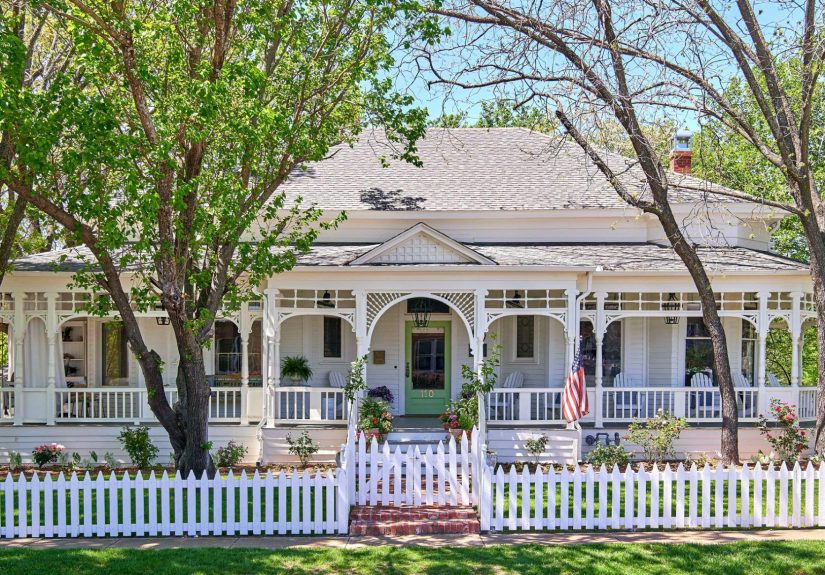
Your front yard is your home’s handshake. It doesn’t need to crush anyone’s knuckles, but it should feel confident, tidy, and welcominglike it showers regularly and remembers your name.
The best curb appeal isn’t about dumping money into a giant “Pinterest Reveal” moment. It’s about smart upgrades that make your house look cared for from the street, day or night.
This guide pulls together practical, real-world tips commonly recommended across reputable U.S. home and garden outlets and expert sourcesthink Better Homes & Gardens, HGTV,
This Old House, Bob Vila, Realtor.com, NAR research, HomeLight, Angi, Real Simple, and plant-focused guidance from sites like The Sprucethen rewrites it into a plan you can actually use.
How to Think About Curb Appeal (Before You Spend a Dime)
The fastest way to upgrade curb appeal is to stop treating your front yard like a random collection of “stuff” and start treating it like a simple design:
one focal point, clean lines, and layers of texture.
- Pick a focal point: Usually the front door. If your landscaping hides it, your yard is basically whispering, “Good luck finding us.”
- Work big-to-small: Fix the obvious (peeling paint, messy beds), then add the charming details (planters, numbers, lighting).
- Repeat on purpose: Matching finishes (black, bronze, or brass) across light fixtures, door hardware, and house numbers looks intentionallike you own a level.
- Choose “low drama” plants: Reliable shrubs, tidy edges, and perennials beat fussy divas that collapse the second you go out of town.
- Night curb appeal counts: A house that looks great at noon but spooky at 9 p.m. is missing half the job.
37 Curb Appeal Ideas for the Best Front Yard on the Block
1) Pressure wash the “gray film of time” off everything
Siding, steps, walkways, driveway edges, porch floorsgrime makes a home look older and neglected. A deep clean is one of the cheapest “before-and-after” upgrades you can do.
2) Create crisp edges between lawn and beds
Edging is the haircut of landscaping: even if nothing else changes, everything looks sharper. Use a spade edge for a clean trench line or install simple metal/plastic edging for consistency.
3) Refresh mulch like you’re plating a fancy meal
Fresh mulch instantly makes beds look intentional. Keep the depth moderate (think “cozy blanket,” not “mulch mountain”) and avoid piling it against trunks or stems.
4) Weed ruthlessly (and then prevent them)
Pull weeds first, then apply a pre-emergent strategy or add mulch and dense planting to shade out future sprouts. Weeds are the uninvited guests of curb appeal.
5) Prune shrubs so they look like plants, not blobs
Shape overgrown shrubs away from windows and walkways. The goal is “healthy and airy,” not “mysterious hedge creature.” Bonus: your house will look bigger.
6) Raise the “canopy” of small trees for a brighter view
Carefully remove low branches so the yard feels open and welcoming. A clear sightline to the front door is more inviting (and easier for delivery drivers who are already having a day).
7) Add one showstopper focal plant near the entry
A small ornamental tree, a large shrub, or a dramatic planter near the front door gives the eye a landing spot. Keep it sized to your house so it looks bold, not lost.
8) Layer plants: tall in back, medium in middle, low in front
Layering adds depth and makes even a small bed look “designed.” Use evergreen structure (boxwood-like shapes, hollies, junipers) plus seasonal color for change without chaos.
9) Choose low-maintenance “repeat performers”
Perennials and shrubs that reliably bloom (or stay attractive) reduce maintenance. Mix in a few annuals for punch, especially close to the front walk where they’ll be noticed.
10) Plant in groups of 3 or 5 for a fuller look
One lonely flower is a sad sentence. Grouping plants looks intentional and lush, even if you’re using budget-friendly options.
11) Add seasonal color in containers (your cheat code)
Containers are flexible: swap them by season, move them for parties, or hide problem areas. Use matching pots for calm, or coordinated colors for personality.
12) Upgrade your front door color
A fresh door color is a classic curb appeal move because it’s a high-impact focal point. Pick a shade that works with your roof, brick/stone, and trimnot just your favorite color at 2 a.m.
13) Replace tired door hardware
A new handle set and deadbolt can modernize the whole entry. Match the finish to your light fixtures for a cohesive look (and fewer “Why is this bronze and that silver?” questions).
14) Update your porch light fixture (right size matters)
Too small looks skimpy; too big looks like your sconce is trying to become a chandelier. Choose a fixture that fits the scale of your door and is bright enough for safety.
15) Add landscape lighting along the walkway
Path lights boost safety and nighttime curb appeal. Aim for gentle, even spacing rather than an airport runway vibe. If you install a full system, consider professional design for best results.
16) Use warm-toned bulbs for a welcoming glow
Warm light tends to feel inviting, while harsh cool light can feel clinical. The goal is “come on in,” not “please report to the laboratory.”
17) Make your house numbers impossible to miss
Clear, modern numbers help guests, delivery drivers, and emergency responders. Mount them where they’re visible from the street and consider contrast: dark numbers on light siding or vice versa.
18) Add illuminated or reflective address details
If your street is dim, add subtle lighting near numbers or use reflective options. Night visibility is curb appeal plus practical peace of mind.
19) Replace a sad mailbox
A rusted or leaning mailbox quietly ruins first impressions. Choose a style that matches your home (traditional, modern, farmhouse), and anchor it straightbecause “crooked” is not a design style.
20) Upgrade the doormat and “welcome zone”
A clean doormat, a tidy stoop, and one or two planters instantly reads “well cared for.” Skip novelty mats that insult visitorssave your sarcasm for group chats.
21) Add a simple wreath or door decor
One seasonal wreath can add charm without clutter. Keep it scaled to your door, and don’t let the decor pile up into a craft-store explosion.
22) Repair or repaint railings and steps
Loose railings, peeling paint, and cracked steps are curb appeal kryptonite. Fix safety first, then finish with paint or stain that complements your exterior palette.
23) Refresh trim and accents (the “outline” of your house)
Crisp trim makes a home look polished, even if the main paint color stays the same. Touch up corners, fascia, shutters, and porch details for a clean outline.
24) Clean windows and replace torn screens
Sparkly windows make the whole façade feel brighter. Repair screens and consider simple window treatments visible from the street (consistent shades look calmer than mismatched chaos).
25) Add window boxes (but keep them proportional)
Window boxes bring color and charm, especially on plain exteriors. Choose sturdy hardware, water-smart soil, and plants that won’t melt in your climate by mid-July.
26) Fix cracks and stains on your walkway
The front path is the literal red carpet to your home. Patch cracks, remove stains, and keep the route clear. If it’s uneven, address trip hazards before anything decorative.
27) Upgrade the walkway edge with pavers or stone
A paver border or stone edging adds structure and makes the yard feel “finished.” It’s a visual cue that the landscaping was planned, not accidentally grown.
28) Add a defined border between driveway and lawn
A clean border prevents grass from creeping into concrete seams and keeps lines sharp. Consider gravel strips, pavers, or edgingsimple, tidy, effective.
29) Paint or refresh the garage door
If the garage dominates the view, it needs to look intentional. A fresh coat of paint, faux hardware, or updated trim can make it feel like part of the design, not a giant blank panel.
30) Hide trash and recycling bins with a smart screen
Nobody wants “bin chic.” A small fence section, shrub grouping, or enclosure can keep utility items out of sight while staying easy to access.
31) Add a clean-lined fence or gate (even a short one)
A short picket fence or modern horizontal slat section can define space and add character. Keep paint/stain maintainedfences age loudly when neglected.
32) Build a simple arbor or trellis for vertical interest
Vertical elements frame the entry and add charm. Choose climbing plants carefullysome vines behave like they’re training for world domination.
33) Create a small seating moment (porch or front yard)
Two chairs and a tiny table suggest a lifestyle: “We drink lemonade here.” Keep it uncluttered and coordinated. If you have no porch, consider a small front-yard sitting area set back from the sidewalk.
34) Add a front-yard patio or defined “welcome pad”
If your yard layout allows, a small patio can transform the space from purely decorative to actually useful. Define it with pavers, gravel, or a compact deck-style platform.
35) Use native plants and pollinator-friendly choices
Native plants often mean less watering, better resilience, and more life (birds, butterflies, the whole Disney casting call). Aim for a tidy layout so it reads “intentional,” not “abandoned meadow.”
36) Swap high-maintenance lawn patches for smart groundcovers
Struggling grass in shade or along hot curb edges? Replace with groundcover, mulch, or ornamental grasses for a cleaner look and less constant re-seeding.
37) Put curb appeal on a simple maintenance schedule
The best front yard isn’t the one that was gorgeous once. It’s the one that stays cared for: weekly quick tidy, monthly bed refresh, seasonal planting swaps, and an annual deep clean.
A Simple “Do This First” Game Plan
If you want maximum impact without feeling like you joined a landscaping marathon, try this order:
- Day 1: Clean (pressure wash), weed, edge, prune.
- Weekend: Mulch, refresh planters, upgrade numbers/mailbox, swap lighting if needed.
- Month: Paint the door/trim, improve the walkway, add layered plantings and night lighting.
You’ll notice something fun: once the “messy” stuff is handled, even small upgrades (a new light fixture or bold door paint) look twice as expensive.
Conclusion
Curb appeal is less about perfection and more about signals: “This home is loved, maintained, and welcoming.” Start with clean lines and a clear path,
build structure with consistent finishes, then add personality with color and plants. Do that, and your front yard won’t just look goodit’ll look like it belongs on the “best on the block” highlight reel.
Bonus: of Real-World Curb Appeal Experiences (What People Actually Notice)
When homeowners start working on curb appeal, they usually assume the “big” upgrades matter mostnew shrubs, fancy fixtures, maybe a dramatic front door color.
And yes, those help. But the most common experience is discovering that curb appeal is basically a game of contrast and confidence.
The first time someone edges the lawn cleanly and refreshes mulch, the whole house suddenly looks like it got a promotion. Nothing structural changed.
The yard just stopped looking “fuzzy” and started looking “finished.”
Another frequent lesson: it’s shockingly easy to overdecorate. Many people begin with the purest intentionstwo planters, a wreath, maybe a cute sign.
Then the entry quietly becomes a retail display. The houses that get compliments tend to do the opposite: fewer items, better quality, and more breathing room.
One sturdy mat, one seasonal accent, and planters that match the style of the home usually read as elevated. Five mismatched pots and three slogans read as yard clutter,
even if everything is technically “cute.”
Plant choices also teach fast humility. Homeowners often fall in love with whatever is in bloom at the garden center, then realize it’s a high-maintenance diva in their climate.
The most successful front yards usually combine reliable evergreen structure with a smaller amount of seasonal color. People also learn to place the “pretty” stuff near the walk and the door,
where it has the most impact, and use tougher plants farther out. That approach feels like cheatingin a good way.
Lighting is another “aha.” The best-looking homes at night rarely use brighter bulbs; they use better placement. Soft path lighting that guides you to the door feels welcoming.
A single harsh floodlight can feel like an interrogation scene. Homeowners who switch to warm, layered lighting often say the house feels safer and more inviting at the same time,
which is the curb appeal sweet spot.
Finally, the most repeated experience is this: curb appeal isn’t one projectit’s momentum. Once the front yard looks clean and intentional, people naturally keep it that way.
They do quick weekly resets, trim plants before they get wild, and refresh planters seasonally. And when visitors start saying, “Wow, your place looks great,”
it’s incredibly motivating. The best front yard on the block isn’t necessarily the most expensive oneit’s the one that looks consistently cared for.