Table of Contents >> Show >> Hide
A walk-in shower seat is one of those bathroom features that looks “nice to have” on Pinterest and then turns out to be wildly useful in real life. It can be a spa perch, a leg-shaving station, a towel landing pad, a mobility-friendly must-have, or all of the above before your conditioner even rinses out.
The best part? Shower seating has evolved far beyond the chunky “medical-looking” bench people used to avoid. Today, you can go built-in, floating, fold-down, freestanding, stone-clad, teak-warm, or sleek and minimal. In other words: your shower seat can work hard and look gorgeous.
In this guide, you’ll get 34 stylish and functional walk-in shower seat ideas, plus practical planning tips for sizing, comfort, safety, and materials. Whether you’re remodeling a tiny guest bath or building a full-on home spa, there’s a seat idea here with your name on it (and probably your favorite shampoo bottle).
Why a Walk-In Shower Seat Is Worth It
A well-designed shower seat adds comfort, convenience, and flexibility. It creates a place to sit, store products, or simply pause while the hot water undoes your day. It also supports aging-in-place design and can make a walk-in shower easier to use for people with mobility needs.
Even if accessibility isn’t your priority right now, shower seating is one of those upgrades that ages well. It feels luxurious today and practical tomorrow. That’s a rare renovation win.
Before You Choose a Shower Seat
1) Match the seat to how you actually shower
If you mostly want a place for products and a footrest, a slim ledge or corner seat may be enough. If you want true seated comfort, plan for a deeper bench and pair it with a handheld showerhead.
2) Think about placement early
Seat location affects plumbing, spray coverage, and traffic flow. If the seat is too far from the water, it becomes a decorative shelf. If it blocks the entry, it becomes a daily annoyance. Put comfort first, then style.
3) Plan for water and cleaning
Shower seats live in a wet zone, so materials and construction matter. Choose water-friendly surfaces, avoid overly slick finishes on nearby floors, and make sure the design drains and dries well.
4) Don’t retrofit a built-in bench carelessly
Built-in seats should be planned during the shower build so waterproofing stays intact. If your shower is already finished, a freestanding or wall-mounted seat is often the smarter move.
34 Stylish and Functional Walk-In Shower Seat Ideas
Built-In Bench Ideas
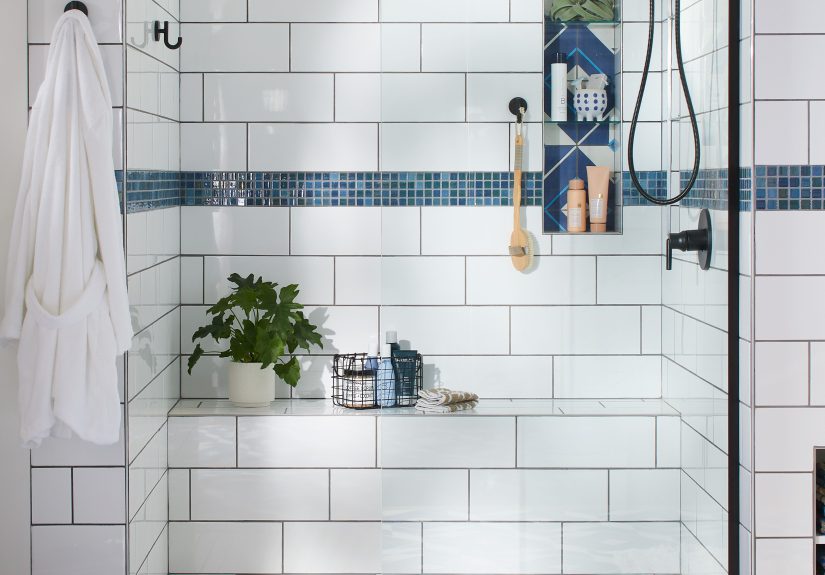
- Full-width built-in bench: Run the bench across the back wall for a spa-like look. It feels intentional, offers plenty of seating, and gives you room for towels, products, and that one fancy body scrub you swore you’d use more often.
- Corner bench for smaller showers: A corner seat saves floor space while still adding function. It’s a great fit for midsize bathrooms where every inch matters and you don’t want the shower to feel crowded.
- Bench under a window: If privacy and waterproofing are handled properly, placing a seat under a shower window creates a bright, relaxing spot. Bonus: natural light makes tile and stone textures look amazing.
- Bench with matching wall tile: Cover the seat in the same tile as the walls for a seamless, built-in look. This visually enlarges the shower and keeps the design calm and cohesive.
- Bench with contrasting stone slab: Use a bold slab on the seat while keeping the surrounding tile simple. It’s a smart way to “splurge small” and create a designer focal point without blowing the whole budget.
- Deep bench for lounging: If you have room, go deeper for a more comfortable sit. This works especially well in primary bathrooms where the shower doubles as a mini recovery room after long days.
- Short ledge bench: A shorter bench can function as a compact seat, shaving ledge, or product shelf. It’s practical, subtle, and ideal when you want flexibility without a giant built-in feature.
- Bench paired with a recessed niche: Place a niche above or beside the seat for a tidy, useful layout. The bench handles towels and tools, while the niche keeps bottles off the floor.
- Bench with a rounded front edge: Softening the front edge improves comfort and helps the bench look more custom. It’s one of those little details that makes the whole shower feel more expensive.
- Bench with a waterfall side panel: Continue the bench material down the side to the floor for a “waterfall” effect. This adds visual weight and gives even a simple tile shower a polished, high-end look.
Floating and Minimalist Seat Ideas
- Floating stone ledge seat: A floating seat keeps the floor more open, which helps small showers feel bigger. It also looks sharp in modern bathrooms with clean lines and minimal hardware.
- Floating seat aligned with a niche: Mirror the horizontal line of the seat with a long niche above it. This creates symmetry and makes the shower feel intentional rather than pieced together.
- Slim bench for a minimalist shower: If you don’t need full seating depth, a slim shelf-seat can be enough. It works beautifully in contemporary showers where you want function without visual bulk.
- Monochrome floating bench: Use one material palette across the walls, seat, and niche for a quiet, elegant effect. This is a great strategy if you love “spa hotel” design and hate visual clutter.
- Floating wood-look seat: Wood-look porcelain or a well-chosen teak element can warm up an all-white shower. It breaks up stone and tile and adds a softer, more inviting feel.
- Bench plus wall-hung fixtures: Pair a floating seat with wall-mounted controls and a linear drain for a clean, modern setup. The look is streamlined, and cleaning the floor gets easier.
- Invisible bench effect: Build the seat in the same material and color as the shower walls so it almost disappears. This is perfect when you want a seat but don’t want it to dominate the design.
- Statement floating slab: Make the seat the star with a dramatic stone slab, rich veining, or a standout edge profile. It turns a practical feature into the shower’s signature design move.
Freestanding and Flexible Shower Seat Ideas
- Teak shower bench: Teak remains a favorite for a reason: it looks warm, spa-like, and works beautifully in wet spaces when properly maintained. It also plays well with stone, tile, and pebble floors.
- Ceramic garden stool: A ceramic stool is a clever small-space solution. It adds color and personality, and it can be moved around when you want the floor area clear.
- Portable spa bench with lower shelf: Freestanding benches with a shelf add storage without construction. Great for rentals, remodel delays, or anyone who wants flexibility before committing to built-ins.
- Bamboo bench for a soft natural look: Bamboo-style benches create a relaxed, resort vibe. They’re especially nice in bathrooms with warm metals, white tile, and soft neutral palettes.
- Compact stool for shaving and storage: Not every shower needs a giant bench. A small movable stool can handle leg shaving, product storage, and occasional seating without stealing space.
- Moveable seat with handles: A lightweight moveable shower seat with integrated handles is practical for multi-user homes. It’s easier to reposition for cleaning, bathing, or assisting someone else.
- Adjustable-height shower chair: If comfort and usability are top priorities, adjustable-height seating is hard to beat. It can better fit different users and works well in shared bathrooms.
- Freestanding bench near the entry: Place a bench close to the shower opening to keep towels and essentials within reach. This setup feels practical and avoids the “where do I put this?” dance.
- Decorative bench that matches the vanity wood tone: Repeating a wood tone from the vanity, ceiling, or shelving helps the shower seat feel connected to the whole bathroom design.
- Outdoor-rated bench indoors: A weatherized bench designed for outdoor use can be a smart pick in showers. It’s built for moisture and often offers better durability than standard furniture.
Accessibility and Universal Design Seat Ideas
- Fold-down wall-mounted seat: A fold-down bench gives you the best of both worlds: support when needed and open standing room when it’s not. It’s ideal in smaller walk-in showers.
- Seat with handheld shower combo: Pair any seat with a handheld showerhead so rinsing while seated is easy. This simple combo improves comfort and makes the shower far more useful.
- Seat plus grab bars designed to match: Modern grab bars can look sleek, not clinical. Matching the finish to your plumbing fixtures keeps the safety features looking integrated and intentional.
- Curbless shower with transfer-friendly seating: In an accessibility-focused bathroom, a curbless entry and well-positioned seat make movement easier and safer. It’s a thoughtful long-term design decision.
- L-shaped bench for extra support: An L-shaped seat can offer more support and flexibility than a straight bench. It’s especially useful in larger showers or accessibility-forward layouts.
- Seat with nearby controls: Keep controls and sprays within easy reach of the seat. This makes the shower more comfortable to use and avoids awkward leaning or standing mid-shower.
- Bench with slip-aware flooring around it: The seat is only part of the safety story. Choose textured or slip-conscious floor tile nearby so the area around the bench stays secure underfoot.
- Bench with strong task lighting: Good lighting makes a shower safer and more relaxing. Add focused lighting so the bench area is bright enough for shaving, washing, or assisted bathing.
- Bench with easy-clean surfaces: Select materials and finishes that wipe down easily and resist buildup. A seat that looks great but is a pain to clean will stop feeling “luxury” pretty fast.
- Future-ready reinforced walls: Even if you skip a permanent seat today, reinforce the walls during the remodel so you can add one later. Future-you will appreciate the foresight.
Design Tips That Make Shower Seats Look Better
Repeat materials on purpose
The easiest way to make a shower seat look intentional is to repeat its material elsewhere in the room. Match the bench stone to a vanity top, repeat the tile on a niche, or echo the wood tone in shelving. This creates rhythm and keeps the seat from feeling like an afterthought.
Balance comfort and proportions
A bench that’s too shallow won’t be comfortable, while one that’s too deep can swallow the shower. If you’re working with a compact space, try a corner seat, floating ledge, or fold-down option before forcing in a bulky bench.
Don’t forget the “functional styling” layer
A shower seat looks best when it’s useful. Add a niche nearby, keep a towel hook just outside the shower, and use a handheld showerhead if the bench is meant for actual sitting. Practical design is what makes a bathroom feel luxurious day after day.
Common Experiences Homeowners Share About Walk-In Shower Seats (Extra 500+ Words)
One of the most common experiences homeowners mention after installing a walk-in shower seat is this: they thought they were adding it for “just in case,” but they use it all the time. A built-in bench or freestanding stool quickly becomes the command center of the shower. People sit while steaming, prop a foot while shaving, set down deep-conditioning treatments, or keep towels and fresh clothes nearby during a rushed morning routine.
Another frequent experience is the shift in how the bathroom feels. Many homeowners say a shower seat makes the space feel more like a retreat and less like a utility zone. Even in a smaller bathroom, a thoughtfully designed seat can create a “spa moment.” A teak bench, a stone ledge, or a simple floating seat visually anchors the shower and makes the whole room feel more finished.
Families also report that shower seating becomes unexpectedly helpful across age groups. Kids use it as a perch when bath time turns into a soap opera (the dramatic kind). Adults use it for shaving, skincare, or sore-muscle recovery. Older family members appreciate the option to sit without turning the bathroom into a clinical space. That flexibility is a big reason shower seats are often described as one of the most practical upgrades in a remodel.
There are also some lessons learned the hard way. A common regret is choosing a bench that looks great but sits too far from the shower spray. It seems obvious later, but not always during planning. If the water doesn’t reach the seat comfortably, people end up leaning awkwardly or standing anyway. That’s why so many successful remodels pair the seat with a handheld showerhead and place controls within easier reach.
Another common experience is underestimating how important materials are. Homeowners often love the look of polished surfaces at first, then realize certain finishes can feel slippery or high-maintenance in a wet environment. The happiest outcomes usually come from choosing materials with both style and real-world durability in mind. People tend to appreciate easy-clean surfaces, grippier floor tile, and seating materials that hold up well to daily moisture.
People renovating older homes often mention that shower seats force better planning overall. Once you decide to include a seat, you naturally start thinking about drainage, niche placement, lighting, and where towels should go. In that sense, a shower seat doesn’t just add seating; it improves the whole layout. It encourages smarter decisions, and the shower ends up functioning better as a result.
There’s also a strong “future-proofing” theme in homeowner feedback. Many people in their 30s, 40s, and 50s say they didn’t install a seat because they needed it immediately. They installed it because they wanted a bathroom they could grow into. That perspective often leads to other wise choices too, like a low-threshold entry, reinforced walls for future grab bars, and a handheld shower setup.
Finally, one experience stands out again and again: people rarely regret adding shower seating, but they do regret skipping it when the shower has enough space. Even a small seat or movable stool can dramatically improve comfort and convenience. In other words, the shower seat you’re debating today may become the feature you brag about tomorrow.
Conclusion
A walk-in shower seat can be elegant, practical, and future-friendly all at once. The key is choosing the right type for your space: built-in for a custom look, floating for a modern feel, freestanding for flexibility, or fold-down for maximum function in tight layouts.
If you design it with real life in mindcomfort, water flow, storage, cleaning, and safetyyou’ll end up with a shower that looks beautiful and works beautifully too. And honestly, that’s the dream: a bathroom upgrade that earns its square footage every single day.