Table of Contents >> Show >> Hide
- Why Beginner Houseplants Are Different
- How to Choose the Right Beginner Houseplant
- 30 Best Houseplants for Beginners
- 1. Snake Plant (Dracaena trifasciata)
- 2. Golden Pothos (Epipremnum aureum)
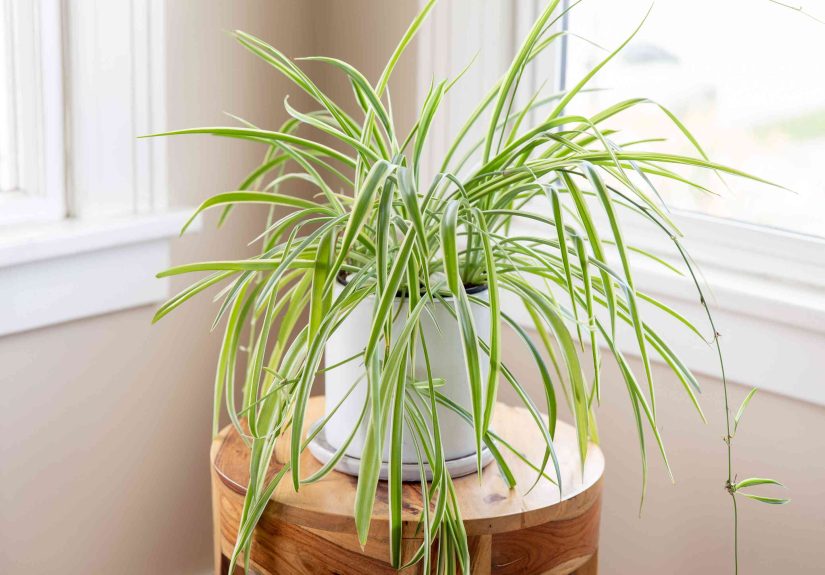
- 3. Spider Plant (Chlorophytum comosum)
- 4. ZZ Plant (Zamioculcas zamiifolia)
- 5. Peace Lily (Spathiphyllum)
- 6. Heartleaf Philodendron (Philodendron hederaceum)
- 7. Cast Iron Plant (Aspidistra elatior)
- 8. Aloe Vera (Aloe barbadensis)
- 9. Rubber Plant (Ficus elastica)
- 10. Chinese Evergreen (Aglaonema)
- 11. Parlor Palm (Chamaedorea elegans)
- 12. Ponytail Palm (Beaucarnea recurvata)
- 13. Jade Plant (Crassula ovata)
- 14. Dragon Tree (Dracaena marginata)
- 15. English Ivy (Hedera helix)
- 16. Boston Fern (Nephrolepis exaltata)
- 17. Bird’s Nest Fern (Asplenium nidus)
- 18. Prayer Plant (Maranta leuconeura)
- 19. Monstera (Monstera deliciosa)
- 20. Chinese Money Plant (Pilea peperomioides)
- 21. Peperomia ‘Ginny’ (Peperomia clusiifolia)
- 22. Hoya (Wax Plant, Hoya carnosa)
- 23. Tradescantia Zebrina (Wandering Dude)
- 24. Umbrella Plant (Schefflera arboricola)
- 25. African Violet (Saintpaulia)
- 26. Kalanchoe (Kalanchoe blossfeldiana)
- 27. Anthurium (Flamingo Flower, Anthurium andraeanum)
- 28. Haworthia (Zebra Haworthia)
- 29. Air Plants (Tillandsia)
- 30. Beginner Succulent Sampler
- Beginner Houseplant Experiences: What New Plant Parents Learn Fast
- Conclusion
If you’ve ever looked at a friend’s thriving indoor jungle and thought, “I’d kill all of those in a week,” this guide is for you. The truth is, many so-called “plant killers” just haven’t met the right houseplants yet. There are plenty of easy, forgiving, low-maintenance indoor plants that will happily survive the occasional missed watering or less-than-perfect light.
In this beginner-friendly tour, we’ll walk through 30 of the best houseplants for beginners, why they’re so tough, and how to keep them alive without turning your life into a full-time watering schedule. You’ll also get practical tips, real-life examples, and some hard-earned lessons from new plant parents so you can skip the trial-and-error phase and jump straight to “Wow, your place looks amazing!”
Why Beginner Houseplants Are Different
Not all indoor plants are created equal. Some tropical divas wilt if you look at them funny, while others practically raise themselves. Beginner houseplants share a few important traits that make them perfect for first-time plant parents:
- They tolerate neglect. Miss a watering or two? No problem. Many beginner plants actually prefer to dry out a bit.
- They handle average home conditions. Most of the plants below can thrive in typical indoor temperatures and moderate humidity.
- They’re flexible with light. While every plant has a preference, these picks can usually adapt to bright, indirect light or medium light conditions, with a few champs that handle low light.
- They’re forgiving teachers. Beginner plants bounce back from minor mistakes, giving you room to learn how soil moisture, light, and containers work together.
Before you choose your favorites, let’s quickly cover how to match a plant to your home and lifestyle.
How to Choose the Right Beginner Houseplant
1. Check Your Light
Most easy indoor plants prefer bright, indirect lightthink a spot near a window with filtered sun. If your place is on the darker side, look for low-light champs like snake plants, ZZ plants, and cast iron plants. South-facing windows usually provide the most intense light; north-facing windows tend to be softer.
2. Be Honest About Your Watering Style
Are you the “forgets the plant exists for three weeks” type or the “if a little water is good, more must be better” type? Drought-tolerant plants like succulents, snake plants, ZZ plants, and pothos are ideal for forgetful waterers. If you love to fuss a little, ferns and some flowering plants may suit youjust be careful not to drown them.
3. Think About Pets and Kids
If you share your home with curious pets or toddlers, check toxicity info before you buy. Many popular houseplants (like peace lilies, pothos, philodendrons, and dieffenbachia) can be toxic if chewed. You don’t have to avoid them entirely, but you should keep them out of reach or choose pet-safe options such as many ferns, peperomias, and some palms.
4. Start Small, Then Build Your Jungle
You don’t need to buy 10 plants at once. Start with one or two easy houseplants for beginners, learn how they respond in your home, then gradually add more. Your confidence (and your foliage) will grow together.
30 Best Houseplants for Beginners
Here’s a curated list of 30 beginner-friendly houseplants, including classic low-maintenance indoor plants, trailing vines, compact cuties, and a few flowering options. For each one, you’ll see its personality and basic care needs so you can choose your perfect match.
1. Snake Plant (Dracaena trifasciata)
This is the ultimate “set it and forget it” plant. Snake plants have tall, sword-like leaves and come in many stylish varieties. They tolerate low light, dry air, and skipped waterings. Let the soil dry almost completely before watering again.
- Light: Low to bright, indirect light
- Water: Every 2–4 weeks; less in winter
- Best for: Busy people and chronic plant forgetters
2. Golden Pothos (Epipremnum aureum)
Golden pothos is the classic trailing indoor plant. It cascades beautifully from shelves and hanging baskets and tolerates everything from bright, indirect light to lower light corners. Just avoid deep shade and soggy soil.
- Light: Medium to bright, indirect
- Water: When the top 1–2 inches of soil are dry
- Bonus: Easy to propagate in water for free plants
3. Spider Plant (Chlorophytum comosum)
Spider plants are practically designed for beginners. They produce arching leaves and adorable “spiderettes” (baby plants) that hang from long stems. They bounce back quickly from occasional underwatering and adapt well to most homes.
- Light: Bright, indirect to medium light
- Water: Keep soil lightly moist, but not soggy
4. ZZ Plant (Zamioculcas zamiifolia)
ZZ plants are glossy, architectural, and almost indestructible. They’re ideal for lower-light rooms and tolerate infrequent watering thanks to their thick, water-storing rhizomes.
- Light: Low to medium, indirect
- Water: Every 3–4 weeks; let soil dry out
5. Peace Lily (Spathiphyllum)
Peace lilies are famous for their elegant white blooms and deep green leaves. They droop when thirsty, which is actually a convenient reminder for beginners. Just remember they can be toxic to pets if chewed.
- Light: Low to medium; more light = more flowers
- Water: When leaves start to droop or soil feels dry
6. Heartleaf Philodendron (Philodendron hederaceum)
This trailing plant has soft, heart-shaped leaves and thrives in a wide range of indoor conditions. It’s similar to pothos but slightly more tender in appearance.
- Light: Medium to bright, indirect
- Water: When the top inch of soil is dry
7. Cast Iron Plant (Aspidistra elatior)
The name says it all. Cast iron plants survive low light, irregular watering, and general neglect. They grow slowly but steadily, making them perfect for darker corners where other plants sulk.
- Light: Low to medium
- Water: When soil is dry halfway down
8. Aloe Vera (Aloe barbadensis)
Aloe vera is a succulent superstar. It loves bright light and dry soil, and its gel-filled leaves are famous for soothing minor skin irritations. Use a cactus/succulent mix and pots with drainage.
- Light: Bright, indirect to a bit of gentle direct sun
- Water: Every 2–3 weeks; let soil dry completely
9. Rubber Plant (Ficus elastica)
With large, glossy leaves, rubber plants look expensive and dramatic but are surprisingly low maintenance once settled. They like bright, indirect light and moderate watering.
- Light: Bright, indirect
- Water: When the top couple of inches are dry
10. Chinese Evergreen (Aglaonema)
Chinese evergreens come in gorgeous patterns and colors, from silver-green to pink. They tolerate lower light and infrequent watering, making them a great “office plant.”
- Light: Low to medium
- Water: When the top inch of soil is dry
11. Parlor Palm (Chamaedorea elegans)
Parlor palms bring a soft, tropical vibe without demanding tropical conditions. They’ve been grown indoors since Victorian times and are still popular for a reason.
- Light: Low to medium, indirect
- Water: Keep slightly moist; don’t let it sit in water
12. Ponytail Palm (Beaucarnea recurvata)
Technically a succulent, ponytail palms store water in their bulbous base. Their long, curly leaves spill over like a green fountain, and they thrive on benign neglect.
- Light: Bright, indirect or some direct morning sun
- Water: Every 2–4 weeks; let soil dry completely
13. Jade Plant (Crassula ovata)
Jade plants are chunky, tree-like succulents that can live for decades. They prefer a sunny window and careful wateringthink “when in doubt, don’t.”
- Light: Bright, indirect to direct sun
- Water: When soil is completely dry
14. Dragon Tree (Dracaena marginata)
Dragon trees have tall, cane-like stems crowned with narrow, striped leaves. They’re tough, adaptable, and great for adding height in a corner.
- Light: Medium to bright, indirect
- Water: When the top 1–2 inches are dry
15. English Ivy (Hedera helix)
This classic vine can trail from shelves or climb a small trellis. Indoors, it prefers bright, indirect light and slightly cooler rooms. It’s best kept out of reach of pets.
- Light: Bright, indirect
- Water: Keep lightly moist, not soggy
16. Boston Fern (Nephrolepis exaltata)
Boston ferns bring lush, feathery fronds to bathrooms and kitchens. They like humidity and consistent moisture, so they’re ideal if you enjoy misting plants or have a naturally humid home.
- Light: Bright, indirect
- Water: Keep soil evenly moist and humidity high
17. Bird’s Nest Fern (Asplenium nidus)
This fern has wavy, spoon-shaped fronds that unfurl from a central rosette. It’s a bit less fussy than some other ferns, especially if you avoid direct sun and dry air.
- Light: Low to medium, indirect
- Water: Keep soil lightly moist
18. Prayer Plant (Maranta leuconeura)
Prayer plants get their name from the way their leaves fold up at night. With striking patterns and colors, they’re great for plant lovers who want something eye-catching but still reasonably easy.
- Light: Low to medium, indirect
- Water: Keep soil lightly moist; likes humidity
19. Monstera (Monstera deliciosa)
Also known as the Swiss cheese plant, monstera is famous for its large, split leaves. It can grow quite large over time, turning a blank corner into a dramatic focal point.
- Light: Bright, indirect
- Water: When the top 1–2 inches are dry
20. Chinese Money Plant (Pilea peperomioides)
This quirky, round-leafed plant is incredibly photogenic and simple to care for. It often produces “pups” around the base that can be potted up as gifts.
- Light: Bright, indirect
- Water: When the top inch is dry
21. Peperomia ‘Ginny’ (Peperomia clusiifolia)
Peperomia ‘Ginny’ is a compact, colorful plant with pink and cream variegation along the leaf edges. Most peperomias are beginner-friendly and stay smallperfect for desks and shelves.
- Light: Medium to bright, indirect
- Water: When the top inch is dry; avoid overwatering
22. Hoya (Wax Plant, Hoya carnosa)
Hoyas have thick, waxy leaves and can produce star-shaped, fragrant flowers in good conditions. They prefer to dry out between waterings and can trail or climb.
- Light: Bright, indirect
- Water: When soil is nearly dry
23. Tradescantia Zebrina (Wandering Dude)
This trailing plant has purple and silver-striped leaves that look dramatic in hanging baskets. It grows quickly, so you can prune often and root cuttings easily.
- Light: Bright, indirect
- Water: Keep soil lightly moist, let top dry out
24. Umbrella Plant (Schefflera arboricola)
Umbrella plants have glossy leaf clusters that radiate like spokes from a central point. They’re durable, relatively fast-growing, and forgiving of occasional mistakes.
- Light: Medium to bright, indirect
- Water: When the top 1–2 inches are dry
25. African Violet (Saintpaulia)
African violets are compact flowering plants that bloom in many colors. They like consistent conditions but aren’t as intimidating as their reputation suggests if you avoid overwatering.
- Light: Bright, indirect
- Water: Keep soil evenly moist; avoid splashing water on leaves
26. Kalanchoe (Kalanchoe blossfeldiana)
This succulent produces clusters of small, bright flowers and thick leaves that store water. It’s a cheerful, low-maintenance choice for sunny windows.
- Light: Bright, indirect to some direct sun
- Water: When soil is completely dry
27. Anthurium (Flamingo Flower, Anthurium andraeanum)
Anthuriums feature heart-shaped leaves and long-lasting, waxy “flowers” in shades of red, pink, or white. They like warmth and moisture but are not overly finicky indoors.
- Light: Bright, indirect
- Water: Keep soil lightly moist; increase humidity if edges brown
28. Haworthia (Zebra Haworthia)
Haworthias are small, spiky succulents with striped leaves that resemble tiny aloe plants. They’re ideal for windowsills and small spaces and thrive on neglect.
- Light: Bright, indirect
- Water: When soil is fully dry
29. Air Plants (Tillandsia)
Air plants don’t need soil, which makes them fun to display in glass or mounted on wood. They absorb moisture and nutrients through their leaves.
- Light: Bright, indirect
- Water: Soak in water for 15–20 minutes once a week and dry thoroughly
30. Beginner Succulent Sampler
A small assortment of easy succulentssuch as Haworthia, Gasteria, or compact Echeveriais a great way to experiment. Group them in a shallow pot with gritty, well-draining soil.
- Light: Bright, indirect to some direct sun
- Water: Sparingly; let soil dry completely between waterings
Beginner Houseplant Experiences: What New Plant Parents Learn Fast
Once you bring home your first few houseplants for beginners, you’ll quickly discover that every plantand every homeis a little different. Here are some common experiences and lessons new plant parents share once they’ve lived with these 30 beginner plants for a while.
1. Overwatering Is the Number-One Mistake
Ask any experienced plant lover what they did wrong in the beginning, and you’ll hear the same confession: “I drowned them with love.” It’s counterintuitive, but most beginner plants can handle a dry spell far better than soggy roots. Snake plants, ZZ plants, pothos, and succulents all prefer drying out between waterings.
A helpful trick is to stick your finger one to two inches into the soil. If it feels dry, water thoroughly until it drains from the bottom of the pot. If it’s still damp, wait a few days. Over time you’ll learn each plant’s rhythm, but this simple check prevents most disasters.
2. Light Is Everything (But You Don’t Need a Greenhouse)
Another “aha” moment beginners have is realizing how strongly light affects growth. A pothos in a bright living room will trail dramatically, while the same plant in a dim hallway may grow slowly with smaller leaves. The good news? Many plants on this list are surprisingly flexible. You can often experiment by moving a plant a few feet closer to a window and watching how it responds over a couple of weeks.
New plant parents also learn that direct midday sun through glass can scorch delicate leaves, especially for ferns and peace lilies. Sheer curtains or placing plants a bit off to the side of the window usually solves the problem.
3. Repotting Isn’t as Scary as It Sounds
Repotting can feel intimidating at firsteverything is messy, and you worry about breaking roots. But once you’ve repotted a pothos or spider plant once or twice, it becomes routine. Beginner plants are often quite tolerant of a rough repot, especially if you use the right soil mix (regular potting mix for most, cactus mix for succulents) and a pot with drainage holes.
One common beginner experience: the first time you slide a root-bound snake plant out of its pot and see thick roots circling the bottom. It looks intense, but all you usually need is a slightly larger pot and fresh soil. Many people even divide the plant into two or three pots and suddenly feel like plant pros.
4. Propagation Is Ridiculously Satisfying
Once your confidence grows, you’ll probably want to try propagation. Beginner favorites like pothos, philodendron, spider plant, Chinese money plant, and tradescantia are all easy to multiply. Snipping a stem, popping it in water or moist soil, and watching new roots form is one of the most rewarding parts of indoor gardening.
New plant parents quickly discover that propagation turns one or two starter plants into a mini nursery. Extra plants become gifts for friends, decorations for new corners, or backup plants in case something goes wrong with the original pot.
5. Houseplants Change How You Feel at Home
Perhaps the most important lesson beginners share has nothing to do with soil or light. Adding plants changes how your home feels. A snake plant in the bedroom makes the space calmer. A lush monstera in the living room becomes a conversation starter. A tiny African violet on your desk makes workdays just a little softer.
Many people find that tending to plants becomes a relaxing ritual: checking soil moisture with your morning coffee, rotating pots every couple of weeks, or trimming yellow leaves on a quiet Sunday. These small habits can anchor your day and make your home feel more aliveliterally.
The best part? You don’t need a jungle on day one. Start with one or two of the beginner houseplants above, learn their personalities, and build from there. Before long, you’ll be the friend everyone asks for plant advice.
Conclusion
Growing houseplants doesn’t have to be overwhelming. With the right beginner-friendly plantslike snake plants, pothos, spider plants, ZZ plants, peace lilies, and moreyou can create a thriving indoor garden that suits your home, your schedule, and your experience level.
Focus on getting the basics right: matching plants to your light, letting soil dry appropriately, and choosing pots with drainage. From there, you’ll discover that plants are remarkably forgiving companions. Whether you want a single succulent on your desk or a full-blown living room jungle, the 30 best houseplants for beginners in this guide give you a reliable starting lineup.