Table of Contents >> Show >> Hide
- Why Dry Mouth Gets Worse at Night
- 1. Hydrate Smarter and Add Moisture to Your Sleep Environment
- 2. Breathe Through Your Nose Whenever Possible
- 3. Protect Saliva Flow Before Bed
- When Dry Mouth While Sleeping Needs Medical Attention
- A Simple Nighttime Routine to Prevent Dry Mouth
- Real-Life Experiences: What Nighttime Dry Mouth Feels Like and What Helps
- Conclusion
Waking up with a mouth that feels like a desert in flip-flops is not exactly the dreamy morning routine anyone asked for. If your tongue feels sticky, your throat feels scratchy, or your first thought at sunrise is “Where is my water bottle?”, you may be dealing with dry mouth while sleeping. The good news is that nighttime dry mouth is common, and in many cases, a few simple habits can make a noticeable difference.
Dry mouth, also called xerostomia, happens when your mouth does not have enough saliva to stay comfortably moist. Saliva may not be glamorous, but it is basically the mouth’s built-in cleaning crew. It helps wash away food particles, neutralize acids, support swallowing, protect tooth enamel, and keep bad-breath bacteria from throwing an all-night party.
Nighttime dry mouth can be caused by mouth breathing, dehydration, dry bedroom air, certain medications, alcohol, tobacco, nasal congestion, sleep apnea, or health conditions such as diabetes or Sjögren’s disease. This article focuses on three simple ways to prevent dry mouth while sleeping: improving hydration and bedroom moisture, supporting nasal breathing, and protecting saliva flow before bed.
Why Dry Mouth Gets Worse at Night
Dry mouth often feels more obvious at night because saliva production naturally slows while you sleep. That is normal. The problem begins when your already-lower nighttime saliva flow is combined with other drying factors, such as breathing through your mouth, sleeping in dry air, drinking alcohol before bed, or taking medications that reduce saliva.
During the day, you may sip water, talk, chew, eat, and notice symptoms sooner. At night, your mouth is on its own for hours. If it is open while you sleep, air passes over the tongue, gums, and throat again and again. By morning, your mouth may feel sticky, your breath may smell stronger, and your throat may feel irritated.
Occasional dry mouth after a salty dinner or a stuffy-nose night is usually not alarming. But frequent dry mouth while sleeping deserves attention because ongoing dryness can raise the risk of cavities, gum irritation, mouth sores, oral infections, trouble swallowing, and persistent bad breath.
1. Hydrate Smarter and Add Moisture to Your Sleep Environment
The first simple way to prevent dry mouth while sleeping is not just “drink more water.” That advice is true, but incomplete. The better goal is to hydrate consistently during the day and create a bedroom environment that does not steal moisture from your mouth while you sleep.
Drink Water Earlier, Not All at Once Before Bed
If you chug a giant glass of water right before bed, your mouth may feel better for five minutes, but your bladder may file a complaint at 2:17 a.m. A smarter approach is to drink water steadily throughout the day. Keep a bottle nearby at work, during errands, or while studying. Your body benefits more from consistent hydration than from a bedtime flood.
In the evening, take small sips if your mouth feels dry, but avoid overdoing it right before sleep. Keep a glass of water on your nightstand so you can take a small sip if you wake up dry. Think of it as a fire extinguisher for your mouth, not a swimming pool.
Use a Humidifier When Bedroom Air Is Dry
Dry indoor air can make nighttime dry mouth worse, especially during winter, in air-conditioned rooms, or in climates where humidity drops overnight. A clean humidifier can add moisture to the air and reduce the drying effect on your mouth, throat, and nasal passages.
Place the humidifier near your bed, but not so close that your pillow feels like a rainforest exhibit. Clean it according to the manufacturer’s directions because a dirty humidifier can spread minerals, mold, or bacteria into the air. Cool mist and warm mist can both help; the best choice is the one you will use safely and clean regularly.
Limit Dehydrating Habits in the Evening
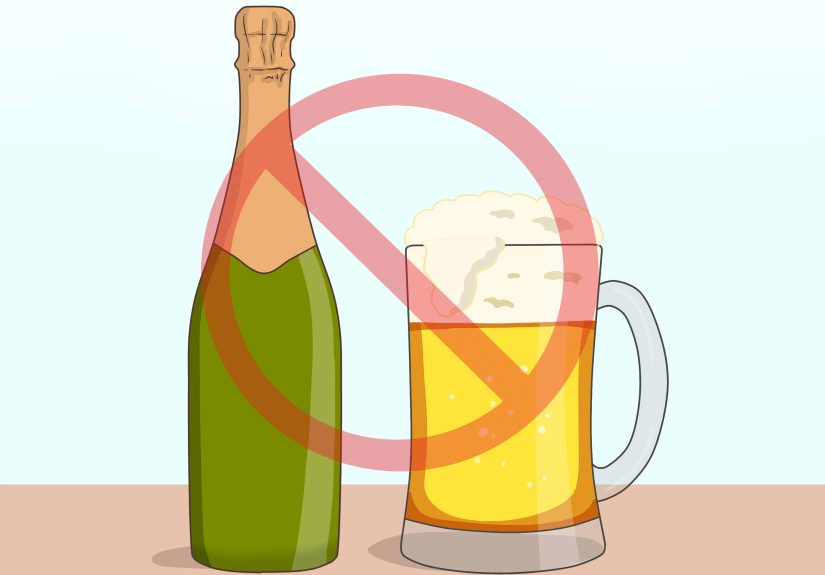
Some evening habits quietly make dry mouth worse. Alcohol can dry the mouth and may also worsen snoring or sleep-disordered breathing. Caffeine can contribute to dryness in some people, especially when consumed late in the day. Tobacco products are also strongly linked with oral dryness and irritation.
If you regularly wake up with dry mouth, try a one-week experiment: skip alcohol close to bedtime, avoid late caffeine, and drink water earlier in the day. If your mornings improve, your mouth has just handed you a very polite performance review.
2. Breathe Through Your Nose Whenever Possible
Mouth breathing is one of the most common reasons people wake up with dry mouth. When you breathe through your nose, air is filtered, warmed, and humidified before it reaches your throat. When you breathe through your mouth, air moves directly across oral tissues, drying them like a tiny overnight leaf blower.
Clear Nasal Congestion Before Bed
If your nose is blocked, your mouth becomes the backup breathing system. Allergies, colds, sinus irritation, a deviated septum, or chronic congestion can all push you toward mouth breathing at night.
Simple steps may help. A saline nasal spray or rinse before bed can loosen mucus and reduce dryness in the nasal passages. A warm shower in the evening may also help open the nose temporarily. If allergies are the issue, washing bedding regularly, reducing dust, keeping pets out of the bedroom, or using an air purifier may reduce nighttime congestion.
Be careful with decongestant sprays. Some are intended only for short-term use and can worsen congestion if used too long. If you rely on them often, talk with a healthcare professional about safer long-term options.
Consider Your Sleep Position
Sleeping flat on your back can make snoring and mouth breathing worse for some people. Side sleeping may help keep the airway more stable and reduce the chance that your mouth falls open. A supportive pillow that keeps your head and neck aligned can also help.
If you suspect your mouth drops open during sleep, do not rush into extreme internet “hacks.” Mouth taping, for example, is not appropriate for everyone and may be risky for people with nasal obstruction, sleep apnea, breathing problems, or reflux. A safer first step is to address nasal congestion and speak with a dentist, physician, or sleep specialist if symptoms continue.
Watch for Signs of Sleep Apnea
Dry mouth while sleeping can sometimes be connected with snoring or obstructive sleep apnea. Sleep apnea is a condition in which breathing repeatedly pauses or becomes shallow during sleep. Signs may include loud snoring, choking or gasping during sleep, morning headaches, daytime sleepiness, difficulty concentrating, and waking with a dry mouth or sore throat.
If you use a CPAP machine and still wake up dry, the cause may be mouth breathing, mask leak, low humidification, or an ill-fitting mask. A heated humidifier, chin strap, mask adjustment, or full-face mask may help, but changes should be made with guidance from a sleep clinician or equipment provider.
Do not ignore severe snoring plus dry mouth. Your mouth may be giving you a clue about your airway, and your airway is not the place to play guessing games.
3. Protect Saliva Flow Before Bed
The third simple way to prevent dry mouth while sleeping is to support saliva and avoid products that dry your mouth before your head hits the pillow. A good bedtime routine can protect your teeth, reduce irritation, and help your mouth feel more comfortable overnight.
Choose Dry-Mouth-Friendly Oral Care Products
Brush with fluoride toothpaste before bed. Fluoride helps protect tooth enamel, which matters because dry mouth increases cavity risk. Floss daily so food particles and plaque do not sit between the teeth overnight. This is especially important when saliva flow is low.
Avoid alcohol-based mouthwash if you are prone to dry mouth. It may feel powerful for thirty seconds, but it can leave your mouth feeling drier afterward. Instead, look for an alcohol-free rinse made for dry mouth. Some products contain moisturizing ingredients or saliva substitutes that help relieve dryness.
If dry mouth is frequent, ask your dentist whether you need extra fluoride protection, prescription-strength toothpaste, fluoride trays, or more frequent dental checkups. Dry mouth is not just a comfort issue; it can be a tooth-protection issue.
Stimulate Saliva Before Sleep
Chewing sugar-free gum or sucking on sugar-free candy earlier in the evening can stimulate saliva flow. Xylitol-containing products may be helpful for some people, but too much xylitol can cause stomach upset, so moderation is wise.
Do not fall asleep with candy, lozenges, or gum in your mouth. That is a choking risk and also not the glamorous bedtime routine your dentist had in mind. Use saliva-stimulating products before bed, then remove them before sleeping.
Review Medications With a Professional
Many medications can contribute to dry mouth, including some medicines used for allergies, colds, depression, anxiety, high blood pressure, pain, and bladder control. Never stop a prescription medication on your own. Instead, ask your healthcare professional whether dry mouth could be a side effect and whether timing, dosage, or an alternative medication might help.
Some people notice worse symptoms when they take drying medications at night. In certain cases, a clinician may suggest taking a medication earlier in the day. This depends on the medication and your health needs, so get personalized advice.
When Dry Mouth While Sleeping Needs Medical Attention
Simple home changes can help many people, but persistent dry mouth should not be brushed off. Contact a dentist or healthcare professional if dry mouth happens most nights, interferes with sleep, causes trouble chewing or swallowing, leads to mouth sores, or comes with burning, cracked lips, thick saliva, frequent cavities, or oral infections.
You should also seek medical advice if dry mouth appears along with increased thirst, frequent urination, unexplained fatigue, dry eyes, joint pain, swollen glands, or symptoms of sleep apnea. These may point to an underlying condition that needs diagnosis and treatment.
In some cases, treatment may include saliva substitutes, prescription saliva-stimulating medications, fluoride treatments, medication adjustments, allergy treatment, sleep apnea evaluation, or care for an underlying medical condition. The best solution depends on the cause.
A Simple Nighttime Routine to Prevent Dry Mouth
Here is a practical routine you can try for one week:
- Drink water consistently during the day instead of loading up at bedtime.
- Avoid alcohol, tobacco, and late caffeine in the evening.
- Use a clean humidifier if your bedroom air feels dry.
- Clear nasal congestion with saline spray or a warm shower before bed.
- Brush with fluoride toothpaste and floss before sleeping.
- Use an alcohol-free dry-mouth rinse or saliva substitute if needed.
- Keep water nearby for small sips during the night.
- Call a dentist or doctor if symptoms persist or worsen.
This routine is simple, affordable, and realistic. It does not require turning your bedroom into a medical laboratory or buying every product in the oral care aisle. Start with the basics, track your symptoms, and adjust based on what helps.
Real-Life Experiences: What Nighttime Dry Mouth Feels Like and What Helps
Many people do not take dry mouth seriously at first. They wake up thirsty, drink water, and move on. Then it happens again. And again. Suddenly, the nightstand has three water glasses, a lip balm, a mysterious cough drop wrapper, and the energy of a tiny emergency room.
One common experience is the “morning cottonmouth” pattern. A person goes to bed feeling fine but wakes up with a sticky tongue, dry lips, and breath that could politely be described as “not ready for conversation.” In many cases, they discover they have been sleeping with their mouth open because of nasal congestion. Once they start managing allergies, rinsing the nose with saline, washing pillowcases more often, and using a humidifier, the dryness becomes less intense.
Another familiar story involves evening habits. Someone drinks coffee late in the afternoon, has a glass of wine with dinner, snacks on salty chips, and then wonders why their mouth feels like parchment at 5 a.m. When they move caffeine earlier, drink more water during the day, and reduce alcohol close to bedtime, mornings improve. The lesson is not that life must become joyless. It is that the mouth keeps receipts.
People who use CPAP therapy often describe dry mouth as one of the most annoying parts of treatment. They may wake up with air leaking from the mouth or a mask that no longer fits well. For some, adjusting humidifier settings helps. Others need a mask refit, chin strap, or a different mask style. The key experience here is that dry mouth is not a reason to abandon sleep apnea treatment. It is a reason to fine-tune the setup with professional help.
Medication-related dry mouth is also common. A person may start a new allergy medicine or blood pressure medication and notice nighttime dryness within days or weeks. The frustrating part is that the medicine may be necessary and helpful. The solution is not to stop it suddenly, but to ask a clinician about options. Sometimes a small timing change, dose adjustment, or substitute medication can make a major difference.
There is also the dental side of the experience. Some people only realize dry mouth matters after their dentist finds new cavities despite regular brushing. That can feel unfair, like studying for a test and still getting ambushed. But saliva is part of cavity protection. When saliva is low, teeth lose some of their natural defense. Adding fluoride, using dry-mouth rinses, and getting professional dental guidance can help protect enamel.
The most encouraging experience is that small changes often stack together. A humidifier alone may help a little. Better hydration may help a little. Nasal breathing support may help a lot. Switching to alcohol-free mouthwash may remove one more irritant. Together, these changes can turn “I wake up feeling like I swallowed sand” into “I still keep water nearby, but I am not desperate for it.” That is progress worth celebrating.
Conclusion
Dry mouth while sleeping is uncomfortable, annoying, and sometimes a warning sign that your mouth, nose, medications, or sleep quality needs attention. The three simplest ways to prevent dry mouth while sleeping are to hydrate smarter and add moisture to your bedroom, improve nasal breathing, and protect saliva flow with dry-mouth-friendly oral care.
Start with practical changes: drink water throughout the day, use a humidifier if the air is dry, avoid alcohol-based mouthwash, manage nasal congestion, brush with fluoride toothpaste, and review medication side effects with a professional. If dry mouth continues, do not just keep collecting water glasses on your nightstand. Talk with a dentist or healthcare provider so you can protect your sleep, your comfort, and your teeth.