Table of Contents >> Show >> Hide
- 1. Aluminum Foil: The DIY Sharpener and Scrubber
- 2. Toothpaste: Mini Cleaning Paste in a Tube
- 3. Coffee Filters: Not Just for Your Morning Brew
- 4. Baking Soda: Deodorizer, Scrub, and Wall Rescue
- 5. White Vinegar: The Pantry MVP Cleaner
- 6. Old Socks: The Surprisingly Perfect Dusting Mitt
- 7. Retired Dish Towels: From Drawer Clutter to Workhorses
- 8. Dryer Sheets: Static Busters with Side Missions
- 9. Magic Eraser-Style Sponges: Detail Cleaners
- 10. Your Hair Dryer: Not Just for Hair
- 11. Your Vacuum: Not Just Floors
- 12. Your Dishwasher: A Hidden Multi-Cleaner
- 13. Lemons: Built-In Cleaning Pods
- 14. Table Salt: The Tiny Scrubber Booster
- 15. Olive or Vegetable Oil: Gentle Polish and Problem Solver
- 16. Newspaper: Old-School, Still Useful
- 17. White Bread: The Gentle “Eraser”
- 18. Rubber Bands: Friction and Fixes Everywhere
- 19. Paper Towel Tubes: Organizers in Disguise
- 20. Kitchen Sponges: Not Just for Dishes
- Real-Life Experiences with Uncommon Household Hacks
- Conclusion
Most of us walk around our homes surrounded by tiny superheroes and don’t
even know it. No capes, no theme musicjust aluminum foil, toothpaste,
coffee filters, and a pile of suspiciously mismatched socks. Used the
usual way, they’re fine. Used creatively, they can save money, cut waste,
and solve annoying little problems you didn’t even know had solutions.
This guide rounds up 20 genuinely uncommon uses for common household
itemsideas backed by real-world cleaning pros, organizing experts, and
home bloggers. Think of it as a crash course in “household item
multitasking,” with practical tips, clear instructions, and a few jokes to
keep things from feeling like a chore chart.
1. Aluminum Foil: The DIY Sharpener and Scrubber
Aluminum foil does more than wrap leftovers. Crumpled into a tight ball,
it becomes a surprisingly effective scrubber for baked-on gunk on metal
cookware and grill grates. Just avoid nonstick surfaces so you don’t
accidentally strip the coating.
Bonus hack: Sharpen dull scissors
Fold a sheet of foil several times until it forms a thick strip, then cut
through it repeatedly. The cutting action helps realign and gently hone
the blades. It’s not a professional sharpening job, but it’s a quick way
to revive a pair of kitchen scissors that’s been struggling with
cardboard boxes and plastic packaging.
2. Toothpaste: Mini Cleaning Paste in a Tube
That minty paste in your bathroom is basically a mild abrasive mixed with
detergents. That’s why many cleaning experts recommend a white, non-gel
toothpaste as a go-to spot cleaner for small jobs around the house.
Unexpected uses for toothpaste
-
Remove shoe scuffs: Rub a tiny dab on rubber soles or
patent leather with a soft cloth, then wipe clean. -
Polish jewelry: Gently buff dull metal (not soft
gemstones or pearls) and rinse thoroughly. -
Soothe minor bug bites: Some people find the cooling,
drying effect of toothpaste calms itchiness on small, non-serious bites.
(Skip broken skin and always stop if it irritates your skin.)
Always test toothpaste on a hidden area firstits abrasiveness can be too
strong for delicate finishes.
3. Coffee Filters: Not Just for Your Morning Brew
Coffee filters are inexpensive, lint-free, and tougher than they look,
which makes them perfect for delicate cleaning tasks.
Smart ways to reuse coffee filters
-
Screen and lens cleaner: Use them to wipe dust off TV
screens, phone screens, and camera lenses without leaving fuzz behind. -
Snack bowls: Use a clean filter as a disposable bowl
for popcorn, crackers, or nutsespecially handy with kids. -
Nonstick plate dividers: Place filters between stacked
plates or pans to prevent scratches during storage or moving.
4. Baking Soda: Deodorizer, Scrub, and Wall Rescue
Baking soda works as a gentle, alkaline cleaner that neutralizes odors and
lifts stains, which is why it keeps showing up in cleaning guides.
Uncommon ways to use baking soda
-
Erase wall marks: Make a thin paste with warm water,
dip a soft sponge, and gently rub over scuffs and fingerprints on
painted walls, then wipe with clean water. -
Freshen mattresses and rugs: Sprinkle lightly, let sit
15–30 minutes, then vacuum to reduce odors. -
De-stink drains: Pour baking soda followed by warm
vinegar, let fizz, then flush with hot water to help control smells.
5. White Vinegar: The Pantry MVP Cleaner
Distilled white vinegar is essentially a mild acid that dissolves mineral
deposits, soap scum, and certain residues. That’s why so many natural
cleaning recipes start with it.
Unexpected vinegar uses
-
DIY fabric softener: Add a small amount (about half a
cup in a large load) to the rinse cycle to help soften fabrics and
reduce detergent residue. -
Showerhead rescue: Fill a bag with vinegar, tie it
around a clogged showerhead, and soak for a few hours to dissolve
mineral buildup. -
Glass and mirror cleaner: Mix vinegar and water in a
spray bottle for streak-free shine without strong chemical smells.
6. Old Socks: The Surprisingly Perfect Dusting Mitt
Instead of tossing that lonely sock, slide it on your hand and put it back
to work.
Creative ways to reuse socks
-
Dusting tool: Run your “sock mitt” along blinds, baseboards,
and ceiling fan blades. Add a bit of multipurpose cleaner if needed. -
Chair leg covers: Cut off the ribbed section and slip it
over chair and stool legs to prevent scratching hard floors. -
DIY hot/cold pack: Fill a clean sock with dry rice,
tie it off, then microwave briefly for a reusable heat pack (or freeze
for a cold pack).
7. Retired Dish Towels: From Drawer Clutter to Workhorses
When dish towels are too stained or worn for prime-time kitchen duty,
they’re often perfect for second careers.
How to give dish towels a second life
-
Reusable cleaning rags: Cut them into quarters for
dusting, scrubbing sinks, or wiping spills. -
No-sew tote bags: With basic stitching or iron-on
adhesive tape, two towels can become a lightweight grocery or toy bag. -
Café curtains: Hang pretty patterned towels on a small
tension rod for an easy, washable window treatment.
8. Dryer Sheets: Static Busters with Side Missions
Even used dryer sheets have enough anti-static residue left to be useful.
Unexpected ways to reuse dryer sheets
-
Dust blinds and baseboards: The sheet’s texture and
coating help grab dust and reduce static so dust doesn’t resettle as
quickly. -
Freshen luggage and drawers: Tuck a sheet into suitcases,
gym bags, or dresser drawers to keep them smelling pleasant. -
Pet hair helper: Lightly wipe fabric surfaces to lift
loose fur before vacuuming.
9. Magic Eraser-Style Sponges: Detail Cleaners
Melamine foam sponges (often sold as Magic Erasers) are micro-abrasive,
which makes them great for stubborn grime when used gently.
Surprising places they shine
-
Shower curtains: Remove soap scum and mildew spots from
vinyl curtains. -
Mug stains: Those permanent-looking tea and coffee rings
inside mugs usually wipe away with a quick scrub. -
Light switches and door frames: Carefully buff off
fingerprints and smudges on frequently touched spots.
Always spot-test firstmelamine can dull glossy paint and delicate
finishes if you scrub too hard.
10. Your Hair Dryer: Not Just for Hair
A hair dryer is basically a small, portable heat gun with a much more
polite user manual.
Creative hair dryer uses
-
Sticker remover: Aim warm air at stubborn labels on
glass or plastic. The adhesive softens, making stickers peel off more
easily. -
Defrost freezer frost: On a safe, unplugged unit, some
people use a hair dryer to gently speed up defrosting, keeping the
airflow away from standing water. -
Wrinkle rescue: Lightly mist a shirt with water, then
blow warm air to relax minor wrinkles when you’re in a hurry.
11. Your Vacuum: Not Just Floors
Most vacuums come with attachments that rarely see the light of day. Time
to change that.
Unexpected areas to vacuum
-
Blinds and curtains: Use the brush attachment to whisk
away dust that likes to cling to fabric and slats. -
Mattresses and pillows: Regular vacuuming helps reduce
dust and debris on these high-contact surfaces. -
Pantry shelves and books: Gently vacuum crumbs from
shelves and dust from book edges to keep pests and allergens down.
12. Your Dishwasher: A Hidden Multi-Cleaner
Many sturdy, non-porous items can safely hitch a ride in the dishwasher
cycleprovided they’re labeled dishwasher-safe and don’t contain wood,
delicate finishes, or electronics.
Unexpected items you can wash
-
Baseball caps: Place on the top rack in a gentle cycle,
letting them air-dry to help preserve shape. -
Plastic toys: Use a mesh bag for small pieces and skip
high-heat settings. -
Fridge bins and organizers: Once label-free and food
residue is rinsed, these can often be cleaned thoroughly in the
dishwasher.
13. Lemons: Built-In Cleaning Pods
Lemons contain citric acid, which helps break down mineral deposits and
greasy residues while leaving a fresh scent.
Fresh ways to clean with lemons
-
Microwave steam clean: Heat lemon slices in a bowl of
water for a few minutes, then wipe down softened splatters inside. -
Cutting board deodorizer: Sprinkle baking soda on a
cutting board and scrub with half a lemon to lift odors and stains. -
Faucet brightener: Rub lemon directly on lime-streaked
fixtures, let sit briefly, then rinse and buff.
14. Table Salt: The Tiny Scrubber Booster
Plain table salt adds mild abrasiveness to your cleaning arsenal, helping
scrub without harsh chemicals.
Unusual ways to use salt
-
Pan scrub: Sprinkle salt into a greasy cast iron (after
cooking) and use a paper towel or scrubber to lift residue before
rinsing and drying. -
Red wine first aid: Blot a spill, then cover with salt
to help draw out liquid before laundering according to fabric care
instructions.
15. Olive or Vegetable Oil: Gentle Polish and Problem Solver
A little bit of oil can condition and protect some surfaces when used
correctly.
Creative ways to use cooking oils
-
Stainless steel shine: After cleaning, buff a few drops
of oil onto stainless steel appliances to reduce fingerprints and add a
soft sheen. -
Unstick a zipper: Lightly dab oil on a cotton swab and
run it along a stuck zipper’s teeth, moving the pull up and down to
distribute.
16. Newspaper: Old-School, Still Useful
Yesterday’s news can still be today’s cleaning tool.
Surprising uses for newspaper
-
Streak-free glass: Many people still swear by
crumpled newspaper and a vinegar solution for shiny windows and
mirrors. -
Shoe and bag deodorizer: Stuff loosely into shoes or
bags to help absorb moisture and odors.
17. White Bread: The Gentle “Eraser”
Soft white bread has been used for centuries as a gentle blotter for
delicate surfaces.
Unexpected bread hacks
-
Pick up tiny glass shards: After carefully removing
bigger pieces, press a slice of bread over the area to grab minuscule
slivers you might miss with a broom. Dispose of it safely. -
Dust delicate surfaces: On some art and ornate objects,
lightly dabbing with soft bread can lift dust without scratching. (Only
on sturdy finishesnever on valuable antiques without expert advice.)
18. Rubber Bands: Friction and Fixes Everywhere
Rubber bands are tiny elastic problem-solvers, especially when it comes to
grip and organization.
Handy rubber band tricks
-
Jar opener: Wrap a thick band around a stubborn lid to
add grip and make twisting easier. -
Spoon stopper: Loop a band around the handle near the
bowl so it catches on the pot rim, keeping the spoon from slipping in. -
Cable tamer: Bundle chargers, headphones, and small
cords neatly with a few bands.
19. Paper Towel Tubes: Organizers in Disguise
The cardboard tube inside paper towels and toilet paper doesn’t have to go
straight in the recycling bin.
Unexpected ways to use cardboard tubes
-
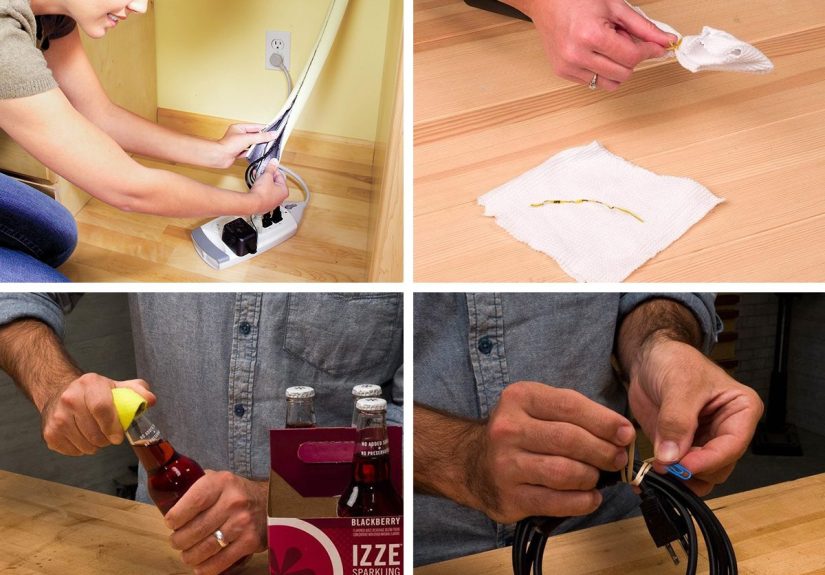
Cord storage: Coil extension cords or holiday lights and
slide them into tubes to prevent tangling. -
Drawer dividers: Cut tubes into smaller sections and
stand them upright in a drawer to corral pens, makeup brushes, or craft
tools. -
Plastic bag holder: Stuff clean grocery bags into a
tube and pull them out from one end as needed.
20. Kitchen Sponges: Not Just for Dishes
New, unused sponges (or thoroughly disinfected ones) can do a lot more
than scrub plates.
Creative sponge uses
-
Plant watering helper: Place a clean sponge at the
bottom of a pot before adding soil. It helps hold extra moisture and
reduces mess from runoff. -
Fridge drip catcher: Place a sponge in produce drawers
to absorb extra moisture and keep things tidyjust replace or wash it
regularly. -
Ice pack alternative: Soak a sponge in water, seal it in
a bag, and freeze. As it melts, it won’t drip everywhere.
Real-Life Experiences with Uncommon Household Hacks
Using common household items in uncommon ways feels a bit like unlocking a
cheat code for adult life. Most people stumble into their first hack by
accident: maybe they tried using a lemon when they ran out of cleaner or
grabbed an old sock when they couldn’t find a microfiber cloth. The win is
so satisfying that they start to look around the house differently, asking
“What else can I use this for?”
Take aluminum foil, for example. Once you’ve used it to sharpen dull
scissors, you might notice you’re less likely to toss a pair into the
trash. Someone dealing with sticky grill grates might crumble up a used
sheet of foil and realize it scrubs away burnt bits in minutes. Over time,
small discoveries like this can slowly shift your mindset from “buy
something new” to “reuse what I have,” which is easier on both your
budget and the planet.
Parents often become masters of the “uncommon use.” Coffee filters turn
into snack bowls at the park. Old socks become puppet-making kits on a
rainy afternoon. A dishwasher might double as a sanitizing station for
bath toys after a long week. These little repurposing wins don’t just save
moneythey reduce clutter by keeping fewer single-purpose gadgets in the
house.
People dealing with limited space, like apartment dwellers or students, say
that hacks like using cardboard tubes for cord storage or socks for
dusting make a big difference. When every drawer counts, turning “trash”
into smart storage solutions feels especially satisfying. It also lowers
the barrier to staying organized. If your extension cord always has a
dedicated tube, you’re much more likely to put it away neatly instead of
stuffing it into the nearest corner.
There’s also a psychological boost to these tricks. Repurposing shows you
that you’re resourceful, not just thrifty. Fixing a small problem with
what you already have can feel more rewarding than simply buying another
product. Over time, you start to trust your creativity more. You learn to
spot patterns: if baking soda works on odors in the fridge, why not try it
on smelly shoes? If vinegar cuts through hard water on the showerhead,
maybe it can help the kettle, too.
Of course, not every hack is a home run. Some ideas you see online may be
too aggressive for delicate finishes, or just not practical for your
household. That’s where common sense and small tests come in. Trying a
cleaner on a hidden spot first, reading product labels, and understanding
the basic “why” behind each hack helps you filter the clever from the
risky. The goal is to make life easier, not add more problems.
Over time, your home becomes a kind of personal lab. You learn which
surfaces tolerate Magic Erasers, which stains respond best to salt, and
which fabrics love (or hate) vinegar in the wash. And while you may still
buy specialized cleaners and tools for big jobs, you’ll have a reliable
backup system made from items already sitting in your pantry and
junk drawer. That’s the real power behind uncommon uses for common
household itemsyou’re not just saving money, you’re building a flexible,
resilient way of running your home.
Conclusion
Common household items are more versatile than their original packaging
suggests. With a little creativity and basic knowledge, aluminum foil
becomes a sharpener, coffee filters become lens wipes, and old socks turn
into dusting mitts. These simple shifts reduce waste, stretch your budget,
and make everyday chores feel a bit more like clever life experiments than
boring obligations.
Start with just one or two of the ideas abovemaybe a baking soda wall
rescue or a dishwasher toy clean-upand see how they work in your own
space. Once you get comfortable reimagining what everyday objects can do,
you’ll never look at a “basic” household item the same way again.