Table of Contents >> Show >> Hide
- What “Off-Grid” Really Means (and What It Doesn’t)
- 16 Practical Ways to Go Off-Grid Without Going Off the Rails
- 1) Pick Land Like You’re Buying a Power Plant Site (Because You Are)
- 2) Research Zoning, Permits, and Local Health Rules Early
- 3) Do a Real Energy Audit (Not a Vibes-Based One)
- 4) Use Solar as Your Workhorse (and Batteries as Your Night Shift)
- 5) Add Backup PowerSafely
- 6) Treat Heating Like a System: Insulation First, Heat Source Second
- 7) Secure Water: Well, Rainwater, or DeliveredThen Plan for Drought
- 8) Treat and Test Your Water Like You Actually Want to Keep Living
- 9) Handle Wastewater with a Legal, Maintainable Plan
- 10) Consider a Composting Toilet to Reduce Water Use and Simplify Plumbing
- 11) Reuse Greywater (If Allowed) to Stretch Water Supplies
- 12) Grow Some Food, Even If It’s Just “Salad Insurance”
- 13) Learn Food Preservation (Because Freezers Are Power-Hungry Drama Queens)
- 14) Build a “Spare Parts Pantry” for Your Home Systems
- 15) Plan Communications: Internet, Weather Alerts, and Backups
- 16) Treat Community and Skills as Core Infrastructure
- Common Mistakes That Make People Quit (So You Don’t)
- of Off-Grid Experiences: What People Learn the Hard Way
- Conclusion
Going off-grid sounds romantic until you realize the grid is basically the world’s most reliable roommate: it pays the electric bill, brings water to the party, and quietly hauls your “flushable” mistakes far away. When you move off the grid, you don’t lose those needsyou inherit them. The good news? With the right systems, off-grid living can be comfortable, practical, and weirdly satisfying (like baking bread you didn’t technically need to bake, but now you’re emotionally attached to it).
What “Off-Grid” Really Means (and What It Doesn’t)
“Off-grid” usually means your home isn’t connected to the public power gridand often implies some level of self-sufficiency for water, wastewater, heating, and sometimes food. It does not mean “no rules,” “no maintenance,” or “I can ignore physics.” You’ll still have bills (property taxes are loyal like that), and you’ll still need to follow local codes, zoning rules, and health regulations. Think of off-grid living as a design challenge: build a small, resilient utility company… that also needs to do laundry.
16 Practical Ways to Go Off-Grid Without Going Off the Rails
1) Pick Land Like You’re Buying a Power Plant Site (Because You Are)
Before you fall in love with the view, evaluate the basics: solar exposure, access roads, wildfire and flood risk, winter conditions, and how far you are from emergency services. A shaded “fairy forest” can be gorgeousbut trees and solar panels have a complicated relationship. Also, steep driveways plus snow equals “unexpected cardio.” Aim for a site that makes your energy, water, and building plans easiernot harder.
2) Research Zoning, Permits, and Local Health Rules Early
Off-grid dreams often crash into paperwork. Some areas regulate minimum home size, RV living, composting toilets, rainwater collection, and greywater reuse. Your county or municipality can also have requirements for septic systems, wells, and building inspections. Treat this step like a first date: ask the awkward questions now so you don’t discover deal-breakers later.
3) Do a Real Energy Audit (Not a Vibes-Based One)
Your off-grid power system shouldn’t be sized by “I think I’m low-maintenance.” Make a list of your loads: fridge, well pump, lights, internet gear, laptops, laundry, HVAC, and the surprise villainelectric cooking. Off-grid success usually comes from reducing demand first (efficient appliances, LED lighting, better insulation) and then building supply to match.
4) Use Solar as Your Workhorse (and Batteries as Your Night Shift)
Solar photovoltaic (PV) systems convert sunlight into electricity, and batteries store energy for evenings, storms, and “why is it cloudy for four straight days” moments. A well-designed setup includes panels, charge controller/inverter equipment, and battery storage sized to your daily needs and your local weather patterns. If you want a calm off-grid life, build for the worst weeknot the best day.
5) Add Backup PowerSafely
Many off-grid homes include a backup generator for extended bad weather or heavy seasonal loads. The key word is safely. Generators produce carbon monoxide (CO), which can kill without warning. Use them outdoors, far from doors, windows, and vents, and pair them with battery-powered CO detectors. Backup power is great. Accidentally turning your cabin into a gas chamber is not.
6) Treat Heating Like a System: Insulation First, Heat Source Second
The cheapest energy is the energy you don’t need. Weather-sealing, insulation, efficient windows, and smart layout reduce your heating load dramatically. For heat sources, many off-grid households use wood stoves or propane. If you go the wood route, follow clearance and chimney safety standards and keep up with chimney maintenance to reduce fire risk. A cozy cabin is delightful. A chimney fire is an expensive plot twist.
7) Secure Water: Well, Rainwater, or DeliveredThen Plan for Drought
Off-grid water is all about redundancy. A private well can be excellent if groundwater is reliable, but drilling and pumping require power and ongoing maintenance. Rainwater harvesting can supplement or supply water in some areas, but water quality depends on your roof surface, storage, and treatment. In drought-prone regions, consider storage capacity and alternative sourcesbecause “hoping it rains” isn’t a water strategy.
8) Treat and Test Your Water Like You Actually Want to Keep Living
If you use a private well, test regularly for basic contaminants and anything common to your area (your local health department or extension office can help). For harvested rainwater or uncertain sources, use appropriate filtration and disinfectionboiling or chemical disinfection can help in emergencies, but it won’t remove fuel or toxic chemicals. Clean water is the cornerstone of off-grid health; don’t wing it.
9) Handle Wastewater with a Legal, Maintainable Plan
If you’re not on municipal sewer, you’ll typically need a septic system or other approved onsite wastewater treatment. Septic systems aren’t “install and forget.” They need inspection, pumping, water-efficient habits, and drainfield protection. Plan for location, soil type, and setbacksbecause the only thing worse than septic failure is learning about it during a holiday weekend.
10) Consider a Composting Toilet to Reduce Water Use and Simplify Plumbing
Composting toilets can reduce water demand and wastewater volumeespecially helpful where water is scarce or septic installation is challenging. But they require correct sizing, ventilation, and responsible handling of end products in accordance with local rules. The best composting toilet is the one you maintain properly. The worst composting toilet becomes a horror story your friends won’t let you forget.
11) Reuse Greywater (If Allowed) to Stretch Water Supplies
Greywateroften from showers, bathroom sinks, and laundrycan sometimes be reused for irrigation or other non-potable purposes where regulations allow. Done wrong, it creates health risks and smells that will make you question every life choice that led you here. If you pursue greywater, follow local guidelines, keep systems simple, and avoid storing untreated greywater.
12) Grow Some Food, Even If It’s Just “Salad Insurance”
You don’t need a full homestead on day one. Start with hardy, high-return crops and a compost plan that improves soil over time. Raised beds can help in rocky or poor soil. Perennials (berries, herbs) are the long-game champions. A small garden reduces grocery dependence and gives you a backup plan when roads are icy, washed out, or just too annoying to drive.
13) Learn Food Preservation (Because Freezers Are Power-Hungry Drama Queens)
Freezers are useful, but off-grid living rewards shelf-stable skills: pressure canning, dehydrating, fermenting, and root-cellaring. If you can foods at home, use tested methodsespecially for low-acid foods, which require pressure canning to reduce botulism risk. Preservation isn’t just old-fashioned; it’s resilience you can eat.
14) Build a “Spare Parts Pantry” for Your Home Systems
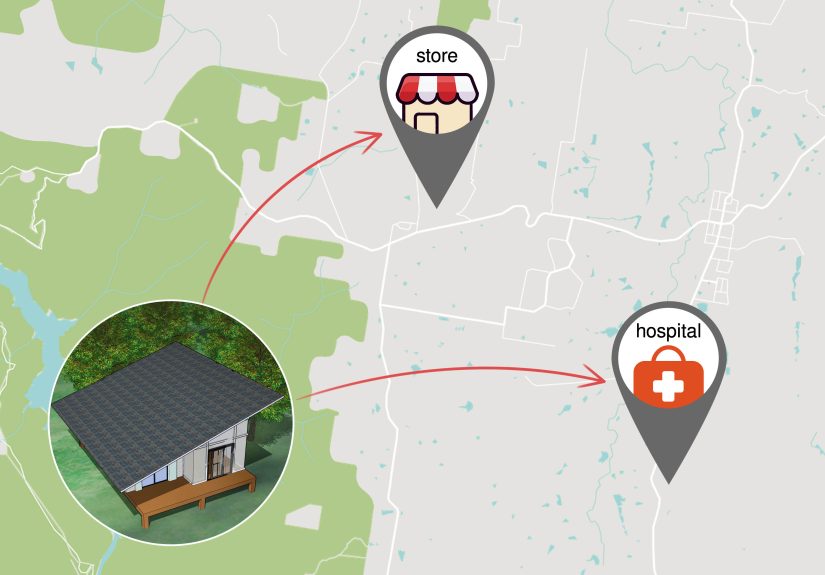
Off-grid living means your nearest hardware store might be “an hour away” on a good day and “a whole quest” on a bad one. Stock essentials: water filters, fuses, electrical connectors, plumbing fittings, pump components, sealants, batteries for detectors, and basic tool backups. When something fails at 10 p.m., you’ll be thrilled you planned like an adult.
15) Plan Communications: Internet, Weather Alerts, and Backups
Off-grid doesn’t have to mean off-email. Many people use satellite internet, fixed wireless, or cellular hotspots (with boosters where coverage is weak). Add backup power for your modem/router so you can still communicate during storms. Also consider NOAA weather alerts or local emergency info sourcesbecause “surprise blizzard” should never be a surprise.
16) Treat Community and Skills as Core Infrastructure
Off-grid success often depends on neighbor networks: borrowing equipment, sharing labor, swapping knowledge, and getting help when things go sideways. Learn practical skills (basic electrical safety, plumbing fixes, chainsaw safety, first aid) and trade what you’re good at. Self-sufficiency is great, but “mutual aid” is how people stay off-grid long-term without burning out.
Common Mistakes That Make People Quit (So You Don’t)
- Underbuilding storage: Batteries, water tanks, and pantry space are boring until they save you.
- Ignoring maintenance schedules: Septic pumping, chimney cleaning, filter changes, and battery care aren’t optional.
- Overcomplicating systems: Simple systems are easier to fix when you’re tired, cold, and holding a flashlight in your teeth.
- Not planning for seasons: Summer solar output and winter solar output are not the same universe.
- Skipping safety: CO detectors, fire extinguishers, and safe food/water practices matter more off-grid, not less.
of Off-Grid Experiences: What People Learn the Hard Way
Ask anyone who’s lived off-grid for a while and you’ll hear a familiar theme: the first year is mostly “systems onboarding,” except the system is your house and the training modules are weather events. In the beginning, people tend to fixate on the big shiny piecessolar panels, batteries, maybe a wood stove that looks like it belongs in a magazine spread. Then reality politely taps them on the shoulder with the small stuff: a clogged sediment filter, a weird inverter error code, or a water pump that suddenly sounds like it’s auditioning for a horror movie.
A common lesson is that energy is emotional. On-grid, you don’t think twice about running the dishwasher, charging tools, and baking banana bread because you saw one (1) ripe banana. Off-grid, you start timing loads: laundry when the sun is high, power tools when the batteries are full, and cooking choices that won’t quietly devour your stored energy. Many off-gridders say the lifestyle makes them more mindfulnot in an incense-and-mantras way, but in a “Do I really need to toast a bagel with 1,200 watts?” way.
Water also changes how you think. People who move from city water to wells or rainwater systems often describe a new respect for filtration, storage, and testing. After the first muddy spring runoff or a storm that drops debris onto a roof catchment, “clear” stops being the same thing as “safe.” Off-grid households often develop routines: quick visual checks, scheduled filter swaps, and periodic testingbecause stomach bugs are a terrible hobby.
Then there’s the weather. Snow teaches solar humility. Heat teaches battery humility. Wind teaches “secure literally everything.” Many people report that redundancy becomes their love language: a backup heat plan, a backup water plan, spare parts, and a shelf of shelf-stable food that quietly says, “I can wait out a week of nonsense.” When a storm knocks out access roads, you don’t want to realize your pantry strategy was “drive to town and hope.”
The most surprising experience people mention is social, not technical. Off-grid living can be peaceful, but it can also be isolating. Successful off-gridders often cultivate communityneighbors who can plow a driveway, lend a tool, or help troubleshoot a system you’re too tired to think through. Over time, many say the goal shifts from “total independence” to “well-designed interdependence.”
Finally, there’s the quiet pride. Once the systems are dialed in, daily life feels smoother: lights stay on because you built them that way, water runs because you planned it, and dinner tastes better because you worked for the whole chainfrom energy to cooking to cleanup. Off-grid living isn’t always easy, but for many, it’s deeply satisfying: less autopilot, more intention, and a stronger sense that you can handle what comes next.
Conclusion
Living off the grid is less about escaping society and more about mastering a few key systems: power, water, waste, heat, food, and safety. Start with the fundamentals (legal research, energy reduction, water security), keep systems simple and maintainable, and build redundancy like it’s your jobbecause it kind of is. Do that, and off-grid life can be comfortable, resilient, and surprisingly fun… once you stop arguing with your battery bank like it’s a moody teenager.