Table of Contents >> Show >> Hide
- Peppermint Tea vs. Peppermint Extracts: Why the Difference Matters
- 1. It May Help Ease Irritable Bowel Syndrome Symptoms
- 2. It May Reduce Bloating and That “Why Are My Pants Negotiating With Me?” Feeling
- 3. It Can Help Relax Digestive Tract Spasms
- 4. It May Relieve Indigestion and Functional Dyspepsia
- 5. It May Help Some Types of Nausea
- 6. Topical Peppermint Oil May Help Relieve Tension Headaches
- 7. It May Make Breathing Feel Easier When You Are Congested
- 8. It Provides Antioxidant Compounds
- 9. Peppermint Shows Antimicrobial Activity
- 10. It May Support Fresher Breath and Oral Comfort
- 11. Peppermint Aroma May Support Alertness and Memory
- 12. Peppermint Tea Is a Caffeine-Free, Digestive-Friendly Hydration Option
- How to Use Peppermint Tea and Extracts Safely
- Bottom Line
- Real-Life Experiences With Peppermint Tea and Extracts
Peppermint has been playing the overachiever for centuries. It freshens breath, shows up in gum, stars in holiday desserts, and somehow still finds time to moonlight as a wellness favorite. But when you strip away the cozy mug aesthetic and the “natural remedy” hype, what does science actually say about peppermint tea and peppermint extracts?
The short answer: quite a bit, with an important catch. The best research is not evenly spread across every peppermint product. Some benefits are tied mostly to enteric-coated peppermint oil capsules, others to topical peppermint oil, and a few are more reasonably associated with peppermint tea itself. In other words, a soothing cup of tea and a concentrated extract are cousins, not twins.
That said, peppermint still earns its reputation. From easing irritable bowel syndrome symptoms to helping some people feel less stuffed up during a cold, peppermint has more going on than just a pleasant smell and a dramatic entrance. Here are 12 science-backed benefits of peppermint tea and extracts, plus how to use them wisely without turning your kitchen into an unofficial apothecary.
Peppermint Tea vs. Peppermint Extracts: Why the Difference Matters
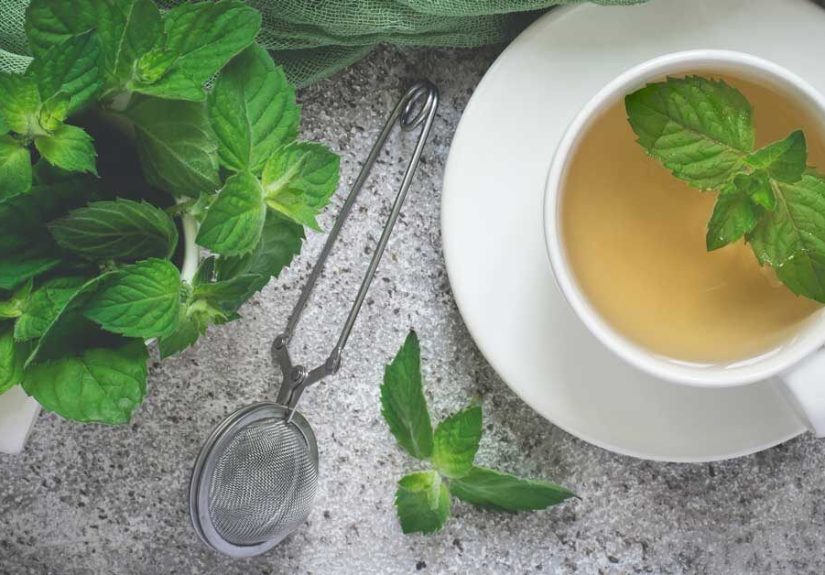
Peppermint tea is made by steeping dried or fresh peppermint leaves in hot water. It is gentle, caffeine-free, and lower in active compounds than concentrated products. Peppermint extracts and peppermint oil are stronger and more likely to show up in clinical studies, especially when researchers are looking at digestion, headaches, or nausea. So when you read that “peppermint works,” it often means the evidence is strongest for a specific preparation, dose, or delivery method.
1. It May Help Ease Irritable Bowel Syndrome Symptoms
If peppermint had a résumé, “IBS support” would be bolded, underlined, and probably wearing a gold star. The best human evidence suggests that enteric-coated peppermint oil can improve overall symptoms of irritable bowel syndrome, especially abdominal pain. Researchers think peppermint helps relax smooth muscle in the digestive tract, which may reduce cramping and discomfort.
Peppermint tea is not identical to an enteric-coated capsule, so it should not be treated as a one-to-one substitute. Still, many people with mild digestive tension find a warm cup of peppermint tea soothing, especially after meals. For IBS, though, the strongest science belongs to the oil capsules, not the teacup.
2. It May Reduce Bloating and That “Why Are My Pants Negotiating With Me?” Feeling
Bloating is one of those symptoms that sounds harmless until you are living it. Peppermint appears to help by calming intestinal spasms and making the digestive tract a little less dramatic. That is one reason peppermint oil is often discussed as a supportive option for bloating associated with IBS and similar functional gut complaints.
Peppermint tea may be especially appealing here because it combines warmth, fluid, and a gentle minty profile that many people tolerate well. It is not a miracle eraser for every swollen-belly day, but when bloating is tied to sluggish digestion or mild gut spasm, peppermint can feel like a well-timed peace treaty.
3. It Can Help Relax Digestive Tract Spasms
One of peppermint’s most studied actions is its ability to relax smooth muscle. That matters because a jumpy, twitchy digestive tract can contribute to cramping, pain, and a general sense that your stomach has chosen chaos. Peppermint oil has even been studied for reducing spasms during certain gastrointestinal procedures.
This smooth-muscle effect is one reason peppermint shows up so often in conversations about stomach discomfort. Think of it less as a bulldozer and more as a skilled traffic officer: it does not “cure” digestion, but it may help things flow with less drama.
4. It May Relieve Indigestion and Functional Dyspepsia
Functional dyspepsia is the medical term for recurring indigestion without a clear structural cause. Symptoms can include upper belly discomfort, fullness after eating, and that charming sensation that lunch is still holding a grudge. Research suggests peppermint, especially in combination with caraway oil, may improve these symptoms in some people.
Peppermint tea may offer lighter support after a heavy meal, particularly if you feel overfull or mildly queasy. Just do not confuse “gentle comfort” with “clinical treatment.” If indigestion is frequent, intense, or paired with reflux, it is worth getting real medical guidance instead of asking mint to do all the emotional labor.
5. It May Help Some Types of Nausea
Peppermint is a common go-to when the stomach starts acting suspicious. Some research suggests peppermint oil or inhaled peppermint may reduce nausea in certain settings, including chemotherapy-related nausea. Other settings show more mixed results, so this is not a universal slam dunk, but there is enough evidence to call the benefit real and promising.
For everyday life, peppermint tea is often used when the stomach feels unsettled after travel, stress, or a questionable lunch decision. It is soothing, easy to sip, and usually gentler than strong extracts. That alone can make it useful when your stomach prefers diplomacy over intensity.
6. Topical Peppermint Oil May Help Relieve Tension Headaches
Peppermint does not just show up for the stomach. Topical peppermint oil has been studied for tension-type headaches, and some evidence suggests it may help reduce pain when applied appropriately to the forehead or temples. The cooling sensation of menthol seems to play a role, along with possible muscle-relaxing effects.
This is one of the clearest examples of why form matters. Drinking peppermint tea may be lovely when you have a headache, but the clinical evidence here is tied to topical use, not sipping a mug. Translation: tea can be comforting, but it is not the same as a peppermint roll-on.
7. It May Make Breathing Feel Easier When You Are Congested
Peppermint is famous for that nose-opening sensation that makes you feel like you suddenly upgraded your airways. Science suggests menthol can create a stronger subjective sensation of airflow, even when it does not actually shrink swollen nasal tissue. In plain English: you may feel less stuffy, even if your nose has not technically changed its mind.
That is still useful. During a cold, flu, or allergy flare, peppermint tea can feel comforting on the throat while the menthol aroma gives you that “finally, a breeze” effect. It is symptom relief, not a cure, but anyone who has tried to sleep with congestion knows that perceived relief still counts.
8. It Provides Antioxidant Compounds
Peppermint contains plant compounds with antioxidant activity, including phenolics and flavonoids. Antioxidants help neutralize unstable molecules known as free radicals, which are associated with cellular damage. Now, before peppermint gets cast as a leafy superhero, remember that antioxidant activity in a lab does not automatically translate into dramatic human health outcomes.
Still, peppermint tea fits nicely into an overall antioxidant-rich eating pattern. It is a smart swap for sugary drinks, and it gives you a little more than just hot flavored water. Not a miracle. Not magic. But definitely more than mint-scented steam with good PR.
9. Peppermint Shows Antimicrobial Activity
Laboratory studies suggest peppermint oil has antimicrobial properties against certain bacteria and fungi. That helps explain why peppermint has been used in everything from oral care products to topical preparations. It also helps explain why peppermint smells like the type of plant that would win an argument with germs.
That said, most of this evidence is preclinical. A petri dish is not the same as the human body, and your mug of peppermint tea is not a sterilization device. Still, the antimicrobial profile adds to peppermint’s practical appeal and supports its long-standing role in supportive health products.
10. It May Support Fresher Breath and Oral Comfort
This benefit is the least surprising thing peppermint has ever done. Peppermint has long been used in toothpaste, gum, mouthwash, and breath fresheners for a reason. Beyond simply masking odor, essential oil blends containing peppermint have shown promise in reducing mouth malodor and volatile sulfur compounds in some studies.
Peppermint tea will not replace brushing, flossing, or actual dental care, but it can leave the mouth feeling cleaner and fresher than many sweet drinks. Peppermint’s cooling sensation also makes it a popular ingredient in oral care products designed for comfort and freshness.
11. Peppermint Aroma May Support Alertness and Memory
Here is where peppermint gets weirdly ambitious: some studies suggest peppermint aroma may improve aspects of alertness, attention, or memory performance. The findings are not uniform across every study or every task, but the signal is interesting enough to take seriously. Peppermint seems to be more “wake up and focus” than “curl up and nap.”
This does not mean peppermint tea turns you into a productivity machine by sip number three. But the aroma itself may offer a subtle mental lift, which could explain why so many people reach for mint when they need to feel a little less foggy and a little more functional.
12. Peppermint Tea Is a Caffeine-Free, Digestive-Friendly Hydration Option
Not every benefit has to involve a dramatic molecular monologue. Peppermint tea is naturally caffeine-free, easy to drink, and often gentler on sensitive stomachs than coffee or heavily sweetened beverages. That makes it a useful option for people who want a warm drink without extra caffeine, especially later in the day.
For some people, the real win is behavioral: peppermint tea can replace soda, sugary coffee drinks, or late-night caffeine while still feeling like a treat. That makes it easier to stay hydrated and build a calmer routine. Sometimes the healthiest habit is the one you actually enjoy enough to repeat.
How to Use Peppermint Tea and Extracts Safely
Peppermint may be natural, but so are poison ivy and mosquitoes, so let us stay grounded. Peppermint tea is generally considered safe for most healthy adults in normal amounts. Concentrated peppermint oil and extracts require more caution. They can cause heartburn, reflux, nausea, abdominal discomfort, or skin irritation, depending on the product and how it is used.
If you have GERD, a hiatal hernia, gallbladder issues, or gallstones, peppermint may not be your best friend. Concentrated peppermint oil can also interact with certain medications. And peppermint oil should never be used casually around infants or young children, especially near the face, because menthol can be risky for breathing. If symptoms are frequent or severe, talk to a healthcare professional instead of treating your tea cabinet like an emergency room.
Bottom Line
Peppermint deserves more respect than its usual role as “the thing in gum.” The evidence is strongest for digestive relief, especially IBS-related symptoms, and there is also meaningful support for nausea relief, topical headache care, perceived nasal openness, and a few other practical uses. At the same time, the science is not identical for every form. Peppermint tea is gentle and useful; peppermint extracts and oils are stronger and often more studied. The smartest approach is simple: enjoy the tea, respect the extracts, and let peppermint be helpful without expecting it to perform wizardry.
Real-Life Experiences With Peppermint Tea and Extracts
In real life, peppermint tends to earn its fans in small, memorable moments rather than grand cinematic transformations. It is the cup people reach for after a dinner that was delicious but maybe a little too enthusiastic. It is the tea that gets brewed when someone says, “My stomach feels off,” and everyone in the room instantly knows which box to grab. The experience is usually gentle. Within twenty or thirty minutes, some people describe feeling less tight, less gassy, and less like their abdomen is trying to audition for a balloon animal contest.
For people who deal with recurring digestive issues, peppermint often becomes part of a routine rather than a one-time fix. They may drink a mug after heavy meals, keep peppermint capsules on hand when traveling, or use it during stressful weeks when their gut seems to react to every email, deadline, and mildly confrontational group chat. What they often report is not a dramatic “cure,” but a lowering of the volume. The cramps are not as sharp. The bloating feels less aggressive. The stomach settles down enough to let them move on with the day instead of negotiating with it.
Headache users describe a different kind of peppermint experience. With topical peppermint oil, the first thing they notice is the cooling sensation. It is immediate, brisk, and not remotely shy. Some people love that fresh, clarifying feeling on the temples or forehead, especially when a tension headache makes them feel as if they are wearing an invisible helmet two sizes too small. Others say the scent alone feels mentally refreshing, like opening a window inside their brain. Again, this is not magic. But when it works, people often describe a sense of relief that feels clean, simple, and pleasantly low-tech.
Then there is the classic cold-and-congestion moment. Peppermint tea does not actually bulldoze a blocked nose open, but many people swear it helps them feel less stuffed up. The warm steam, the sharp menthol aroma, and the soothing heat on the throat create a kind of full-sensory comfort package. On sick days, that matters. Even if the effect is partly perceptual, the experience can make breathing feel easier, resting feel more possible, and misery feel slightly less in charge.
Of course, not every peppermint story is glowing. Some people find that peppermint tea feels wonderful on the stomach but terrible for reflux. Others love the smell but find concentrated oils too strong. That is part of the real-world truth, too. Peppermint works best when people match the product to the problem: tea for gentle digestive comfort and a calming ritual, capsules for specific gut issues under guidance, and topical products for targeted relief. In everyday life, peppermint shines not because it does everything, but because it does a few things surprisingly well.