Table of Contents >> Show >> Hide
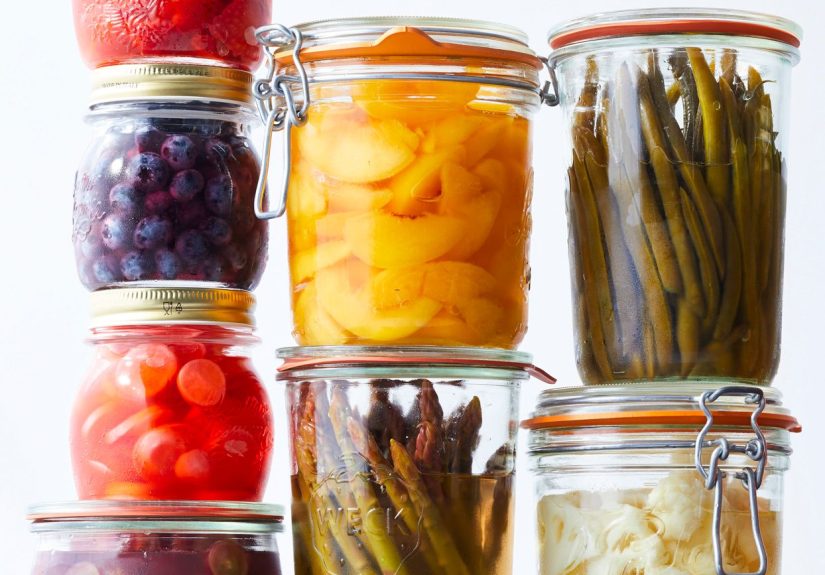
If your idea of pickling begins and ends with a deli spear wedged next to a sandwich, it is time for a very tasty intervention. Cucumbers may be the headline act, but they are hardly the only produce that loves a vinegary glow-up. In fact, once you start pickling onions, carrots, beets, radishes, fruit, and even watermelon rind, your refrigerator begins to look less like a fridge and more like a flavor laboratory with excellent snacking options.
The beauty of pickling is that it can do several jobs at once. It stretches seasonal produce, adds bright acidity to rich foods, reduces waste, and turns vegetables that were one day away from becoming “aspirational compost” into something punchy and useful. A good pickle can rescue a grain bowl, wake up a taco, sharpen a cheese board, and make leftovers feel like a deliberate lunch choice instead of a sad little reheating event.
This guide rounds up 11 pickling recipes that go way beyond cucumbers, with ideas inspired by classic American test-kitchen wisdom, home preserving guidance, and modern food media. The focus here is on refrigerator-style inspiration and flavor combinations, so you can think beyond the jarred pickle chip and start treating pickling as one of the easiest ways to make food more interesting.
Why pickles work on more than cucumbers
Pickling succeeds when an ingredient has enough structure to stay appealing after a soak in brine. That is why crisp vegetables and sturdy fruits are such good candidates. A good pickling brine balances acid, salt, sweetness, and aromatics, while the ingredient itself brings crunch, juiciness, or a little natural bitterness to the party. The result is contrast, and contrast is what keeps food from tasting flat.
Another reason non-cucumber pickles are worth your attention: they are wildly practical. A jar of pickled red onions can last through tacos, burgers, grain bowls, and scrambled eggs. Pickled beets can become a side dish, a salad booster, or a sandwich accent. Pickled grapes can stroll onto a cheese board like they own the place. Suddenly, the pickle jar is not a niche condiment. It is a meal-improvement device.
11 pickling recipes that go way beyond cucumbers
1. Pickled Red Onions
If there is a gateway pickle for people who think they are “not really into pickling,” this is it. Pickled red onions are fast, pretty, cheap, and absurdly useful. They mellow the bite of raw onion while keeping enough sharpness to cut through fatty foods. After a short soak, they turn brilliant pink and begin acting like the overachiever of the condiment drawer.
Use them on tacos, pulled pork sandwiches, avocado toast, grain bowls, and grilled chicken. For the best version, slice the onions thinly and let them sit in a hot brine with a little sweetness. Add peppercorns, garlic, or a sliced chile if you want more personality. The finished onions are tangy, lightly sweet, and crisp enough to make every bite feel more awake.
2. Spicy Pickled Carrots and Daikon
This combination is crunchy, bright, and tailor-made for sandwiches. Carrots bring sweetness and snap, while daikon adds a cool peppery note that stays crisp in the jar. Together, they create the kind of pickle that makes banh mi, rice bowls, and simple grilled meats taste like you planned ahead, even if you absolutely did not.
A little garlic, sugar, and chile turns this into a lively refrigerator pickle with just enough heat. Cut the vegetables into matchsticks so they pickle evenly and stay pleasantly crunchy. These are excellent for meal prep because they layer flavor into otherwise simple lunches without needing a sauce, a dressing, or a motivational speech.
3. Quick Pickled Beets
Beets are earthy, sweet, and naturally dramatic, which makes them perfect pickling material. Once cooked and peeled, they absorb brine beautifully and develop a sweet-tart depth that feels more polished than raw beets and less heavy than roasted ones. If your previous relationship with beets has been complicated, pickling may be your fresh start.
Cider vinegar works especially well here, and warm spices such as black pepper, ginger, or a little clove can make the flavor feel deeper without becoming dessert-like. Serve pickled beets with goat cheese, toasted walnuts, roast chicken, or on top of greens. They add color and acidity in a way that feels both old-school and surprisingly modern.
4. Pickled Cauliflower Giardiniera
Cauliflower is one of the all-stars of mixed pickles because it stays pleasantly firm and soaks up flavor like a sponge with ambition. In a giardiniera-style mix, it can be paired with carrots, bell peppers, celery, and chiles for a crunchy, spicy, deli-style pickle that has real sandwich energy.
This is the jar to make when your produce drawer looks like a collection of odds and ends. A mix of vinegar, garlic, oregano, mustard seed, and crushed red pepper gives the vegetables a savory profile that works with cold cuts, Italian subs, antipasto platters, and chopped salads. It is practical, flavorful, and deeply satisfying in that “I wasted nothing and still made something delicious” kind of way.
5. Dilly Pickled Green Beans
Green beans make outstanding pickles because they stay snappy and pair naturally with dill, garlic, and chile. They have a clean vegetal flavor that carries brine well without disappearing into it. The result is a pickle that feels familiar enough for dill-pickle fans but different enough to justify a separate jar.
These are great straight from the fridge, but they also shine in Bloody Marys, charcuterie boards, and lunch plates. Trim them so they fit upright in the jar if you want the full visual effect. Yes, presentation matters. No, this does not make you fussy. It makes you someone with excellent pickled bean judgment.
6. Pickled Jalapeños
Store-bought pickled jalapeños are fine. Homemade pickled jalapeños are brighter, fresher, and far less one-note. When you pickle them yourself, you control the heat, sweetness, and aromatics, which means the final result can lean punchy, garlicky, or slightly sweet depending on what your meals need most.
Slice them into rings for nachos, burgers, pizza, chili, and sandwiches, or leave larger pieces for a bolder bite. Adding onion or carrot to the jar gives the brine extra flavor and turns the whole thing into a multi-use topping. These are especially good when you want heat that tastes lively instead of just loud.
7. Pickled Okra
People who claim they do not like okra often change their minds once they try it pickled. The brine tones down the sliminess, the pods stay satisfyingly crisp, and the finished pickle lands somewhere between green bean, pepper, and tiny edible wand of Southern brilliance. Pickled okra is charming, practical, and just weird enough to be memorable.
It belongs on snack boards, next to smoked meats, and in cocktails. A classic treatment includes vinegar, garlic, dill, and red pepper flakes, though mustard seed and coriander also work well. The smaller the pods, the better the texture. Pickled okra is one of those foods that makes guests say, “Wait, why is this so good?” which is honestly a dream reaction.
8. Pickled Radishes
Radishes already have bite, but pickling transforms that sharpness into something brighter and more balanced. Their peppery edge softens, their color intensifies, and their crunch stays gloriously intact. If raw radishes can sometimes feel a little aggressive, pickled radishes are their friendlier, better-dressed cousin.
They work beautifully with tacos, grain bowls, smoked fish, and buttery sandwiches. Ginger is a smart addition because it complements the radish without overpowering it. Rice vinegar can create a lighter profile, while white vinegar gives a bolder snap. Either way, this is a high-reward pickle that comes together quickly and looks excellent on the plate.
9. Pickled Fennel
Fennel is underrated in general and especially underrated in jars. When pickled, its licorice note becomes gentler and more refreshing, while its crisp texture makes it feel elegant rather than aggressive. This is the pickle for people who want something a little more grown-up than the usual onion-and-carrot routine.
Thinly slice the bulb so the brine can work fast, then pair it with citrus peel, peppercorns, or chile flakes. Pickled fennel is excellent with roasted salmon, pork, rich cheeses, and grain salads. It adds brightness without screaming for attention, which makes it the introvert of the pickle world. Quietly useful. Strangely compelling. Always invited back.
10. Pickled Grapes
Yes, grapes. And no, this is not some food-trend prank. Pickled grapes are juicy, sweet-tart, and unexpectedly elegant, especially when paired with cheese, cured meats, roast pork, or leafy salads. The skin stays taut, the interior becomes lightly seasoned, and the final effect is somewhere between garnish and conversation starter.
Red grapes tend to look especially striking, but green grapes can be excellent too. Use a brine that leans lightly sweet, then add black pepper, coriander, or even a touch of citrus. These are ideal for the cook who wants a pickle that feels a little fancy without requiring a culinary degree or a background in ornamental garnish theory.
11. Pickled Watermelon Rind
This may be the most satisfying pickle on the list from a thrift and waste-reduction perspective. Watermelon rind, specifically the pale inner rind after the green skin is removed, turns beautifully crisp and refreshing when pickled. Instead of tossing it, you turn it into a sweet-tart preserve with old-fashioned charm and real texture.
The flavor often works best with warm spices such as cinnamon, cloves, or ginger, though simpler savory versions exist too. Serve it with barbecue, cheese plates, roast pork, or chopped into relishes. It is resourceful, distinctive, and the kind of recipe that makes people think you have been preserving things on a farmhouse porch for generations, even if you made it while standing in apartment socks.
How to choose the right pickle for the right meal
Not every pickle plays the same role. Pickled onions, radishes, jalapeños, and carrots are everyday workhorses that slide easily into tacos, sandwiches, and bowls. Beets, fennel, grapes, and watermelon rind are more strategic. They shine when you want contrast on a cheese board, with roasted meats, or in composed salads. Green beans and okra are snackable and sturdy, while giardiniera is the “put me on everything savory” option.
The smartest move is to keep two styles on hand: one bright and savory, one sweeter and more aromatic. That way, you are covered whether dinner is grilled sausages, roast chicken, lentil bowls, or a piece of cheddar eaten over the sink with absolutely no ceremony.
Common pickling mistakes to avoid
The first mistake is assuming all produce behaves the same way. Soft produce can turn mushy, while dense vegetables sometimes need slicing or blanching to pickle evenly. The second mistake is over-seasoning the brine. Pickles should taste like themselves, not like a spice drawer exploded into vinegar. Start simple, then branch out once you know the ingredient.
The third mistake is forgetting texture. Great pickles are not just sour. They are crisp, lively, and balanced. A little sweetness can make sharp vegetables more approachable. A little heat can wake up sweeter ones. The best jars are the ones where acid, salt, sweetness, and aromatics all do their jobs without elbowing one another off the stage.
Kitchen experiences: what happens when you start pickling everything
Once you move beyond cucumber pickles, your whole cooking routine changes in sneaky, useful ways. You stop seeing vegetables as either “for tonight” or “too late, now they are compost.” Instead, you start seeing a third category: “Give me ten minutes and a jar.” That shift alone makes pickling feel less like an old-timey preserving hobby and more like a modern survival skill for busy cooks with ambitious grocery lists.
One of the first things people notice is how quickly pickled vegetables make meals feel finished. A basic rice bowl with leftover chicken can be perfectly decent, but add pickled carrots or onions and suddenly it tastes intentional. The same goes for scrambled eggs, tuna salad, grilled cheese, and roasted potatoes. Pickles bring contrast, and contrast makes food feel smarter. It is the difference between a sentence with a period and a sentence with an exclamation point.
There is also the oddly satisfying pleasure of opening the fridge and seeing color everywhere. A jar of magenta onions, ruby beets, green beans, pale fennel, and jewel-like grapes makes you want to cook more because the supporting cast is already handled. Dinner stops feeling like a full production and starts feeling like assembly. That is a beautiful thing on a Tuesday.
Pickling beyond cucumbers also makes you braver in the kitchen. You begin with onions because they are safe and beloved. Then maybe you try radishes. Next thing you know, you are explaining pickled watermelon rind to a friend like you run a tiny but highly opinionated provisions shop. The confidence builds because the process is forgiving in small batches, and the payoff is immediate. You do not have to wait weeks to feel successful. Sometimes the jar is already useful by dinner.
Perhaps the best part, though, is how pickling creates stories. People remember the weird jars. They ask about the pickled grapes. They side-eye the okra, then eat three pods. They become unexpectedly emotional about the carrots on a sandwich. Pickles invite curiosity in a way that roasted vegetables rarely do. Nobody has ever leaned over a cheese board and whispered, “Tell me more about this steamed broccoli.” But a good pickle? That gets attention.
So if you have only ever pickled cucumbers, consider this your nudge to branch out. Your tacos want onions. Your lunch plate wants green beans. Your cheese board wants grapes. Your summer watermelon wants its rind redeemed. And your fridge, frankly, deserves a little more excitement. Pickling is one of the easiest ways to make everyday food taste brighter, sharper, and more alive. That is a lot of magic for a jar, some vinegar, and a willingness to let vegetables get a little dramatic.
Conclusion
Pickling recipes that go beyond cucumbers are not just trendy kitchen experiments. They are practical, flavorful, and surprisingly versatile. From red onions and jalapeños to fennel, grapes, and watermelon rind, the right pickle can add contrast, crunch, and character to everyday meals. Start with one jar, keep the flavors balanced, and do not be surprised when your refrigerator slowly turns into the most interesting part of your kitchen.