Table of Contents >> Show >> Hide
- What Does a Thumbs Up Emoji Usually Mean?
- 10 Simple Ways to Respond to a Thumbs Up Emoji
- 1. Reply With “Thanks!” When They Confirm Something
- 2. Say “Sounds Good” to Keep the Tone Natural
- 3. Use Another Emoji When the Conversation Is Casual
- 4. Reply With “Got It” in Professional Conversations
- 5. Say “Perfect” When Their Thumbs Up Means Approval
- 6. Ask a Follow-Up Question If the Emoji Is Unclear
- 7. Respond With Humor If You Know the Person Well
- 8. Use “No Problem” When They Are Acknowledging a Favor
- 9. Leave It Alone When No Response Is Needed
- 10. Address the Tone If the Thumbs Up Feels Rude
- How to Respond to a Thumbs Up Emoji in Different Situations
- What Not to Do When Someone Sends a Thumbs Up Emoji
- Best Short Replies to a Thumbs Up Emoji
- Why the Thumbs Up Emoji Can Feel Different to Different People
- of Real-Life Experience: How People Actually Handle the Thumbs Up Emoji
- Conclusion
A thumbs up emoji looks tiny, harmless, and wildly efficient. One tap, one little hand, one message received. But somehow, this simple digital gesture has become the Swiss Army knife of modern texting: it can mean “Great,” “Got it,” “I agree,” “Fine,” “Please stop sending me paragraphs,” or, in some cases, “I am emotionally unavailable but technically present.”
So how should you respond to a thumbs up emoji without overthinking it into a courtroom drama? The good news is that most thumbs up replies are simple acknowledgments. The trick is reading the situation: Who sent it? What were you discussing? Was the conversation casual, professional, funny, tense, or already winding down?
This guide breaks down 10 simple ways to respond to a thumbs up emoji, with examples for texting friends, replying at work, handling awkward conversations, and keeping your tone warm without writing a novel. Because yes, sometimes the best response to 👍 is not a TED Talk.
What Does a Thumbs Up Emoji Usually Mean?
The thumbs up emoji generally means approval, agreement, confirmation, or acknowledgment. In everyday messaging, it often works like saying “Okay,” “Sounds good,” “I’m on it,” or “Message received.” It is especially common in quick conversations where a full reply would feel unnecessary.
However, context matters. In a friendly chat, 👍 can feel relaxed and positive. In a serious conversation, it may feel cold or dismissive. In a work message, it can be efficient, but some people may read it as blunt if the discussion needed more warmth or clarity. That is why your response should match both the relationship and the mood.
10 Simple Ways to Respond to a Thumbs Up Emoji
1. Reply With “Thanks!” When They Confirm Something
If someone sends a thumbs up after you give them information, a simple “Thanks!” is one of the safest and friendliest responses. It acknowledges their acknowledgment, which sounds a bit ridiculous, but that is basically half of modern texting.
This works well when someone confirms they received an address, deadline, reminder, file, invitation, or instruction.
Example:
You: “The meeting starts at 3 PM in Room 204.”
Them: “👍”
You: “Thanks!”
It is short, polite, and clear. You are not dragging the conversation out, but you are also not leaving it feeling robotic.
2. Say “Sounds Good” to Keep the Tone Natural
“Sounds good” is a warm, low-effort response that fits almost anywhere. It is especially useful when the thumbs up means agreement or approval.
Example:
Them: “👍”
You: “Sounds good!”
This reply is better than overexplaining. It tells the other person that you understood their reaction and that the plan is still moving forward. Use it for casual plans, workplace messages, group chats, and everyday coordination.
3. Use Another Emoji When the Conversation Is Casual
Sometimes the best response to an emoji is another emoji. If the conversation is light, friendly, or playful, you can reply with a smile, a raised hands emoji, a check mark, or even another thumbs up.
Good emoji replies include:
- 😊 to keep things friendly
- 🙌 to show excitement
- ✅ to confirm completion
- 👍 to mirror their response
- 😂 if the message was funny
Example:
Them: “Pizza at 7?”
You: “👍”
Them: “👍”
You: “🍕”
Congratulations. You have communicated dinner plans using almost no words. Civilization continues.
4. Reply With “Got It” in Professional Conversations
In professional settings, clarity matters. If a coworker, client, teacher, or manager sends a thumbs up, “Got it” can be a clean and professional response. It shows that you received the message and understand what comes next.
Example:
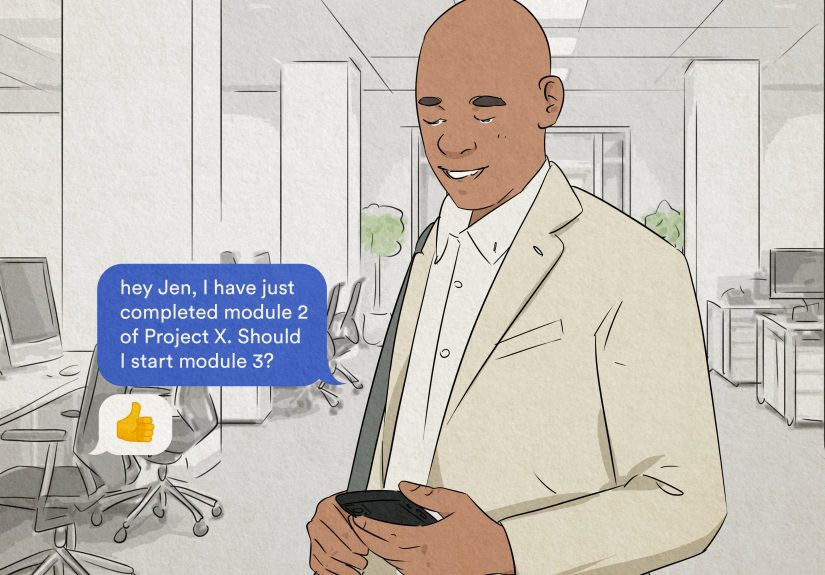
Manager: “Please update the report before noon. 👍”
You: “Got it. I’ll update it before noon.”
This is stronger than simply replying with another emoji because it confirms the action. When tasks, deadlines, or responsibilities are involved, words beat vague digital hand gestures every time.
5. Say “Perfect” When Their Thumbs Up Means Approval
If you were waiting for approval, “Perfect” is an upbeat way to respond. It works when someone gives you the go-ahead on a plan, design, idea, schedule, or decision.
Example:
You: “I’ll book the 6:30 table then.”
Them: “👍”
You: “Perfect!”
This response sounds confident and positive without feeling too formal. It also gently closes the loop, which is helpful when you do not want the conversation to float in the mysterious swamp of “Are we done here?”
6. Ask a Follow-Up Question If the Emoji Is Unclear
Sometimes a thumbs up is not enough. If you are discussing something important and their emoji leaves room for confusion, ask a short follow-up question.
Example:
You: “Do you want me to send the final version today or wait until tomorrow?”
Them: “👍”
You: “Just to confirm, should I send it today?”
This is especially important when the thumbs up could mean “yes,” “I saw this,” or “whatever you think.” Those are three very different meanings wearing the same tiny yellow costume.
Use follow-up questions when money, deadlines, travel, work tasks, school assignments, or sensitive topics are involved. A few extra words can prevent a lot of confusion later.
7. Respond With Humor If You Know the Person Well
With close friends, siblings, partners, or people who understand your humor, you can respond playfully. A thumbs up can be a perfect setup for a tiny joke.
Examples:
- “A powerful endorsement.”
- “Your approval has been recorded.”
- “Excellent. The council accepts.”
- “That thumb feels legally binding.”
- “I’ll take that as a yes from the thumb department.”
Humor works best when the conversation is already relaxed. Do not use sarcasm if the other person is upset, rushed, or discussing something serious. A joke in the wrong moment can turn one thumbs up into a full emotional weather event.
8. Use “No Problem” When They Are Acknowledging a Favor
If someone sends 👍 after you help them, “No problem” is a natural reply. It keeps the exchange polite and easy.
Example:
You: “I sent you the notes from class.”
Them: “👍”
You: “No problem!”
You can also use:
- “Anytime!”
- “Happy to help.”
- “You’re welcome!”
- “Glad it helped.”
This type of response adds warmth, especially if the thumbs up feels a little too brief. It gently turns a cold “received” into a friendly exchange.
9. Leave It Alone When No Response Is Needed
Here is the shocking truth: you do not always need to respond to a thumbs up emoji. Sometimes 👍 is the response. The conversation has landed safely. The plane is at the gate. Please do not reopen the cabin door.
If someone sends a thumbs up after a simple update, reminder, or final decision, silence may be completely appropriate.
Example:
You: “I’ll bring the charger.”
Them: “👍”
In this case, you can stop. No need for “Okay thanks sounds good great awesome see you later confirmed.” That is not a reply; that is a keyboard doing cardio.
10. Address the Tone If the Thumbs Up Feels Rude
Occasionally, a thumbs up emoji can feel dismissive, passive-aggressive, or icy. This usually happens during serious conversations, disagreements, emotional moments, or long messages where a single emoji feels too small for the topic.
If the relationship matters, do not attack the emoji. Ask calmly.
Examples:
- “Just checkingare we good?”
- “I might be reading the tone wrong. Did you mean okay?”
- “Want to talk about it more later?”
- “I’m not sure if that means yes or if you’re annoyed.”
This approach gives the other person a chance to clarify without turning the conversation into “The Trial of the Thumb.” Most of the time, they may not have meant anything negative. They might have been busy, distracted, or simply using the emoji as a quick acknowledgment.
How to Respond to a Thumbs Up Emoji in Different Situations
When a Friend Sends 👍
With friends, you can usually keep things casual. Try “Cool,” “Nice,” “Bet,” “Perfect,” “See you then,” or another emoji. If your friend is joking, reply with humor. If they are ending the conversation, let it end naturally.
When a Coworker Sends 👍
At work, choose clarity. If the thumbs up confirms a task, reply with “Got it,” “Will do,” or “Thanks, I’ll take care of it.” If it is just an acknowledgment, no reply may be needed.
When Your Boss Sends 👍
If your boss sends a thumbs up after you send an update, it usually means approval or acknowledgment. A simple “Thank you” or “Great, I’ll proceed” works well. If the decision affects a deadline, budget, or final deliverable, confirm the next step in writing.
When Someone You’re Dating Sends 👍
This is where things can get spicy, and not in the fun salsa way. A thumbs up in dating can feel casual, cold, or even annoyed depending on the conversation. If you were making plans, reply normally: “Great, see you then.” If you sent something emotional and only got 👍 back, it is fair to ask, “Are you okay?” or “Did that come across the way I meant it?”
When a Parent or Older Relative Sends 👍
Many older relatives use the thumbs up emoji very literally. They often mean “Okay,” “I approve,” or “I saw this.” In most cases, there is no hidden code. Respond with “Thanks,” “Love you,” “See you soon,” or nothing at all if the exchange is complete.
What Not to Do When Someone Sends a Thumbs Up Emoji
Do Not Immediately Assume They Are Mad
A thumbs up can feel abrupt, but abrupt does not always mean angry. People send quick replies when they are busy, multitasking, walking, eating, working, or pretending to work while actually choosing a snack.
Do Not Over-Reply
If the conversation is finished, let it breathe. Over-responding to every emoji can make a simple chat feel like a customer service ticket that refuses to close.
Do Not Use Sarcasm in Serious Moments
If someone sends 👍 during a tense conversation, replying with “Wow, great communication” may feel satisfying for 1.5 seconds, but it rarely helps. Ask for clarity instead.
Do Not Treat Every Platform the Same
A thumbs up reaction in a team chat may simply mean “I saw this.” In a personal text, it may carry more emotional weight. In a group chat, it may mean “I agree, but I do not want to add another message.” The platform changes the meaning.
Best Short Replies to a Thumbs Up Emoji
If you want fast options, here are simple replies that work in most situations:
- “Thanks!”
- “Sounds good.”
- “Perfect.”
- “Got it.”
- “Cool.”
- “Great, thank you.”
- “Will do.”
- “No problem.”
- “See you then.”
- “Just confirmingdoes that mean yes?”
The best response depends on whether the thumbs up is confirming, approving, ending the conversation, or leaving something unclear.
Why the Thumbs Up Emoji Can Feel Different to Different People
The thumbs up emoji is a perfect example of how digital communication depends on tone, age, culture, relationship, and context. Some people see it as efficient and positive. Others see it as dry, dismissive, or emotionally lazy. Neither side is automatically wrong.
Texting removes facial expressions, voice tone, timing, and body language. Emojis try to fill that gap, but they do not always succeed. A thumbs up can soften a message, but it can also make a reply feel too final. That is why a few extra words can make a big difference when the topic matters.
For example, compare these two replies:
Reply 1: “👍”
Reply 2: “Sounds good, thank you!”
Both may mean agreement, but the second one feels warmer and clearer. When in doubt, add words. Words are free, unless you are texting while half asleep, in which case every letter costs emotional energy.
of Real-Life Experience: How People Actually Handle the Thumbs Up Emoji
In real life, the thumbs up emoji often causes confusion not because it is rude by itself, but because people use it in totally different ways. One person may send 👍 as a cheerful “Yes!” while another person reads it as “Fine, whatever.” This gap becomes especially obvious in group chats, workplaces, and family conversations.
For example, imagine a group chat planning dinner. Someone asks, “Thai food at 7?” Three people send thumbs up emojis. In that situation, the emoji is perfect. It saves time, avoids a flood of “yes” messages, and keeps the plan moving. Nobody needs to write, “I hereby confirm my enthusiastic attendance at the noodle gathering.” A thumbs up does the job.
Now imagine a different situation. Someone sends a long message explaining that they felt hurt by a comment. The other person replies with only 👍. Suddenly, the same emoji feels like a tiny yellow door slammed in someone’s face. The problem is not the emoji itself. The problem is that the emotional weight of the conversation needed more than a one-tap reply.
At work, the thumbs up emoji can be extremely useful when everyone understands its purpose. On a busy team, a reaction can mean “I saw this,” “Approved,” or “No objections.” It reduces unnecessary messages and keeps channels cleaner. But when the task is complex, a thumbs up may not be enough. If someone asks, “Should I send version A to the client or wait for legal review?” a thumbs up is not a strategy. It is a hand with commitment issues.
In dating or close relationships, people often read more emotion into short replies. A thumbs up after “See you at 8” may be fine. A thumbs up after “I really want us to talk about what happened yesterday” may feel cold. The best response in that case is not to panic, but to clarify. A message like “Are you okay to talk later?” is much better than building a 14-chapter theory in your head.
Family texting is another world entirely. Some parents and grandparents use thumbs up emojis with pure innocence. They may send it after every photo, address, grocery list, weather update, or life announcement. To them, it often means “I saw this and approve.” Younger people may find it blunt, but many older relatives are simply being practical. Sometimes the thumb is not passive-aggressive. Sometimes it is just Dad discovering emoji reactions in 2018 and never looking back.
The biggest lesson from everyday experience is simple: respond to the meaning, not just the symbol. If the thumbs up clearly ends a simple conversation, let it end. If it confirms a plan, reply with “Great” or “See you then.” If it feels unclear, ask a direct question. If it feels hurtful, talk about the tone calmly instead of accusing the emoji of crimes against communication.
In most cases, the thumbs up emoji is not a problem. It becomes a problem when people expect it to carry more emotional detail than it can handle. It is a useful shortcut, not a full conversation. Treat it like a nod. Sometimes a nod is enough. Sometimes you need words.
Conclusion
Responding to a thumbs up emoji does not have to be complicated. Start with the context. If the emoji confirms a simple message, reply with “Thanks,” “Perfect,” or nothing at all. If it approves a plan, say “Sounds good” or “Great, see you then.” If it feels unclear, ask a short follow-up question. If it feels rude, check the tone calmly before assuming the worst.
The thumbs up emoji is popular because it is fast, flexible, and easy. But like all shortcuts, it works best when the road is clear. When the conversation needs warmth, clarity, or emotional care, add words. Your future selfand everyone trapped in your group chatwill thank you.