Table of Contents >> Show >> Hide
- 1) Identify the Plant (Because “Green One” Isn’t a Care Plan)
- 2) Master Light FirstWatering Is Easier When Light Is Right
- 3) Water Like a Scientist, Not a Scheduler
- 4) Choose the Right Pot and Drainage (Yes, Holes Matter)
- 5) Use a Potting Mix That Matches Your Plant’s Personality
- 6) Humidity: Aim for “Comfortable,” Not “Rainforest Sauna”
- 7) Keep Temperature and Airflow Stable (Plants Hate Surprise Drafts)
- 8) Fertilize During Growth, Not During “Plant Nap Season”
- 9) Repot With Purpose (Bigger Isn’t Always Better)
- 10) Prevent Pests With Clean Habits and Quick Action
- Common Houseplant Problems (and What They Usually Mean)
- Conclusion: Healthy Houseplants Are Mostly About Consistency
- Extra: Real-Life Houseplant Experiences (the Stuff Nobody Warns You About)
Houseplants are basically tiny, leafy roommates: they don’t pay rent, they take up window space, and they will silently judge you if you forget their needs. The good news? Keeping indoor plants thriving isn’t about having a “green thumb” or whispering affirmations to a pothos (though… no judgment). It’s about understanding a few simple rulesespecially around light, water, airflow, and timing.
Below are ten practical indoor plant care tips that work for beginners and longtime plant people alikeplus specific examples to help you diagnose common issues fast. Let’s turn your home into a place where plants don’t just survive… they actually glow up.
1) Identify the Plant (Because “Green One” Isn’t a Care Plan)
The fastest route to houseplant heartbreak is caring for every plant the same way. A snake plant and a maidenhair fern have wildly different lifestylesone thrives on “benign neglect,” and the other wants spa-level humidity and emotional support.
What to do
- Get the name. Use the tag, a plant ID app, or a quick search based on leaf shape and growth habit.
- Learn its “native vibe.” Desert plants prefer drying out. Tropical understory plants like bright, indirect light and even moisture.
- Write a one-line care note. Example: “ZZ plant: bright/low light ok, water only when dry.” Stick it on the pot or keep a note on your phone.
This tiny step prevents 80% of common mistakesespecially overwatering plants that would rather be left alone.
2) Master Light FirstWatering Is Easier When Light Is Right
Light is plant fuel. If the light is too low, your plant won’t use water efficiently, growth slows, and soggy soil lingers. That’s when root rot, fungus gnats, and general drama show up.
Quick light decoding
- Bright indirect: Near a sunny window but not roasting in direct rays (great for pothos, philodendron, monstera).
- Direct sun: Sunbeams actually hit leaves for hours (best for many succulents, cacti, some palms).
- Low light: Far from windows or north-facing dim corners (snake plant and ZZ tolerate it, but “tolerate” isn’t the same as “thrive”).
Pro move: Rotate plants every couple of weeks. Indoor light usually comes from one direction, and rotation keeps growth balanced instead of leaning like it’s trying to escape.
If winter turns your home into a cave, consider a simple grow light. You don’t need a spaceship setupjust consistent supplemental light for light-hungry plants.
3) Water Like a Scientist, Not a Scheduler
“Water every Saturday” sounds organized, but your plant doesn’t care about your calendar. It cares about soil moisture, temperature, and lightall of which change week to week.
The best method: check, then water
- Finger test: Stick your finger 1–2 inches into the potting mix. If it’s dry at that depth for most plants, it’s watering time.
- Lift test: Learn the “dry pot” weight versus “just watered” weight. Your arms become a moisture meter.
- Moisture meter: Helpful for large pots, but still double-checkmeters can be fooled by dense mixes.
Water thoroughly. Water until it runs out the drainage hole, then dump the saucer. That “little sip” habit leaves dry pockets in the root zone and encourages weak roots near the surface.
Example: If your peace lily droops dramatically, it might be thirstyor it might be overwatered with roots struggling. Check the soil before reacting with more water.
4) Choose the Right Pot and Drainage (Yes, Holes Matter)
If your pot has no drainage hole, it’s less a “planter” and more a decorative water trap. Plants can’t swim. Roots need oxygen, and constantly wet soil squeezes oxygen out.
Pot setup that saves plants
- Use a pot with drainage holes. Always.
- Use a cachepot if you want style. Keep the plant in a plastic nursery pot and drop that into a pretty outer pot. Remove to water, drain fully, then return.
- Skip rocks at the bottom. It doesn’t “improve drainage” the way people thinkit can actually reduce effective soil volume and create water issues.
Bonus tip: If you’re prone to overwatering, use terracotta. It breathes, dries faster, and gives you a bit of a safety buffer.
5) Use a Potting Mix That Matches Your Plant’s Personality
Soil (really, “potting mix”) is your plant’s home, pantry, and plumbing system. The wrong mix can keep roots soggy or dry out too quicklyeither way, your plant gets cranky.
Simple mix upgrades
- For most tropical houseplants: Use a quality indoor potting mix and add chunky aeration like perlite or orchid bark for airflow.
- For succulents/cacti: Use a fast-draining cactus mix, often improved with extra pumice or perlite.
- For moisture lovers (ferns, calatheas): Use a mix that holds moisture but still drainsthink peat/coco-based mix with some perlite.
Example: If water runs straight down the sides and out the bottom without soaking in, your mix may be hydrophobic (repelling water). That’s a sign to rehydrate slowly (or bottom-water) and consider refreshing the mix.
6) Humidity: Aim for “Comfortable,” Not “Rainforest Sauna”
Many popular houseplants come from humid regions, but your living room doesn’t need to feel like a greenhouse for them to do well. The goal is steady conditions, not constant misting chaos.
What actually works
- Group plants together to create a slightly more humid microclimate.
- Use a humidifier if your air is very dry (especially in winter heating season).
- Pebble trays can help a bit in the immediate area, but they’re not magic.
About misting: It usually raises humidity only briefly and can encourage leaf spots on some plants. If you mist, do it for leaf cleaning or pest managementnot as your main humidity strategy.
Example: Crispy brown leaf edges on calatheas or ferns often point to dry air or inconsistent watering. Fix the consistency first; then adjust humidity if needed.
7) Keep Temperature and Airflow Stable (Plants Hate Surprise Drafts)
Houseplants prefer predictable conditions. Sudden blasts from heaters, AC vents, or drafty doors can cause leaf drop, crispy edges, or stalled growtheven if you’re watering perfectly.
Easy wins
- Keep plants away from vents and radiators.
- Watch cold windowsills in wintersome glass gets chilly enough to stress tropical plants.
- Provide gentle airflow (a fan on low across the room) to reduce fungal issuesjust don’t sandblast your plants.
Example: A ficus that drops leaves after you move it isn’t “dramatic”it’s reacting to changes in light and airflow. Move plants gradually when possible.
8) Fertilize During Growth, Not During “Plant Nap Season”
Fertilizer is plant food, not plant medicine. If a plant is stressed (wilted, overwatered, pest-riddled), fertilizer won’t fix itand can make it worse by burning roots or pushing weak growth.
A sensible feeding strategy
- Feed mainly in spring and summer when many houseplants actively grow.
- Dilute more than the label suggests if you’re unsurelight feeding is safer than overfeeding.
- Pause in winter for many plants, especially in low light.
Salt buildup tip: Occasionally water thoroughly so extra minerals flush out of the potting mix (and againdon’t let the pot sit in runoff).
Example: If leaf tips are browning and the soil surface looks crusty, you may be seeing mineral/salt buildupflush the soil and ease up on fertilizer.
9) Repot With Purpose (Bigger Isn’t Always Better)
Repotting is greatbut only when the plant needs it. A pot that’s too large holds excess moisture longer, and that can be dangerous for roots. Most houseplants prefer a modest upgrade, not a mansion.
Signs your plant wants a new pot
- Roots circling the pot or coming out drainage holes.
- Water runs straight through because there’s more root than soil.
- Plant dries out too fast compared with its normal rhythm.
Best timing: Repot in active growth season (often spring). Go up just one pot size. After repotting, water in well and hold off on fertilizer for a bit so roots can settle in without being overwhelmed.
Example: A pothos that needs watering every two days in summer might be rootbound. A gentle repot can bring it back to a calmer schedule.
10) Prevent Pests With Clean Habits and Quick Action
Pests happeneven to experienced plant people. The trick is catching them early and responding calmly (not with a flamethrower, no matter how personal it feels).
Fast, effective pest prevention
- Inspect weekly: Look under leaves and at stemsespecially on new growth.
- Quarantine new plants for a week or two before introducing them to your collection.
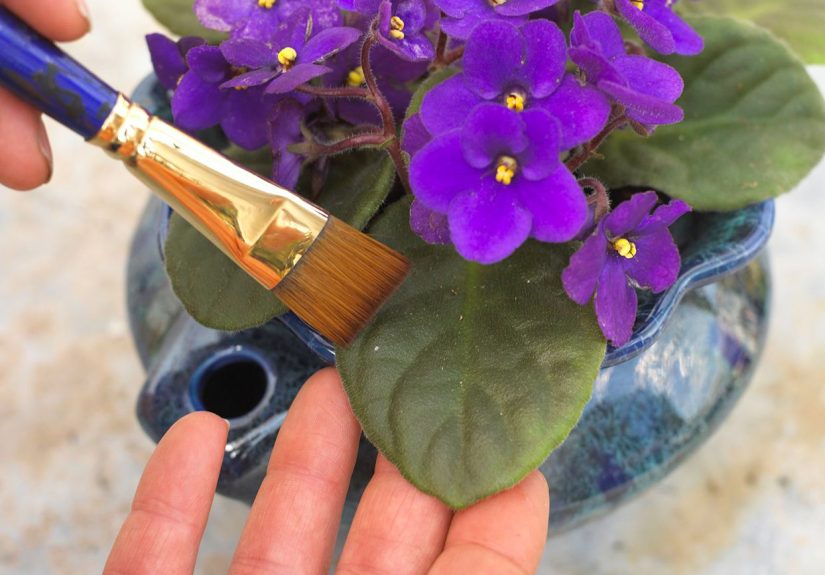
- Clean leaves: Dust reduces photosynthesis and hides early pest signs.
- Use gentle controls first: A firm rinse of room-temperature water can remove many pests; insecticidal soap is a common next step.
Example: Spider mites love dry air and stressed plants. If you see stippling or fine webbing, isolate the plant, rinse thoroughly (especially under leaves), then treat consistently for a few weeks.
Common Houseplant Problems (and What They Usually Mean)
Yellow leaves: Often overwatering, especially if the soil stays wet. But it can also happen from low light, aging leaves, or sudden temperature shifts. Check the soil first.
Brown crispy tips: Commonly dry air, inconsistent watering, or fertilizer/mineral buildup. Adjust your routine and consider flushing the soil occasionally.
Wilting: Could be underwatering or overwatering. If soil is wet and the plant droops, roots may be struggling. Let it dry appropriately and improve drainage/light.
Leggy growth: Not enough light. Move closer to a window or add supplemental lighting.
Fungus gnats: Usually a sign of persistently moist soil. Let the top layer dry more between waterings and improve airflow.
Conclusion: Healthy Houseplants Are Mostly About Consistency
If you take only three things from this list, make them these: match light to the plant, water based on soil moisture (not a schedule), and give roots air with proper drainage and a good potting mix. Add steady temperatures, seasonal feeding, and quick pest checks, and you’ll be shocked how “easy” plants suddenly feel.
Also remember: every plant parent has a “learning plant” that didn’t make it. It’s not failureit’s compostable education.
Extra: Real-Life Houseplant Experiences (the Stuff Nobody Warns You About)
Most indoor plant advice sounds clean and orderlylike every leaf is dust-free and every watering is measured with a lab pipette. Real life is messier. People travel, windows get blocked by furniture, and someone (often you) panics at the first yellow leaf and starts “fixing” things like a caffeine-powered mechanic.
Experience #1: The Great Overwatering Panic. A very common story goes like this: a plant looks droopy, so it gets watered. It looks droopy again two days later, so it gets watered again. Then it looks worse, so it getsyepmore water. The twist ending is that droop can happen when roots are drowning and can’t pull moisture into the plant. The most helpful habit people learn is the pause: check the soil first. That one-second decision prevents the “I loved it to death” scenario.
Experience #2: Winter is a different planet. Many plant owners do great all summer and then get blindsided in winter. Light drops, heaters turn on, humidity falls, and suddenly a plant that needed weekly watering now needs it every two or three weeks. The houseplant didn’t become stubborn; the environment changed. People who succeed long-term tend to adopt a seasonal mindset: “In winter, I water less, fertilize less, and move plants closer to light.” It’s not fancyit’s just noticing what the room is doing.
Experience #3: The “perfect spot” isn’t perfect forever. A plant can thrive in a spot for months, then stall when the sun angle changes or curtains get swapped. One of the most useful real-world tricks is to watch the plant itself: new leaves smaller than usual, leggy stems, or slow growth often mean it wants more light. People who keep plants happy don’t find one mythical perfect locationthey adjust over time.
Experience #4: Repotting can feel like surgery, but it’s usually a haircut. First repots make people nervous: “What if I break the roots?” In practice, most plants are tougher than they look. The biggest repotting lesson that gets repeated by experienced indoor gardeners is: don’t oversize the pot. When people jump from a 6-inch pot to a 12-inch pot, the extra soil holds water longer, and the roots can’t keep up. The plant sits in damp mix and stops thriving. One-size-up repots tend to be the “why did I wait so long?” sweet spot.
Experience #5: Pests are a timing game, not a moral failing. Even careful plant owners get pestsespecially after bringing home a new plant. The people who win this game don’t panic; they get consistent. They isolate the plant, rinse leaves, treat gently, and repeat weekly. It’s not one heroic sprayit’s follow-through. Think of it like doing laundry: nobody does it once and declares victory forever.
Experience #6: The best plant routine is the one you’ll actually do. Some people love detailed schedules and thrive with plant journals. Others do better with a simple weekly “plant lap”walk around, check soil, wipe leaves, look under foliage, rotate pots. The right system is the one that fits your personality. If your care routine feels like a chore, simplify it. Plants prefer consistency over complexity.