Table of Contents >> Show >> Hide
- Why December Hits the Mulching Sweet Spot
- Why December Beats Waiting Until Spring
- What You Should Mulch in December
- The Best Mulch Materials for December
- How to Mulch Correctly in December
- Common December Mulching Mistakes to Avoid
- The Real Secret: December Is About Timing, Not Just Temperature
- Gardener Experience: What December Mulching Looks Like in Real Life
- Conclusion
If spring is the season when gardeners get all the glory, December is when the smart ones quietly do the work that makes spring look easy. One of the best examples is mulching. It is not flashy. It does not come with dramatic before-and-after photos. No one has ever posted a viral “watch me spread shredded leaves” video and broken the internet. But according to gardening pros, December is often the sweet spot for mulching because it lines up with the way plants actually move into winter.
By the time December rolls around in much of the United States, most perennials are dormant, the soil has cooled, and the garden has stopped trying to grow like it is still October. That timing matters. Mulch is not just a cozy blanket tossed over the soil for decoration. Used correctly, it helps stabilize temperature swings, protect shallow roots, reduce winter moisture loss, suppress weeds, and slowly improve soil structure. Used too early or piled on too heavily, it can do the opposite and create a damp, pest-friendly mess. In other words, mulch is a helpful friend, but only if you invite it over at the right time.
So why do so many horticulture experts point to December as prime mulching season? Because in many climates, it is late enough to avoid delaying dormancy and early enough to protect plants before winter gets truly rude. Here is why that timing works so well, what to mulch, what materials to use, and how to avoid the classic mistakes that make trees look like they are wearing oversized turtlenecks.
Why December Hits the Mulching Sweet Spot
Plants are finally dormant
The biggest reason December works so well is that most garden plants have already slowed down or gone fully dormant by then. That matters because mulch is meant to help keep soil conditions stable, not warm everything up like a heated blanket. If you mulch too early in fall, before plants are truly shutting down, you can delay dormancy and leave crowns, stems, and roots more vulnerable when the real cold arrives.
December usually solves that problem. In many regions, the garden has already had several frosts or light freezes, so perennials, roses, strawberries, and newly planted shrubs are no longer trying to push fresh growth. At that point, mulch becomes less about encouraging growth and more about protecting what is already there.
Cool soil is exactly what you want
This sounds backward at first. People often assume mulch is supposed to keep soil warm. Gardening pros usually frame it differently: winter mulch helps keep soil consistently cool. That is the whole point. Repeated freeze-thaw cycles are often more damaging than steady cold. When soil temperatures bounce around, plant crowns and shallow roots can heave upward, dry out, or suffer stress from sudden changes. December mulching helps buffer those swings.
Think of it this way: a garden bed that stays evenly cold is often safer than one that warms up on a sunny winter afternoon, then freezes hard overnight. Roots hate surprises almost as much as gardeners hate surprise aphids.
It protects against frost heaving
If you have ever seen a perennial looking like winter tried to push it out of the ground, you have met frost heaving. This happens when repeated freezing and thawing cause the upper soil layer to expand and contract, slowly lifting shallow-rooted plants. New perennials, fall-planted shrubs, garlic, strawberries, and marginally hardy plants are especially at risk.
A properly timed mulch layer in December helps keep the upper root zone more stable, which reduces the odds of crowns being shoved upward and exposed to cold air and drying winds. This is one of the strongest arguments for late-fall or early-winter mulching, especially in places where winter temperatures yo-yo instead of staying predictably frozen.
It helps roots hold onto moisture through winter
Winter is not automatically wet enough to protect plants. In fact, dry winters can be brutal. Evergreens and newly planted shrubs can lose moisture through their foliage even when the ground is frozen and roots cannot easily replace what is lost. Mulch helps by slowing evaporation, improving water retention, and reducing moisture stress around the root zone.
That is why many gardening pros recommend watering before the ground freezes and then mulching afterward. The one-two punch matters: water first, mulch second. Mulching dry soil is a bit like putting a lid on an empty pot and hoping soup appears.
It keeps winter weeds from getting comfortable
Gardeners tend to think of weeds as a spring and summer problem, but many winter annual weeds are happy to get started when everything else looks sleepy. A fresh mulch layer in December covers bare soil, blocks light, and makes it harder for weed seeds to germinate and settle in. That means less cleanup when spring arrives and you are already busy with pruning, dividing, sowing, and trying to remember where you planted the tulips.
Organic mulch improves the soil while you do absolutely nothing
This may be the most satisfying part. Organic mulches such as shredded leaves, bark, pine needles, compost, and straw slowly break down over time. As they decompose, they add organic matter, improve tilth, support beneficial soil life, and help the soil hold moisture better. So while you are indoors pretending to enjoy seed catalogs responsibly, the mulch is outside doing quiet, useful work.
Why December Beats Waiting Until Spring
Spring mulching has its place, especially for summer moisture control and weed suppression. But when the goal is winter protection, spring is late to the party. By then, the freeze-thaw cycles have already happened, crowns may already be exposed, and roots may already have been stressed by winter dryness.
December mulching is proactive. Instead of reacting to winter damage, it helps prevent it. That is why so many gardening professionals treat late fall to early winter as the better window for protective mulching. In colder regions, that may mean late November. In milder climates, it may land in December or even a bit later. The calendar date is less important than the condition of the garden: plants dormant, soil cooled, major growth finished.
What You Should Mulch in December
Perennial beds
Perennial borders are prime candidates for December mulching, especially if they contain shallow-rooted plants, newer plantings, or anything that tends to sulk through winter. A modest mulch layer protects crowns and smooths out temperature swings.
Newly planted trees and shrubs
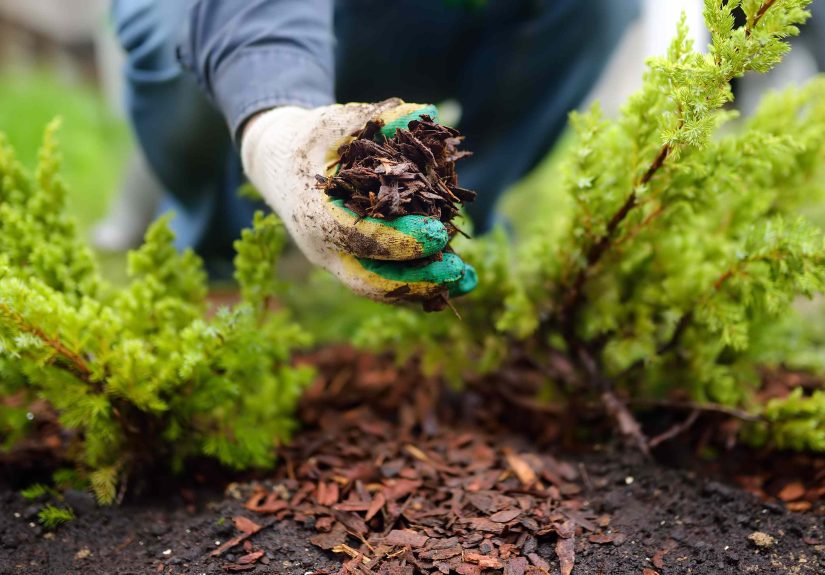
Young woody plants benefit from mulch because they have not fully established deep root systems yet. A wide mulch ring helps conserve moisture, reduce weed competition, and protect delicate feeder roots. Just keep the mulch away from the trunk. A mulch volcano is not a gardening technique. It is a cry for help.
Strawberries, garlic, and hardy edibles
Food gardens also benefit. Strawberries often need winter mulch to protect crowns and reduce heaving. Garlic beds appreciate a generous layer of straw or pine needles in cold regions. Empty vegetable beds can be mulched to protect the soil surface, reduce erosion, and cut down on winter weeds.
Roses and tender perennials
Plants that sit near the edge of their hardiness range often need extra help. December is a good time to add protective mulch around rose bud unions and the crowns of tender perennials after cold weather has arrived and the plants are dormant.
Containers and raised beds
Pots are more exposed than in-ground beds because all sides are vulnerable to cold. Mulch on top of container soil can help regulate temperature and retain moisture. Raised beds can also benefit from winter mulch, especially if they are planted with overwintering crops or are being protected for spring planting.
The Best Mulch Materials for December
Shredded leaves
Free is a beautiful price, and shredded leaves are one of the best mulches around. They insulate well, break down into valuable organic matter, and are easy to spread. The key word is shredded. Whole leaves tend to mat down, blow away, or smother low plants.
Straw
Straw is excellent for strawberries, garlic, and many perennial beds because it insulates well and still allows airflow. Just make sure it is straw, not hay. Hay often carries weed seeds, which is a very rude gift to leave in the garden.
Pine needles
Pine needles, often sold as pine straw, make a light, airy winter mulch that works especially well around perennials, bulbs, and acid-loving plants. They are easy to tuck around plants without smothering them.
Bark and wood chips
These are ideal around trees, shrubs, and ornamental beds. They last longer than lighter mulches and create a tidy look, but they should still be applied in a modest layer. More is not more when it comes to mulch depth.
Compost
Compost can serve as a light mulch and soil improver at the same time. It is especially useful in ornamental and vegetable beds where you want a finer texture and a gentler topdressing. It is less insulating than coarser materials, but it still offers real winter benefits.
How to Mulch Correctly in December
1. Wait until the timing is right
The best cue is not the holiday playlist. It is the garden itself. Wait until plants are dormant and the soil is cold or lightly frozen. In many parts of the country, that lines up neatly with December. In very cold areas, it may happen earlier. In warmer regions, it may be a little later.
2. Weed and water first
Remove existing weeds before mulching, and water if the soil is dry and not yet frozen. Mulch is excellent at preserving conditions, so make sure the conditions you are preserving are good ones.
3. Use the right depth
For most beds and woody plants, a layer of about 2 to 4 inches is plenty. Some tender perennials may benefit from a deeper protective covering, but most plants do not need to be buried under a small mountain. Too much mulch can trap excess moisture, block oxygen, and invite rot or pests.
4. Keep mulch away from trunks, stems, and crowns
This rule deserves to be embroidered on a gardening pillow. Keep mulch off the trunk of trees, away from shrub stems, and clear of plant crowns unless you are deliberately using a protective winter covering for a specific tender plant. Direct contact can trap moisture, encourage decay, and create shelter for rodents.
5. Match the material to the planting
Use bark or wood chips for trees and shrubs, straw or pine needles for strawberries and garlic, shredded leaves for perennial and vegetable beds, and compost where you want a finer mulch that also feeds the soil. Not every mulch suits every situation.
Common December Mulching Mistakes to Avoid
Mulching too early: This can delay dormancy and encourage pest activity.
Mulching too thickly: A giant layer can hold too much moisture and reduce air exchange.
Piling mulch against trunks: This is the classic “mulch volcano,” and it can damage bark and encourage pests.
Using whole leaves on low plants: They mat down and can smother crowns.
Forgetting spring removal on tender coverings: Heavy protective mulch on crowns should be pulled back once conditions warm, or rot becomes a risk.
The Real Secret: December Is About Timing, Not Just Temperature
When gardening pros say December is the best time to mulch, they are really talking about plant timing. December often arrives at the perfect moment between “still actively growing” and “winter has already done its worst.” It is the window when beds can be protected without interfering with dormancy, when roots can be buffered before hard weather settles in, and when gardeners can still work comfortably enough to get the job done.
And honestly, there is something deeply satisfying about giving your garden one final smart layer of protection before stepping back for winter. It feels practical, calm, and slightly superior to doing nothing at all. Which, in gardening, is often the highest form of wisdom.
Gardener Experience: What December Mulching Looks Like in Real Life
In real gardens, December mulching rarely happens in one cinematic afternoon with a spotless wheelbarrow and flattering golden light. It usually happens in gloves that are slightly too bulky, with a rake that has mysteriously migrated to the far side of the yard, and with a gardener who keeps saying, “I’ll just do this one bed,” before somehow ending up mulching half the property. And yet, this is exactly why December mulching becomes such a memorable ritual for so many people.
The first thing you notice is how different the garden feels. In spring, every task feels urgent. In summer, everything wants water, deadheading, staking, or rescuing. In December, the pace changes. The garden is quieter. You can see the structure of beds more clearly. You notice where the soil is exposed, where crowns are sitting a little high, where a shrub never quite settled in after fall planting, and where last year’s mulch has broken down into something that looks more like soil than surface cover. December makes the weak spots obvious.
That is also when experience starts to matter. Gardeners who have watched a newly planted heuchera get shoved upward by frost, or a strawberry patch struggle after a snowless winter, tend to become firm believers in timely mulch. They know the payoff is not immediate beauty. It is survival. It is fewer losses. It is stronger regrowth. It is walking outside in March and realizing the plants made it through because the root zone stayed steadier than the air above it.
Many gardeners also learn that mulch is not one-size-fits-all. Shredded leaves may be perfect in a perennial border but a headache around low rosettes if they mat down. Straw may be ideal over garlic but too loose on a windy slope unless tucked in well. Bark may look polished around shrubs but can be too chunky where delicate crowns need a lighter hand. December is often when gardeners stop thinking of mulch as a generic product and start treating it like a tool with specific jobs.
Then there is the emotional side of it, which gardening people rarely admit without sounding sentimental. December mulching feels like closing the garden kindly. It is one of the last acts of care before winter takes over. You are not forcing blooms, chasing yield, or correcting problems that are already obvious. You are simply setting things up well. There is a strange comfort in that. It feels less like work and more like keeping a promise to the garden you spent the rest of the year building.
And when spring returns, the benefits are often subtle but unmistakable. The soil stays looser. The weed pressure is lighter. Perennials look less rattled. New shrubs need less recovery time. Beds warm gradually instead of lurching through extremes. It is not magic. It is just good timing, repeated over seasons, until experience turns it into instinct. That may be the strongest argument of all for mulching in December: once you see the difference, it stops feeling optional and starts feeling like one of the smartest habits in the whole gardening calendar.
Conclusion
December earns its reputation as the best time to mulch because it usually arrives when the garden is dormant but not yet battered. That timing lets mulch do what it does best: stabilize soil temperatures, reduce frost heaving, hold moisture, suppress weeds, and quietly improve the soil while winter moves through. If you choose the right material, apply a sensible layer, and keep it away from trunks and crowns, you give your garden a much better shot at coming through winter healthy and ready for spring. Not bad for a job that mostly involves moving organic matter from one place to another with purpose.