Table of Contents >> Show >> Hide
- What Exactly Are Opioids?
- How Do Opioids Work in the Body?
- Why Doctors Prescribe Opioids
- The Opioid Crisis in a Nutshell
- Risks You Should Know About
- Signs of Opioid Use Disorder
- Recognizing an Opioid Overdose and What to Do
- Using Opioids as Safely as Possible
- Alternatives to Opioids for Pain
- Treatment for Opioid Use Disorder
- Key Conversations to Have with Your Doctor
- Common Myths About Opioids
- Real-World Experiences: How Knowledge Changes Outcomes
- Final Thoughts: Respect the Risk, Protect Yourself
Opioids are a bit like fire: incredibly useful when controlled, incredibly dangerous when they’re not.
They can turn excruciating post-surgery pain into something manageable but they can also cause addiction,
overdose, and death if misused. Understanding how opioids work, when they make sense, and how to stay safe
around them is one of the most important health lessons of our time.
In this guide, we’ll walk through what opioids are, why doctors prescribe them, what risks to watch for,
how to spot an overdose, and what treatment and safer alternatives look like. The goal isn’t to scare you,
or to glorify these medications, but to help you make informed, realistic decisions.
What Exactly Are Opioids?
Opioids are a class of drugs that act on specific receptors in your brain and body to reduce pain.
Some are naturally derived from the opium poppy (like morphine and codeine), some are semi-synthetic
(like oxycodone and hydrocodone), and some are fully synthetic (like fentanyl and methadone).
They can be prescription medications or illegal street drugs like heroin.
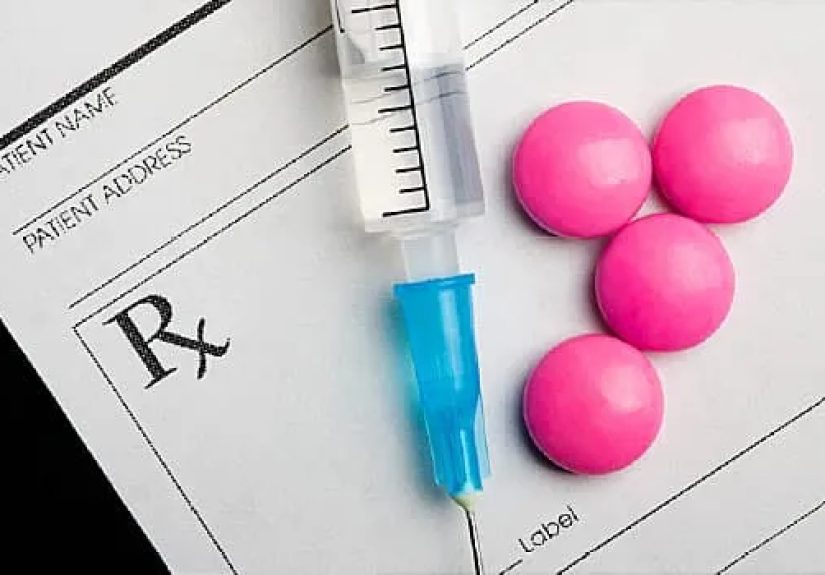
Common prescription opioids include:
- Morphine
- Oxycodone (OxyContin, Percocet)
- Hydrocodone (Vicodin and similar combinations)
- Hydromorphone
- Codeine
- Methadone
- Fentanyl (used medically, but also made illegally)
Despite their different names, these drugs share one key trait: they can all cause physical dependence,
addiction, and overdose. There is no “safe forever” opioid just because it comes in a pharmacy bottle.
How Do Opioids Work in the Body?
Your body already has its own internal “opioid” system. You make natural chemicals (endorphins) that
latch onto opioid receptors to help modulate pain, stress, and even feelings of reward. Opioid medicines
plug into that same system, but in a much stronger way.
When you take an opioid:
- It binds to opioid receptors in your brain and spinal cord.
- This dampens your perception of pain and can create a sense of relaxation or even euphoria.
- It also slows down vital functions including breathing which is where overdose danger comes in.
Over time, your brain starts to adapt. You may:
- Develop tolerance: needing more of the drug to get the same effect.
- Develop dependence: your body gets used to the drug and you feel sick (withdrawal) if you stop suddenly.
- Be at risk for opioid use disorder (OUD): a medical condition where using the drug becomes compulsive and hard to control despite harm.
Why Doctors Prescribe Opioids
Opioids are powerful pain relievers, and in some situations, they’re absolutely appropriate. Doctors may
prescribe them for:
- Moderate to severe short-term pain after surgery or injury
- Cancer-related pain
- Pain at the end of life (palliative and hospice care)
- Occasionally, severe chronic pain when other options haven’t helped and benefits clearly outweigh the risks
In the right setting, opioids can restore function: they can help someone get up and move after a knee
replacement, or allow a person with cancer to eat, sleep, and talk with loved ones. The challenge comes
when they’re used at high doses, for long periods, or without proper monitoring.
The Opioid Crisis in a Nutshell
The United States has been in an opioid overdose crisis for more than two decades. From 1999 to 2023,
approximately 806,000 people died from an opioid overdose from both prescription drugs and illegal
opioids like heroin and fentanyl.
Experts often describe the crisis in three “waves”:
- First wave: Rising deaths from prescription opioids in the late 1990s and 2000s.
- Second wave: A surge in heroin-related deaths around 2010.
- Third wave: A steep rise in deaths involving illicitly manufactured fentanyl and other synthetic opioids starting around 2013, which continues today.
There is some cautiously good news: recent data suggest overdose deaths in the U.S. fell in 2024 to the
lowest level since 2019, helped in part by wider access to naloxone (the overdose-reversal medication).
But opioids still kill tens of thousands of people every year, and overdose remains a leading cause of
death in young adults.
Risks You Should Know About
Opioids aren’t “bad” or “good” they’re risky tools. Here are the major risks to understand before you
ever swallow that first pill:
1. Addiction and Opioid Use Disorder
Anyone who takes opioids can develop opioid use disorder, even if they “follow the rules.” Genetics,
mental health conditions, previous substance use, and social stress all play a role, but there’s no
simple way to predict who will become addicted.
2. Overdose
An opioid overdose happens when breathing slows or stops. This can occur with:
- High doses
- Mixing opioids with alcohol, benzodiazepines, or other sedatives
- Illicit pills or powders contaminated with very potent fentanyl
- Reduced tolerance (for example, after a detox or jail stay)
In 2022, more than 81,000 of the roughly 108,000 U.S. overdose deaths involved an opioid.
3. Side Effects and Long-Term Issues
Even when they don’t cause overdose, opioids can bring a grab bag of side effects:
- Constipation (extremely common and sometimes severe)
- Sleepiness and confusion
- Nausea and vomiting
- Low testosterone and sexual dysfunction with long-term use
- Increased sensitivity to pain over time (opioid-induced hyperalgesia)
Signs of Opioid Use Disorder
Opioid use disorder is a medical condition, not a character flaw. Signs can include:
- Taking more pills than prescribed or taking them more often “because the pain is really bad today.”
- Craving opioids or thinking about them constantly.
- Doctor-shopping or using multiple pharmacies to get extra prescriptions.
- Using opioids to cope with stress, anxiety, or boredom rather than just pain.
- Continuing to use despite relationship problems, job issues, or health warnings.
- Experiencing withdrawal symptoms (like sweating, chills, stomach cramps, anxiety) when cutting back.
If you recognize yourself or someone you love in that list, it’s a signal to reach out not a reason to
feel ashamed. The condition is common, treatable, and absolutely worth addressing early.
Recognizing an Opioid Overdose and What to Do
Opioid overdoses are medical emergencies. They can happen to people misusing drugs, but also to
people taking medications as prescribed who have unexpected interactions or dose changes.
Common Signs of an Opioid Overdose
- Very slow or stopped breathing
- Blue or gray lips and fingertips
- Pinpoint pupils
- Unresponsiveness can’t wake the person up
- Gurgling, choking, or snoring-like sounds
If You Suspect an Overdose
1. Call emergency services immediately. Put the phone on speaker so you can keep both hands free.
2. Give naloxone if available. This medication can temporarily reverse an opioid overdose and is available as a nasal spray in many places without a prescription.
3. Support breathing. Follow emergency operator instructions. Provide rescue breaths if you’ve been trained.
4. Stay with the person until help arrives. Naloxone may wear off before the opioid does, so they still need medical care even if they wake up and insist they’re “fine.”
Using Opioids as Safely as Possible
Sometimes, opioids are the right option. If you and your clinician decide to use them, there are ways
to reduce the risk:
- Use the lowest effective dose for the shortest possible time.
- Never mix opioids with alcohol, benzodiazepines, or other sedatives unless explicitly cleared by your doctor.
- Store medications in a locked place, away from children, teens, and visitors.
- Never share your prescription with anyone else.
- Ask for naloxone if you’re on a higher dose, use other sedating medications, or live with someone at risk.
- Return unused pills to take-back programs or follow FDA disposal guidance instead of leaving them in a cabinet indefinitely.
Alternatives to Opioids for Pain
Opioids are powerful, but they’re not the only way to treat pain. Depending on your situation, your
healthcare provider may recommend:
- Non-opioid medications such as acetaminophen or NSAIDs (like ibuprofen), certain antidepressants or anti-seizure drugs for nerve pain.
- Physical therapy to build strength, improve movement, and reduce pain over time.
- Interventional treatments like nerve blocks or injections.
- Behavioral approaches such as cognitive behavioral therapy (CBT) for pain, which helps people manage the emotional side of chronic pain.
There are also emerging non-opioid pain medications. In early 2025, the FDA approved suzetrigine (Journavx),
the first new non-opioid pain drug class in about 20 years, designed to block specific pain pathways
without the addiction risk of opioids. It’s mainly for short-term post-surgical pain, and while it isn’t
perfect, it represents a shift toward safer options.
The takeaway: always ask, “Is there a non-opioid option that could work for me?” Sometimes the answer is
no but often the answer is “yes, or at least we can try.”
Treatment for Opioid Use Disorder
Opioid use disorder is highly treatable, especially with medications that stabilize the brain and reduce
cravings. These are called medications for opioid use disorder (MOUD), and three are
FDA-approved:
- Methadone – a long-acting opioid taken daily at specialized clinics.
- Buprenorphine – a partial opioid agonist that reduces cravings and withdrawal; can often be prescribed in regular medical settings.
- Naltrexone – a non-opioid that blocks opioid receptors; can be given as a pill or monthly injection once a person is fully detoxed.
These medications, combined with counseling, peer support, and social services, significantly lower the risk
of overdose and help people rebuild their lives. Staying on MOUD long-term is not “replacing one addiction
with another” it’s evidence-based treatment.
If you or someone you care about might have opioid use disorder, you can:
- Talk to a primary care provider or mental health professional.
- Contact local addiction treatment programs or telehealth clinics.
- Use national helplines (such as SAMHSA’s national helpline in the U.S.) to find services nearby.
Key Conversations to Have with Your Doctor
Before starting opioids or continuing them consider asking:
- “Are there non-opioid or non-drug alternatives we can try first?”
- “What’s the goal of using this opioid, and how will we know when it’s time to stop?”
- “What side effects should I watch for, and when should I call you?”
- “What’s my personal overdose risk? Should I have naloxone at home?”
- “How often will we reassess my pain and my dose?”
Clear communication turns opioids from a mysterious, scary topic into a shared plan between you and your clinician.
Common Myths About Opioids
- Myth: “If my doctor prescribed it, it can’t be dangerous.”
Fact: Prescription opioids are a major driver of overdose deaths when misused or used long-term without careful monitoring. - Myth: “Only ‘addicts’ overdose.”
Fact: People of every age, income level, and background have died from opioid overdoses including people using medications after surgery. - Myth: “Naloxone encourages drug use.”
Fact: Naloxone doesn’t create a high; it blocks one. It’s a safety tool, like a seatbelt or fire extinguisher. - Myth: “Once you have opioid use disorder, you’re hopeless.”
Fact: Many people recover, especially with medication-based treatment and support.
Real-World Experiences: How Knowledge Changes Outcomes
To make this more concrete, let’s walk through a few realistic scenarios that show how understanding opioids
can change the story.
1. Emma’s Post-Surgery Pain Plan
Emma is 32 and just had her wisdom teeth removed. She leaves the dental office with a small prescription
for an opioid pain med and a big question: “Do I really need this?” After talking with her dentist, she
learns she can start with ibuprofen and acetaminophen on a schedule, and use the opioid only if the pain
breaks through.
The first night, she takes one opioid pill before bed because the pain is intense. Over the next two days,
she realizes the non-opioid combo is enough. She locks the remaining pills in a cabinet and later takes
them to a medication take-back site at her local pharmacy. In the end, she used opioids for less than 24
hours, stayed comfortable, and removed a potential future risk from her home.
2. David Notices Something Is Wrong
David’s father, Mark, was prescribed opioids after a back injury. Months later, David notices his dad is
groggy, forgetful, and constantly counting how many pills he has left. When the pharmacy delays a refill,
Mark becomes unusually anxious and irritable.
Instead of ignoring it, David has a calm conversation: “Dad, I’m worried about how these meds are affecting
you. Would you be willing to talk with your doctor about other options?” They schedule an appointment.
The doctor screens Mark for opioid use disorder, tapers his dose gradually, and starts physical therapy
plus a non-opioid medication. Things don’t change overnight, but over several months Mark’s pain is better
controlled and he feels more like himself with fewer pills in the mix.
3. Tasha’s Overdose Response
Tasha has a friend, Alex, who uses opioids and sometimes fentanyl-containing pills. After hearing that
naloxone is available at local pharmacies, she picks up a kit and learns how to use it. One night at a
small gathering, Alex steps into the bathroom and doesn’t come back. Tasha finds him on the floor, barely
breathing, lips turning blue.
Because she learned the signs of overdose, she instantly recognizes what’s happening. She calls emergency
services, gives naloxone, and stays with Alex, following the dispatcher’s instructions. He starts breathing
more normally just as paramedics arrive. Alex later enters treatment for opioid use disorder, and the two
of them joke that Tasha is “annoyingly prepared” but they both know her preparation likely saved his life.
These stories are simplified, of course, but they highlight a core truth: knowledge doesn’t magically make
opioids safe, yet it dramatically shifts the odds in your favor. Knowing the risks, watching for warning
signs, asking questions, and keeping tools like naloxone on hand can be the difference between a close call
and a tragedy.
Final Thoughts: Respect the Risk, Protect Yourself
Opioids can be both medical lifelines and life-threatening hazards. The point isn’t to fear them, or to
demand that no one ever uses them again, but to treat them with serious respect. Understand why they’re
being prescribed, how long you’ll be taking them, what side effects to watch for, and what your alternatives are.
If you take nothing else from this article, remember this:
ask questions, use the lowest effective dose for the shortest time, store and dispose of medications safely, and seek help early if things feel out of control.
You don’t have to navigate opioids alone and you don’t have to wait until there’s a crisis to reach out.
Finally, this article is for general education only and not a substitute for personalized medical advice.
Always talk with a licensed healthcare professional about your specific situation, medications, and treatment options.