Table of Contents >> Show >> Hide
- The Job Starts With Geography, and Geography Does Not Care About Your Schedule
- The Patient Mix Is Wider, Harder, and More Complicated Than Outsiders Assume
- Medicine on the Border Is Also an Ethics Job
- Public Health Matters More Here Than People Realize
- The Emotional Load Is Heavy, and It Does Not Clock Out
- So, What Is It Really Like?
- What Border Doctors Say the Experience Feels Like, Day to Day
- Conclusion
Ask people what they imagine a doctor on the border does, and you will usually get one of two answers. The first sounds like a TV drama: nonstop emergencies, helicopters, sirens, and a physician heroically sprinting through dust with a stethoscope flapping like a cape. The second sounds like cable news: politics, chaos, and a whole lot of shouting. Real life is less cinematic, more exhausting, and far more human.
Being a doctor on the U.S.-Mexico border means practicing medicine where geography, poverty, immigration policy, language, trauma, and plain old chronic disease all show up in the same exam room. One patient may need treatment for dehydration after a dangerous journey. The next may have diabetes that has gone unmanaged because insulin is expensive, transportation is unreliable, or a clinic visit feels risky for reasons that have nothing to do with medicine. Then there is the child with anxiety, the pregnant patient in labor, the elder with heart failure, the teenager with a broken arm, and the parent who says they have been putting off care because they were afraid to be asked too many questions.
So what is it really like? It is medicine with no neat edges. It is public health, primary care, trauma care, ethics, and improvisation rolled into one demanding job. It is also one of the clearest views of what happens when a health system is asked to carry more than it was built to hold.
The Job Starts With Geography, and Geography Does Not Care About Your Schedule
Border medicine is shaped by distance before anything else. In many border communities, the problem is not just whether a patient has insurance or a diagnosis. It is whether they can physically reach a clinician, a pharmacy, a mental health provider, or a hospital with the right specialty services. In several Texas border counties, access to primary care remains inadequate, and federal data have shown that most border counties qualify as medically underserved or shortage areas. That sounds bureaucratic until you realize what it means in practice: longer waits, fewer specialists, more untreated illness, and doctors who are asked to be five kinds of doctor before lunch.
A physician in a border town may be a primary care doctor on paper, but in reality that role can stretch into social worker, case navigator, translator by necessity, crisis counselor, and occasional detective. Why did the blood pressure medicine run out? Why did the patient miss follow-up? Why is the child’s asthma worse? On the border, the answer is often not “noncompliance.” It is transportation, cost, housing instability, fear, language barriers, work schedules, or the brutal mathematics of survival.
That is one reason doctors in these communities talk so much about systems, not just symptoms. A sore throat is easy. A sore throat in a family living in a remote area, without steady transportation, without paid leave, and worried about what questions a hospital might ask? That is not just a sore throat anymore. That is a logistics problem wearing a medical disguise.
The Patient Mix Is Wider, Harder, and More Complicated Than Outsiders Assume
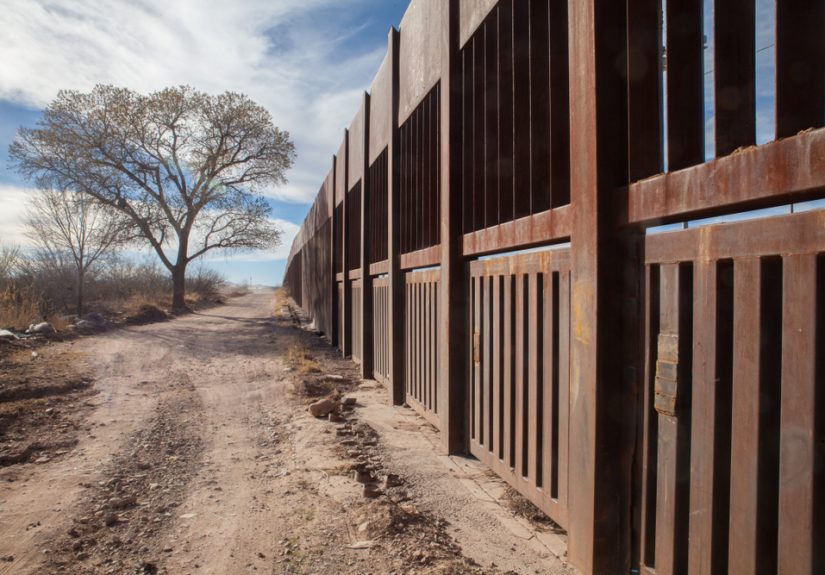
Another myth about border doctors is that they mainly treat migrants in acute crisis. Yes, they may see heat illness, trauma, falls, dehydration, infected wounds, pregnancies in precarious circumstances, or complications from dangerous travel. Studies from the border have documented severe injuries linked to border-wall falls, including traumatic brain injuries and other high-acuity trauma. Emergency responders in Arizona border communities have described periods that feel almost like mass-casualty conditions when crossings rise and calls stack up faster than crews can reset.
But that is only part of the picture. Border doctors also care for long-established local residents, farmworkers, mixed-status families, retired people, schoolchildren, and patients with the same illnesses seen everywhere else in America: hypertension, kidney disease, depression, asthma, obesity, infections, cancers, and chronic pain. The difference is that on the border these conditions are more likely to arrive late, tangled with barriers, and carrying extra emotional weight.
This is what makes the work so demanding. You are not just treating disease. You are treating disease plus delay. Disease plus bureaucracy. Disease plus fear. Disease plus the fact that a patient may have crossed states, shelters, detention settings, or multiple clinics before finally sitting in front of you.
Children Change the Emotional Temperature of the Room
If there is one group that reveals the emotional truth of border medicine, it is children. Pediatric organizations and recent research have repeatedly noted that children who cross the border or arrive as unaccompanied minors may have already experienced violence, exploitation, grief, family separation, or trauma during migration. Many do not simply “bounce back” once they are physically safe. Emotional distress can persist well after resettlement, and some studies have found high levels of ongoing symptoms linked to anxiety, depression, and post-traumatic stress.
For doctors, that means the clinic visit often has two layers. There is the reason the child came in today, and there is the quieter story underneath it. Stomach pain may be stomach pain. It may also be stress. Sleep problems may be about a sleep schedule. They may also be about trauma, uncertainty, or fear of losing a caregiver. A border doctor learns quickly that healing often starts with making the room feel safe enough for the real story to show up.
Medicine on the Border Is Also an Ethics Job
Doctors everywhere deal with paperwork. Border doctors deal with paperwork that has opinions. In these settings, medicine can collide with immigration enforcement, eligibility rules, custody issues, privacy concerns, and policy changes that affect whether patients seek care at all. Providers have described the difficulty of treating patients in custody, including concerns about privacy, patient autonomy, and even whether officers in clinical settings may interfere with the normal rhythm of care.
That creates moral friction. Physicians are trained to focus on the patient in front of them. But on the border, they may also need to protect confidentiality, advocate for informed consent, clarify rights, document injuries carefully, coordinate with legal or social services, and think about how a nonmedical authority in the room changes what a patient is willing to say. In plain English, a border doctor may spend part of the day doing medicine and another part quietly trying to preserve the conditions that make medicine honest.
That tension is not abstract. It shapes everyday decisions. Can this patient speak freely? Does this family understand the plan? Will they come back? Are they avoiding care because of cost, status concerns, or fear that healthcare settings are not neutral spaces? If you are a doctor on the border, you do not get to ignore those questions just because they do not fit neatly into the electronic medical record.
The Insurance Problem Never Really Leaves the Building
Coverage gaps are one of the biggest reasons border medicine feels like medicine on hard mode. In the U.S.-Mexico border region, many residents face high uninsured rates, and noncitizens often run into legal restrictions for Medicaid, CHIP, Marketplace plans, or other federally funded coverage. Even when someone may qualify for help, enrollment barriers, confusion, language differences, and fear can still keep care out of reach.
For a doctor, that means you do not just choose the best treatment. You choose the best treatment the patient can realistically access. That is a very different exercise. A specialist referral may be ideal, but not practical. The gold-standard medication may exist, but not at a price the patient can pay. The perfect follow-up plan may look beautiful in a chart and collapse instantly in real life because the patient has no car, no child care, and a boss who thinks “doctor’s appointment” is another phrase for “not showing up.”
Border doctors become experts in realistic medicine. Not second-rate medicine. Realistic medicine. The kind that asks: what can actually happen next, and how do we keep this patient from falling through the floorboards of the system?
Public Health Matters More Here Than People Realize
Popular rhetoric often paints migration and border health as a story about imported disease, as if every clinic on the southern border is one sneeze away from a disaster movie. The reality is less dramatic and more practical. Physicians and public health experts have consistently stressed that migrant populations need care not because they are uniquely dangerous, but because harsh living conditions, interrupted treatment, crowded shelters, exposure, stress, and limited access to routine services increase ordinary health risks.
That changes the job description. Border doctors do not spend their days hunting exotic mysteries. More often, they are doing the unglamorous work that keeps communities safer: treating infections early, catching dehydration before it becomes organ damage, updating vaccines, screening for pregnancy complications, identifying mental health crises, and keeping chronic illnesses from spinning into emergencies. It is less “medical thriller” and more “please let me stabilize this before it turns into a catastrophe at 2 a.m.”
This is one reason border medicine is so misunderstood. When it works well, it looks boring to outsiders. No headline announces that a physician helped prevent a hospitalization by arranging affordable antibiotics, finding an interpreter, and convincing a terrified patient to come back in 48 hours. But that quiet prevention is the job. And in strained systems, it can be the difference between a manageable case and a disaster.
The Emotional Load Is Heavy, and It Does Not Clock Out
Doctors on the border see the usual burdens of medical practice: understaffing, long shifts, administrative overload, and burnout. Then they get the border version: stories of violence, displacement, uncertainty, and family separation layered on top. Research on the region has shown that border communities can experience high levels of stress linked to migration pressures and healthcare barriers. Recent analysis has also described a behavioral and mental health crisis shaped by trauma, poor living conditions, and enforcement-related strain.
For physicians, that can produce a strange kind of fatigue. It is not just the fatigue of being busy. It is the fatigue of knowing that good care sometimes cannot fully protect a patient from a bad system. A doctor can treat the wound, but not erase the journey that caused it. A doctor can prescribe the inhaler, but not magically create clean housing. A doctor can screen for depression, but not promise a family that life will become stable next week.
And yet, many physicians stay. They stay because border medicine is intensely meaningful. They stay because trust matters in communities that have learned to be cautious. They stay because patients remember who treated them with dignity. They stay because in places where healthcare access is thin, a steady doctor can become part clinician, part anchor, part proof that compassion still has a pulse.
So, What Is It Really Like?
It is not a permanent emergency, although emergencies are part of it. It is not purely political, although policy is always in the room. It is not just humanitarian medicine, and it is not just community medicine. It is both. It is the work of caring for people whose medical needs are inseparable from the conditions around them.
To be a doctor on the border is to practice with a wider-angle lens. You have to think about trauma and transportation, privacy and pregnancy, insulin and immigration stress, sutures and social context. You need clinical skill, stamina, flexibility, cultural humility, and the ability to keep your humanity intact while systems around you sometimes seem determined to misplace theirs.
In other words, it is regular medicine in America with the volume turned all the way up.
What Border Doctors Say the Experience Feels Like, Day to Day
Imagine starting your morning with a patient who came in for high blood pressure and ending the day helping coordinate care for someone who has not slept properly in a week, has not eaten enough in two days, and cannot tell you where all of their medical records went because their life has been lived out of bags, buses, shelters, and waiting rooms. That is the texture of border medicine: not one dramatic case, but constant whiplash between the ordinary and the overwhelming.
Doctors in border communities often describe feeling as if every chart contains a hidden second chart. The visible chart says cough, fracture, pregnancy, fever, anxiety, refill request. The invisible chart says missed wages, crowded housing, language mismatch, fear of authority, family separation, uncertain legal status, no transportation, no insurance, no specialist for three counties, and no room for one more thing to go wrong. The trick, if there is one, is learning to read both charts at once.
There is also a particular emotional discipline to the work. A doctor on the border has to stay calm while hearing stories that would rattle almost anyone. Patients may describe losing medication during detention, struggling to access routine care, or arriving after a journey marked by hunger, injury, grief, and exhaustion. Children may seem composed until one small question opens the door to something much bigger. Adults may appear “fine” until trust builds and the visit turns into a conversation about fear, stress, or trauma. The physician has to be steady enough to hold that moment without letting the clinic grind to a halt around it.
Then there is the constant pressure to improvise without cutting corners. Border doctors become experts at making medicine workable. They know which prescriptions are most likely to be filled, which referrals are realistic, which follow-up plans are too fragile to survive real life, and which community partners can save a case from falling apart. It is a style of medicine that rewards creativity, humility, and practical wisdom. Fancy ideas are nice. Getting a patient to tomorrow is better.
And despite the stress, there are moments of stubborn hope. The child who finally starts sleeping. The diabetic patient who returns with better numbers because someone explained the plan in the right language. The pregnant patient who makes it safely to delivery. The anxious teenager who comes back, which means trust has begun. Border doctors learn to celebrate small victories because small victories are often the most honest kind.
Maybe that is the clearest answer to what it is really like. It is hard. It is morally complicated. It is draining. It can be chaotic, frustrating, and heartbreakingly unfair. But it is also deeply purposeful. Border doctors stand at one of the busiest intersections in American life, where health, policy, community, and survival keep colliding. Their work is not glamorous. It is more important than that.
Conclusion
Being a doctor on the border means practicing medicine where every diagnosis has a backstory and every backstory can change the treatment plan. It is work shaped by physician shortages, high uninsured rates, mental health strain, pediatric trauma, emergency response demands, and constant ethical judgment calls. But it is also a form of medicine that strips away illusions. It reminds us that healthcare is never just about biology. It is also about access, trust, dignity, and whether a community has enough support to keep people from getting sick in the first place.
If you want to understand border medicine, do not imagine a political slogan or a TV rescue montage. Imagine a doctor trying to care for a whole person while a dozen nonmedical forces push in from the edges of the room. That is what the work really looks like. Messy, demanding, and absolutely essential.