Table of Contents >> Show >> Hide
- What Is Japandi Interior Design?
- Why Japandi Feels So Good
- The Core Elements of Japandi Style
- Japandi vs. Scandinavian, Japanese, and Minimalist Design
- How to Bring Japandi Style Into Your Home
- Common Japandi Mistakes to Avoid
- Is Japandi a Good Fit for Real Life?
- What Japandi Feels Like in Real Life: The Experience of Living With It
- Final Thoughts
- SEO Tags
If Scandinavian design and Japanese design had a very calm, very tasteful baby, that baby would be Japandi. It is one of those rare interior styles that feels trendy without acting like it knows it is trendy. No peacocking. No visual shouting. No ten pillows fighting for attention on the same sofa. Just warmth, intention, texture, and a refreshing sense that your home might finally lower your blood pressure instead of raising it.
Japandi interior design combines the clean function of Scandinavian spaces with the quiet elegance of Japanese interiors. The result is simple but not sterile, cozy but not cluttered, and polished without looking like no one is allowed to sit down. It is the design equivalent of taking a deep breath and putting your phone on silent.
In this complete guide, we will break down what Japandi style really is, where it comes from, what makes it different from plain old minimalism, and how to use it in real rooms without accidentally creating a space that looks like an empty yoga studio with one expensive chair.
What Is Japandi Interior Design?
Japandi is a hybrid design style that blends Japanese and Scandinavian aesthetics. From the Japanese side, it borrows a respect for simplicity, craftsmanship, natural materials, and the beauty of imperfection. From the Scandinavian side, it takes functionality, comfort, warmth, and that famous cozy feeling often associated with hygge.
That combination matters because these two styles are more compatible than they first appear. Both value restraint. Both appreciate nature. Both prefer meaningful objects over decorative overload. Both believe a room should work well for real life, not just for a photo shoot. When they come together, you get a home that feels serene, practical, and deeply livable.
Japandi is often described as minimal, but that can be misleading. It is not about owning only three bowls and a floor lamp. It is about editing your home with care. Everything has a reason to be there. Storage matters. Quality matters. Texture matters. Mood matters. In other words, Japandi is less “empty house” and more “peaceful house.” Big difference.
Why Japandi Feels So Good
There is a reason Japandi has stuck around while other aesthetics have done their little social media twirl and vanished into the algorithm. It addresses how people actually want to feel at home. Calm. Grounded. Comfortable. Slightly more put together than they were five minutes ago.
Japanese interiors often emphasize harmony, asymmetry, and connection to nature. Scandinavian spaces prioritize light, comfort, and everyday function. Put those ideas together and you get rooms that feel human. Not perfect. Not precious. Human.
That is also why Japandi works so well in modern homes. Today’s spaces often need to do a lot: living room, reading nook, work zone, snack headquarters, occasional emotional support corner. Japandi supports that kind of life because it favors flexibility, uncluttered layouts, and furniture that earns its keep.
The Core Elements of Japandi Style
1. A Calm, Nature-Inspired Color Palette
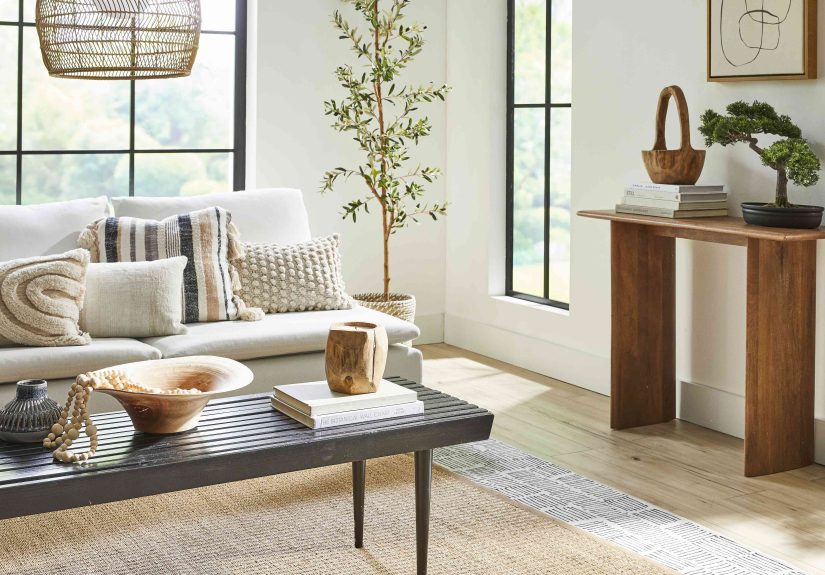
Japandi colors do not scream across the room. They murmur politely. Think warm whites, creamy beiges, mushroom, taupe, sand, soft greige, clay, charcoal, black, muted sage, olive, smoky blue, and earthy browns. The palette should feel grounded and natural, like it was borrowed from wood, stone, linen, and shadow.
This does not mean every room has to be beige from floor to ceiling. In fact, the best Japandi spaces usually have subtle contrast. A pale wall might sit next to medium oak cabinetry. A cream sofa may be anchored by a charcoal lamp or black-framed artwork. A soft sage accent can bring a room to life without hijacking the atmosphere.
The golden rule is to avoid colors that feel harsh, glossy, or overly synthetic. Japandi likes tones with depth and softness. If a color looks like it belongs in a cartoon race car commercial, it probably does not belong here.
2. Natural Materials With Real Texture
Japandi lives and dies by materials. Wood is a star player, especially oak, walnut, beech, ash, and other finishes that show natural grain. Stone, clay, plaster, concrete, paper, linen, cotton, wool, leather, rattan, and woven grasses all fit the look beautifully.
The point is not luxury for luxury’s sake. It is authenticity. Japandi spaces feel rich because they use tactile materials that age well and carry character. A handmade ceramic vase, a linen curtain with a soft drape, a plaster wall with a subtle irregular finish, or a wool rug with gentle texture can do more for a room than ten shiny accessories ever could.
This is also where the Japanese influence of wabi-sabi comes in. Slight irregularities are welcome. A hand-thrown bowl that is not perfectly symmetrical? Great. A wood bench with visible grain and knots? Even better. Japandi does not want your home to feel factory-fresh in a creepy way.
3. Clean Lines and Low, Functional Furniture
Furniture in Japandi interiors tends to be simple, well-made, and quietly confident. You will see low-profile beds, streamlined sofas, dining tables with softened edges, open shelving, and pieces that sit close to the floor. The lines are clean, but not cold. Curves and rounded corners help keep the room from feeling too severe.
Function is a big part of the appeal. A Japandi coffee table is not just pretty. It should also make sense in the room. A console should provide storage or display space without becoming a magnet for random receipts and charger cables. A bench should look sculptural, yes, but it should also be capable of holding an actual human.
Quality matters more than quantity. Instead of cramming a room with furniture, Japandi favors fewer, better pieces. One beautiful lounge chair beats three awkward little accent chairs that no one likes but everyone feels too guilty to get rid of.
4. Light, Shadow, and Breathing Room
Japandi style embraces natural light, but it also appreciates shadow and atmosphere. Rooms should feel open and airy without becoming overexposed or clinical. Window treatments are often simple: linen panels, woven shades, or other soft materials that filter light rather than block it like a dramatic theater curtain.
Lighting should be warm and layered. Paper lanterns, sculptural pendants, table lamps with linen shades, and wall sconces with soft glow all work well. Overhead lighting that makes your home feel like a dentist’s office does not.
Equally important is negative space. Japandi is not afraid of leaving areas visually quiet. Empty space is not wasted space here. It gives the eye a place to rest and lets beautiful materials, shapes, and objects stand out.
5. Craftsmanship, Storage, and Intentional Styling
Japandi rewards thoughtful choices. Handmade ceramics, vintage wood pieces, woven baskets, and artisanal lighting all support the style because they add soul without clutter. Storage is also essential. Built-ins, closed cabinets, and well-placed baskets help keep surfaces calm.
Styling should be spare but meaningful. A branch in a ceramic vessel. A stack of books you actually read. One sculptural bowl. A framed textile or minimal artwork. Japandi does not need much, but what it includes should feel considered.
Japandi vs. Scandinavian, Japanese, and Minimalist Design
Japandi overlaps with several styles, which is why it is often misunderstood.
Scandinavian design is usually brighter, lighter, and more overtly cozy. It often leans into pale woods, white walls, and soft textiles. Japandi keeps the warmth but adds a little more restraint and depth.
Japanese design can be more rooted in tradition, spatial balance, and ritual. Japandi borrows that quiet elegance, but adapts it for modern Western homes and mixes it with Nordic practicality.
Minimalism often focuses on reduction. Japandi focuses on harmony. That sounds subtle, but it matters. Minimalism can sometimes feel severe. Japandi is gentler. It wants less clutter, not less life.
How to Bring Japandi Style Into Your Home
Living Room
Start with a soft neutral base: warm white walls, an oatmeal or stone-colored sofa, and a natural fiber rug. Add a wood coffee table, a low media console, and a few matte black or charcoal accents for structure. Bring in texture through linen curtains, a wool throw, and a ceramic lamp.
Resist the urge to over-style every surface. Your coffee table does not need a candle, a tray, four books, a bead garland, and a bowl of decorative spheres that look like they came from a very expensive salad bar. One or two pieces are enough.
Bedroom
Japandi and bedrooms are an excellent match because both want the same thing: peace and quiet. A low wooden bed frame, simple bedding in linen or cotton, layered neutrals, and soft lighting go a long way. If you want contrast, use black hardware, a charcoal throw, or a darker wood nightstand.
Bedrooms also benefit from the Japandi habit of reducing visual noise. Hide cords. Limit decor. Choose furniture with clean silhouettes. Let natural light and bedding texture do the heavy lifting.
Kitchen and Dining Area
Japandi kitchens often feature wood cabinetry, matte finishes, stone or concrete surfaces, and simple hardware. Open shelving can work, but only if you are disciplined enough not to turn it into a chaotic mug museum. Closed storage is often the calmer option.
In the dining area, choose a sturdy table in natural wood, sculptural chairs, and understated tableware. Handmade ceramics are perfect here because they add character without fuss. The goal is a space that feels warm, functional, and easy to gather in.
Bathroom
A Japandi bathroom should feel like a tiny exhale. Use wood vanities, stone finishes, warm whites, soft grays, and tactile towels. Matte black accents can add definition. Plants, if the room gets enough light, help reinforce the natural connection. Keep counters clear and accessories minimal.
Home Office
A Japandi office works because the style naturally supports focus. Use a simple desk, a comfortable but streamlined chair, layered lighting, and concealed storage. Add one or two personal pieces, such as a ceramic cup, a framed sketch, or a branch arrangement, so the room feels warm rather than corporate.
Common Japandi Mistakes to Avoid
- Mistaking bland for calm: A room without contrast or texture can feel flat. Japandi needs visual depth.
- Buying everything new at once: The best spaces feel collected, not copied from one shopping cart.
- Going too cold: If your neutrals lean icy and your materials are all slick, the room will lose its warmth.
- Ignoring storage: Clutter is the fastest way to break the mood.
- Over-decorating with “Zen” clichés: You do not need a bamboo sign, fake bonsai army, and a pebble fountain that sounds like a leaking pipe.
Is Japandi a Good Fit for Real Life?
Yes, and that is one reason it has such staying power. Japandi works in small apartments because it values multipurpose furniture, open space, and smart storage. It works in family homes because it prioritizes durability, comfort, and layouts that support daily routines. It even works for people who like a little personality, because the style is flexible enough to include art, vintage finds, and gentle color when used intentionally.
You do not need to renovate your entire house to get the look. Start with one room. Edit what is there. Replace the loudest, least useful pieces first. Introduce better textures. Choose warmer neutrals. Add storage. Upgrade the lighting. Often, Japandi appears not because you bought a “Japandi set,” but because you made a series of smarter, calmer decisions.
What Japandi Feels Like in Real Life: The Experience of Living With It
Here is the part design articles sometimes forget: people do not just look at rooms. They live in them. And Japandi really shines in the lived experience.
Imagine walking into your living room after a long day. The palette is soft, so your eyes do not feel ambushed. The sofa is comfortable, but not oversized and sloppy. The lamp glows warmly. The wood tones feel grounded. There is a place for the remote, a place for the blanket, and a place for the stack of mail that would otherwise try to colonize your coffee table. Nothing is yelling for attention, which means your nervous system can finally unclench its tiny fists.
In the morning, a Japandi bedroom tends to feel especially good. Natural light moves across linen bedding, wood surfaces, and simple shapes in a way that feels gentle instead of jarring. You are not waking up to neon accent pillows and a gallery wall having a crisis above your head. The room feels clear. Calm. Maybe even noble. You, on the other hand, may still need coffee, but at least the room is doing its best.
The kitchen experience changes too. In a Japandi-inspired kitchen, counters are easier to keep clear because storage is part of the plan, not an afterthought. The materials are tactile and warm. A ceramic bowl of fruit, a wood cutting board, or a matte stone surface suddenly makes everyday routines feel a little more intentional. Toast still burns if you forget about it, of course. Japandi is not magic. It is just very persuasive design.
There is also an emotional effect that is harder to measure but easy to notice. Japandi rooms tend to encourage slower habits. You might sit down more. Read more. Open the window. Notice the afternoon light. Light the lamp instead of the overhead glare monster. These spaces make simple routines feel richer because they strip away a lot of visual static.
For many people, the best part is that Japandi does not demand perfection. A handmade mug looks better because it is slightly irregular. A wood bench gains charm as it ages. A linen curtain wrinkles a little and nobody files a complaint. That makes the home feel more forgiving. More real. More welcoming.
And yes, Japandi can absolutely coexist with ordinary life. Kids, pets, movie nights, takeout containers, and socks that mysteriously appear in the hallway are all still part of the human experience. But when a home is designed with intention, it becomes easier to reset. Easier to tidy. Easier to breathe. Easier to enjoy.
That, ultimately, is the real appeal of Japandi interior design. It does not just photograph well. It supports a better daily rhythm. It turns a home into a quieter backdrop for living, which may be the most luxurious thing of all.
Final Thoughts
Japandi interior design is more than a passing aesthetic. It is a thoughtful blend of Japanese restraint and Scandinavian comfort that creates rooms with beauty, function, and emotional ease. It favors natural materials, muted colors, low-profile furniture, soft light, and objects chosen with care. It asks you to edit rather than strip away, and to create a home that feels grounded instead of staged.
If your dream home looks calm, warm, uncluttered, and quietly stylish, Japandi might be your perfect match. Not because it is trendy, but because it understands something important: a good room should help you live better, not just impress strangers on the internet.