Table of Contents >> Show >> Hide
- Introduction: When Your Palm Looks Like It Has a Tiny Speed Bump
- What Is the Heart Line in the Hand?
- What Is a Callus?
- So, What Do Calluses on the Heart Line Mean?
- Common Causes of Calluses on the Heart Line
- How to Tell If It Is Really a Callus
- Callus vs. Wart vs. Eczema: Know the Difference
- Palmistry Interpretations by Location on the Heart Line
- Does a Callus on the Heart Line Mean Heart Problems?
- How to Care for Calluses on the Heart Line
- When Should You See a Doctor?
- Can You Prevent Calluses on the Heart Line?
- Emotional Symbolism: A Fun but Balanced View
- Specific Examples
- Real-Life Experiences Related to Calluses on the Heart Line
- Conclusion
- SEO Tags
Note: This guide combines practical skin-health information with traditional palmistry interpretations. A callus on the heart line is usually a sign of repeated friction or pressure, not a guaranteed spiritual message, medical diagnosis, or cosmic memo written by your palm.
Introduction: When Your Palm Looks Like It Has a Tiny Speed Bump
You glance at your hand and notice a rough, hardened patch sitting right on the heart linethe upper horizontal crease that palm readers often associate with love, emotions, and relationships. Naturally, your brain asks the big questions: Is this a sign? Is my love life trying to file a complaint? Did my hand just develop emotional armor?
The most honest answer is refreshingly down-to-earth: calluses on the heart line in the hand usually mean your skin is protecting itself from repeated rubbing, pressure, or irritation. The location may feel meaningful because it sits on a famous palmistry line, but medically, a callus is simply thickened skin. Your body builds it like a tiny protective shield.
That said, people are curious creatures. We like meaning. We name stars, analyze dreams, and wonder why one palm line looks different from another. So in this complete guide, we will look at both sides: what a callus on the heart line means from a skin-health perspective and what it may symbolize in palmistry. We will also cover common causes, examples, care tips, warning signs, and real-life experiences people often have with this oddly specific palm mystery.
What Is the Heart Line in the Hand?
In palmistry, the heart line, also called the love line, is the upper major crease running across the palm beneath the fingers. It usually begins near the outer edge of the palm under the pinky finger and travels toward the index or middle finger. Traditional palm readers associate this line with emotional style, affection, romantic patterns, sensitivity, boundaries, and how a person connects with others.
From an anatomy viewpoint, palm lines are skin creases created by hand movement, development, and repeated folding. They help the skin bend as your hand opens, closes, grips, lifts, types, waves, and dramatically points at a menu when you finally decide what you want for lunch.
What Is a Callus?
A callus is an area of thickened, hardened skin that forms when the skin experiences ongoing friction or pressure. It is common on hands and feet because these areas do a lot of work. On the hands, calluses may appear from weightlifting, gardening, using tools, playing guitar, holding sports equipment, gripping a steering wheel, rowing, or even repeatedly pressing the same area against a desk or device.
Calluses are usually wider and flatter than corns. They may look yellowish, grayish, dry, rough, or slightly raised. They are often less sensitive than the surrounding skin because the outer layer has thickened. In many cases, they are harmless. Annoying? Sometimes. Dramatic? Only if you give them a backstory.
So, What Do Calluses on the Heart Line Mean?
The Medical Meaning
Medically, a callus on the heart line means that this part of your palm is receiving repeated friction, rubbing, pressure, or irritation. The heart line location itself does not change the medical meaning. Your skin is responding to stress by building extra layers for protection.
For example, if you lift weights, the bar may press across the upper palm near the heart line. If you use a hammer, tennis racket, golf club, garden tool, or rowing handle, that same area may absorb pressure. If you play guitar or hold a tool in a very specific grip, your palm may develop a patch exactly where the object rubs.
The Palmistry Meaning
In palmistry, a mark, bump, thick patch, or roughness on the heart line may be interpreted symbolically. Some readers may say it points to emotional protection, guarded affection, relationship stress, or repeated “pressure” in matters of the heart. A callus can be read as a metaphor: the heart has learned to toughen up.
However, palmistry is not a science-based diagnostic system. It can be fun, reflective, and personally meaningful, but it should not replace medical advice, therapy, or common sense. If your palm has a callus because you recently started deadlifting, the universe may not be whispering about your romantic destiny. It may simply be saying, “Buy better gym gloves.”
Common Causes of Calluses on the Heart Line
1. Weightlifting and Gym Equipment
Barbells, dumbbells, pull-up bars, kettlebells, and cable handles often press into the upper palm. If the pressure falls across the heart line, a callus may form there. This is especially common when grip technique places the bar too deep in the palm instead of closer to the base of the fingers.
2. Manual Work and Tools
Carpenters, mechanics, gardeners, landscapers, painters, warehouse workers, and DIY warriors may develop calluses on specific palm lines because tools rub the same spot again and again. The heart line area can take pressure from handles, pliers, shovels, screwdrivers, or hammers.
3. Sports Grips
Tennis, pickleball, baseball, golf, rowing, climbing, cycling, and martial arts training can all create friction across the palm. If your grip is firm and repetitive, your skin notices. It responds by growing tougher, because apparently your palm has a better work ethic than most group projects.
4. Musical Instruments
Guitarists are famous for fingertip calluses, but some instruments can also create palm pressure. Percussion, string instruments, and certain performance grips may irritate the upper palm over time.
5. Daily Habits You Barely Notice
Sometimes the cause is surprisingly ordinary. You may grip your phone, steering wheel, cane, crutch, shopping bags, dog leash, or laptop edge in a way that puts pressure along the heart line. Small habits become visible when repeated for weeks or months.
How to Tell If It Is Really a Callus
A callus is usually broad, dry, rough, and thick. It may feel hard but not sharply painful. The skin lines may continue through it, although they can look muted or distorted. The area may improve if you reduce friction and moisturize regularly.
It may not be a callus if it has black dots, spreads quickly, bleeds, itches intensely, forms fluid-filled blisters, has a central core, or becomes red, warm, swollen, or painful. Those signs may suggest something else, such as a wart, eczema, corn, infection, or another skin condition.
Callus vs. Wart vs. Eczema: Know the Difference
Callus
A callus forms from pressure or friction. It usually looks like thickened, rough skin and tends to appear exactly where repeated rubbing occurs. It often improves when the irritating activity is reduced or protected.
Wart
A wart may look rough like a callus, but it is caused by a virus. Warts can interrupt normal skin lines and may show tiny dark dots. They can be tender when squeezed from the sides. If you are not sure, do not dig at it like you are excavating treasure. A dermatologist can identify it safely.
Hand Eczema
Eczema on the hands may cause itching, redness, dryness, cracking, peeling, or small blisters. Dyshidrotic eczema can create tiny, intensely itchy blisters on the palms or sides of the fingers. If your “callus” is itchy, blistery, or comes and goes in flares, eczema may be part of the picture.
Palmistry Interpretations by Location on the Heart Line
If you enjoy palmistry, the exact location of the callus may add symbolic flavor. Again, this is for reflection, not prediction carved in stone.
Under the Pinky Finger
A callus near the outer start of the heart line may be interpreted as emotional self-protection, guarded communication, or caution in intimacy. In everyday terms, it might also mean your tennis racket, shovel, or steering wheel hits that spot.
Under the Ring Finger
This area may be linked with romance, creativity, affection, and idealism. A callus here may be read as pressure around love, attention, or emotional expectations. It may also appear from gripping gym equipment, sports handles, or tools.
Under the Middle Finger
A mark here may be interpreted as seriousness, responsibility, or emotional restraint. In practical terms, this is a common pressure zone for lifting, climbing, and manual labor.
Near the Index Finger
In palmistry, the heart line ending near the index finger may suggest high standards, loyalty, and idealistic love. A callus in this area may symbolize emotional boundaries or repeated pressure around expectations. Medically, it still means friction.
Does a Callus on the Heart Line Mean Heart Problems?
No. A callus on the heart line does not mean you have heart disease. The “heart line” is a palmistry term, not a medical map of your cardiovascular system. A rough patch on that crease is much more likely to be related to skin pressure than to the physical heart.
However, if you have chest pain, shortness of breath, dizziness, unusual fatigue, or other concerning symptoms, do not use palm lines to decide what to do. Seek medical care promptly. Your palm is interesting, but it is not an emergency room.
How to Care for Calluses on the Heart Line
Reduce the Friction
The most important step is to identify what is rubbing the area. Look at your workouts, tools, hobbies, and daily habits. Try gloves, padded grips, better technique, or shorter sessions while the skin calms down.
Moisturize Daily
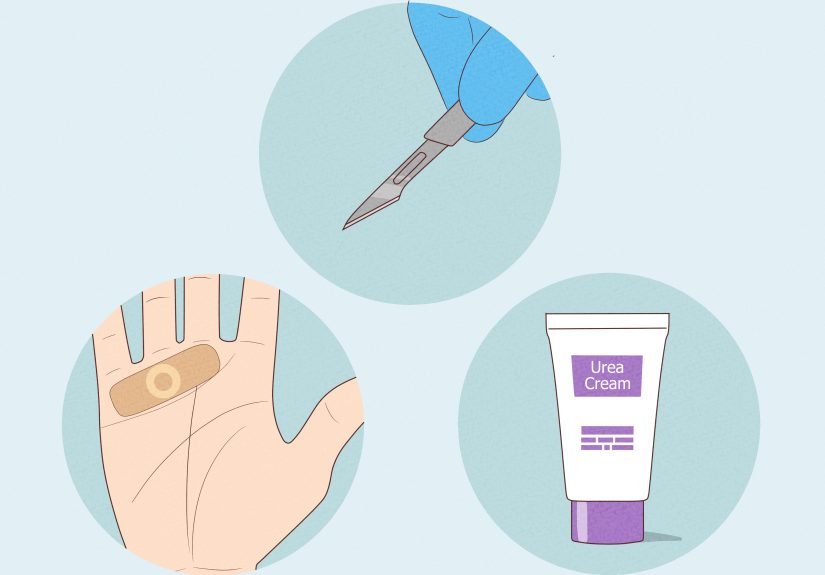
Use a thick hand cream, especially after washing your hands and before bed. Ingredients like urea, glycerin, petrolatum, or lactic acid can help soften rough skin. If you use stronger exfoliating products, start slowly to avoid irritation.
Soak and Smooth Gently
Soaking the hand in warm water for several minutes can soften the callus. Afterward, you may gently use a pumice stone or file to smooth the thickened skin. Do not overdo it. The goal is “softened palm,” not “I fought a cheese grater and lost.”
Do Not Cut It Off
Avoid shaving or cutting a callus with blades, scissors, or sharp tools. This can cause cuts, infection, and more trouble than the callus itself. People with diabetes, nerve problems, poor circulation, or immune concerns should be especially careful and ask a healthcare professional before treating thickened skin at home.
When Should You See a Doctor?
Consider seeing a dermatologist or healthcare provider if the area is painful, bleeding, cracking deeply, spreading, changing color, or not improving after you reduce friction. Also get checked if you see signs of infection, such as warmth, swelling, pus, red streaks, or increasing tenderness.
You should also get medical advice if you have diabetes, poor circulation, nerve damage, or a weakened immune system. In those cases, even small skin problems can become more serious if ignored.
Can You Prevent Calluses on the Heart Line?
Yes, often. Prevention is mostly about managing friction before your skin starts building a tiny wall. Wear gloves for tools or weightlifting, use padded grips, adjust your hand position, keep your skin moisturized, and take breaks during repetitive tasks.
If you lift weights, try holding the bar closer to the base of the fingers rather than deep in the palm. If you garden, use well-fitting gloves. If you play sports, check your grip size. If your dog pulls like a furry freight train, consider a leash handle with paddingand maybe obedience training, for both of you.
Emotional Symbolism: A Fun but Balanced View
For people who enjoy symbolic interpretation, a callus on the heart line can be a useful prompt for self-reflection. Ask yourself: Where am I feeling pressure? Am I protecting myself emotionally? Am I repeating a pattern that makes me tougher but not necessarily happier? Am I holding on too tightlyto a person, a role, a fear, or a kettlebell?
The beauty of this interpretation is not that the callus “predicts” your future. It is that it can start a meaningful conversation with yourself. Sometimes the body gives us practical clues, and sometimes we turn those clues into emotional insight. Just keep both feet on the ground and both hands moisturized.
Specific Examples
The New Gym Member
A person starts strength training and notices a rough patch across the upper palm after two weeks. The callus sits right on the heart line. The likely cause is bar pressure. The practical fix is grip adjustment, gradual training, and hand care. The symbolic takeaway might be learning strength without unnecessary strain.
The Gardener
Someone spends spring weekends pruning, digging, and carrying pots. A callus forms under the ring and middle fingers. The cause is repeated tool pressure. Gloves and softer grips help. In palmistry language, the mark may feel like a sign of devotion, creativity, and nurturingalso known as “I planted twelve tomatoes and forgot I only eat two.”
The Overworked Professional
A desk worker notices thickened skin where the palm rests against a laptop edge or mouse. The callus is small but persistent. The fix may involve changing workstation setup, using wrist support, and moisturizing. Symbolically, it may invite reflection on stress, boundaries, and how work habits show up physically.
Real-Life Experiences Related to Calluses on the Heart Line
Many people first notice a callus on the heart line by accident. They are washing their hands, applying lotion, or scrolling on their phone when the thumb brushes across a rough patch. The discovery can feel oddly personal because the palm is such an expressive part of the body. We shake hands, hold hands, cook, work, create, comfort, and gesture with it. So when a mark appears on a famous line like the heart line, curiosity shows up immediately and pulls up a chair.
One common experience is the “new hobby callus.” Someone begins weightlifting, rock climbing, gardening, rowing, tennis, or guitar practice. A few weeks later, the palm develops a firm patch. At first, it may feel like a badge of honor. The person thinks, “Look at me becoming rugged and capable.” Then the callus cracks, snags on fabric, or feels sore during the next session, and suddenly ruggedness needs a moisturizer with a strong work ethic.
Another familiar experience is the “mystery callus.” This happens when someone cannot immediately connect the rough spot to any activity. After some detective work, they realize they grip the steering wheel in the same position every day, carry grocery bags hooked across the palm, hold a phone with pressure against one crease, or lean on a cane or desk edge. The cause was never dramatic; it was simply consistent. Skin is an excellent historian. It records habits you forgot you had.
People interested in palmistry often describe a callus on the heart line as emotionally symbolic. They may notice it during a stressful relationship, after a breakup, during caregiving, or while working through personal boundaries. Even when the physical cause is obvious, the timing can feel meaningful. A gardener may know the callus came from pruning shears but still see it as a reminder that love also requires maintenance. A lifter may know the bar caused it but still interpret it as a sign of becoming stronger after emotional pressure.
The best approach is to allow both interpretations to coexist without confusing them. Practically, care for the skin. Reduce friction, protect the palm, and treat cracks early. Reflectively, ask what the mark makes you think about. Are you gripping life too tightly? Are you carrying too much responsibility? Are you building healthy resilience or just hardening yourself because you have not had time to rest?
In everyday life, a callus on the heart line can become a tiny reminder to balance toughness with tenderness. Strong hands are useful. Softness is useful too. You can protect your skin without ignoring your feelings, and you can explore symbolism without turning every rough patch into a prophecy. Sometimes a callus means you worked hard. Sometimes it means your grip needs adjusting. And sometimes, in the most human way possible, it means both.
Conclusion
A callus on the heart line in your hand usually means repeated friction or pressure has caused the skin to thicken. It may come from lifting weights, using tools, playing sports, gardening, driving, holding devices, or other repeated habits. From a medical perspective, the location on the heart line does not make it dangerous or mystical.
From a palmistry perspective, the heart line is associated with emotions, relationships, sensitivity, and affection. A callus there may be interpreted as emotional protection, pressure, or resilience. That interpretation can be fun and personally meaningful, as long as you remember that palmistry is symbolic, not scientific proof.
The smartest move is simple: care for the skin, reduce the friction, watch for warning signs, and enjoy the symbolism without letting it boss you around. Your hand may be telling a story, but it is probably also asking for lotion.