Table of Contents >> Show >> Hide
- What Does “Hormone-Disrupting Chemical” Mean?
- Common Examples of Hormone-Disrupting Chemicals
- Where Are People Exposed to Hormone-Disrupting Chemicals?
- Why Are Scientists Concerned?
- How to Reduce Exposure Without Losing Your Mind
- 1. Do Not Heat Food in Plastic
- 2. Choose Fresh or Minimally Processed Foods More Often
- 3. Use Fragrance-Free Products When Practical
- 4. Filter Water if You Have a Known Problem
- 5. Control Dust
- 6. Be Careful With Old Nonstick Cookware
- 7. Avoid Receipts When You Do Not Need Them
- 8. Read Labels, But Do Not Obsess
- Who May Be More Vulnerable?
- Common Myths About Hormone-Disrupting Chemicals
- What to Ask Your Doctor
- Everyday Experiences With Hormone-Disrupting Chemicals
- Conclusion: Understanding EDCs Without the Panic
- SEO Metadata
Hormones are tiny chemical messengers with very big opinions. They help tell the body when to grow, sleep, burn energy, build bone, start puberty, regulate mood, support fertility, respond to stress, and do dozens of other jobs that keep daily life from turning into biological jazz improvisation. So when scientists talk about hormone-disrupting chemicals, also called endocrine-disrupting chemicals or EDCs, they are talking about substances that may interfere with this messaging system.
That sounds dramatic, and sometimes the internet makes it sound even more dramatic, as if one plastic spoon is plotting against your thyroid. The real story is more careful and more useful. Hormone-disrupting chemicals are found in some plastics, pesticides, food packaging, personal care products, flame retardants, nonstick or stain-resistant materials, and industrial pollutants. Exposure can happen through food, water, dust, air, and skin contact. The goal is not to panic or try to live in a glass bubble. The goal is to understand where these chemicals show up, why scientists study them, and which practical habits may reduce unnecessary exposure.
What Does “Hormone-Disrupting Chemical” Mean?
A hormone-disrupting chemical is a substance from outside the body that can interfere with how hormones are made, released, transported, received, broken down, or cleared. In plain English: it may confuse the body’s internal messaging system.
The endocrine system includes glands such as the thyroid, pancreas, ovaries, testes, adrenal glands, pituitary gland, and hypothalamus. These glands release hormones into the bloodstream. Hormones then travel to tissues and organs, where they attach to receptors and trigger specific responses. Think of hormones as keys and receptors as locks. An endocrine-disrupting chemical may act like a fake key, block the real key, or jam the lock altogether.
How EDCs Can Interfere With Hormones
Scientists generally describe several major ways hormone-disrupting chemicals may work:
- Mimicking hormones: Some chemicals can imitate natural hormones, such as estrogen, and trigger hormone-like effects.
- Blocking hormone signals: Some chemicals may prevent natural hormones from binding to their receptors.
- Changing hormone levels: Some substances may affect how hormones are produced, metabolized, or eliminated.
- Altering receptor sensitivity: Some exposures may affect how strongly cells respond to hormone signals.
- Interfering during development: Exposure during pregnancy, infancy, childhood, and puberty can be especially important because hormones guide growth and development.
One reason EDCs are scientifically tricky is that hormones naturally work at very low levels. A small hormonal signal can have a large biological effect, especially during sensitive windows of development. That is why researchers often pay attention not only to high exposures, but also to repeated low-level exposures from everyday sources.
Common Examples of Hormone-Disrupting Chemicals
EDCs are not one single chemical family. They are a broad category of substances that may have endocrine activity. Some are manufactured; some occur naturally; some persist in the environment for years; others break down quickly but are encountered often.
Bisphenols, Including BPA
Bisphenol A, better known as BPA, has been used in certain hard plastics and epoxy resins, including some food and beverage can linings. BPA is often discussed because it can have estrogen-like activity in laboratory studies. Many companies now market products as “BPA-free,” but that label does not automatically mean the replacement chemicals are risk-free. Some BPA substitutes, such as BPS or BPF, are also being studied for possible endocrine effects.
Regulators and scientists do not always describe the risk in the same way. For example, U.S. food regulators have stated that BPA remains safe at current levels occurring in foods for approved uses, while many endocrine researchers continue to call for more cautious evaluation of low-dose and developmental exposures. For readers, the practical takeaway is balanced: understand the debate, reduce unnecessary exposure where easy, but do not let fear run your grocery list.
Phthalates
Phthalates are chemicals used to make some plastics more flexible and to help fragrances last longer. They may appear in certain food contact materials, vinyl products, personal care items, cleaning products, and household dust. Some phthalates have been studied for possible effects on reproductive development, hormone levels, fertility, and child development.
One common exposure route is food, especially when food is processed, packaged, or handled with materials that contain certain plasticizers. Another route is fragrance. The word “fragrance” on a label can represent a mixture of ingredients, and some products may contain phthalates even when the front of the bottle looks fresh, clean, and innocent enough to host a yoga retreat.
PFAS, or “Forever Chemicals”
PFAS stands for per- and polyfluoroalkyl substances. This large class of chemicals has been used in products designed to resist water, grease, stains, and heat. PFAS can be found in some nonstick cookware, stain-resistant textiles, water-resistant gear, firefighting foams, food packaging, contaminated drinking water, and certain industrial settings.
PFAS are often called “forever chemicals” because many of them resist breaking down in the environment. Some PFAS have been associated in research with immune effects, cholesterol changes, thyroid disruption, liver effects, reproductive concerns, and certain cancers. Not every PFAS chemical has the same evidence profile, but the class as a whole is a major public health focus because of its persistence and widespread exposure.
Pesticides
Some pesticides have endocrine-disrupting properties. This does not mean every pesticide has the same effect or risk, but certain insecticides, herbicides, and fungicides have been studied for possible impacts on thyroid hormones, reproductive hormones, and development. Farmworkers, people living near agricultural areas, pregnant people, infants, and children may be important groups for exposure-reduction efforts.
Flame Retardants
Flame retardants are added to some furniture, electronics, building materials, and textiles to reduce flammability. Certain older flame retardants, including some PBDEs, have been phased out or restricted, but they can persist in older products and indoor dust. Some flame retardants have been studied for potential effects on thyroid hormones and neurodevelopment.
Parabens and Other Personal Care Ingredients
Parabens are preservatives used in some cosmetics, lotions, shampoos, and personal care products. They help prevent microbial growth, which is useful because nobody wants their moisturizer to become a tiny swamp. However, parabens can show weak estrogen-like activity, and researchers continue to study what repeated exposure may mean, especially when people use multiple products every day.
Where Are People Exposed to Hormone-Disrupting Chemicals?
Most people encounter endocrine-disrupting chemicals through ordinary routines. That is part of what makes the topic important. Exposure is not limited to laboratories, factories, or dramatic disaster scenes. It can be as boring as reheating leftovers, applying scented lotion, drinking water, sitting on an old couch, eating packaged food, or breathing dust in a room that desperately needs a vacuum.
Food and Food Packaging
Food can be a major exposure pathway for chemicals such as phthalates, bisphenols, PFAS, and some pesticide residues. Chemicals may enter food through processing equipment, packaging, can linings, plastic containers, or environmental contamination. Higher-fat foods can sometimes absorb certain chemicals more readily because some compounds are fat-soluble.
Practical steps include using glass or stainless steel for hot foods, avoiding microwaving food in plastic unless the container is specifically designed for that use, eating more fresh or minimally processed foods when possible, and washing produce. These steps will not remove every exposure, but they can reduce avoidable ones without requiring a lifestyle sponsored by perfectionism.
Drinking Water
Some communities have drinking water contaminated with PFAS, pesticides, industrial chemicals, or other pollutants. Public water systems in the United States are monitored for many contaminants, but issues vary by location. People who use private wells may need to test their water independently because private wells are not regulated in the same way as municipal systems.
Indoor Dust
Dust is not just tiny gray confetti. It can contain residues from flame retardants, plasticizers, pesticides, PFAS-treated materials, and other chemicals that shed from products over time. Children can have higher dust exposure because they play close to the floor and put their hands in their mouths. Regular wet mopping, vacuuming with a HEPA filter, and handwashing before meals can help lower dust-related exposure.
Personal Care and Cleaning Products
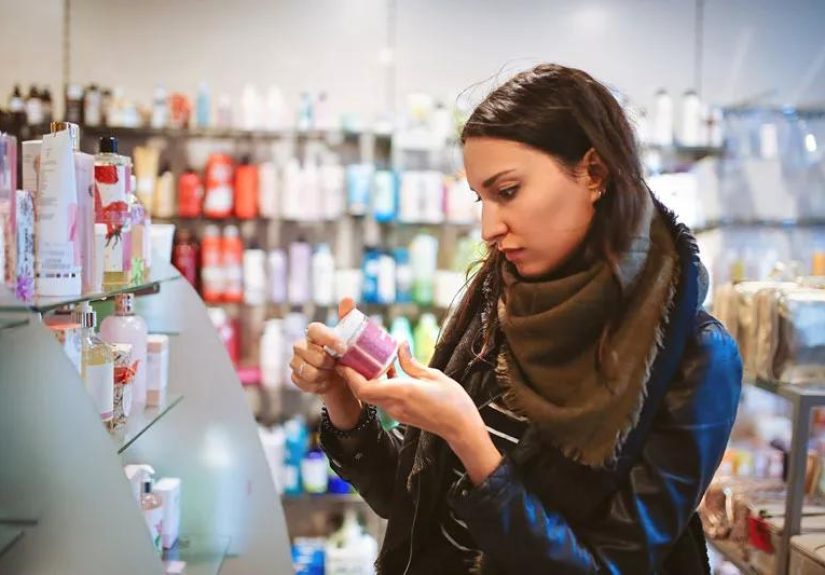
Shampoo, lotion, perfume, deodorant, cosmetics, nail products, air fresheners, and cleaners may contain ingredients with endocrine activity or undisclosed fragrance mixtures. Choosing fragrance-free products, reading labels, and simplifying the number of products used daily can reduce exposure. This does not mean you must break up with every product in your bathroom cabinet. It means your cabinet does not need to look like a beauty store exploded.
Why Are Scientists Concerned?
Hormones help regulate reproduction, metabolism, brain development, immune function, growth, stress response, and thyroid activity. Because endocrine signals are involved in so many systems, chemicals that interfere with those signals may have wide-ranging effects.
Research has explored links between EDC exposure and fertility problems, altered puberty timing, thyroid disorders, metabolic changes, obesity risk, diabetes risk, neurodevelopmental outcomes, immune effects, pregnancy complications, and some hormone-sensitive cancers. Importantly, association does not always prove direct cause. Human health research is complicated because people are exposed to mixtures of chemicals, not one chemical at a time in a neat little science jar.
Timing Matters
Exposure timing may be just as important as exposure amount. Pregnancy, infancy, childhood, and puberty are sensitive windows because hormones guide organ development and long-term biological programming. An exposure that has little obvious effect in a healthy adult may matter more during fetal development or early childhood. This is why pediatricians and obstetricians often emphasize prevention and exposure reduction for pregnant people and children.
Mixtures Matter
Real life is not a single-chemical experiment. People may be exposed to phthalates from food packaging, PFAS from water or stain-resistant materials, pesticide residues from food, and fragrance ingredients from personal care products all in the same week. Scientists increasingly study chemical mixtures because combined exposures may behave differently than individual chemicals.
Low-Dose Effects Are Debated but Important
Traditional toxicology often assumes that higher doses produce stronger effects. Hormones, however, do not always behave in a perfectly straight line. Some endocrine researchers study nontraditional dose-response patterns, where low doses may produce effects not predicted by high-dose testing. This area remains scientifically complex, but it is one reason endocrine disruption is not evaluated exactly like simple poisoning.
How to Reduce Exposure Without Losing Your Mind
The best strategy is not fear. It is practical reduction. You do not need to throw away your entire kitchen, move to a cabin, and communicate only with organic smoke signals. Start with changes that are affordable, realistic, and likely to reduce repeated exposure.
1. Do Not Heat Food in Plastic
Heat can increase chemical migration from some plastics into food. Transfer leftovers to glass, ceramic, or stainless steel before microwaving. This is one of the simplest habits with a potentially meaningful payoff.
2. Choose Fresh or Minimally Processed Foods More Often
Highly processed and packaged foods may have more contact with plastic tubing, gloves, packaging, and processing materials. Cooking simple meals at home, even a few times per week, can reduce contact with some food-related chemicals.
3. Use Fragrance-Free Products When Practical
Fragrance-free lotion, detergent, soap, and cleaners can reduce exposure to undisclosed fragrance mixtures. Look for “fragrance-free,” not just “unscented.” Unscented products may still contain masking fragrances.
4. Filter Water if You Have a Known Problem
If local testing shows PFAS, lead, pesticides, or other contaminants, choose a filter certified for the specific contaminant. Not all filters remove the same chemicals. A basic pitcher may help with taste but may not remove PFAS unless certified for that purpose.
5. Control Dust
Wet mop floors, wash hands before eating, use a HEPA vacuum if available, and open windows when outdoor air quality is good. Removing shoes at the door can also reduce tracked-in pesticides and pollutants.
6. Be Careful With Old Nonstick Cookware
Replace scratched or damaged nonstick pans. Consider stainless steel, cast iron, or ceramic alternatives when it fits your cooking style and budget. A pan should help make dinner, not shed mystery flakes into your eggs.
7. Avoid Receipts When You Do Not Need Them
Some thermal paper receipts have used bisphenols. Choose digital receipts when possible and avoid storing paper receipts in food bags. Cashiers and workers who handle receipts frequently may need stronger workplace-level protections.
8. Read Labels, But Do Not Obsess
Look for products that disclose ingredients clearly. Choose fewer, simpler personal care products if that works for you. A 12-step skincare routine can be fun, but your endocrine system does not require a nightly Broadway production.
Who May Be More Vulnerable?
Everyone can be exposed to endocrine-disrupting chemicals, but some groups may face higher risk or higher concern. Pregnant people, infants, children, adolescents, people trying to conceive, workers in certain industries, and communities near pollution sources may need extra attention. Low-income communities and communities of color may also face disproportionate exposure due to environmental injustice, housing conditions, occupational patterns, and proximity to industrial sources.
This is why individual choices matter, but policy also matters. People can choose glass containers, but they cannot personally regulate industrial discharge into water. They can buy fragrance-free soap, but they cannot individually reform chemical safety laws. Meaningful prevention includes safer product design, stronger testing, transparent labeling, clean water protections, occupational safety, and environmental justice.
Common Myths About Hormone-Disrupting Chemicals
Myth 1: “Natural” Always Means Safer
Not always. Some natural substances affect hormones, too. Soy phytoestrogens, for example, are plant compounds that can interact with estrogen receptors, though their effects differ from synthetic industrial chemicals. Safety depends on the substance, dose, timing, route of exposure, and person.
Myth 2: “Chemical-Free” Products Exist
Everything is made of chemicals, including water, oxygen, apples, and that suspiciously perfect avocado on your counter. The better question is whether a product contains chemicals of concern and whether exposure is meaningful.
Myth 3: One Exposure Ruins Your Health
Most concern focuses on repeated exposure, sensitive life stages, higher-risk chemicals, and population-level impacts. One plastic takeout container is not destiny. Repeated habits, product choices, and environmental conditions matter more.
Myth 4: Only Personal Choices Matter
Personal choices can help, but they are not the whole solution. Safer manufacturing, better testing, updated regulations, clear labeling, and pollution prevention are essential. The burden should not fall only on shoppers trying to decode labels in aisle seven.
What to Ask Your Doctor
If you are pregnant, trying to conceive, managing thyroid disease, dealing with fertility concerns, or worried about occupational exposure, ask a healthcare professional about practical steps. Useful questions include:
- Are any of my work or home exposures worth discussing?
- Should I test my drinking water, especially if I use a private well?
- Are there safer product choices during pregnancy or early childhood?
- Do my symptoms suggest a hormone disorder that needs medical testing?
- Are there local environmental health resources in my community?
EDC exposure is not usually something a doctor can diagnose from a single symptom. Fatigue, weight changes, irregular periods, acne, sleep problems, and mood changes can have many causes. Medical evaluation matters because hormone-related symptoms deserve proper testing, not just a panic-scroll through product labels.
Everyday Experiences With Hormone-Disrupting Chemicals
For many families, learning about hormone-disrupting chemicals starts with a small, ordinary moment. Maybe someone notices “BPA-free” printed on a water bottle and wonders what BPA was doing there in the first place. Maybe a parent reads that some food packaging may contain phthalates and suddenly looks at last night’s takeout containers like they have been keeping secrets. Maybe a person with thyroid concerns hears about PFAS in drinking water and starts wondering whether their local water report is worth reading. These moments are common because EDCs are not rare villains hiding in a laboratory. They are woven into modern materials, convenience products, and supply chains.
A practical experience many people share is the kitchen reset. At first, it can feel overwhelming. Plastic containers are light, cheap, stackable, and somehow always missing the correct lid. Switching everything overnight can be expensive and annoying. A more realistic approach is gradual: stop microwaving in plastic first, then replace worn containers over time with glass or stainless steel. Use existing plastic for dry, cool storage rather than hot, oily foods. This kind of step-by-step change feels less like a lifestyle makeover and more like routine maintenance.
Another common experience is the bathroom label audit. People may discover that shampoo, conditioner, body wash, perfume, lotion, deodorant, hair spray, and cleaning products all contain fragrance. That does not mean every product is dangerous, but it does show how exposure can stack up. Some people choose one or two fragrance-free swaps, such as laundry detergent and body lotion, because those touch skin or clothing frequently. The result is not glamorous, but it is practical. Your endocrine system probably does not care whether your towels smell like “midnight tropical thundercloud.”
Parents often focus on dust and children’s habits. Kids crawl, roll, snack, and somehow turn the floor into a full-contact sport. Because dust can carry residues from household products, simple routines can help: wet mopping, handwashing before meals, vacuuming, and removing shoes indoors. These habits are not perfect shields, but they are affordable and realistic. They also reduce other irritants, allergens, and plain old grime, which is a bonus for anyone who enjoys breathing.
People living in areas with known water contamination may have a different experience. For them, the issue is not just shopping choices; it is trust, infrastructure, and local testing. Reading a water quality report, using a certified filter, or asking local officials about PFAS testing can feel more empowering than vague worry. Community-level problems need community-level solutions, and residents should not be expected to solve industrial pollution with a reusable bottle and good vibes alone.
The most helpful mindset is progress over purity. Reducing exposure to hormone-disrupting chemicals is not about becoming afraid of every package, pan, receipt, or shampoo bottle. It is about identifying repeated exposures and making smarter defaults. Heat food in glass. Choose fragrance-free when easy. Keep dust down. Check water quality when relevant. Eat more fresh foods when possible. Support safer chemical policies. These choices are not dramatic, but they are durable. And durable habits beat panic every time.
Conclusion: Understanding EDCs Without the Panic
Hormone-disrupting chemicals are substances that may interfere with the endocrine system, the body’s powerful network of hormone signals. They can mimic hormones, block hormone action, alter hormone levels, or interfere with development during sensitive life stages. Common examples include BPA and other bisphenols, phthalates, PFAS, certain pesticides, flame retardants, and some personal care ingredients.
The science is complex, and not every chemical carries the same level of evidence or risk. Still, the big-picture lesson is clear: repeated exposures matter, timing matters, mixtures matter, and prevention is easier when products and policies are designed with health in mind. Individuals can reduce avoidable exposure through simple steps, but broader protections require stronger testing, clearer labeling, safer materials, and cleaner environments.
You do not need to live in fear of your couch, your shampoo, or your leftovers. But a few smart upgrades can help your home work better for your hormones instead of handing them a confusing group chat.