Table of Contents >> Show >> Hide
- What Is a Waterhouse Drawer Pull?
- Why People Fall for It: Design, Comfort, and “Visual Calm”
- Sizes, Hole Spacing, and the “Center-to-Center” Reality Check
- Choosing the Right Waterhouse Drawer Pull for Your Space
- Placement That Looks Professional (Not “DIY Panic at 9:47 PM”)
- Installation: Clean Holes, Straight Lines, Less Regret
- Finishes, Patina, and the Great Brass Debate
- Care and Cleaning: Keep It Gorgeous Without Turning Into a Chemist
- Styling Ideas: Where the Waterhouse Drawer Pull Shines
- Common Mistakes (So You Don’t Have to Learn the Hard Way)
- Real-World Experiences with Waterhouse Drawer Pulls
- Conclusion
Cabinet hardware is the closest most of us will ever get to buying our kitchen jewelry in bulk. And if you’ve been hunting for something that feels both designed and usefulnot “I picked this at random because it was on sale” the Waterhouse drawer pull is the kind of detail that quietly upgrades a room without shouting for attention.
In this guide, we’ll unpack what a Waterhouse drawer pull is, why designers love its low-profile wedge shape, how to pick the right size (without drilling new holes into your soul), where to place it, how to install it cleanly, and how to keep brass and other finishes looking their best. You’ll also get real-world, boots-on-the-kitchen-floor experiences from the people who’ve lived with pulls like these day after day.
What Is a Waterhouse Drawer Pull?
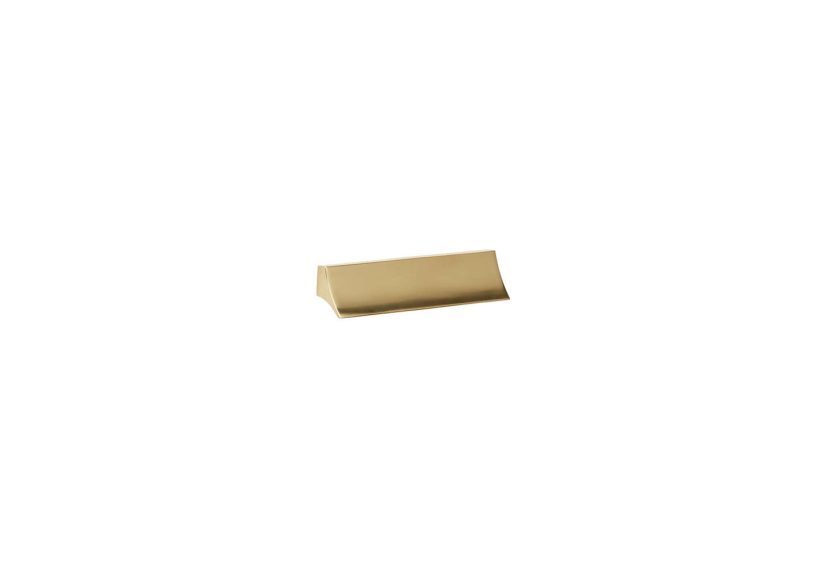
The Waterhouse drawer pull is a streamlined cabinet pull with an industrial-meets-elegant vibethink “mid-century workshop” but with manners. It’s commonly described as a finger pull style because the shape encourages a simple tug from underneath or along the lower edge, rather than a big handle you wrap your whole hand around.
What makes the Waterhouse style stand out is that it doesn’t try too hard. It’s a clean, tapered formoften like a subtle wedge or folded metal lookso it reads modern, but it also nods to vintage hardware. In fact, the Waterhouse design has been described as being based on a salvaged pull from the “Tempo” line made by Washington Steel Products in Tacoma, Washington, using extruded shapes popular to that era. That origin story is a big part of the charm: it looks like it came from somewhere with a past, not a mass-produced “generic contemporary” aisle.
Quick snapshot of the Waterhouse “personality”
- Style: industrial-inspired, clean-lined, quietly architectural
- Feel: low-profile and ergonomiceasy to use without protruding too much
- Material vibe: often associated with solid brass construction and premium finishes
- Best for: kitchen drawers, bathroom vanities, built-ins, and furniture refreshes
Why People Fall for It: Design, Comfort, and “Visual Calm”
The fastest way to make cabinetry feel more custom is to pick hardware that looks intentional. A Waterhouse drawer pull has a kind of “visual calm”: it’s bold enough to be noticed, but simple enough to match a lot of styles. That’s a rare sweet spot.
1) It’s modern without being cold
Bar pulls can be great, but they can also feel a little “new-build showroom” if everything is perfectly straight and shiny. The Waterhouse profile adds shapesubtle angles and curvesso it plays nicely with warm woods, painted cabinets, and mixed materials like quartz and tile.
2) Low-profile hardware is a daily-life upgrade
If you’ve ever been hip-checked by a giant handle while carrying groceries, you already understand the appeal of hardware that doesn’t jut out like a coat hook. A Waterhouse pull tends to sit closer to the surface, making it great for narrow walkways, busy kitchens, and bathrooms where every inch counts.
3) It grips better than it looks like it should
The shape is deceptive in the best way: it looks minimal, but it’s designed for real hands. This matters on heavy drawers (trash pull-outs, deep pot drawers, laundry storage) where tiny knobs can feel like opening a bank vault with a thimble.
Sizes, Hole Spacing, and the “Center-to-Center” Reality Check
Let’s talk about the measurement that has ruined more weekends than rain: center-to-center. For pulls that use two screws, the industry standard is measuring the distance from the center of one screw hole to the center of the other. That measurement determines what will fit your existing holesor what you’ll need to drill if you’re starting fresh.
Why Waterhouse sizing is renovation-friendly
One of the most practical details of the Waterhouse drawer pull is that certain sizes are compatible with multiple center-to-center drillings. In other words: it can be a “no-new-holes” upgrade in situations where you’re replacing older pulls.
- 5-inch width: often compatible with both 3-inch and 4-inch center-to-center hole spacing
- 7-inch width: often compatible with 3-inch, 4-inch, 5-inch, and 6-inch center-to-center hole spacing
- 13-inch width: often compatible with 8-inch and 12-inch center-to-center hole spacing
Translation: you can sometimes change the look dramatically while keeping your cabinet faces intact. That’s not just convenient it’s also a big deal if you’re working with painted cabinets, veneered fronts, or older wood where patching and re-drilling can show more than you’d like.
How to measure center-to-center correctly
- Remove one pull (or look at the back side of a drawer if accessible).
- Measure from the center of one hole to the center of the other.
- Write it down. Seriously. Do not trust “future you.”
If you’re replacing pulls, matching your existing center-to-center measurement is the easiest path. If you’re selecting hardware for new cabinets, you’ve got more freedomand more responsibility (congrats!).
Choosing the Right Waterhouse Drawer Pull for Your Space
Hardware selection is part math, part taste, and part “will this annoy me every morning for the next 10 years?” The good news: a Waterhouse drawer pull is versatile, so you’re mostly choosing the right size and finish for your layout.
The “rule of thirds” (and when to break it)
A common guideline is that a pull length looks balanced when it’s roughly one-third the width of the drawer. It’s a helpful starting point, not a law of physics. Longer pulls can feel more modern and can be easier to gripespecially on wide drawers.
For very wide drawers (often around 24 inches and up), many designers prefer either a longer pull or two pulls for symmetry and comfort. Two pulls can also reduce torque on the drawer frontuseful on heavy drawers that get yanked open frequently.
Pick pulls for function first on “workhorse” drawers
Use your best hardware where your hands are busiest: trash pull-outs, utensil drawers, pantry drawers, and bathroom vanity drawers. A low-profile pull like Waterhouse works especially well where you want a sleek look but still need easy access.
Placement That Looks Professional (Not “DIY Panic at 9:47 PM”)
Good placement is the difference between “custom kitchen” and “I installed these during a sports game and it shows.” Most of the time, drawer pulls are centered horizontally on the drawer front. Doors typically get pulls or knobs on the stile (the vertical frame piece), positioned for leverage.
Smart drawer placement tips
- Classic approach: center the pull horizontally and vertically on the drawer front.
- For stacked drawers: slightly raising the pull on lower drawers can make the overall layout appear more visually centered.
- For finger-pull styles: they’re often placed along the top edge for a streamlined look and easy grip.
Door placement basics
- Place knobs or pulls opposite the hinges to improve leverage.
- Many installers choose a consistent offset (for example, a few inches from the edge) and repeat it across all doors.
- Templates, jigs, or a combination square help keep spacing consistent across a whole kitchen.
Installation: Clean Holes, Straight Lines, Less Regret
Installing a Waterhouse drawer pull is a manageable DIY project if you take your time. The big goal is consistencyevery pull aligned, every hole clean. Precision is what makes the hardware look expensive, even if your budget was more “reasonable adult” than “design show.”
Tools you’ll want
- Tape measure and pencil
- Painter’s tape (helps prevent chipping and keeps marks visible)
- Level or combination square
- Drill + correct bit (often 3/16″ for many cabinet screws, but verify your hardware)
- Template or jig (store-bought or homemade)
- Screwdriver (hand-tightening helps prevent overtightening)
Step-by-step installation
- Decide placement and mark the center point(s) lightly in pencil.
- Apply painter’s tape over the drill points to reduce chipping and make marks easier to see.
- Use a jig or template to ensure every pull lands in the same spot on every drawer.
- Drill pilot holes straight and steady (a small pilot helps prevent wood splitting).
- Install the pull using the provided screws. Tighten firmly but don’t overdo itstripped holes are not a fun hobby.
- Check alignment from a few angles before moving on to the next drawer. Tiny errors multiply fast in a full kitchen.
Pro tip: if you’re installing a lot of pulls, using a jig is less about “fancy tools” and more about saving your sanity. Repeatability is what you’re buying.
Finishes, Patina, and the Great Brass Debate
Waterhouse drawer pulls are often associated with premium, design-forward finishesespecially brass tones and darker rubbed finishes. The finish you pick affects not just the look, but also how much “maintenance personality” your hardware will develop.
Brass: living finish vs. stays-the-same finish
Some brass finishes are meant to stay consistent; others are designed to change over time. Unlacquered brass, for example, is a “living” finish that develops a patina with age and use. That patina is part of the appeallike leather that looks better after it’s been lived in.
Oil-rubbed and darker finishes: low-fuss, high-contrast
Darker finishes can hide fingerprints better and add contrast against light cabinets. They’re a solid choice if your household includes enthusiastic cooks, sticky-fingered kids, or anyone who believes cabinet pulls are meant to be touched with sauce-covered hands.
Care and Cleaning: Keep It Gorgeous Without Turning Into a Chemist
Your cabinet pulls are high-touch surfacesespecially near the stoveso grime happens. The trick is cleaning in a way that won’t damage the finish you paid for.
Everyday cleaning (safe for most finishes)
- Use a soft microfiber cloth.
- Use mild soap and water, then dry thoroughly.
- Avoid abrasive pads or harsh cleaners that can scratch or strip finishes.
Cleaning brass tarnish (use gentle methods and timing)
For brass that’s dulled or tarnished, common DIY methods use a gentle abrasive plus a mild acidlike baking soda with vinegar, or a paste made from flour, salt, and vinegar. The key is not to leave acidic mixtures on too long; rinse well and dry completely.
If your goal is a natural patina, you may not want to polish at alljust keep it clean and let it age. If your goal is bright and shiny, you’ll be doing occasional maintenance. Neither is wrong. It’s just a personality test you didn’t ask for.
Styling Ideas: Where the Waterhouse Drawer Pull Shines
Because it’s clean-lined and sculptural, the Waterhouse drawer pull works across a surprising range of interiors. Here are a few proven ways to use it:
Kitchen cabinets
- Modern walnut or rift-sawn oak: brass-toned Waterhouse pulls read warm and architectural.
- White or light-gray shaker cabinets: darker finishes add contrast; brass adds “soft luxury.”
- Flat-panel slab doors: the pull’s shape reinforces the minimal look without feeling flat or boring.
Bathroom vanities
Bathrooms love hardware that looks refined but doesn’t snag towels. Low-profile pulls are great for tight spaces and daily traffic. Pair a Waterhouse pull with coordinating fixtures for a cohesive lookespecially in a vanity zone where metal finishes repeat (faucet, lighting, mirror, towel bar).
Built-ins and furniture upgrades
If you’re refreshing a dresser, sideboard, or media console, swapping pulls can be the highest impact, lowest chaos upgrade. Waterhouse-style pulls can make older furniture feel more tailoredlike it got a haircut and started drinking water.
Common Mistakes (So You Don’t Have to Learn the Hard Way)
- Guessing the center-to-center measurement: measure it. Twice. Write it down.
- Skipping a jig: eyeballing works until it doesn’t, and then you own a patch kit.
- Overtightening screws: stripped holes and dented wood are forever (or at least until repaint day).
- Going too small on big drawers: tiny hardware on deep drawers feels awkward and looks under-scaled.
- Ignoring finish behavior: living brass will change. If that bothers you, choose a more stable finish.
Real-World Experiences with Waterhouse Drawer Pulls
Here’s the part people wish they’d read before clicking “add to cart”: what it’s actually like to live with a Waterhouse drawer pull day after day. The design looks calm and minimal, but your hands will have opinionsand hands are notoriously honest critics.
First impression tends to be tactile. Homeowners often say the Waterhouse pull feels “bigger” than it looks because you naturally hook fingers under the edge and pull with a comfortable grip. That’s a win on heavy drawerspots, pantry bins, recycling pull-outswhere a small knob can feel like trying to open a stuck window with a poker chip. The low-profile shape also means fewer accidental snags on belt loops, hoodie pockets, and the occasional wandering dog leash (don’t ask).
Second impression is visual: it reads expensive. Even on modest cabinets, a sculptural pull can make the whole run feel more “designed.” People commonly notice this most on islands and vanitiesplaces where the hardware sits right in your line of sight. It’s a subtle effect, but it stacks up fast: a vanity with thoughtful pulls looks like a custom piece, not a standard box with plumbing under it.
The “patina surprise” is real. Brass finishesespecially living or unlacquered stylescan shift tone unevenly at first. The most-used drawers may darken faster, while the “special occasion” drawer (you know, the one with candles and a tape measure that’s missing its end clip) may stay brighter. Some people love that natural gradient because it feels authentic, like the kitchen is developing character. Others would prefer the hardware to behave like a background actor and stop evolving mid-season. If you’re in the second group, you’ll be happier with a finish designed to stay consistent, or you’ll want a gentle, regular cleaning rhythm that keeps everything closer in tone.
Installation stories are 50% technique and 50% patience. The happiest DIY installs usually involve a jig or template and a slow, consistent approach: mark, tape, drill, install, step back, repeat. The “I regret everything” installs often start with “I can eyeball this” and end with “why are these two pulls auditioning for different kitchens?” The good news: even imperfect installs are fixable with wood filler and touch-up paintjust annoying enough to make you wish you’d used a template in the first place.
People who cook a lot notice grease buildup faster. Pulls near the stove get a fine film over time, which can dull shine and make the surface feel slightly tacky. Regular wipe-downs with a soft cloth and mild soap are usually enough. The big lesson from real kitchens is simple: “clean a little, often” beats “deep-clean once you can write your name in the grease.” If you do polish brass, many people prefer spot-cleaning so they don’t accidentally remove a patina they actually liked.
Finally: the Waterhouse pull tends to play well with others. Many homes mix pulls on drawers with knobs on doors for function and variety, keeping finishes consistent for a cohesive look. The Waterhouse shape is distinct enough to be the star on drawers while still letting knobs do their job quietly. The end result, when done thoughtfully, is a kitchen (or bathroom) that feels finishedlike you meant every choice, even if you absolutely made half of them while standing in your socks with coffee.
Conclusion
A Waterhouse drawer pull is one of those small upgrades that changes how a room feelsand how it works. Its low-profile, sculptural shape brings an industrial-inspired elegance that fits kitchens, bathrooms, built-ins, and furniture. The practical perks matter, too: comfortable grip, smart sizing, and (in some sizes) compatibility with multiple hole spacings that can make updates easier and cleaner.
Measure carefully, use a jig, pick a finish that matches your lifestyle (and your tolerance for patina drama), and you’ll end up with hardware that looks custom every time you open a drawerwhether you’re pulling out a chef’s knife or the emergency chocolate stash.