Table of Contents >> Show >> Hide
- What Is the “Underlook” Project?
- Why This Perspective Feels So Fresh
- What Makes the 44-Pet Gallery So Addictive?
- The Craft Behind the Cute
- What These Photos Quietly Teach Us About Pets
- Why the Project Works So Well as Web Content
- Standout Moments Viewers Tend to Love Most
- The Bigger Appeal of Unexpected Pet Photography
- Extra Reflections and Experiences Related to the “Underlook” Project
- Conclusion
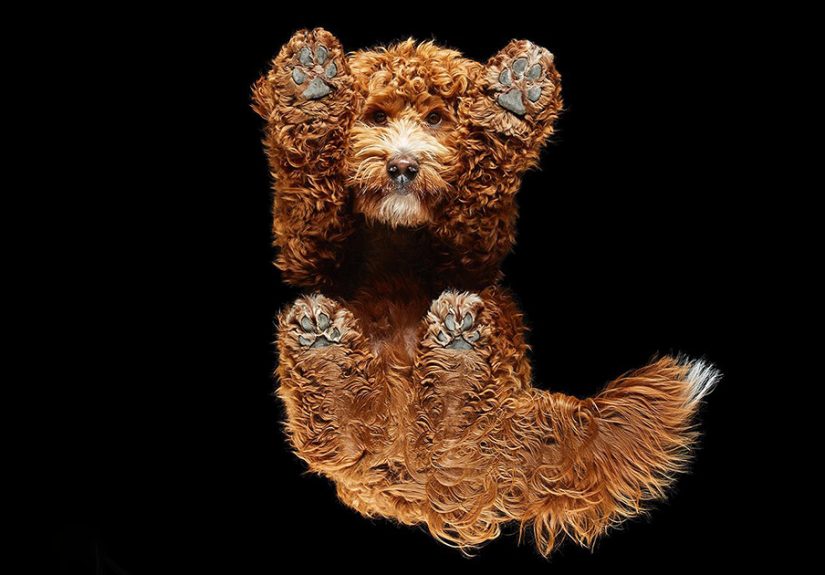
Most pet photos follow a familiar formula: the tilted head, the dramatic side-eye, the “I definitely did not chew that shoe” expression, and the classic belly-up pose that turns humans into instant puddles. The “Underlook” Project flips that formulaliterally. Instead of photographing pets at eye level, the project captures them from below, turning everyday animals into floating clouds of paws, whiskers, toe beans, tails, and glorious fluff geometry.
The result is part art project, part visual prank, and part love letter to the weird little details we rarely notice about the animals in our lives. In a gallery of 44 quirky and cute pets seen from an unexpected perspective, familiar companions suddenly become brand-new creatures. Cats look like soft extraterrestrials with hidden marshmallow feet. Dogs become joyful four-legged comets. Horses look majestic, surreal, and just a tiny bit like rock stars with better hair than the rest of us.
If you have ever wondered why this kind of pet photography grabs attention so fast, the answer is simple: it combines novelty, humor, cuteness, and craftsmanship in one very shareable package. It is not just “aw, cute dog.” It is “aw, cute dog… but from the angle the floor would brag about.” And that difference matters.
What Is the “Underlook” Project?
The Underlook Project is the work of photographer Andrius Burba, who became known for photographing animals from underneath while they stand on specially prepared transparent surfaces. The concept sounds wonderfully simpleput animal on glass, place camera below, create instant magicbut the final images prove that simplicity is doing a lot of heavy lifting. A successful “from below” pet portrait depends on careful lighting, technical planning, patience, timing, and, most importantly, respect for the animal.
What makes the project memorable is that it reveals a side of pets people almost never see. We know what a cat’s face looks like. We know a dog’s “feed me immediately” stare. But we do not often stop to admire the architecture of paws, the symmetry of bellies, or the odd elegance of legs and tails from underneath. The project takes the ordinary and makes it feel newly discovered.
That is also why a collection of 44 Underlook pet photos works so well online. It gives viewers enough variety to stay curious while keeping one strong visual idea at the center. You get cats, dogs, horses, and other animals, but each image still belongs to the same visual universe: dark background, clear glass, dramatic underside, instant delight.
Why This Perspective Feels So Fresh
It shows us what we normally miss
People live closely with pets, but familiarity can make us visually lazy. We think we know what our animals look like because we see them every day. The “Underlook” perspective challenges that assumption. It exposes hidden detailspaw pads, fluffy stomachs, folded legs, tucked tails, whisker angles, and the tiny differences between breeds and speciesthat usually go unnoticed.
That surprise factor is powerful. Viewers are not just responding to cute animals; they are responding to discovery. A good unexpected pet photography concept makes the familiar feel unfamiliar again, and that can be more exciting than a thousand generic snapshots of dogs sitting politely in golden-hour light.
It turns anatomy into comedy
There is something deeply funny about underside photography because it exaggerates features we already love. Tiny paws suddenly become the stars of the show. Bellies take center stage. Fur looks like it has its own weather system. The animals are not being mocked; the humor comes from affectionate surprise. It is the visual equivalent of hearing your elegant cat snore like a middle-aged uncle on a recliner.
That blend of beauty and silliness is exactly why these images travel so well across social media, entertainment sites, and pet-loving corners of the internet. They make people pause, grin, and forward them to a friend with the universal message: “You need to see this immediately.”
Cuteness works on the brain
There is also a psychological reason these photos hit so hard. Humans are naturally drawn to “cute” features such as soft shapes, small noses, big eyes, and rounded forms. Pet imagery can trigger warmth, attention, and affectionate responses quickly, which helps explain why whimsical animal galleries perform so well with readers. When that cuteness is paired with noveltylike a below-glass angleit becomes even more memorable. In other words, the photos are not just adorable. They are strategically, scientifically hard to ignore.
What Makes the 44-Pet Gallery So Addictive?
A gallery like this succeeds because every frame delivers two things at once: consistency and surprise. The consistent setup gives the project a recognizable identity. The surprise comes from the animals themselves, because every speciesand every individual petbehaves differently on camera.
In one image, a cat might look like a velvet cloud with neatly arranged feet. In another, a dog might appear mid-bounce, all joy and chaos. A horse can look immense and theatrical, almost sculptural. A smaller animal might come across as cartoonishly delicate. Together, the 44 quirky and cute pets become a visual parade of personality.
That is the real magic: the project is not just about body parts or unusual angles. It is about personality through perspective. Even without a traditional portrait setup, viewers still read emotion into the photos. Some animals seem regal. Some look confused. Some radiate pure chaos. Some appear so fluffy they seem less like mammals and more like airborne furniture with opinions.
The Craft Behind the Cute
One reason the “Underlook” Project stands out is that it is not a gimmick slapped onto weak photography. The technical side matters. The transparent platform has to be strong, clean, and stable. Lighting has to avoid distracting reflections while still revealing details in fur, skin, paws, claws, and contours. The composition must feel balanced even though the viewpoint is upside down from how we usually understand animal bodies.
For larger animals, the challenge increases dramatically. Photographing a horse from below is not just a cute idea; it is an engineering problem with artistic ambition. That combination of technical difficulty and playful output gives the project extra appeal. Viewers instinctively understand that these images are hard to create, which makes the final effect even more impressive.
And here is the important part that smart pet lovers appreciate: good animal photography depends on the animal’s comfort. If the pet is stressed, the image loses its charm. That is why the best projects in this space are built around patience, quick sessions, and reading body language instead of forcing a performance. Cute should never come at the expense of calm.
What These Photos Quietly Teach Us About Pets
Underneath the humor, the project also works because it reminds us that pets are not props. They are expressive, sensitive creatures with signals of comfort, curiosity, and stress. A dog showing its belly can look hilarious and adorable, but body language still matters. A cat exposing its stomach may signal trust, not necessarily an invitation for your hand to go in like a clueless theme-park tourist. A relaxed pose and a vulnerable pose are not always the same thing.
That subtle truth gives the gallery more depth than it first appears to have. Yes, it is entertaining. Yes, it is wildly cute. But it also nudges viewers to look more carefully. Once you have seen animals from a new angle, you start paying more attention to details in everyday lifehow paws land, how bodies stretch, how fur patterns change with movement, how posture shapes personality.
In that sense, the “Underlook” Project does something good art often does: it makes you notice what was always there.
Why the Project Works So Well as Web Content
From a digital publishing perspective, this idea is nearly perfect. It has a sharp hook, a memorable visual identity, emotional appeal, built-in curiosity, and easy shareability. Readers do not need a long explanation to understand the premise. The images do the heavy lifting immediately.
But the strongest versions of this story go beyond “look at these funny animals” and explore why the concept lands. That is what separates disposable clickbait from genuinely engaging content. A stronger article recognizes that the project succeeds because it blends art, humor, animal charm, and visual surprise in a way that feels both internet-friendly and creatively legitimate.
That balance matters for SEO, too. Readers are more likely to stay on a page when the article gives them something beyond the headline. A gallery title may attract the click, but useful context, emotional analysis, and a smart structure are what keep people reading. In other words, the pets bring the crowd in, but the storytelling keeps them from bouncing away like an overcaffeinated terrier.
Standout Moments Viewers Tend to Love Most
Although every reader will have favorites, certain kinds of images in an Underlook pet gallery tend to win people over fast:
- Fluffy cats, because underside fur turns them into floating pom-poms with secret foot technology.
- Dogs mid-step or mid-jump, because motion adds energy and makes the frame feel joyful.
- Horses, because the scale transforms the project from cute novelty into dramatic visual art.
- Small pets and unusual species, because they create the biggest “I have never seen that before” reaction.
- Symmetrical poses, where the paws, face, and body align so neatly the photo looks almost designed by nature itself.
What links all of these is contrast. The animals are familiar, but the view is not. The emotion is warm, but the composition can be strikingly graphic. The tone is funny, but the photography is serious. That tension keeps the project interesting from image one to image forty-four.
The Bigger Appeal of Unexpected Pet Photography
The success of the “Underlook” Project says something broader about the way people connect with animal imagery online. We do not just want more pet content. We want pet content that feels fresh, personal, and emotionally immediate. We want to be surprised without being confused, amused without being manipulated, and charmed without feeling like we are scrolling through the same recycled slideshow for the hundredth time.
This project delivers that rare combination. It proves that originality does not always require complexity. Sometimes all it takes is one strong perspectiveliterally and creativelyto make people see a beloved subject in a completely different way.
And honestly, there is something comforting about that. In an internet crowded with noise, outrage, and hot takes nobody ordered, a beautifully photographed dog belly can feel like a public service.
Extra Reflections and Experiences Related to the “Underlook” Project
One of the most interesting experiences viewers report with a project like this is how quickly it changes the way they look at their own pets. After spending time with underside photos, people often start noticing details at home that they used to ignore. The soft curve of a sleeping cat’s front paws. The way a dog’s chest shifts when it sprawls on a cool floor. The tiny asymmetries that make one pet look elegant and another look like a lovable goblin with excellent ears. That is a surprisingly lasting effect for a project that first appears to be pure visual fun.
There is also a strong emotional layer to the experience. Many pet owners do not just see “cute animals” in these photos; they see echoes of their own companions. A fluffy belly reminds them of the cat that steals their side of the bed. A dramatic dog pose recalls the family pet who greets every visitor as if they have returned from a decade-long sea voyage. Even the oddest angles can trigger affection and memory, because pets are so deeply tied to routine, comfort, and home life.
For photographers and creatives, the project can be inspiring in a different way. It is proof that a great concept does not need to be loud to be effective. The setup is focused. The background is controlled. The idea is repeated. Yet repetition does not make the images boringit creates a framework where personality can shine. That is a useful lesson for anyone making visual content. A strong concept gives freedom, not limitation.
There is a practical takeaway for pet owners, too. Projects like this remind us that animals communicate constantly through posture and movement. Looking closely at how a pet stands, stretches, or curls up can help humans become more observant and more respectful. That does not mean every owner needs to stage an artsy photo session in the living room with a sheet of glass and ambitions of internet fame. It just means attention matters. The more carefully we look, the more we understand.
And maybe that is the nicest thing about the “Underlook” Project. It begins as a novelty and ends as a quiet celebration of companionship. These are not just funny pet pictures. They are portraits of trust, curiosity, awkwardness, softness, and presence. They remind us that animals are full of hidden anglesvisually, emotionally, and behaviorally. Sometimes the best way to appreciate a familiar creature is to stop looking at it the usual way.
So yes, the gallery is quirky. Yes, it is cute. Yes, it may cause you to spend an unreasonable amount of time admiring paws you will never personally shake. But beneath the humor, there is a real artistic achievement here: the project makes wonder feel simple again. And on the modern web, that is no small trick.
Conclusion
The “Underlook” Project: 44 Quirky And Cute Pets Seen From An Unexpected Perspective works because it does more than show adorable animals. It reintroduces viewers to pets through curiosity, humor, design, and a genuinely original visual idea. By photographing animals from below, the project turns everyday companions into strange, lovable, almost mythical little creaturesequal parts art subject and chaos mascot.
That fresh perspective is what gives the gallery its staying power. Readers come for the fluffy bellies and absurdly perfect paw shots, but they stay because the photos reveal something true: even the animals we know best are still full of surprises. And sometimes all it takes to rediscover that magic is one camera, one sheet of glass, and one wonderfully weird angle.