Table of Contents >> Show >> Hide
- Truvada 101: What It Is (and What It Isn’t)
- How Effective Is It, Really?
- Who Should Consider Truvada PrEP?
- The PrEP “Checklist”: What Clinics Usually Test and Track
- Safety and Side Effects: The Realistic Version
- “But It’s Expensive”: Why Cost Is the Villain (and How to Outsmart It)
- Truvada vs. Other PrEP Options (Because Choice Is a Health Strategy)
- Practical Tips to Make Truvada PrEP Work Better (and Cheaper)
- Conclusion: Highly Effective, Sometimes Expensive, Definitely Worth a Real Conversation
- Real-World Experiences: “Truvada Works… Until You Meet the U.S. Billing System”
- Experience #1: “My copay is $0… so why did the pharmacy quote $1,700?”
- Experience #2: “I can afford the pill, but the lab bills keep sneaking up on me.”
- Experience #3: “Daily pills are harder than I expected, and that made me feel guilty.”
- Experience #4: “I’m uninsured, but I still got PrEPbecause someone told me the right program name.”
If you’ve heard people talk about “the HIV prevention pill,” odds are they meant Truvadaor its generic equivalent. It’s famous for being
extremely effective when taken correctly… and infamous for having a price tag that can make your wallet try to file a restraining order.
So let’s unpack the whole story: what Truvada actually does, how well it works, what “safe” really means, and why the cost conversation in the U.S.
gets weirdly complicated fast.
Quick language note: the title is in Spanish, but the topic is very U.S.-specific. And yesTruvada is used in HIV care and HIV prevention,
but those are different lanes with different rules. Think “same car model,” different driving tests.
Truvada 101: What It Is (and What It Isn’t)
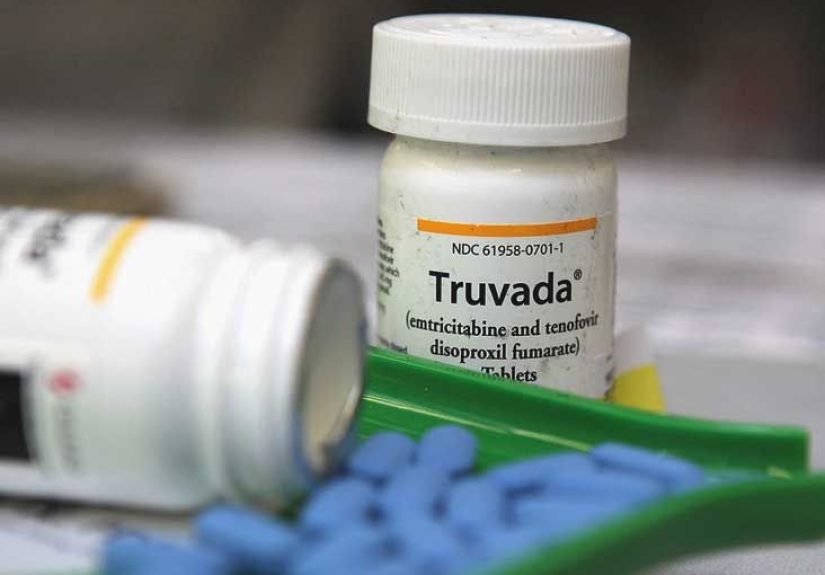
Truvada is a fixed-dose combo of two antiretroviral medicines: emtricitabine (FTC) + tenofovir disoproxil fumarate (TDF).
It has two big roles:
- HIV treatment: It’s used with other HIV medications as part of a combination regimen (it’s not a complete treatment by itself).
-
HIV prevention (PrEP): It’s used as pre-exposure prophylaxis (PrEP)a daily prevention medicine for people who are HIV-negative
and at risk of exposure.
In PrEP form, Truvada is basically a “security system” for your immune system: it builds a pharmacologic buffer so that if HIV shows up, the virus has a much harder
time establishing infection. It’s not a force field (nothing is), but it’s one of the best tools we’ve ever had.
Who is it for?
For PrEP, Truvada is prescribed to HIV-negative adults and adolescents who meet risk criteria and who weigh enough for standard dosing.
For treatment, dosing and eligibility differ, and it must be paired with other antiretrovirals under clinical supervision.
How Effective Is It, Really?
Here’s the headline people quote because it’s both true and satisfying: when taken as prescribed, PrEP can reduce the risk of getting HIV from sex by about 99%.
For people who inject drugs, PrEP also reduces risk substantially (though protection depends heavily on adherence and risk patterns).
The not-so-fun truth is that effectiveness is less like a light switch and more like a dimmer. If you take it consistently, protection is excellent.
If you miss doses often, the protection fadesbecause the medicine level in your body drops below the “defense line.”
Why adherence matters (a lot)
Truvada for PrEP works best when it’s part of a consistent routine: same time daily, refills handled early, and follow-up visits not skipped.
Not because clinicians love paperwork (they don’t), but because missing doses can increase the risk of infectionand in rare cases,
can contribute to drug-resistant HIV if someone starts PrEP during an undiagnosed early infection.
Who Should Consider Truvada PrEP?
PrEP isn’t “only for one community.” It’s for anyone with increased risk of HIV exposure through sex or injection drug use.
In the U.S., major medical guidance recommends clinicians offer PrEP to adolescents and adults at increased risk.
That includes (but is not limited to):
- People who have sex without condoms in contexts where HIV exposure is possible
- People with a recent sexually transmitted infection (STI), depending on situation
- People with partners of unknown HIV status in higher-prevalence networks
- People who inject drugs and share needles/syringes or equipment
- Anyone who simply wants PrEP because their risk feels real to them (your life is not a math problem)
The best rule of thumb: if you’re spending mental energy worrying about HIV exposure, that’s often enough reason to have a PrEP conversation.
Peace of mind is a legitimate health outcome.
The PrEP “Checklist”: What Clinics Usually Test and Track
Starting Truvada for PrEP is straightforward, but it’s not “grab a bottle and vibe.” Clinicians typically follow a baseline checklist and a regular monitoring schedule.
Why? Because PrEP is prevention medicineand prevention works best when you confirm the basics.
Before starting
- Confirm HIV-negative status (and rule out early/acute infection if symptoms or recent exposure suggest it)
- Kidney function testing (Truvada/FTC-TDF is processed through the kidneys)
- Hepatitis B screening (because stopping FTC/TDF can cause hepatitis B to flare in people who have it)
- STI testing as appropriate, because PrEP doesn’t prevent STIs
While taking PrEP
- Repeat HIV testing on a regular schedule (commonly every 3 months for oral PrEP)
- Ongoing kidney monitoring based on clinical guidance and individual risk
- Refills + adherence support (because the goal is “effective,” not “technically prescribed”)
If you’re thinking, “That’s a lot,” remember: it’s mostly routine labs and short visits. The checkups are part of what keeps PrEP both safe and effective.
Safety and Side Effects: The Realistic Version
Most people tolerate Truvada well. Some get mild side effects earlythink stomach upset, headache, or fatiguethat often fade as the body adjusts.
But there are two safety topics worth treating with real respect (not panic): kidneys and bones.
Kidney considerations
Because TDF is primarily cleared by the kidneys, clinicians monitor kidney function. Rarely, kidney issues can occur, including serious problems.
People with reduced kidney function may not be good candidates for FTC/TDF PrEP, and clinicians may consider other PrEP options.
Also, combining TDF with certain nephrotoxic drugs (like high-dose or multiple NSAIDs) can increase risk, especially in people already vulnerable.
Bone mineral density
TDF has been associated with small decreases in bone mineral density in some studies. For most people, it’s not clinically dramatic,
but it matters more if someone already has osteoporosis risk factors, a history of fractures, or other bone-health concerns.
This is one reason clinicians may discuss alternatives when bone health is a major issue.
PrEP doesn’t prevent STIs
Truvada PrEP is about HIV prevention. It doesn’t prevent gonorrhea, chlamydia, syphilis, or other STIsso safer sex tools (like condoms) and regular testing
still matter. Think of PrEP as a top-tier seatbelt: amazing for a specific type of crash, not a substitute for all road safety.
“But It’s Expensive”: Why Cost Is the Villain (and How to Outsmart It)
Let’s say the quiet part out loud: brand-name Truvada has historically been expensive in the U.S. That “caro” in the title is not a metaphor.
Even when you have insurance, the system can still throw obstacles like prior authorizations, confusing pharmacy benefits, and surprise lab bills.
The good news: in 2026, many people can access PrEP with low or even zero out-of-pocket costbut it depends on insurance type, state rules,
and whether you know the right programs to ask about.
1) Generic FTC/TDF: same concept, often less sticker shock
Generic versions of FTC/TDF are widely available, and many PrEP guides explicitly note “Truvada or generic equivalent.”
If you’re paying a lot for brand-name Truvada, asking your clinician and pharmacist about generic FTC/TDF is one of the simplest cost moves.
2) Insurance: PrEP is often covered as preventive care
Under U.S. preventive-care rules tied to strong national recommendations, many health plans cover PrEP medication and the related clinical services
(visits and labs) with no cost-sharing. In practice, this is a huge reason more people can get PrEP now than a decade ago.
That said, coverage policy can be affected by court decisions and plan exceptions. If a pharmacy or insurer tells you “it’s not covered,” it may be a mistake,
a paperwork issue, or a plan-specific exceptionnot the final answer. Appeals, plan review, and assistance programs can make a big difference.
3) Uninsured or underinsured: there are national programs
If you don’t have prescription drug coverage, the federal Ready, Set, PrEP program has helped eligible people access PrEP medication at no cost.
There are also patient assistance and co-pay programs described by federal HIV resources that can reduce or eliminate medication costs for some people.
4) Don’t forget the “hidden costs”
Even when the pill is covered, the process includes clinic visits and lab tests (HIV tests, kidney labs, sometimes STI screening).
Many plans cover these as part of PrEP care, but billing quirks happen. If you get a surprise bill, ask for an itemized statement and talk to the clinic
they often know how to code and route preventive services correctly.
Truvada vs. Other PrEP Options (Because Choice Is a Health Strategy)
Truvada (FTC/TDF) is the classic oral PrEP option, but it’s not the only one anymore. Different PrEP choices can be better fits based on kidney health,
bone health, anatomy, lifestyle, and comfort with injections.
| PrEP option | How it’s taken | Who it’s for (high-level) | Notable considerations |
|---|---|---|---|
| FTC/TDF (Truvada or generic equivalent) | Daily oral pill | Broad eligibility for risk through sex or injection drug use | Kidney and bone monitoring; excellent efficacy with adherence |
| FTC/TAF (Descovy) | Daily oral pill | Many people at risk through sex | Not approved for people at risk via receptive vaginal sex |
| Cabotegravir (Apretude) | Injection (initial schedule, then every 2 months) | People at risk through sex who prefer not to take a daily pill | Requires clinic visits for injections and regular HIV testing |
| Lenacapavir (Yeztugo) | Injection every 6 months | People who want very long-acting PrEP | Newer option; requires strict HIV testing schedule to avoid resistance issues |
This isn’t about “best” in the abstractit’s about best for you. A daily pill is perfect for some people and miserable for others.
A twice-yearly injection sounds magical until you realize you still have to schedule visits, show up, and stay on top of testing.
The win is having options.
Practical Tips to Make Truvada PrEP Work Better (and Cheaper)
Ask these questions at your appointment
- “Am I a good candidate for FTC/TDF, or should we consider another PrEP option based on my kidneys/bone health?”
- “Can we prescribe the generic equivalent if it’s available and appropriate?”
- “What lab schedule will you follow, and how do you code it so insurance treats it as preventive care?”
- “If cost becomes an issue, what assistance programs do you recommend?”
Build an adherence routine that doesn’t rely on willpower
- Put it next to something you never forget (coffee, toothbrush, phone charger).
- Use a reminder app or a calendar alert (yes, adults also need stickersdigital counts).
- Refill early. “I’ll do it tomorrow” is how pharmacies win.
If you miss doses, don’t spiralstrategize
Missing a dose occasionally happens. The smart move is to talk to your clinician about your pattern.
If daily dosing is a constant struggle, another PrEP option (like long-acting injections) might be a better fit.
Conclusion: Highly Effective, Sometimes Expensive, Definitely Worth a Real Conversation
Truvada (and generic FTC/TDF) has helped reshape HIV prevention in the U.S. It’s highly effective when taken as prescribed, widely studied, and backed by major public health guidance.
But the “caro” problem is realoften less because the medicine is impossible to make, and more because U.S. healthcare pricing and coverage rules are a maze.
The best takeaway: don’t self-deny. If you might benefit from PrEP, talk to a clinician, ask about generics,
and use the assistance pathways that exist. The point of prevention is to make the future boringin the best way.
500+ words of experiences (composite, anonymized)
Real-World Experiences: “Truvada Works… Until You Meet the U.S. Billing System”
The science story of Truvada is clean and satisfying: take a pill daily, dramatically reduce HIV risk, get tested regularly, carry on with your life.
The real-world story has more plot twistsmostly involving insurance portals that seem designed by someone who hates joy.
Here are a few composite experiences (blended from common themes clinicians and public health programs report) that show what “highly effective but expensive”
often looks like outside a textbook.
Experience #1: “My copay is $0… so why did the pharmacy quote $1,700?”
A young professional with employer insurance gets a PrEP prescription and expects a smooth pickup. The pharmacy runs the claim and says the copay is enormous.
Turns out the plan requires prior authorization or wants the generic, and the pharmacy system defaults to the most expensive path when paperwork is missing.
After a quick call to the clinic (and sometimes a second call to the insurer), the claim is resubmitted correctly, and the cost drops dramatically.
The lesson: when the number seems absurd, it often isat least for insured patients. Don’t assume the first price quote is the final verdict.
Experience #2: “I can afford the pill, but the lab bills keep sneaking up on me.”
Another person starts PrEP with great coverage for medication, but a few months later gets a bill for lab work.
They did everything rightwent to the visit, got tested, followed instructionsyet the claim was processed as “diagnostic” rather than “preventive.”
Clinics that provide PrEP frequently see this and may help patients request corrected coding or billing.
The lesson: PrEP is a package (meds + visits + labs). If the package gets split into mismatched billing categories, that’s when “free PrEP” suddenly feels expensive.
Experience #3: “Daily pills are harder than I expected, and that made me feel guilty.”
Plenty of people start Truvada with strong motivation, then struggle with daily adherenceshift work, travel, unstable housing, mental health stress,
or simply the reality that humans forget things. Some feel ashamed, like forgetting a pill is a moral failing.
In reality, it’s a design problem: the routine doesn’t fit the person yet. Many clinicians respond by helping build reminders, simplifying refills,
or discussing long-acting options like injectable PrEP.
The lesson: adherence is a health strategy, not a character trait. If daily PrEP doesn’t fit, there are other tools.
Experience #4: “I’m uninsured, but I still got PrEPbecause someone told me the right program name.”
One of the most consistent stories from public health efforts is that information is often the biggest barrier.
People who qualify for no-cost medication programs may not know those programs exist, or they assume eligibility rules are stricter than they are.
After connecting with a community clinic or a navigator, they enroll in assistance and get medication accesssometimes faster than expected.
The lesson: cost barriers are real, but they’re not always permanent. A five-minute conversation with the right clinic staff can change the whole equation.
Put together, these experiences point to an oddly hopeful conclusion: Truvada’s biggest problem isn’t that it doesn’t work.
It’s that the U.S. system sometimes makes accessing a working thing unnecessarily difficult. If you’re encountering that difficulty,
you’re not aloneand it’s worth pushing a little, asking questions, and using the support structures built for exactly this moment.