Table of Contents >> Show >> Hide
- What Is a Transrectal Ultrasound?
- Why Might a Doctor Order a Transrectal Ultrasound?
- Transrectal Ultrasound vs. Prostate Biopsy: Are They the Same?
- How to Prepare for a Transrectal Ultrasound
- What Happens During the Procedure?
- How Long Does a Transrectal Ultrasound Take?
- Does a Transrectal Ultrasound Hurt?
- What Do Results Show?
- Risks and Side Effects
- How Much Does a Transrectal Ultrasound Cost?
- Benefits of Transrectal Ultrasound
- Transrectal vs. Transperineal Biopsy
- Practical Tips Before You Go
- Patient-Style Experiences: What the Appointment May Feel Like
- Conclusion
Medical note: This article is for general educational purposes only and should not replace advice from a licensed healthcare professional. Always follow the instructions from your doctor, urologist, radiologist, or imaging center.
A transrectal ultrasound, often shortened to TRUS, is one of those medical tests that sounds more intimidating than it usually is. The name is a mouthful, the location is not exactly dinner-table conversation, and the appointment may come with a few instructions that make you raise an eyebrow. But in real life, a transrectal ultrasound is typically a quick outpatient imaging exam that helps doctors see structures near the rectum, especially the prostate.
For many people, TRUS is used to evaluate prostate symptoms, measure prostate size, investigate an elevated PSA level, guide a prostate biopsy, or help diagnose conditions such as benign prostatic hyperplasia, inflammation, cysts, or possible prostate cancer. The good news: ultrasound does not use ionizing radiation, and the exam itself is usually brief. The less glamorous news: yes, the probe goes into the rectum. Medicine is amazing, but subtle it is not.
This guide explains what a transrectal ultrasound is, how to prepare, what happens during the procedure, what results may mean, possible risks, U.S. cost considerations, and practical patient-style experiences to help you walk into the appointment with fewer surprises.
What Is a Transrectal Ultrasound?
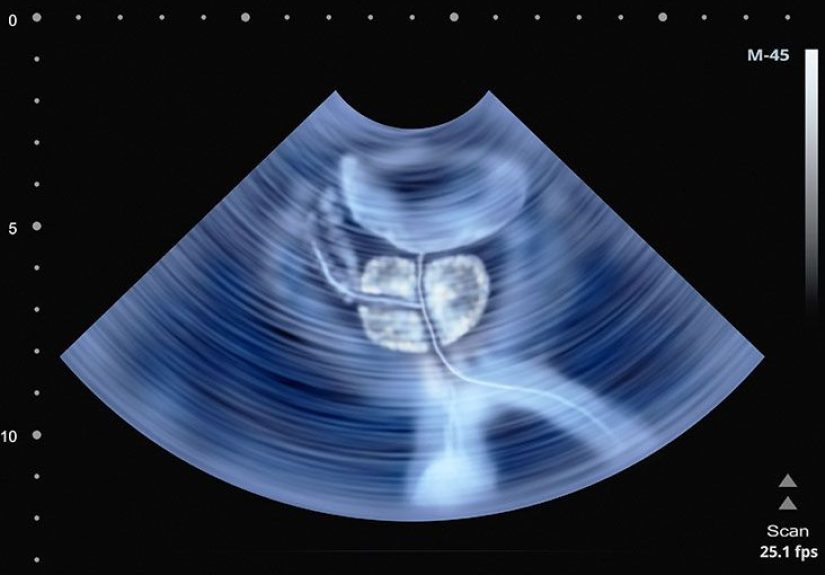
A transrectal ultrasound is an imaging test that uses high-frequency sound waves to create pictures of organs and tissues close to the rectum. The healthcare professional inserts a small ultrasound probe, called a transducer, into the rectum. The probe sends sound waves into nearby tissues, and a computer turns the returning echoes into images on a screen.
TRUS is also called an endorectal ultrasound, prostate ultrasound, or prostate sonogram when it is used to examine the prostate. Because the prostate sits directly in front of the rectum, this approach gives doctors a close view without making an incision.
Why Might a Doctor Order a Transrectal Ultrasound?
Doctors may recommend a TRUS when they need more information about the prostate or nearby pelvic structures. Common reasons include:
- Checking prostate size and shape
- Evaluating urinary symptoms, such as weak stream or frequent urination
- Looking into an elevated prostate-specific antigen, or PSA, blood test
- Examining an abnormal finding from a digital rectal exam
- Guiding a prostate biopsy needle to collect tissue samples
- Assessing prostate enlargement, cysts, inflammation, or suspicious growths
- Helping with certain fertility evaluations involving male reproductive structures
TRUS can be performed by itself as an imaging test, but many people hear about it because it is used during a TRUS-guided prostate biopsy. In that case, the ultrasound works like a GPS system for the biopsy needle. It helps the doctor see where to take tissue samples.
Transrectal Ultrasound vs. Prostate Biopsy: Are They the Same?
No. A transrectal ultrasound and a prostate biopsy are related, but they are not the same thing.
Transrectal ultrasound only
If you are having imaging only, the provider inserts the lubricated ultrasound probe, captures pictures, and removes the probe. No tissue is removed. This version is usually quick and has minimal recovery.
TRUS-guided prostate biopsy
If a biopsy is being done, the ultrasound probe helps guide a thin needle that collects small samples of prostate tissue. These samples go to a lab, where a pathologist checks them under a microscope. A biopsy can add more preparation, more aftercare, and a higher chance of temporary side effects such as mild bleeding or soreness.
How to Prepare for a Transrectal Ultrasound
Preparation depends on whether you are having a simple ultrasound or a biopsy. Your doctor’s instructions should always come first, because different clinics use different protocols.
1. Ask whether you need an enema
Some providers ask patients to use an enema a few hours before the exam to clear stool from the rectum. This can improve image quality and make the procedure cleaner and easier. However, not every clinic requires it, especially for imaging-only TRUS. Do not guess; follow your appointment instructions.
2. Review medications with your doctor
If a biopsy is planned, your doctor may ask about blood-thinning medicines such as aspirin, warfarin, clopidogrel, or certain anti-inflammatory drugs. Some herbal supplements may also increase bleeding risk. Never stop a prescribed medication on your own. The safest plan is to ask the doctor who prescribed it and the doctor performing the procedure.
3. Take antibiotics if prescribed
For TRUS-guided biopsy, antibiotics may be prescribed to lower infection risk. Take them exactly as directed. Skipping doses because “I feel fine” is not the heroic choice here; it is more like ignoring the seat belt because the car has brakes.
4. Empty your bladder if instructed
Some offices ask patients to urinate shortly before the exam. A less-full bladder can make positioning more comfortable. Other imaging exams may require a full bladder, so follow the specific instructions for your test.
5. Wear comfortable clothing
Loose clothing makes check-in and changing easier. You may be asked to remove clothing from the waist down and wear a medical gown.
6. Plan transportation if sedation is used
Many TRUS exams and office biopsies use local numbing medicine rather than full sedation. However, if your procedure involves sedation or stronger medication, you may need someone to drive you home.
7. Tell your provider about allergies and medical history
Mention allergies to antibiotics, latex, antiseptics, anesthetics, or medications. Also tell your doctor if you have a urinary tract infection, recent rectal surgery, severe hemorrhoids, immune system problems, or a history of infection after biopsy.
What Happens During the Procedure?
A transrectal ultrasound is usually done in a doctor’s office, urology clinic, imaging center, or outpatient hospital department. The exact steps vary, but the general process is fairly consistent.
Step 1: Check-in and preparation
You may review your medical history, medications, allergies, and consent forms. If a biopsy is planned, staff may confirm that you followed antibiotic, enema, or medication instructions.
Step 2: Positioning
You will usually lie on your side with your knees bent toward your chest. This position gives the provider access while helping relax the pelvic muscles. It is not glamorous, but it is practicalmedicine loves practical.
Step 3: Probe insertion
The ultrasound probe is covered, lubricated, and gently inserted into the rectum. Most people describe the sensation as pressure or fullness rather than sharp pain. If you feel significant pain, tell the provider right away.
Step 4: Imaging
The probe sends sound waves through the rectal wall to the prostate and nearby tissues. The provider views the images on a monitor and may measure the prostate or look for abnormal areas.
Step 5: Biopsy, if needed
If a biopsy is part of the appointment, the provider may use numbing medicine around the prostate. Then a biopsy needle collects tissue samples. Many patients hear a clicking sound from the biopsy device. The sound can be more surprising than the sensation, so consider this your spoiler alert.
Step 6: After the exam
For imaging-only TRUS, you can often return to normal activities right away. After biopsy, you may receive instructions about rest, fluids, antibiotics, activity limits, and symptoms to watch for.
How Long Does a Transrectal Ultrasound Take?
The ultrasound itself may take around 15 to 30 minutes, though some imaging-only exams may be shorter. Your appointment may take longer if you need forms, preparation, numbing medicine, biopsy samples, or recovery observation. In other words, the scan may be quick, but the waiting room still has its own mysterious time zone.
Does a Transrectal Ultrasound Hurt?
Most people report discomfort, pressure, or a feeling of fullness. A TRUS is often compared to a digital rectal exam, although it may last longer. A biopsy can cause brief pinching, pressure, or a tapping sensation when samples are taken. Local anesthetic can help reduce discomfort.
Feeling nervous is normal. Tell the staff if you are anxious, have had painful rectal exams in the past, or need a moment to breathe before the procedure begins. A good care team would rather know early than discover halfway through that you are silently negotiating with the ceiling tiles.
What Do Results Show?
TRUS can help show prostate size, shape, and structural changes. It may identify enlargement, cysts, calcifications, suspicious areas, or changes that need additional evaluation. However, ultrasound images alone cannot always confirm whether a suspicious area is cancer. That is why a biopsy may be recommended when cancer needs to be ruled in or out.
If no biopsy is performed, your doctor may receive an imaging report from the radiologist or interpret the exam directly, depending on where it was done. If tissue samples are taken, pathology results may take several days or longer. Your doctor will explain whether the findings suggest benign enlargement, inflammation, cancer, or the need for more testing such as MRI, repeat PSA testing, or follow-up biopsy.
Risks and Side Effects
A transrectal ultrasound by itself is considered low risk. It does not use radiation, and most people have no major side effects. Possible temporary issues include mild rectal discomfort, pressure, or a small amount of spotting.
When biopsy is added, side effects are more common. These may include:
- Small amounts of blood from the rectum
- Blood in the urine or semen for a short period
- Mild soreness or pressure
- Temporary difficulty urinating
- Infection, which is uncommon but important
Call your healthcare provider promptly if you develop fever, chills, worsening pain, heavy bleeding, inability to urinate, dizziness, or symptoms that feel severe or unusual. After a biopsy, infection warning signs should be taken seriously.
How Much Does a Transrectal Ultrasound Cost?
The cost of a transrectal ultrasound in the United States can vary widely. Your final bill may depend on your location, insurance plan, deductible, whether the exam is done in an office or hospital outpatient department, whether biopsy is included, and whether pathology, lab processing, anesthesia, or facility fees are billed separately.
Imaging-only TRUS
An imaging-only transrectal ultrasound is generally less expensive than a TRUS-guided biopsy. Some Medicare-based estimates have shown relatively low patient responsibility for covered transrectal ultrasound when performed in certain outpatient settings, but private insurance and cash-pay prices can differ significantly.
TRUS-guided prostate biopsy
A prostate biopsy usually costs more because it may include the physician procedure, ultrasound guidance, biopsy supplies, pathology review, facility charges, and sometimes anesthesia. Cash-pay marketplaces and price transparency tools show that in-office prostate biopsy prices can range from several hundred dollars to more than two thousand dollars.
Questions to ask before the appointment
- Is this ultrasound diagnostic only, or will a biopsy be performed?
- What billing codes will be used?
- Is the facility in-network?
- Will pathology be billed separately?
- Do I need prior authorization?
- What is my estimated out-of-pocket cost?
- Is there a cash-pay discount or payment plan?
The best move is to call both the provider and your insurance company before the test. Ask for a written estimate when possible. Healthcare billing is not always simple, but asking specific questions can prevent a surprise bill from jumping out later like a raccoon in a trash can.
Benefits of Transrectal Ultrasound
TRUS remains useful because it is quick, widely available, and able to show the prostate from a close angle. It can help doctors measure prostate volume, guide biopsy needles, evaluate certain prostate conditions, and assist in treatment planning. Compared with some imaging tests, ultrasound is often more accessible and does not involve radiation exposure.
However, TRUS has limits. It may not detect every cancer, and some suspicious areas are easier to see with MRI. For this reason, doctors may combine TRUS with MRI information in a fusion biopsy, or they may recommend transperineal biopsy in certain situations to reduce infection risk.
Transrectal vs. Transperineal Biopsy
During a traditional TRUS-guided biopsy, the needle passes through the rectal wall into the prostate. During a transperineal biopsy, the needle passes through the skin between the scrotum and anus while ultrasound still helps guide the procedure. Transperineal biopsy is being used more often in many settings because it may reduce infection risk. Your doctor can explain which method makes sense based on your prostate size, MRI findings, infection risk, medical history, and local expertise.
Practical Tips Before You Go
- Read the instructions as soon as you receive them, not the night before.
- Ask whether you need an enema, antibiotics, or medication changes.
- Bring your insurance card, medication list, and allergy list.
- Wear clothing that is easy to change out of.
- Do not be embarrassed to ask comfort questions; staff handle this procedure regularly.
- After biopsy, follow activity and antibiotic instructions carefully.
Patient-Style Experiences: What the Appointment May Feel Like
Many people say the hardest part of a transrectal ultrasound is not the procedure itselfit is the anticipation. The days before the appointment can feel awkward because the test involves a private area, unfamiliar positioning, and words like “rectal probe,” which are unlikely to appear on anyone’s dream calendar. Still, knowing what to expect can make the experience much more manageable.
Before the appointment, a typical patient may receive a phone call or instruction sheet. If the test is imaging-only, the instructions may be simple: arrive on time, wear comfortable clothes, and possibly use an enema if the clinic requires it. If a biopsy is planned, preparation may feel more serious. The patient may need antibiotics, medication review, and specific instructions about blood thinners. This is where organization helps. A written checklist can reduce stress and prevent the classic “Wait, was I supposed to do that today?” moment.
At the clinic, the environment is usually professional and routine. To the patient, the test may feel deeply personal. To the medical team, it is a normal Tuesday. That difference can be reassuring. Staff members typically explain where to place clothing, how to position the body, and what sensations to expect. The best thing a patient can do is communicate. Saying “I’m nervous” or “Please explain each step” is completely reasonable.
During probe insertion, many patients describe pressure rather than pain. Slow breathing helps. Relaxing the pelvic muscles can make the exam easier, although telling someone to relax during a rectal ultrasound is a little like telling a cat to enjoy bath time. Still, it genuinely helps. Some people focus on counting breaths, looking at a fixed point on the wall, or asking the provider to talk them through the process.
If a biopsy is performed, the numbing medicine may sting briefly. The biopsy device can make a sharp click. Patients often say the clicking sound is startling, especially the first time. The actual tissue sampling may feel like a quick tap, pinch, or pressure. Some people feel very little; others find it uncomfortable but tolerable. Pain levels vary, and it is important to speak up if something feels too intense.
After an imaging-only TRUS, many patients leave quickly and return to normal activities. After biopsy, the rest of the day may be quieter. The provider may recommend avoiding strenuous activity for a short period, drinking fluids, and watching for fever, heavy bleeding, or urinary problems. Mild blood in urine, semen, or stool can happen after biopsy, but patients should follow their discharge instructions and call the office if symptoms seem excessive or concerning.
Emotionally, waiting for results can be the hardest part. If the TRUS was done because of an elevated PSA or abnormal exam, it is normal to worry. A helpful approach is to ask before leaving: “When should I expect results, and who will call me?” That one question can prevent several days of refreshing a patient portal like it owes you money.
Overall, the experience is usually shorter and less dramatic than people imagine. It may be awkward, it may be uncomfortable, and it may not be how anyone wants to spend a morningbut it can provide important information. For many patients, the biggest relief comes from realizing that the procedure is structured, common, and handled by professionals who do this all the time.
Conclusion
A transrectal ultrasound is a useful imaging test that helps doctors view the prostate and nearby structures. It may be used alone or as guidance for a prostate biopsy. Preparation can include medication review, an enema, antibiotics, or bladder instructions depending on the reason for the exam. The procedure is usually outpatient, relatively quick, and more commonly described as uncomfortable than painful.
Costs vary widely in the United States, especially when biopsy and pathology are involved. Before your appointment, ask your provider and insurer about coverage, billing codes, facility fees, and estimated out-of-pocket costs. Most importantly, follow your doctor’s instructions and report any concerning symptoms after the procedure.
TRUS may not be anyone’s favorite medical appointment, but it can be an important step toward answers. And when it comes to your health, clear answers are worth a little awkwardness.