Table of Contents >> Show >> Hide
- What Is Tonkatsu Sauce, Exactly?
- Why Make Homemade Katsu Sauce?
- The Flavor Blueprint
- Classic Tonkatsu Sauce Recipe (5 Minutes, No Stove Required)
- Optional: The “Simmered” Version for Deeper, Rounder Flavor
- Flavor Variations (Choose Your Own Katsu Adventure)
- How to Use Tonkatsu Sauce (Beyond Tonkatsu)
- Storage, Make-Ahead, and Food Safety
- Troubleshooting: Common Problems (and Easy Fixes)
- FAQ
- Conclusion
If tonkatsu is the crispy, golden hero of dinner, then tonkatsu sauce is the hype person yelling,
“YES, CHEF!” from the sidelines. Sweet, tangy, savory, and just thick enough to cling to every crunchy crumb,
this Japanese-style katsu sauce is the reason your pork cutlet goes from “nice” to “why am I eating this standing over the sink?”
The best part: you don’t need a culinary degree, a secret handshake, or a suitcase full of imported condiments.
A solid tonkatsu sauce recipe can be made in minutes with pantry staplesthen tweaked until it tastes like the sauce
you remember from your favorite Japanese restaurant (or the one you saw on your feed at 1:00 a.m. when you promised yourself you’d go to bed).
What Is Tonkatsu Sauce, Exactly?
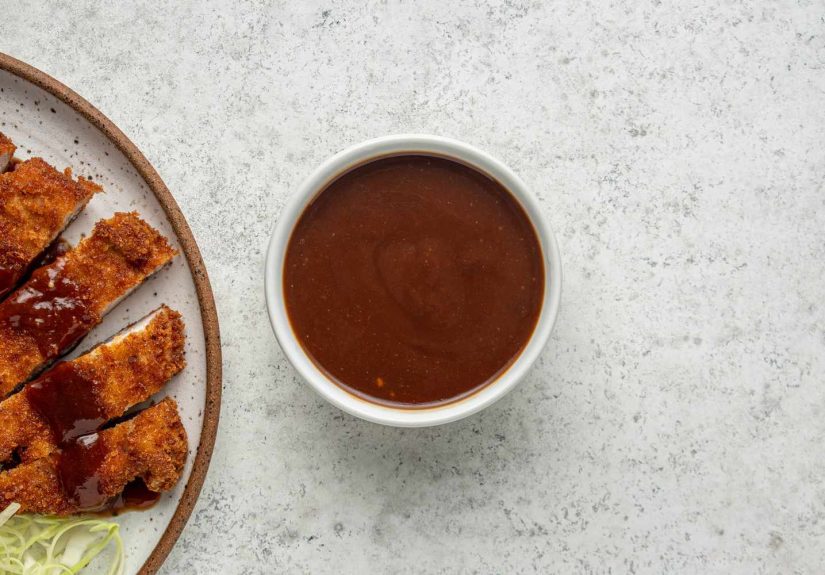
Tonkatsu sauce (often called katsu sauce) is a thick, glossy condiment typically served with
tonkatsuJapanese breaded pork cutlets. Flavor-wise, it’s like Worcestershire sauce and barbecue sauce had a very delicious child:
sweet, tangy, umami-rich, and gently spiced.
Bottled versions from popular brands usually include some combination of fruits, vegetables, vinegar, sweeteners, and spices
think apples, tomatoes, dates/prunes, onions, carrots, and warm spice notes. That fruit-and-veg depth is what makes it taste
“rounded” instead of simply “ketchup with ambition.”
Why Make Homemade Katsu Sauce?
Store-bought is convenient (and often excellent). But homemade gives you superpowers:
- Control the sweetness (because not everyone wants dessert sauce on dinner).
- Adjust salt and tang so it matches your cutlet, fries, or tofu exactly.
- Make it dietary-friendly (gluten-free, vegan, alcohol-freeno drama).
- Use what you already have and avoid buying a bottle that lives in your fridge until 2029.
The Flavor Blueprint
The shortcut formula (fast, reliable, delicious)
Most American test-kitchen-style versions follow the same smart backbone:
ketchup for body + tomato sweetness, Worcestershire for tangy complexity,
soy sauce for umami, and a sweetener (brown sugar, white sugar, honey) to balance everything.
After that, optional add-ins like Dijon mustard, mirin, garlic, ginger, or oyster sauce turn it from “good” into “lock the fridge.”
What each ingredient actually does (so you can tweak with confidence)
- Ketchup: Tomato base, sweetness, and the thick texture that helps it cling to crispy food.
- Worcestershire sauce: Tang + savory depth. It’s the grown-up in the room.
- Soy sauce (or tamari): Umami and salt. A little goes a long way.
- Mirin: Gentle sweetness and shine. Also helps the sauce taste “Japanese” instead of “BBQ-adjacent.”
- Brown sugar: Caramel-like sweetness that smooths sharp edges and deepens color.
- Dijon mustard: A subtle bite and complexitylike adding a bass line to the sauce’s melody.
- Garlic/ginger: Aroma and warmth. Think “restaurant energy,” not “vampire repellent.”
- Oyster sauce (optional): Boosts savory richness and mimics that fruit-and-spice bottled depth.
- Apple/pear (optional): Adds fruitiness and rounds out tangespecially great if you want a more “bottled-style” profile.
Classic Tonkatsu Sauce Recipe (5 Minutes, No Stove Required)
This version is designed for American home kitchens: quick, balanced, and flexible. It’s perfect for tonkatsu, chicken katsu,
katsu sando, fries, roasted veggies, and anything crispy that deserves a standing ovation.
Yield
About 1 cup (8–10 servings as a dipping/drizzling sauce)
Ingredients
- 1/2 cup ketchup
- 1/4 cup Worcestershire sauce
- 2 tablespoons soy sauce (or tamari for gluten-free)
- 1 tablespoon mirin (optional but recommended)
- 1 tablespoon packed brown sugar
- 2 teaspoons Dijon mustard
- 1/4 teaspoon garlic powder (or 1 small clove garlic, finely grated)
- 1/4 teaspoon ground ginger (or 1 teaspoon fresh grated ginger)
- Optional: 1 tablespoon oyster sauce (or mushroom “oyster” sauce for vegan)
- Optional: 1–2 tablespoons applesauce or finely grated apple
- Optional: 1–2 teaspoons lemon juice or rice vinegar (for extra brightness)
Instructions
- Whisk the base. In a bowl or jar, whisk together ketchup, Worcestershire, soy sauce, mirin, and brown sugar until smooth.
- Add the “spark.” Whisk in Dijon, garlic, and ginger. If using oyster sauce and/or applesauce, whisk those in now.
- Rest (briefly). Let it sit 10 minutes so the flavors meld. If you can chill it for 30 minutes, it gets thicker and tastes even better.
- Taste and adjust. Then pretend you’re a sauce scientist (a noble profession) and tweak using the guide below.
Adjustment guide (because your ketchup has opinions)
- Too sweet? Add a splash of rice vinegar or lemon juice.
- Too tangy? Add 1–2 teaspoons brown sugar or a little more ketchup.
- Too salty? Add ketchup or applesauce (and use low-sodium soy next time).
- Needs more umami? Add 1 teaspoon oyster sauce, soy sauce, or a pinch of MSG (optional, but effective).
- Wants more “bottled-style” depth? Add applesauce and a tiny pinch of allspice or clove (seriously tiny).
Optional: The “Simmered” Version for Deeper, Rounder Flavor
If you’ve ever tasted a katsu sauce that feels a little more “jammy” and integrated, gentle heat can help.
Simmering also smooths out raw garlic/ginger sharpness if you used fresh aromatics.
- Combine everything in a small saucepan.
- Warm over low heat until just steaming, 2–4 minutesno aggressive boiling.
- Cool, then refrigerate. The sauce thickens as it chills.
Flavor Variations (Choose Your Own Katsu Adventure)
1) Fruity, “restaurant-style” tonkatsu sauce
Add 1–2 tablespoons applesauce (or grated apple/pear) plus a tiny pinch of warm spice (allspice or clove).
This nudges the sauce toward the fruit-and-spice complexity you’ll notice in many bottled ingredient lists.
2) Spicy katsu sauce
Add cayenne (start with 1/8 teaspoon), chili crisp (1 teaspoon), or a few shakes of hot sauce.
Great when your tonkatsu is feeling a little too polite.
3) Vegan / vegetarian
Use tamari (or soy) plus a vegan Worcestershire if needed. Skip oyster sauce and use
mushroom “oyster” sauce or a pinch of kombu powder for savory depth.
4) Gluten-free
Use tamari and confirm your Worcestershire is gluten-free (some contain malt vinegar or other gluten sources).
The rest of the recipe is naturally easy to adapt.
5) No-alcohol version
If you skip mirin, replace it with 1 tablespoon apple juice or 1 tablespoon water + 1 teaspoon sugar
plus a tiny splash of rice vinegar for balance.
How to Use Tonkatsu Sauce (Beyond Tonkatsu)
Yes, it’s perfect with pork cutlets. But tonkatsu sauce has range. Here are real-world ways Americans use it once a bottle (or jar)
enters the house:
- Katsu sando: Slather on soft bread with crispy cutlet + shredded cabbage. Instant lunch legend.
- Chicken katsu bowls: Drizzle over rice, add cucumbers and mayo, and call it “meal prep” with confidence.
- Fries or tots: Your ketchup will understand. Eventually.
- Burgers: Swap it for BBQ sauce. Add pickles. Live your truth.
- Roasted vegetables: Especially broccoli, sweet potato, or Brussels sproutssweet/tangy sauce loves caramelized edges.
- Okonomiyaki-style drizzle: Use it like a finishing sauce (bonus points if you add mayo stripes).
- Glaze for pork chops: Brush on during the last couple minutes of grilling or broiling.
Storage, Make-Ahead, and Food Safety
Homemade tonkatsu sauce is a make-ahead champion. Store it in a clean jar or airtight container in the refrigerator.
If you used only shelf-stable ingredients (ketchup, soy, Worcestershire, sugar, powders), it can keep well for
up to about a month. If you used fresh garlic/ginger or grated fruit, aim for 1–2 weeks for best flavor.
Pro tip: the sauce usually tastes better after a short chill. The flavors mellow, the texture thickens, and you’ll be tempted to “just taste it”
every time you open the fridge. (This is normal. This is community.)
Troubleshooting: Common Problems (and Easy Fixes)
My sauce is too thin.
- Chill it for 30–60 minutescold thickens ketchup-based sauces.
- Add 1–2 tablespoons more ketchup or a spoon of applesauce.
- If you simmered it, you can whisk in a tiny cornstarch slurry (1/2 teaspoon cornstarch + 1 teaspoon water), then heat briefly.
My sauce tastes “flat.”
- Add a pinch of salt or an extra teaspoon of soy sauce.
- Add a splash of vinegar/lemon for brightness.
- Add 1 teaspoon oyster sauce (or mushroom sauce) for deeper umami.
It tastes too much like ketchup.
- Add 1–2 teaspoons more Worcestershire.
- Add a little Dijon or ginger.
- Add a spoon of grated apple for complexity.
FAQ
Is tonkatsu sauce the same as Worcestershire sauce?
Not quite. Tonkatsu sauce is thicker and usually sweeter, with a fruit-and-spice depth that makes it perfect
for fried foods. Worcestershire is thinner and sharper, typically used as an ingredient rather than the whole show.
Can I make tonkatsu sauce without mirin?
Yes. Mirin adds mild sweetness and gloss, but you can replace it with a small sweet-and-tang combo (like apple juice plus a splash of vinegar)
or simply skip it and adjust sweetness to taste.
What’s the best “secret ingredient” to make it taste more authentic?
Two top contenders: grated apple (for fruitiness) and oyster sauce (for savory depth).
If you want a third option: a tiny pinch of warm spice (allspice/clove) can add that bottled-style complexityjust don’t turn it into pumpkin pie.
What do I serve with tonkatsu sauce besides pork cutlet?
Chicken katsu, croquettes, tofu katsu, fries, burgers, rice bowls, roasted vegetables, okonomiyaki-style dishes, and sandwiches.
Basically: if it’s crispy or grilled, tonkatsu sauce is interested.
Conclusion
A great tonkatsu sauce recipe is all about balance: sweet, tangy, savory, and thick enough to hug a crunchy cutlet like it missed it.
Start with the classic ketchup + Worcestershire + soy + sweetener foundation, then customize with mustard, mirin, ginger, or fruit until it tastes
like your perfect katsu sauce. The goal isn’t to chase a single “correct” flavorit’s to make the sauce you’ll actually use,
enthusiastically, on purpose, and occasionally with fries when nobody’s watching.
Kitchen Stories & Real-Life Tonkatsu Sauce Experiences (Bonus ~)
The first time I made homemade tonkatsu sauce, I treated it like a chemistry experiment and a trust fall exercise at the same time.
I had chicken katsu on the counter, a bowl of shredded cabbage ready to go, and exactly one thought: “If this tastes weird,
I’m going to have to pretend I meant it.”
I started with the classic lineupketchup, Worcestershire, soy sauce, brown sugarand whisked like my dinner depended on it
(because it did). The color looked right: deep reddish-brown, glossy, suspiciously confident. I tasted it and immediately
thought, “Oh no… it’s good.” Not “fine.” Not “edible.” Good. The kind of good that makes you do a second taste test
purely for science and then a third because you forgot who you were for a second.
Then I got cocky. I decided to “elevate” it with fresh ginger. Great idea, right? Except I grated the ginger with the energy
of someone trying to settle a personal score. The sauce turned into a spicy, gingery wake-up calllike the flavor equivalent
of a motivational speaker yelling through a megaphone. I learned a valuable lesson that day:
ginger is powerful, and it remembers when you underestimate it.
Another time, I made a big batch for friends. I said, confidently, “It’s basically Japanese BBQ sauce.” Everyone nodded politely,
the way people do when you describe a flavor with too much confidence. Then the cutlets hit the table, and the sauce disappeared
faster than the napkins. One friend used it on fries. Another used it on roasted broccoli. Someone else tried it on a burger and
announced, “This is what ketchup wishes it could be.” That’s when I realized tonkatsu sauce doesn’t stay in its laneit builds new lanes
and opens a toll booth.
My favorite moment was the accidental “katsu sando incident.” I made extra sauce, put it in the fridge, and forgot about it.
The next day I found it sitting there, thicker and richer after chilling. I made a sandwich with leftover cutlet, cabbage,
and that sauceand immediately understood why people line up for katsu sandwiches. The sauce wasn’t just a condiment anymore;
it was the glue holding together crunch, richness, and tangy sweetness in one bite. I ate it standing up, over the counter,
like a raccoon guarding treasure. No regrets.
If you take anything from these sauce adventures, let it be this: start simple, taste as you go, and don’t be afraid to customize.
Tonkatsu sauce is forgiving, flexible, and wildly rewarding. Also, maybe grate ginger like you’re seasoning food, not summoning a thunderstorm.