Table of Contents >> Show >> Hide
- What Happened on the Date (According to the Viral TikTok)
- Why This Story Hit a Nerve
- The Red Flags Everyone Couldn’t Stop Talking About
- Age Gap: Red Flag, Yellow Flag, or Just a Number?
- The Psychology Under the Cringe: Boundary Testing, Control, and “Am I Overreacting?”
- How to Spot These Red Flags Earlier (Before You’re Staring at the Spider-Man Meme IRL)
- First-Date Safety Tips That Aren’t ParanoidThey’re Practical
- So…What’s the Takeaway From the TikTok Horror Date?
- Bonus: Experiences and Lessons From the “Worst Date” Universe (500+ Words)
The internet has a special talent: it can turn one (1) awkward dinner into a masterclass on boundaries, safety, and why “storytime” is basically the modern cautionary tale. One TikTok creator’s recounting of a disastrous first date with a 43-year-old in New York City did exactly thatlighting up comment sections with equal parts sympathy, rage, and the timeless question: “How did you not sprint out of there?”
But beneath the memes and the “girl, I would’ve teleported” reactions is a real conversation about dating red flags, power moves that masquerade as charm, and what counts as a dealbreaker versus a weird but survivable first-date hiccup. Let’s unpack what happened, what people are debating, and what you can steal from the chaos to make your own dating life saferand a lot less like an episode of a psychological thriller.
What Happened on the Date (According to the Viral TikTok)
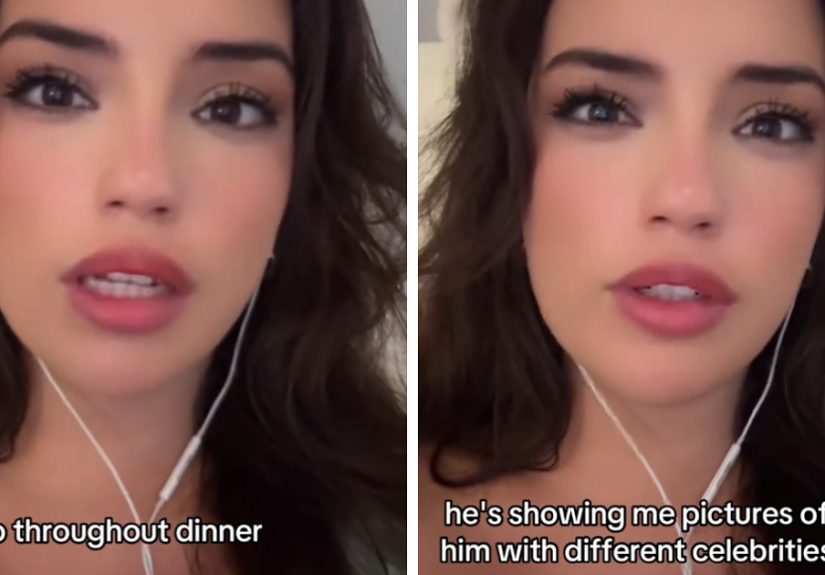
Here’s the gist, as told in the now-viral “worst first date ever” story: a 25-year-old woman agreed to meet a well-dressed older guy in NYC. So far, so normal. Then she arrived and discovered she wasn’t walking into a dateshe was walking into his environment: a table packed with his male friends. Because nothing says “romantic connection” like feeling you’ve been booked as a guest speaker at the Bro Convention.
The evening reportedly escalated into a parade of uncomfortable moments: he asked her age and reacted with visible relief when she said 25. He then allegedly made disparaging comments about women in their early 20s and women in their 30scasting himself as the lone genius trapped in a dating pool that just can’t keep up. He showed photos of himself with celebrities (because humility is for peasants). At some point, two interns from his company reportedly joined the group, which only made the dynamic feel more like a networking event she didn’t RSVP to.
When she wanted to go home, the story claims he pressured her to continue to a second locationtossing out a transportation “offer” that felt less like kindness and more like leverage. Later, after he pivoted to new plans involving a celebrity and a different venue, he left her waiting outside. She then overheard one of his friends ask if he’d “gotten rid of her” yet so they could go to the next spot. The punchline wasn’t funny; it was clarifying.
If your stomach tightened reading that, you’re not alone. TikTok didn’t just watchit diagnosed.
Why This Story Hit a Nerve
People love a dramatic dating story, sure. But this one struck deeper because it combined multiple anxieties modern daters already carry: safety on first dates, social pressure to be “nice,” and manipulative behavior that doesn’t start with a screamit starts with a smirk.
A lot of women recognized the pattern: a situation engineered so you’re outnumbered, slightly disoriented, and less likely to assert yourself. The date wasn’t just “bad.” It felt strategica slow test of what she would tolerate.
And then there’s the comment-section phenomenon: the internet’s habit of turning into a jury, a detective agency, and a group chat all at once. People debated everything from the age gap to the “second location” pressure to whether the biggest red flag was the behavior… or the fact that a grown adult was performing main-character energy like it’s a competitive sport.
The Red Flags Everyone Couldn’t Stop Talking About
Let’s name the big onesbecause “I didn’t want to overreact” is the unofficial slogan of too many uncomfortable dates.
1) The Social Ambush: “Surprise, It’s a Group Date”
Meeting someone new can already feel vulnerable. Arriving to find a table full of strangers shifts the power dynamic instantly: he’s comfortable, you’re not. Even if no one is overtly rude, the setup makes it harder to leave without feeling like you’re “making a scene.” That’s the point.
2) Age Talk That’s Really Just Misogyny in a Blazer
The reported comments about 21- and 22-year-olds being unable to “keep up,” paired with putting down women in their 30s as “desperate,” aren’t preferences. They’re disdain. If someone talks about entire groups of women like they’re expired produce, understand you are not the exceptionyou’re just the current option.
3) Bragging as a Substitute for a Personality
Showing off celebrity photos is a classic “status flex.” It’s meant to impress, but it also quietly signals: “I’m the prize. You should be grateful you’re here.” That’s not confidence. That’s a sales pitch.
4) The Transportation Power Play
Any hint of “I’ll help you… if you do what I want” should set off alarms. On paper, offering a ride sounds polite. In real life, transportation can become a control point: it affects where you go, when you leave, and how safe you feel. Healthy people don’t make your exit conditional.
5) The “Second Location” Pressure
Many safety guides encourage keeping first dates simple and public. When someone insists on moving the night alongespecially if you’ve signaled you want to go homepay attention. It’s not about fun; it’s about momentum. People who ignore your “no” in small ways are auditioning to ignore it in bigger ones.
6) Treating You Like a Prop
Being “brought around” as proof of desirabilitythen largely ignoredis a particular kind of disrespect. If you feel like a handbag with opinions, you’re not imagining it.
7) The Friend Comment That Revealed the Whole Game
“Did you get rid of her?” isn’t just rudeit’s revealing. It frames her as an obstacle, not a person. And it suggests the date’s goal wasn’t connection. It was convenience.
Age Gap: Red Flag, Yellow Flag, or Just a Number?
The age difference lit up debate fast. Some viewers argued the age gap itself was the warning sign. Others said age is neutralbehavior is the real issue. Both takes can be true, depending on the relationship.
In healthy age gap relationships, the older partner doesn’t use experience, money, connections, or social confidence as leverage. They don’t “teach” you life like you’re an unpaid intern. They don’t talk down to people their own age while shopping for someone younger who’s easier to impress.
A gap can matter if it amplifies a power imbalance: different financial stability, different social circles, different ability to leave safely, different comfort asserting boundaries. That doesn’t mean every age gap is doomed. It means you watch the dynamicsespecially early.
If someone’s dating pattern seems to revolve around partners who are easier to control, flatter, or pressure, the red flag isn’t the number of candles on a cake. It’s the motive.
The Psychology Under the Cringe: Boundary Testing, Control, and “Am I Overreacting?”
A lot of what made this story resonate is that the behavior (as described) wasn’t one giant horror-movie moment. It was a chain of smaller moments that chipped away at autonomy. That’s how many unhealthy dynamics beginthrough boundary testing.
Here’s what boundary testing can look like on a first date:
- Social pressure: making it hard to say no without feeling rude (like a surprise group table).
- Escalation pressure: pushing a second location or a longer night when you’ve signaled you want to leave.
- Conditional “help”: offering rides, favors, or access only if you comply.
- Negging and contempt: insulting categories of people to see if you’ll accept itor try to prove yourself.
This overlaps with what many experts describe as controlling or coercive dynamics: repeated behaviors meant to gain power, limit choices, and make you doubt your instincts. You don’t need a clinical label to take it seriously. If you feel unsafe, trapped, or pressured, that’s enough.
How to Spot These Red Flags Earlier (Before You’re Staring at the Spider-Man Meme IRL)
People always ask, “Why didn’t she leave?” The more useful question is: “What makes leaving hardand how do we make it easier next time?”
Look for “micro-disrespect” in the first 15 minutes
A person who steamrolls small preferences (“No, we’re doing it my way”) may steamroll bigger ones later. Early dating is when people are typically on their best behavior. If their best is already pushy, imagine the sequel.
Notice how they talk about other people
If every ex is “crazy,” every woman his age is “bitter,” and every waiter is “an idiot,” you’re not witnessing honestyyou’re watching someone rehearse contempt.
Watch what happens when you say a small “no”
Try something simple: “I can only stay for one drink.” A respectful person will say, “No problem.” A controlling person will bargain, guilt-trip, pout, or push. That reaction is data.
First-Date Safety Tips That Aren’t ParanoidThey’re Practical
Viral stories like this often turn into safety checklists for a reason: first dates are meetings with a stranger, even if you’ve texted for weeks. Here are practical, non-dramatic steps that can reduce risk and boost confidence.
1) Keep first dates public and time-boxed
Coffee, a quick drink, a walk in a busy areasomething with an easy end. “I’ve got plans after this” is not a lie; it’s a boundary.
2) Have your own transportation
If you can, arrive and leave on your own terms. Rides can be generous, but they can also become leverage. Independence is underrated romance.
3) Tell a friend: who, where, when
Share the name, location, and expected end time. Bonus points for a “check-in” text. You’re not being dramaticyou’re being prepared.
4) Use the two-sentence exit
Practice this ahead of time:
- Sentence 1: “I’m going to head out.”
- Sentence 2: “Take care.”
No debate. No courtroom closing argument. You don’t owe someone a thesis on why you’re leaving.
5) Don’t negotiate your boundaries in real time
If you feel yourself getting talked into things, pause and ask: “If my best friend told me this was happening, what would I tell her to do?” Then do that.
So…What’s the Takeaway From the TikTok Horror Date?
If this story made anything crystal clear, it’s this: red flags aren’t always dramatic. Sometimes they’re well-dressed, socially connected, and smiling while they test how much discomfort you’ll swallow to keep the vibe “nice.”
Dating should feel like curiosity, not captivity. Chemistry should not require you to abandon your instincts. And anyone worth your time will make it easy for you to leave because they respect you enough to want your yes to be real.
Bonus: Experiences and Lessons From the “Worst Date” Universe (500+ Words)
While TikTok gave us a headline-worthy story, the reason it spread is because it sounded familiar to a lot of people. Not identicalthank goodnessbut familiar in the way uncomfortable dates tend to rhyme. Below are common experiences people share in dating forums, group chats, and post-date debriefs, plus what to do when you spot the pattern. Think of it as a field guide for when your night starts drifting from “fun” to “why do I feel like I’m in a social experiment?”
The “Surprise Audience” Date
Many daters have shown up expecting one-on-one time and walked into a scene: roommates, friends, coworkers, or a “quick stop” that turns into a table of strangers. The problem isn’t that someone has friends. The problem is the ambush. It removes your ability to consent to the setting. If this happens, you can reclaim control fast: “Oh! I didn’t realize this was a group thing. I’m going to head outhope you all have a great night.” If you want to be extra polite, add: “Let’s reschedule one-on-one.” But only if you mean it.
The “Second Location” Trap
A lot of people report the moment things turn is when a date insists on continuing: “Let’s go somewhere else,” “Come back to mine,” “One more stop,” “You’re not tired.” In isolation, suggesting a new place can be normal. What’s not normal is ignoring your “I’m heading home.” One simple technique: the broken record. “I’m heading home.” (No reasons.) If they push: “Totallystill heading home.” If they keep pushing: “I said I’m heading home. Take care.” The goal is not to win an argument. The goal is to leave.
The Transportation Leverage Move
Some people have experienced dates who offer rides, then use that offer to steer the night: “I’ll call your Uber after we do X,” or “I can drop you off but I’m stopping by my place first.” That’s why many safety-minded daters prefer to arrive independently. If you’re already there and feel stuck, step into a bathroom, message a friend, call a ride yourself, or ask staff for help. Most bartenders and servers have seen enough to recognize “I need an exit” energy.
The “I’m the Prize” Performance
Bragging shows up in a thousand outfits: celebrity photos, income talk, status namedrops, or long monologues about how everyone wants them. Sometimes it’s insecurity. Sometimes it’s a dominance play. Either way, you don’t have to sit through it like you bought tickets. A humorous internal check helps: “If this were a job interview, would I hire this person?” If the answer is no, you can end it earlywith zero guilt.
The People-Pleaser Hangover
One of the most relatable parts of viral bad-date stories is the admission: “I should’ve left, but I didn’t want to be rude.” Many of us were trained to be agreeable, especially women. The fix isn’t to become cold; it’s to become clear. Practice micro-boundaries in everyday lifereturning food, saying no to extra tasks, ending phone calls. Then, on dates, you’ll have the muscle memory to leave when your body is waving a red flag like it’s directing airport traffic.
The big lesson from all these experiences isn’t “never date” or “never trust.” It’s: plan for your comfort like it matters, because it does. Choose public places, keep the first meet short, have your own exit, and remember that the right person won’t punish you for having boundaries. They’ll respect themand that’s the greenest flag there is.