Table of Contents >> Show >> Hide
- Gray walls 101: the quick cheat sheet (so your room doesn’t feel like a spreadsheet)
- These 16 furniture colors pair perfectly with gray walls
- 1) Crisp White
- 2) Cream & Ivory
- 3) Soft Beige & Sand
- 4) Taupe & Greige
- 5) Cognac & Camel (especially leather)
- 6) Espresso & Chocolate Brown
- 7) Natural Oak & White Oak
- 8) Walnut & Medium Wood Tones
- 9) Soft Black & Matte Black
- 10) Navy & Ink Blue
- 11) Dusty Blue & Denim
- 12) Teal & Blue-Green
- 13) Sage & Olive Green
- 14) Forest & Hunter Green
- 15) Mustard, Ochre & Golden Yellow
- 16) Rust & Terracotta
- How to choose the right one for your room (without buying five sofas “just to be sure”)
- Mistakes to avoid (a short list of preventable heartbreak)
- 500-word experience section: what people actually run into with gray walls and furniture colors
- Conclusion: gray walls aren’t the problemboring pairings are
- SEO tags (JSON)
Gray walls get a bad rap. Somewhere along the way, “modern neutral” got confused with “waiting room chic.”
But here’s the truth: gray is basically the Switzerland of paint colorscalm, flexible, and quietly judging your furniture choices.
Pair it well and it looks intentional. Pair it poorly and your room starts whispering, “Is this an office?”
This guide walks you through 16 furniture colors that consistently look great against gray wallswhether your gray is a cool
blue-gray, a warm greige, or that mysterious “it looked different in the store” shade. You’ll get practical examples, room-by-room ideas,
and a few gentle warnings (because your wallet deserves love, too).
Gray walls 101: the quick cheat sheet (so your room doesn’t feel like a spreadsheet)
1) Identify your gray’s undertone before you buy furniture
Gray isn’t just gray. Most grays lean cool (blue/green/purple undertones) or warm (yellow/brown, aka greige).
That undertone is what decides whether your space feels crisp and airy… or oddly icy.
- Cool gray walls usually play best with cool blues, greens, and crisp contrasts.
- Warm gray/greige walls love warm woods, creamy neutrals, and earthy tones.
2) Light changes everything (yes, even your “neutral”)
Gray can look clean in the morning, slightly purple at night, and vaguely green on cloudy days.
So when you’re choosing a sofa color, test the pairing in your real lighting: daylight, evening lamps, and whatever your kitchen pendants are doing.
3) Texture is how gray becomes cozy
If you only take one decorating lesson from this article, let it be this:
Gray walls + flat, smooth everything = blah.
Mix in texturelinen, boucle, velvet, leather, rattan, wood grain, nubby rugsand gray turns sophisticated instead of sterile.
These 16 furniture colors pair perfectly with gray walls
Consider this your “no-regrets” list. Pick one or two of these as your main furniture colors, then layer accents (pillows, rugs, art) to taste.
Gray is a team player; you just need to pick a good captain.
1) Crisp White
White furniture against gray walls reads fresh, tailored, and brightespecially in smaller rooms that need visual lift.
Think white slipcovered sofas, painted bookcases, or a clean-lined media console.
Looks best when: your gray leans medium-to-dark, and you want contrast without adding “color.”
2) Cream & Ivory
Cream is white’s softer, friendlier cousin. Against gray walls, it adds warmth and prevents the space from feeling too stark.
An ivory sofa with gray walls is the definition of “calm but not cold.”
Try it with: chunky knit throws, warm wood side tables, and brass or bronze hardware.
3) Soft Beige & Sand
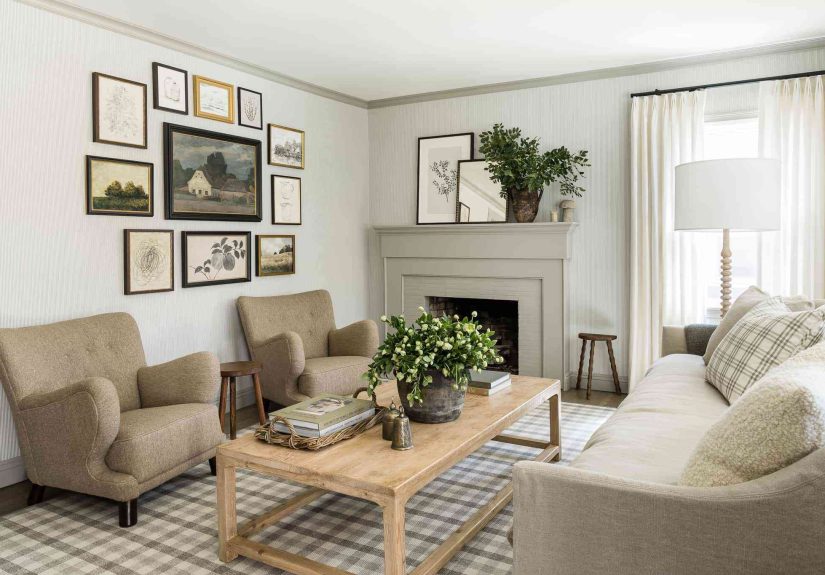
Beige furniture is a cheat code for cozy gray rooms. It bridges cool and warm tones and makes gray feel more “home” and less “corporate.”
A sand-colored sectional with light gray walls? Effortlessly inviting.
Style note: Beige works especially well when your gray has a warm, greige undertone.
4) Taupe & Greige
If you love neutrals but still want depth, taupe and greige furniture create a layered, tonal look with gray walls.
It’s monochrome’s more interesting siblingstill subtle, but with dimension.
Best for: modern organic, transitional, and minimalist spaces that want warmth without going “beige everywhere.”
5) Cognac & Camel (especially leather)
Cognac leather is practically made for gray walls. The warm, caramel tone pops beautifully and gives a room instant character.
Even one cognac chair can rescue a gray room from “nice, but… meh.”
Example: Light gray walls + cognac sofa + black metal floor lamp = modern, grounded, and photogenic.
6) Espresso & Chocolate Brown
Deep brown furniture adds weight and richness, especially against pale gray walls.
If you want a classic, library-like vibe, chocolate tones bring a traditional warmth that gray can sometimes lack.
Pro move: Balance dark brown with lighter textiles (cream curtains, ivory rug) so the room doesn’t feel heavy.
7) Natural Oak & White Oak
Light wood finishes (oak, white oak, ash) are a perfect match for gray because they add warmth without fighting undertones.
Gray walls + light wood furniture is a favorite for Scandinavian and modern organic interiors for a reason: it looks clean but still lived-in.
Where it shines: dining tables, bed frames, dressers, open shelving.
8) Walnut & Medium Wood Tones
Walnut brings a rich, mid-tone wood that plays beautifully with both cool and warm grays.
It’s especially good if your gray walls are medium depth and you want your furniture to feel substantial (but not dark).
Pair with: creamy upholstery and a few matte black accents for a polished, modern look.
9) Soft Black & Matte Black
Black furniture against gray walls is bold, graphic, and instantly modern.
If pure black feels intense, look for “soft black” finishesblack with a hint of charcoal warmth.
Works best when: you add texture (wood grain, boucle, woven baskets) so the look stays inviting.
10) Navy & Ink Blue
Navy is one of the safest “real colors” to pair with gray walls. It’s deep, elegant, and calmlike your room just got a blazer.
A navy sofa against light gray walls feels timeless rather than trendy.
Bonus: Navy plays nicely with brass, walnut, and crisp white trim.
11) Dusty Blue & Denim
If navy feels too formal, dusty blue brings a relaxed, lived-in vibe.
Denim-toned upholstery pairs especially well with cooler grays, creating a calm palette that still has personality.
Good for: family rooms, casual living rooms, and anywhere you want “cozy coastal” without seashell décor.
12) Teal & Blue-Green
Teal is gray’s fun friend who still pays their bills on time.
It adds color without turning the room into a circus, and it looks especially sophisticated with medium-to-dark gray walls.
Example: Charcoal-gray walls + teal velvet chair + warm wood side table = dramatic, not gloomy.
13) Sage & Olive Green
Sage furniture (or olive upholstery) makes gray walls feel softer and more naturallike you opened a window and nature RSVP’d “yes.”
These greens work across styles: modern farmhouse, mid-century, traditional, even minimalist.
Tip: Layer in linen, jute, and warm metals to keep the palette organic and cozy.
14) Forest & Hunter Green
Dark green furniture is a power move with gray walls. It’s moody, elevated, and pairs beautifully with warm woods and vintage-inspired accents.
If your gray walls feel a bit flat, forest green adds depth instantly.
Best with: light gray walls, warm oak floors, and creamy textiles.
15) Mustard, Ochre & Golden Yellow
Gray and yellow are a classic duo: gray calms the brightness, and yellow wakes gray up.
Mustard furniture (even just one accent chair) makes a gray room feel cheerful without being loud.
Sweet spot: warm gray walls + mustard velvet chair + walnut + black accents.
16) Rust & Terracotta
Want your gray room to feel welcoming? Bring in rust or terracotta.
These earthy orange-red tones add instant warmth and make cool grays feel more balanced.
It’s one of the easiest ways to avoid that chilly “winter day” vibe.
Where it works: leather ottomans, upholstered chairs, stained wood finishes with a reddish undertone, and accent benches.
How to choose the right one for your room (without buying five sofas “just to be sure”)
Match temperature first, then decide contrast
- Cool gray walls: lean into blues, blue-greens, crisp white, black, and cooler woods.
- Warm gray/greige walls: prioritize creams, beiges, cognac, warm woods, mustard, and terracotta.
Use the “60/30/10” rule (but don’t worship it)
A simple approach: let one color dominate (about 60%), a secondary color support (30%), and a small accent pop (10%).
For gray walls, your “60” might be gray + large neutrals (sofa/rug), while your “10” could be mustard chairs or teal stools.
It’s a guideline, not a law. Your room won’t get arrested.
Don’t forget the floor
Warm wood floors often make gray walls feel warmer. Cool gray tile can amplify cool undertones.
Before you commit to furniture color, look at the whole triangle: walls + floor + biggest furniture piece.
Mistakes to avoid (a short list of preventable heartbreak)
- Buying a “gray” sofa to match gray walls without adding contrast or texture (hello, flatness).
- Ignoring undertones and ending up with a room that looks slightly purple, slightly green, and fully confused.
- Skipping warmth (wood, cream textiles, warm metals) and wondering why your room feels chilly.
- Overdoing cool tones in a low-light roomnorth-facing spaces often need warmer elements to feel inviting.
500-word experience section: what people actually run into with gray walls and furniture colors
Here’s what tends to happen in real homes (aka places with pets, delivery boxes, and lighting that doesn’t come from a professional photo studio).
First: people paint the walls gray because it feels safe. Then they shop for furniture and realize gray is like a neutral refereeit doesn’t tell you what to do,
it just reveals whether your choices make sense.
A common experience: someone orders a “warm beige” sofa online and is shocked when it looks almost pink next to their gray wall. Nothing is technically wronguntil
evening hits and the lamps turn on. Warm bulbs can pull hidden undertones forward, so that “neutral” sofa suddenly has opinions. The fix is usually simple:
swap in a rug with both warm and cool notes, add cream pillows, or introduce a wood coffee table that ties the palette together. But the lesson sticks:
undertones don’t show up until they do, and then they’re the loudest person in the room.
Another classic scenario: the “gray-on-gray” room. The walls are gray. The sectional is gray. The curtains are gray. The rug is… you guessed it. In photos, it can look sleek.
In real life, it often feels like the room is buffering. People usually report the same thing: “It’s fine, but it’s missing something.”
That “something” is almost always contrast and texture. When they add a cognac leather chair, a walnut console, or even a mustard ottoman, the room suddenly looks styled.
It’s not that gray is badit’s that gray needs a supporting cast.
Then there’s the brave move: dark furniture with light gray walls. Folks worry it will feel heavy, but it often ends up looking the most intentional.
A matte black credenza or espresso dining table can make gray walls look crisp, like a gallery backdrop. The key experience here is discovering balance:
when the furniture is dark, you want lighter textiles (cream rug, light curtains) and reflective touches (glass, warm metal) so the room doesn’t feel like it’s wearing a turtleneck in July.
People also learn quickly that “adding color” doesn’t have to mean “going neon.”
Sage and dusty blue are popular because they feel like color without being shouty. Homeowners often describe these shades as calmingespecially with gray wallsbecause the palette
stays soft and layered. And if they want drama, forest green or navy tends to be the most successful leap: deep enough to feel sophisticated, but still classic.
Finally, the most satisfying experience: when someone stops trying to “match” gray and starts trying to balance it.
They mix warm wood with cool gray. They add creamy upholstery to soften a charcoal wall. They bring in rust or mustard as a little shot of warmth.
And suddenly gray doesn’t look like a default choiceit looks like a deliberate backdrop for a room that feels personal, comfortable, and finished.
Conclusion: gray walls aren’t the problemboring pairings are
Gray walls can be stunning when the furniture brings either warmth (woods, creams, cognac, rust) or clean contrast (white, black, navy).
Start by figuring out whether your gray leans warm or cool, choose one or two anchor furniture colors from the list above, then layer texture so the room feels alive.
Gray is flexibleso you get to decide whether it becomes “modern and inviting” or “accidentally corporate.”