Table of Contents >> Show >> Hide
- How to Use This College Packing List
- Study & Tech Essentials
- 1. A Comfortable, Roomy Backpack
- 2. Laptop or Reliable Computer
- 3. 5-Subject Notebook or Binder System
- 4. Pens, Pencils, and Highlighters
- 5. Planner or Digital Calendar System
- 6. Headphones or Earbuds
- 7. Surge-Protected Power Strip with Long Cord
- 8. Portable Phone or Laptop Power Bank
- 9. Portable External Drive or Cloud Backup Setup
- Bedding & Sleep Essentials
- Bath, Laundry & Personal Care Essentials
- 16. Shower Caddy
- 17. Shower Shoes (Flip-Flops)
- 18. Two or Three Quick-Dry Towels
- 19. Toiletries Kit and Shower Essentials
- 20. Basic First-Aid and Medicine Kit
- 21. Laundry Basket or Hamper
- 22. Laundry Detergent Pods and Stain Remover
- 23. Collapsible Drying Rack or Extra Hangers
- 24. Everyday Clothing for Campus Life
- 25. Weather-Appropriate Outerwear and Shoes
- Food, Drinks & Mini-Kitchen Essentials
- Organization, Cleaning & “Why Is This Room So Dusty?” Essentials
- Comfort, Sleep & “Keep Your Sanity” Essentials
- What Not to Pack for College
- Real-Life College Packing Lessons: Experiences from Move-In and Beyond
- Conclusion: Pack Smart, Live Better
There are two types of college packing lists. The first kind looks like someone emptied an entire superstore into a spreadsheet: 12 different highlighters, three kinds of irons (??), and a full set of fine china. The second kind is this list: realistic, tested-in-the-dorms, and focused on college essentials you’ll actually use every week.
Based on what colleges themselves recommend, plus advice from recent students and dorm-life pros, this ultimate college packing list pulls together 41 true dorm essentialsand skips the dusty fondue pot of it all.
We’ll walk through what to bring to college (and what to leave at home), grouped by category so you can pack without melting down in the Target aisle. Let’s build a dorm room that’s comfy, functional, and “wow, I actually have my life together”–adjacent.
How to Use This College Packing List
Before you start throwing everything into moving boxes, keep these quick tips in mind:
- Check your school’s housing guide. Every campus has slightly different rules about bed sizes, appliances, and what’s banned for fire safety (candles, certain lights, and space heaters are common no-gos).
- Coordinate with your roommate. You only need one mini-toolkit, one set of string lights, and probably not three vacuums in a 12×15 room.
- Think “weekly use,” not “just in case.” If you can’t picture using something at least once a week, it probably doesn’t need space in your dorm.
Now for the good stuff41 college essentials that earn their spot in your suitcase.
Study & Tech Essentials
Your dorm room is part bedroom, part study zone, part tech hub. These items help you keep up with lectures, late-night study sessions, and everything your professors throw at you.
1. A Comfortable, Roomy Backpack
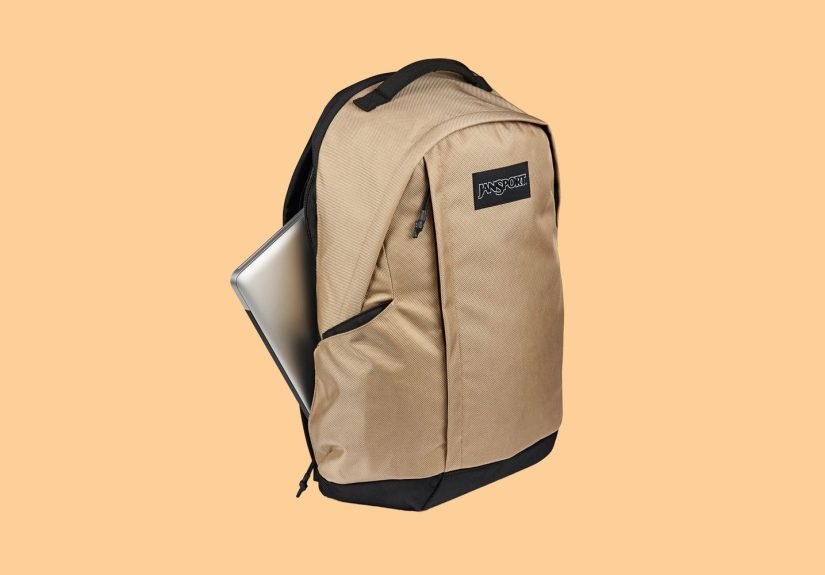
Skip the tiny fashion backpack. You want something with padded straps, a laptop sleeve, and enough room for notebooks, chargers, and a water bottle. You’ll carry this thing every day, so treat it like a wearable office, not an accessory.
2. Laptop or Reliable Computer
From papers to streaming, your laptop is mission control. Make sure it can handle video lectures, multiple tabs, and the occasional 2 a.m. “did I hit submit?” panic check. Back it up regularly and protect it with a sturdy case.
3. 5-Subject Notebook or Binder System
Even in the digital age, you’ll want a place to jot things down. Many college checklists still include notebooks, folders, and index cards because writing notes can help you actually remember things.
4. Pens, Pencils, and Highlighters
No need to buy 200 pens, but a small stash of reliable black pens, a few mechanical pencils, and a handful of highlighters in different colors makes it easier to color-code notes, syllabi, and that one exam date you absolutely cannot miss.
5. Planner or Digital Calendar System
Whether you love a physical planner or live inside Google Calendar, you need a system. College schedules are sneaky: you’ll swear you have nothing due, then suddenly realize three deadlines and a quiz are all happening on Thursday.
6. Headphones or Earbuds
Your roommate may be binge-watching a show while you’re trying to watch lecture recordings. Good headphones = instant personal bubble. Noise-canceling options are a bonus in busy dorms and crowded libraries.
7. Surge-Protected Power Strip with Long Cord
Dorm rooms never have enough outlets, and they’re always in weird places. A surge-protected power strip with a long cord keeps your laptop, phone, lamp, and fan powered without turning your floor into a dangerous charger jungle. Many schools specifically recommend UL-listed power strips with built-in circuit breakers.
8. Portable Phone or Laptop Power Bank
On days when you bounce from class to the library to a club meeting, wall outlets aren’t guaranteed. A compact power bank keeps your battery out of the danger zone during midterms and long days on campus.
9. Portable External Drive or Cloud Backup Setup
“My laptop died” is a tragedy, not an excuse. Use an external drive or a cloud backup service for big projects and essays. Future you will be very grateful when a random software update doesn’t eat your 12-page paper.
Bedding & Sleep Essentials
Sleep is your real extra-credit strategy. The more comfortable your bed, the easier it is to recover from early classes, group projects, and staring at your screen for too long.
10. Twin XL Sheet Set (At Least Two)
Most U.S. dorms use extra-long twin beds, which means your sheets from home (or standard twin sets) may not fit. Universities and dorm checklists consistently recommend bringing at least one or two Twin XL sheet sets so you can rotate them on laundry day.
11. Mattress Topper or Pad
Dorm mattresses are tough, both in durability and in “sleeping on a giant graham cracker” energy. A foam or fiber mattress topper instantly makes your bed more comfortable and can help you actually feel rested.
12. Comforter or Duvet
Choose something cozy that fits your style without being impossible to wash. Many college guides suggest layering with blankets so you can adapt to changing temperaturesespecially in older dorm buildings.
13. Two Supportive Pillows
One pillow for sleeping, one pillow for propping yourself up while reading, gaming, or pretending you’re “definitely about to start studying.” If you’re a side-sleeper, look for firmer support so you’re not waking up with neck pain.
14. Cozy Throw Blanket
A soft throw is perfect for late-night study sessions, movie nights, or turning your bed into a nap nest between classes. It also doubles as extra warmth when the heating situation is…mysterious.
15. Clip-On or Desk Lamp
Overhead dorm lights are either way too bright or mysteriously dim. A small lamp with adjustable brightness lets you study or read without lighting up the entire room (and waking your roommate). Many dorm checklists explicitly recommend non-halogen lamps for safety.
Bath, Laundry & Personal Care Essentials
Shared bathrooms and coin-op laundry are a rite of passage. The right gear makes them way less chaotic.
16. Shower Caddy
If you’re walking down the hall to a communal shower, a shower caddy is non-negotiable. It keeps shampoo, conditioner, body wash, and skincare together so you’re not juggling 12 bottles in a towel. Colleges routinely call this a “must-have” item.
17. Shower Shoes (Flip-Flops)
Communal showers are…communal. Rubber flip-flops protect your feet from mystery puddles and help you avoid “I don’t know what that is and I don’t want to” moments.
18. Two or Three Quick-Dry Towels
Quick-dry bath towels are easier to hang in small spaces and don’t stay damp forever. Add a hand towel and washcloth or two if you like a full spa setup.
19. Toiletries Kit and Shower Essentials
Pack a portable kit with your everyday items: toothbrush, toothpaste, shampoo, conditioner, body wash, deodorant, skincare, razors, hairbrush, and any makeup or grooming tools you use regularly. Guides often recommend keeping everything in one container so it’s easy to grab and go.
20. Basic First-Aid and Medicine Kit
You don’t need a mini hospital, but you’ll be glad you have bandages, pain reliever, cold meds, allergy tablets, cough drops, and any prescriptions you take. Toss in a digital thermometer and a few packets of electrolyte mix for post-cold recovery (or post-all-nighter dehydration).
21. Laundry Basket or Hamper
Choose something lightweight with handles for trudging to the laundry room. Collapsible hampers are especially handy in small dorm rooms.
22. Laundry Detergent Pods and Stain Remover
Pods are dorm-friendly: easy to carry, hard to spill, and simple to use. Several college living guides suggest pods plus a small stain remover stick or spray for coffee, pizza sauce, and mystery library stains.
23. Collapsible Drying Rack or Extra Hangers
For clothes that shouldn’t go in the dryer (or when every dryer is full), a compact drying rack or a bunch of sturdy hangers is a lifesaver. They also help keep your closet from turning into a wrinkled mountain.
24. Everyday Clothing for Campus Life
You don’t need your entire closet, but you do need enough outfits for class, lounging, working out, and a few nicer events or presentations. Many schools remind students to pack for all seasons, especially in places where the weather changes quickly.
25. Weather-Appropriate Outerwear and Shoes
Think rain jacket, winter coat, boots, or warm accessories depending on your campus climate. Nobody focuses well in class when they’re still thawing out from the walk over.
Food, Drinks & Mini-Kitchen Essentials
Even with a meal plan, you’ll be eating in your rooma lot. These basics keep you fed between dining hall runs.
26. Reusable Water Bottle
Hydration is one of the easiest ways to feel more awake, think clearly, and avoid random headaches. Many campuses have bottle-filling stations everywhere, so a reusable bottle is both practical and eco-friendly.
27. Insulated Travel Mug
Early class? Late-night study session? Your travel mug is your best friend. Use it for coffee, tea, or hot chocolate and save money skipping the constant coffee shop runs.
28. Microwave-Safe Bowl, Plate, and Mug
Even if you only have a hallway microwave, having your own microwave-safe dishes makes it easier to heat up leftovers, instant noodles, or oatmeal without burning your hands or using flimsy single-use containers.
29. Basic Utensils and Small Cutting Board
A fork, spoon, knife, and a small cutting board are enough dorm “kitchen” gear for slicing fruit, spreading peanut butter, or cutting up a quick snack. You don’t need a full chef’s knife set, no matter what that dramatic TikTok packing video said.
30. Nonperishable Snacks and Quick Meals
Stock up on easy stuff: granola bars, instant soup, microwave rice, oatmeal cups, trail mix, or shelf-stable milk. Dorm checklists often include basic food storage containers and snacks because late-night hunger is real.
Organization, Cleaning & “Why Is This Room So Dusty?” Essentials
An organized, clean-ish dorm room doesn’t just look betterit actually lowers stress and makes it easier to focus.
31. Mini Toolkit with Screwdriver and Tape Measure
You don’t need power tools, but a tiny toolkit with a screwdriver, tape measure, and a few nails-free hanging options (like 3M Command hooks) is incredibly handy for assembling furniture and adjusting room layouts.
32. Command Hooks and Removable Poster Strips
Most dorms don’t allow nails, screws, or anything that damages walls. Removable hooks and strips are the go-to recommendation in university checklists for hanging decor, lights, mirrors, and organizers without losing your housing deposit.
33. Under-Bed Storage Bins or Cubes
Your bed isn’t just for sleepingit’s prime real estate. Use low-profile bins or fabric cubes to store off-season clothes, extra sheets, or snacks. Many dorm packing lists emphasize storage as one of the biggest game-changers for small rooms.
34. Desktop or Bedside Organizer
Grab a small desk organizer or bedside caddy for pens, chargers, glasses, lip balm, and other tiny things that otherwise vanish into the void behind your bed.
35. Small Trash Can and Trash Bags
Most dorms don’t supply trash cans for every room, and fewer supply bags. A small trash can plus a roll of bags keeps your space from turning into a snack-wrapper museum.
36. Disinfecting Wipes and Multipurpose Cleaner
Cleaning experts recommend keeping a basic kit: disinfecting wipes, multipurpose spray, and a couple of microfiber cloths. They’re light, easy to stash, and make quick work of sticky desks and mysterious fridge spills.
37. Paper Towels and Sponges
Paper towels help with sudden spills, and sponges are useful if you’re washing dishes in a bathroom or shared kitchen. Replace them regularly so they don’t become a science experiment.
Comfort, Sleep & “Keep Your Sanity” Essentials
Dorms are noisy, busy, and full of people living their own schedules. A few small comforts can make a huge difference in how at-home you feel.
38. Fan or Small Space-Saving Air Circulator
Many dorm rooms run hot, especially early fall. A small fan or air circulator helps with airflow, white noise, and the “why is it so stuffy in here?” problem.
39. White-Noise Machine or Sleep Mask and Earplugs
If you’re a light sleeper, you’ll thank yourself for packing these. Some schools even suggest white noise as a way to tune out hallway traffic and late-night door slams.
40. Important Documents Folder
Use a simple folder or envelope for your ID, passport, financial aid papers, health insurance information, immunization records, and any prescriptions or accommodation letters. Keep it in a safe, consistent spot so you’re not scrambling before appointments.
41. Small Comfort Item from Home
Photos, a favorite blanket, a small plant, or a piece of decor that screams “you” can make your dorm feel less like a temporary box and more like your own space. Many universities encourage students to bring a few personal items to help with homesickness and adjustment.
What Not to Pack for College
Just as important as what you bring is what you leave behind. Colleges often ban:
- Candles, incense, and anything with an open flame
- Certain string lights, halogen lamps, and space heaters
- Cooking appliances with exposed heating elements
- Weapons, fireworks, and anything flammable or combustible
Policies vary, so always read your school’s “what not to bring” list for the latest rules before you shop.
Real-Life College Packing Lessons: Experiences from Move-In and Beyond
Ask any recent grad what they actually used from their college packing list, and you’ll hear the same themes: they used the basics constantly, they overpacked clothes, and they regretted the one or two things they decided to skip “to save space.” Here are some experience-based insights to help you refine your own list.
The Items Everyone Thought Were Extra But Weren’t
Almost every student who has survived freshman year will tell you that a good power strip, extra-long phone charger, and a fan are non-negotiable. During the first week, you’ll see people rearranging furniture to get closer to outlets, balancing laptops on windowsills, and trying to sleep in rooms that feel like saunas. The students who packed a fan and power strip from day one are suddenly the most popular people on the floor.
Another sleeper hit: the basic toolkit and Command hooks. During move-in, someone is always struggling with a wobbly shelf, a crooked clothing rack, or a lamp that came in five pieces and no instructions. If you’re the one with a screwdriver and a few extra hooks, you’ll not only get your own room set up fasteryou’ll also make instant friends by helping your neighbors.
What Students Regret Leaving at Home
One of the biggest regrets students report is not bringing enough comfortable bedding. Many assume they can “deal with” the dorm mattress, then end up buying a mattress topper after a few weeks of stiff shoulders and late-night tossing. Packing a topper from the start saves money and lets you sleep better from day one.
Another common regret: not bringing any decor or comfort items. It might feel trivial when you’re trying to figure out how many socks you need, but walking into a completely bare room after your family leaves can be surprisingly emotional. A few photos, a string of lights (if allowed), or a favorite blanket can make that first night feel less overwhelming and more like the beginning of something exciting.
The Overpacking Trap (And How to Avoid It)
On the flip side, lots of students say they arrived with way too many clothes, shoes, and “maybe” items. Extra party outfits, ten pairs of heels, or stacks of books they never opened end up stuffed under the bed or crammed into closets. Most people rotate the same handful of comfortable outfits, a few nicer pieces for events, and weather-appropriate layers.
A helpful rule of thumb: if you wouldn’t wear it in a typical week at home, you probably won’t wear it at school. Remember that you can always swap items out on fall or winter breaksthere’s no need to bring your entire wardrobe on move-in day.
How Roommates Actually Share Stuff
In theory, roommates promise to share everything: snacks, cleaning supplies, decorations. In reality, it depends on personalities and boundaries. Many students say they ended up sharing “neutral” items like paper towels, disinfecting wipes, trash bags, or dish soapbut preferred to keep personal items (food, toiletries, even certain decor) separate.
That’s why it’s smart to text your roommate before move-in about big items: fans, rugs, extra lighting, maybe a shared set of dishes. You can each bring a few things that benefit both of you, instead of doubling up or leaving gaps. Clear communication early on prevents the awkward “who paid for what?” conversations later.
Move-In Day Reality Check
Move-in day is more about logistics than perfection. You’ll be dealing with elevators, crowded stairwells, limited parking, and a narrow window to unload everything. Students who’ve done this before often recommend packing in sturdy moving bags or smaller boxes rather than huge plastic tubsthey’re easier to carry and fit better into tight spaces.
Most people only fully “settle in” over the first couple of weeks. You might rearrange your furniture three times, move your desk lamp, or realize that the snack bin absolutely belongs closer to your bed. That’s completely normal. Think of move-in day as setting up a rough draft that you’ll fine-tune once you know how you really live in the space.
Why “Essentials Only” Is the Best Strategy
When you boil down all the stories, the pattern is clear: students consistently rely on a core set of practical, comfort-boosting itemscomfortable bedding, smart storage, basic cleaning supplies, and a few personal touches from home. These 41 essentials aren’t just theoretical; they’ve earned their place on the list by being used over and over again in real dorm rooms.
If you focus on these true necessities, leave behind the bulky “maybe” items, and stay flexible about adding a few things later, you’ll arrive on campus prepared, not overloaded. And best of all, you’ll have a room that feels like your spaceready for studying, relaxing, and learning how to do life on your own terms.
Conclusion: Pack Smart, Live Better
Packing for college doesn’t have to be overwhelming. With a focused college packing list, a sense of humor, and a realistic view of dorm life, you can skip the clutter and bring exactly what you need to feel at home on campus.
Use this list as your starting point, adjust it based on your school’s housing rules and climate, and remember: the goal isn’t to recreate your entire bedroom from home. It’s to bring the essentials that support your sleep, study, health, and happinessso you can spend less time worrying about stuff, and more time enjoying your new college life.