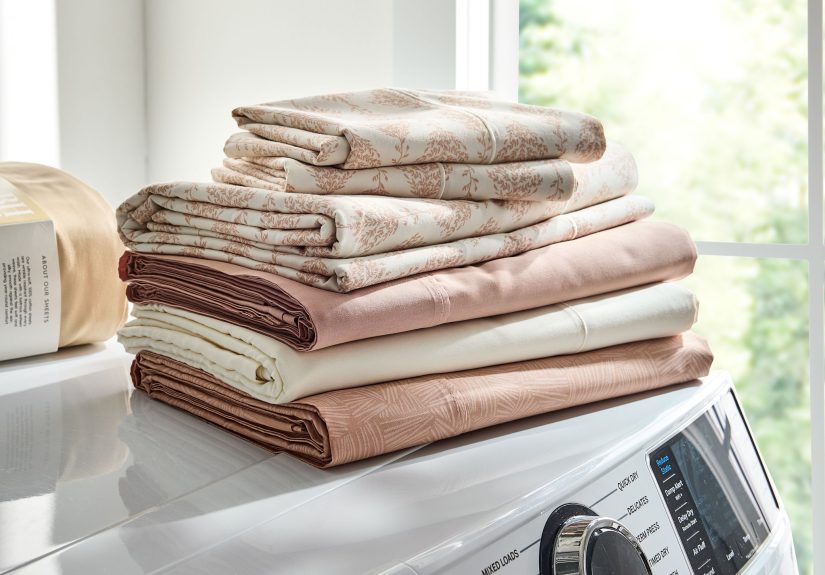
Table of Contents >> Show >> Hide
- The Real Reason to Wash New Sheets First
- Why Your Skin Cares More Than You Think
- The Other Big Benefit: Your Sheets Start Acting Like Sheets
- What About Luxury Sheets?
- How to Wash New Sheets the Right Way
- Who Should Be Extra Careful?
- Common Myths About New Sheets
- The Bottom Line
- Everyday Experiences That Make People Believe in the First Wash Rule
There are few household pleasures more dramatic than opening a fresh set of brand-new sheets. The packaging promises luxury. The fabric looks crisp. The color is immaculate. You stand there for a moment, feeling like the kind of person who definitely drinks enough water and has their life together.
And then comes the question nobody really wants to ask in the middle of this glamorous bedding moment: should you wash new sheets before sleeping on them?
The answer is yes. Absolutely yes. Not “if you have time.” Not “only if you’re extra cautious.” Not “only if the universe gives you a sign.” You should wash new sheets before using them because what feels “new” is not always the same as what is actually clean, skin-friendly, or ready for eight hours of face-to-fabric contact.
The surprising reason has less to do with old-fashioned housekeeping rules and more to do with what happens to textiles before they ever reach your bed. New sheets can carry leftover processing chemicals, dyes, finishing agents, dust, packaging residue, and the invisible grime of storage, shipping, and handling. In other words, they may be new to you, but they are not fresh out of some magical cloud-operated linen spa.
The Real Reason to Wash New Sheets First
If you remember only one thing from this article, let it be this: brand-new sheets are often finished for sale, not for sleep. Bedding manufacturers want sheets to look smooth, feel structured, resist wrinkles, survive packaging, and arrive on store shelves looking polished. To make that happen, fabrics may go through dyeing, finishing, softening, pressing, and treatment processes before they ever land in your cart.
That means the “clean” feeling of new bedding can be misleading. Crisp does not always mean clean. Fancy does not always mean skin-ready. Sometimes that showroom-perfect finish is exactly the reason you should run the sheets through the washer before you let them spend the night pressed against your face, neck, arms, and legs.
What Can Be Lingering on New Sheets?
Depending on the brand, fabric, and production process, new sheets may contain traces of dyes, starches, lubricants, resins, finishing chemicals, and fabric treatments. Some wrinkle-resistant or “easy care” fabrics may also have been treated with finishes that people with sensitive skin would rather not cuddle for eight uninterrupted hours.
Even if the sheet set itself is made from natural fibers like cotton or linen, that does not automatically mean it skipped all processing. Fibers can be natural. The trip from factory to package to bedroom is not.
There is also the less glamorous matter of dust, warehouse exposure, and ordinary handling. New sheets are manufactured, folded, packed, shipped, stacked, shelved, touched, and moved around long before they arrive at your house. By the time you cut open the packaging, those sheets have lived a full logistical life.
Why Your Skin Cares More Than You Think
Your skin is not just along for the ride while you sleep. It is the largest organ in your body, and when you spend six to nine hours in bed, your sheets become one of the surfaces it interacts with most. That is why even a small amount of irritation can matter.
For people with sensitive skin, eczema-prone skin, contact dermatitis, fragrance sensitivities, or a history of reacting to dyes and fabric treatments, skipping the first wash can be a lousy gamble. Sometimes the result is mild itchiness. Sometimes it is redness. Sometimes it is just that vague, annoying “Why do I suddenly feel uncomfortable in my own bed?” feeling that can ruin a perfectly good night’s sleep.
And because people often blame detergent, weather, stress, hormones, or “something weird I ate,” the sheets themselves do not always get the side-eye they deserve. New bedding can be the sneaky culprit.
“Wrinkle-Free” Sounds Nice. Your Skin May Disagree.
Many shoppers love the phrase “wrinkle-free” because it suggests less ironing, less fuss, and more elegance. Fair enough. But wrinkle-resistant finishes are one of the main reasons experts often recommend washing bedding before using it. Those treatments can be helpful for appearance, yet not ideal for the first thing your skin meets every night.
If you have ever bought brand-new sheets that felt unusually stiff, overly slick, or strangely perfumed straight out of the package, there is a good chance you were noticing the result of finishing rather than the fabric’s true character. The first wash strips away a lot of that “retail personality” and reveals what the sheets are actually like to sleep on.
The Other Big Benefit: Your Sheets Start Acting Like Sheets
Even if you have skin that tolerates almost anything, washing new sheets first is still a smart move. Why? Because the first wash helps bedding settle into its real-life form.
That means:
- the fabric often gets softer,
- the finish feels less stiff,
- the fit becomes more accurate after minor shrinkage,
- loose fibers and packaging dust wash away,
- and the sheets feel more breathable and comfortable.
Think of it as the difference between meeting someone in a starched suit and meeting them when they finally loosen their tie and become interesting. New sheets tend to be overdressed. The first wash lets them relax.
Yes, Shrinkage Matters
One of the most practical reasons to wash new sheets before using them is that some fabrics, especially cotton and linen, may shrink slightly after the first wash and dry cycle. That tiny size change may not sound important until you are wrestling a fitted sheet onto your mattress like you are trying to wrap a watermelon in a napkin.
Washing first lets the fabric reach its more stable shape before it becomes part of your bedtime routine. It is a lot less irritating to discover a slight change in fit during laundry day than when you are making the bed at 11:30 p.m. and questioning your life choices.
What About Luxury Sheets?
Luxury sheets are not exempt from the first-wash rule. In fact, expensive bedding can benefit just as much. High-end cotton, linen, bamboo-derived fabrics, sateen, and percale often improve noticeably after an initial wash because the fibers relax and the weave starts to soften into the feel you actually paid for.
That is especially true for linen, which has a reputation for becoming more comfortable over time. If linen feels a little crisp at first, do not panic. That is not a flaw. It is a personality phase. A proper wash helps it begin the transformation from “nice fabric” to “where have you been all my life?”
How to Wash New Sheets the Right Way
The good news is that this is not difficult. You do not need a laboratory. You do not need a complicated laundry ritual involving moonlight and interpretive dance. You just need a sensible first wash.
1. Check the Care Label
Always start with the manufacturer’s care instructions. Some sheets do best in cold water, others in warm. Some can handle a tumble dry on low, while others prefer line drying or lower heat.
2. Wash Them Separately the First Time
Do not toss new sheets in with jeans, towels, or that one hoodie that sheds lint like it is getting paid for it. Washing sheets separately gives them room to move, helps them rinse thoroughly, and reduces abrasion.
3. Use a Mild Detergent
Go easy on the detergent, especially if you or someone in your home has sensitive skin. A gentle, fragrance-free detergent is often the best choice for a first wash. More soap does not equal more clean. Sometimes it just equals more residue.
4. Consider an Extra Rinse
If your machine has an extra-rinse option, use it. This can help remove leftover detergent as well as any loosened finishing residue from the fabric.
5. Skip the Heavy Extras
Fabric softener and dryer sheets are not always your friend, especially on the first wash. Many people prefer to skip them to avoid additional coatings or fragrance on bedding that is already trying to become less processed, not more.
6. Dry Gently
Low or medium heat is usually safest unless the care label says otherwise. High heat can encourage shrinkage, fade color faster, and shorten the lifespan of delicate fibers.
Who Should Be Extra Careful?
While washing new sheets is a good habit for everyone, some people should treat it as non-negotiable:
- people with eczema or contact dermatitis,
- anyone with fragrance or dye sensitivities,
- babies and young children with delicate skin,
- people who sleep hot or sweat at night,
- and anyone recovering from a skin flare-up or irritation.
For these groups, the first wash is not just about comfort. It is about reducing unnecessary exposure to possible irritants from the start.
Common Myths About New Sheets
“But They’re Sealed, So They Must Be Clean.”
Sealed packaging helps protect the sheets during the final part of their journey. It does not erase everything that happened before packaging, and it does not guarantee the fabric is free from residue or finishing agents.
“I’ve Never Washed New Sheets Before and I’m Fine.”
That may be true. Lots of people skip the first wash and do not notice a problem. But “I got away with it” is not the same as “it is best practice.” Plenty of household habits fall into that category, including eating pizza over your keyboard and pretending crumbs are a design feature.
“Only Cheap Sheets Need Washing First.”
Nope. Price does not magically remove dust, dye residue, or processing treatments. Good sheets often become even better after a first wash, which is a pretty nice return on five minutes of effort.
The Bottom Line
The surprising reason you should always wash new sheets before using them is simple: new bedding is often optimized for manufacturing, packaging, and presentation before it is optimized for skin contact and sleep. A quick wash helps remove dust, residue, and leftover processing chemicals, reduces the chance of irritation, softens the fabric, and gives the sheets their more accurate fit and feel.
So yes, the bed will look amazing the moment you rip open that package. But your skin, your comfort, and possibly your future self at bedtime would all prefer one small pause between “brand new” and “directly on my face.”
Wash the sheets first. Then enjoy the clean-bed glory with a little less mystery and a lot more comfort.
Everyday Experiences That Make People Believe in the First Wash Rule
Plenty of people do not become passionate about washing new sheets because of a scientific article or a dermatologist quote. They become believers because of experience. Real, ordinary, mildly annoying, highly relatable experience.
One common story goes like this: someone buys a beautiful new sheet set, puts it on the bed immediately, and spends the first night wondering why the fabric feels oddly stiff. It looks luxurious, but it does not feel inviting. Instead of that soft, ahhh-I-live-here-now sensation, the sheets feel a little papery, a little squeaky, or a little too “fresh from the factory.” After one wash, the same set suddenly feels softer, looser, and much more comfortable. Nothing magical happened. The fabric just finally got a chance to behave like bedding instead of packaging material with ambitions.
Another familiar experience happens to people with sensitive skin. They buy new sheets, skip the wash, and wake up feeling itchy around the neck, chest, or legs. Not dramatic, not emergency-room-level, just irritating enough to make sleep feel less restful. The annoying part is that they often blame everything except the sheets at first. Maybe the room was dry. Maybe the detergent from last week’s laundry caused it. Maybe stress is making their skin act up. Then they wash the sheets and the problem disappears. Mystery solved. The bed was not cursed. It just needed laundry.
Hot sleepers have their own version of this lesson. Sometimes new sheets trap heat more than expected because the finish still feels dense or stiff. After washing, the fabric tends to breathe better and drape more naturally, which can make a bed feel noticeably less stuffy. It is not that one wash turns your room into a mountain retreat, but it can make the bedding feel less like a showroom display and more like something meant for actual human sleep.
There is also the classic fitted-sheet experience. Brand-new sheets sometimes fit the mattress beautifully right out of the package, which creates a false sense of security. Then the first regular wash happens later, the fabric changes a little, and suddenly the fitted sheet is tighter than expected. People who wash first avoid that surprise because they get the true fit from day one. Nobody wants to discover shrinkage while wrestling elastic corners after a long day.
And then there are the people who did not care at all until they bought a really good set of sheets. That is when the difference becomes obvious. A high-quality cotton or linen set often improves after the first wash in a way that feels almost unfair. It gets softer, more relaxed, less glossy, less stiff, and much more inviting. Many people realize the version they admired in the package was not even the best version. The best version shows up after the wash.
That is why this habit tends to stick. Once someone has slept on washed-first sheets and compared the experience with straight-out-of-the-package sheets, the choice becomes easy. Washing new sheets before using them is one of those small household decisions that costs almost nothing, takes very little effort, and pays you back immediately in comfort. It is not fussy. It is not excessive. It is just one of those tiny grown-up moves that quietly makes life better.