Table of Contents >> Show >> Hide
- The “Camo Problem” Isn’t Cruise FashionIt’s Port Law
- Why Governments Care About Your Cargo Shorts
- What Counts as “Camo” (Spoiler: More Than You Think)
- What Can Actually Happen If You Wear Camo in Port
- So… Can You Wear Camo on the Ship?
- How to Cruise Smart (Without Sacrificing Your Style)
- Quick FAQ: The Questions People Ask After They’ve Already Packed
- Conclusion: The Best Way to “Blend In” Is Not to Try
- Bonus: of Cruise Experiences (and Near-Misses) With Camo
Cruise packing is supposed to be easy: swimsuits, sunscreen, something with an elastic waistband for the buffet, and at least one outfit that says, “Yes, I’m on vacation, and no, I don’t know what day it is.” So where does camouflage fit into this carefree plan?
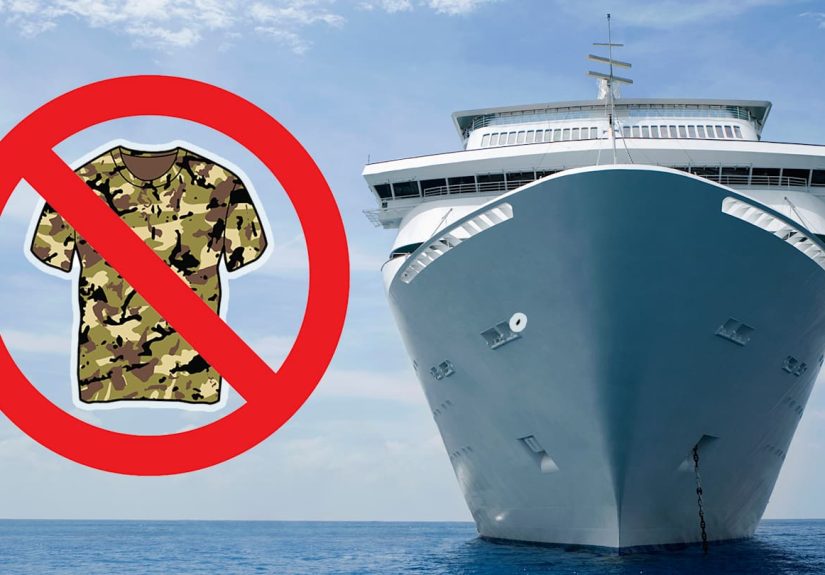
Honestly? It fits right between “bringing a hair straightener to the pool deck” and “arguing with a seagull about your fries.” Because the real problem with camo on a cruise isn’t that it’s “tacky,” “too casual,” or “not formal night approved.” The surprising reason you shouldn’t wear camo on a cruise ship is way more serious: in many popular cruise destinations, camouflage clothing (and even camo accessories) is illegal for civilians.
Translation: your “cute little camo shorts” can turn into a “why am I talking to an officer in paradise?” situationfast. Let’s break down what’s actually going on, where it happens, what counts as camo, and how to avoid turning your vacation into an unintended episode of Law & Order: Shore Excursion Unit.
The “Camo Problem” Isn’t Cruise FashionIt’s Port Law
Most cruise lines don’t care if you wear camo on the ship (though each line can set its own rules). The trouble starts when you step off the gangway in certain ports of callespecially in parts of the Caribbeanwhere local laws reserve camouflage patterns for military and, in some places, police or security forces.
Cruise lines warn guests about this because it’s not a hypothetical “maybe” issue. It’s a real legal restriction that can apply to adults, teens, and yes, even kids in matching camo outfits (because the law doesn’t care that he’s “just a little guy”).
Common Cruise Stops Where Camo Can Get You in Trouble
Exact rules vary by country, and itineraries change, but these are frequently cited as destinations with restrictions on civilians wearing camouflage clothing and/or carrying camo items:
- Barbados (a big one for Southern/Eastern Caribbean itineraries)
- Jamaica
- Grenada
- Saint Lucia
- Antigua
- Trinidad and Tobago
- Dominica (often included on cruise warnings)
- The Bahamas (frequently mentioned in cruise guidance)
That list is not exhaustive, and it’s not meant to scare youjust to keep you from accidentally packing something that can complicate your day in port.
Why Governments Care About Your Cargo Shorts
From a U.S. perspective, camo is everywhere: streetwear, athleisure, hunting gear, even “fashion camo” in pink or pastel. In some countries, though, camouflage patterns aren’t treated as a trend. They’re treated like a uniform. And uniform-like clothing can trigger serious concernsespecially in places that prioritize clear identification of armed forces.
1) Camouflage Can Be Viewed as “Uniform Impersonation”
In destinations where camo is restricted, the pattern is often reserved for military personnel. Wearing it as a civilian can be interpreted as presenting yourself as someone you’re not. Even if your intent is “I’m just trying to look cool,” the law may view it as “you’re dressed like a restricted authority figure.”
2) It’s About Public Safety and Security, Not Style
Many places restrict camo to reduce the risk of confusion, intimidation, or criminal impersonation. In plain English: if bad actors can dress like armed forces, it makes it harder for locals and law enforcement to tell who’s legitimate. Some governments take a “zero ambiguity” approachno camo in public means fewer opportunities for anyone to exploit the look.
3) History Matters (Even If Your Outfit Doesn’t Mean Anything to You)
Certain regions have dealt with political unrest, organized crime, or security challenges where military-style clothing carries weight. A camo pattern that reads as “weekend casual” in the U.S. can read as “potential threat” somewhere else. That’s why these laws can feel surprising to travelers: your clothes don’t change, but the meaning does.
What Counts as “Camo” (Spoiler: More Than You Think)
Here’s where people get tripped up: they think “camouflage” means only classic green-and-brown army print. In many destinations, restrictions cover any camouflage-style pattern, regardless of color. That means “fashion camo” can still count.
Camo Isn’t Just Shirts and Pants
Depending on local enforcement (and yes, that varies), these items can also cause issues in restricted ports:
- Hats and caps with camouflage print
- Backpacks, totes, purses, and fanny packs in camo
- Swimsuits or cover-ups with camouflage patterns
- Shoes or sandals with a camo design
- Kids’ clothing with camo (including toddler outfits)
- Accessories like bandanas or even phone cases in camo (yes, really)
The safest rule is painfully simple: if it looks like camouflage to you, it might look like camouflage to an officer who is paid to notice. And nobody wants “shore day outfit inspection” to be part of their vacation itinerary.
What Can Actually Happen If You Wear Camo in Port
Consequences range from mildly annoying to seriously disruptive. And because you’re on a cruise, time is not your friend. You don’t want to spend your limited hours in port dealing with something that could’ve been solved by packing a different pair of shorts.
Best-Case Scenario: You Get Told to Change
In some cases, travelers are told to return to the ship and change clothes before continuing their day. That sounds “fine” until you realize it can eat up your entire morningespecially if your ship is docked far from the town center or your excursion departure point.
Medium-Case Scenario: Your Camo Item Gets Confiscated
Authorities may require you to surrender the camo clothing or accessory. You can argue (you shouldn’t), plead (rarely effective), or accept that your favorite camo hat has decided to live abroad permanently.
Worst-Case Scenario: Fines, Detention, or Legal Trouble
Some destinations attach fines or potential penalties to violations. Even when enforcement is lenient for tourists, you don’t want to gamble your cruise on “maybe they won’t care.” Missing your excursion is bad; missing your ship because you’re stuck sorting out a legal issue is the kind of travel story that stops being funny the second you’re living it.
So… Can You Wear Camo on the Ship?
Often, yesonboardbut it depends on the cruise line and the venue. Some lines focus their guidance on ports of call: the ship itself is generally relaxed, while the destinations may not be. Even if the ship doesn’t ban camo, your itinerary might effectively do it for you.
And here’s the sneaky part: cruises blur the line between “at sea” and “in a country.” You might throw on an outfit thinking, “I’ll just wear this today,” and then realize you’re stepping into a restricted port in two hours. The outfit didn’t change; the legal context did.
How to Cruise Smart (Without Sacrificing Your Style)
You don’t have to pack like you’re auditioning for a formalwear catalog. You just need a plan that keeps your wardrobe from becoming a paperwork event.
1) Do a “Port-of-Call Outfit Check” Before You Leave Your Cabin
On port days, give yourself a 10-second scan: shirt, shorts, hat, bag. If any of them are camo, swap them. That’s it. No dramatic closet overhaul required.
2) Replace Camo With “Low-Drama Neutrals”
If you love camo because it hides stains and looks rugged, you’ll get similar benefits from: khaki, olive (solid color), navy, charcoal, or denim. You still get a practical look without the legal baggage.
3) Watch the Accessories (They’re the Sneakiest Offenders)
People remember to avoid camo pants but forget the camo backpack or hat. If you have a favorite day bag in camo, consider bringing a lightweight foldable tote or a simple solid-color backpack for port days.
4) If You Absolutely Must Pack It, Make a “Ship-Only” Rule
Some travelers insist on bringing camo for workouts, lounging, or theme-night fun. If that’s you, treat camo like a “stays on the ship” item. Keep it in a separate packing cube and don’t wear it on mornings when you might disembark. You’re not banning yourselfyou’re just reducing the odds of an accidental “oops.”
5) Don’t Assume “Tourists Get a Pass”
The whole point of these laws is that they’re meant to be clear and enforceable. If a rule exists to prevent confusion or impersonation, tourists aren’t automatically exempt. The safest travel mindset is: your vacation is not a legal loophole.
Quick FAQ: The Questions People Ask After They’ve Already Packed
“What if it’s not ‘real’ camojust a camo-inspired pattern?”
In many places, the pattern is the problem, not your intent. If it looks like camouflage, it may be treated like camouflage. When in doubt, leave it out.
“What about bright-colored camo?”
“Pink camo” still reads as camo. Color doesn’t always matter. Pattern often does.
“My kid has camo pajamasdoes that count?”
The risk is highest when you wear it in public in restricted destinations. Inside your cabin? You’re likely fine. Off the ship? Don’t risk it. Also, little kids are fastdon’t give them an outfit that can cause issues if they bolt toward the gangway.
“Will the cruise line stop me from boarding?”
Generally, cruise warnings focus on what happens in port, not at embarkation. But your vacation isn’t just the ship it’s every place the ship takes you. Packing for the full itinerary is the smarter move.
Conclusion: The Best Way to “Blend In” Is Not to Try
Camo is one of those prints that feels harmless in the U.S. because it’s basically a lifestyle: hunting gear, streetwear, gym clothes, and that one hat someone insists is “lucky.” On a cruise, though, your wardrobe travels across borders with youand borders come with rules.
The surprising reason you shouldn’t wear camo on a cruise ship isn’t about fashion or formality. It’s about legality in certain ports, where camouflage is reserved for military or security forces. Skip the camo, save yourself the stress, and let your biggest concern be whether to order dessert twice (the correct answer is yes).
Bonus: of Cruise Experiences (and Near-Misses) With Camo
If you’ve cruised more than once, you already know the most dangerous force at sea isn’t the oceanit’s the confidence of a person who packed “just in case” outfits for every scenario. That’s how camo sneaks into suitcases: it feels practical. It hides stains, it looks tough, and it says, “I’m ready for adventure,” even if your wildest plan is a snorkeling excursion followed by nachos.
One common story shared among cruisers goes like this: someone steps off the ship in camo shorts, feeling totally normal, because it’s a warm port, they’re in vacation mode, and camo is practically a neutral back home. Then reality taps them on the shouldersometimes literally. They’re told they can’t continue in that outfit, and they need to head back to the ship. The mood whiplash is real: five minutes ago you were dreaming of a beach chair; now you’re speed-walking like you’re late for a meeting with “Consequences.”
Another frequent near-miss is the accessory trap. Travelers carefully avoid camo clothing… and then grab the camo backpack because it’s roomy, comfortable, and already packed with sunscreen, sunglasses, and a water bottle. The irony is painful: you did everything right, except the one thing that’s literally strapped to your back. That’s why experienced cruisers often recommend a “port-day bag” that’s boring in the best waysolid color, no military styling, and zero chance of attracting attention from anyone with a badge.
Families run into it too, usually through matching outfits. Coordinating on vacation is adorable, until “family photo day” accidentally turns into “family outfit problem.” Kids’ camo is so common in the U.S. that it barely registers as special, which is exactly why it’s easy to forget the rules change once you dock. The smart play is to keep kids in simple brights, stripes, or fun tropical prints on port days. Your photos will still look great, and you’ll avoid teaching them a new travel lesson: “Sometimes a pattern is a paperwork issue.”
Then there’s the “but it’s not real camo” argumentlike gray camo, blue camo, or camo that’s more fashion than forest. The problem is that enforcement usually doesn’t involve debating your outfit’s aesthetic category. If an officer sees a camouflage-style pattern, you’ve already lost the vibe check. Cruise veterans treat it like traveling with restricted items: it’s not about whether you meant harm, it’s about whether the rule exists.
The best cruise experiences are the ones where nothing weird happens. So if you want a truly relaxing story to tell when you get home, make your camo choice simple: leave it at home, or keep it ship-only. Your future selfsunburned, happy, and holding a fruity drinkwill thank you.