Table of Contents >> Show >> Hide
- Why No-Peel Squash Is the Thanksgiving Upgrade Nobody Warned You About
- The Best Thanksgiving Squash Varieties You Don’t Have to Peel
- How to Choose the Right No-Peel Squash for Your Menu
- Best Ways to Cook No-Peel Squash for Thanksgiving
- Mistakes to Avoid
- How These Squash Varieties Fit Into a Modern Thanksgiving Menu
- What It’s Actually Like to Serve No-Peel Squash at Thanksgiving
- Conclusion
Thanksgiving cooking has a way of turning otherwise calm, reasonable adults into people who whisper threats at root vegetables. Turkey? Fine. Pie? Manageable. But winter squash? That is where holiday optimism often meets a cutting board and loses. Traditional squash can be delicious, sure, but peeling one can feel like arm day at the gym followed by a trust exercise with a chef’s knife.
The good news is that a new generation of Thanksgiving-friendly squash is here to save your wrists, your schedule, and possibly your mood. More accurately, some of these are newer-to-mainstream varieties rather than brand-new inventions, but they are showing up more often in grocery stores, farmers markets, recipe sites, and holiday menus. And the best part is gloriously simple: you do not have to peel them.
That means less prep, less mess, and a much faster path to a beautiful side dish that still looks like you made an effort. Which, let’s be honest, is the true spirit of holiday efficiency.
In this guide, we’ll look at the best no-peel squash varieties for Thanksgiving, how they taste, how to cook them, which ones deserve a spot on your holiday table, and how to avoid the common mistake of assuming every squash skin is equally delicious. Spoiler: it is not.
Why No-Peel Squash Is the Thanksgiving Upgrade Nobody Warned You About
There are two kinds of Thanksgiving cooks: the ones who plan in spreadsheets, and the ones who realize at 11:10 a.m. that the casserole dish is still in the dishwasher. No-peel squash helps both groups.
First, it cuts prep time dramatically. If the skin softens beautifully during roasting, you can skip the annoying peeling step and move right to slicing, scooping seeds, seasoning, and roasting. That alone can shave meaningful time off a crowded holiday cooking schedule.
Second, edible-skin squash tends to look fantastic on a platter. Rings of delicata, halved honeynut squash, and stuffed sweet dumpling squash all bring color, shape, and texture to the table. Translation: they make people say, “Ooh, what is that?” before they even reach for the gravy.
Third, leaving the skin on helps the squash hold its structure. Instead of collapsing into mush, many no-peel varieties roast into tidy slices or halves with caramelized edges and creamy interiors. That makes them ideal for holiday serving, especially when you want something that looks polished without behaving like a high-maintenance diva.
The Best Thanksgiving Squash Varieties You Don’t Have to Peel
1. Delicata Squash: The Overachiever of Easy Holiday Sides
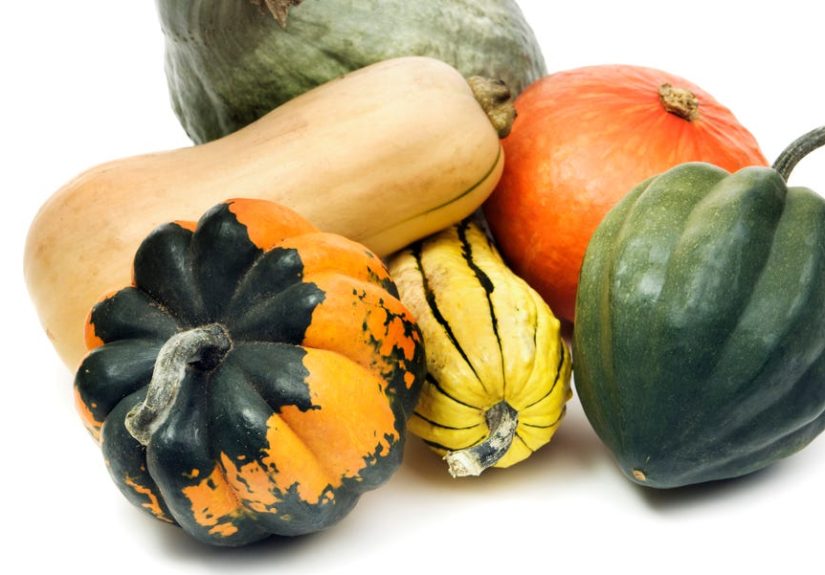
If there were an MVP trophy for no-peel squash, delicata would already have a shelf for it. This long, narrow squash usually has cream-colored skin with green or orange striping, and its thin skin becomes tender when roasted. That is why delicata is so beloved by home cooks: it is easy to cut, fast to prep, and reliably delicious.
Flavor-wise, delicata is sweet, nutty, and a little bit buttery, with a texture that lands somewhere between sweet potato and roasted squash. It is especially good when cut into half-moons or rings and roasted with olive oil, salt, pepper, and a mix of holiday-friendly extras like maple syrup, chili flakes, sage, or parmesan.
For Thanksgiving, delicata is perfect in warm salads with farro and cranberries, on sheet pans with red onion and sausage, or simply roasted until golden and finished with brown butter and toasted pecans.
One thing to know: delicata does not store as long as some thicker-skinned winter squash. So if you buy it way ahead of Thanksgiving, do not let it sit around like a decorative pumpkin with ambition.
2. Honeynut Squash: Small, Sweet, and Weirdly Adorable
Honeynut squash is often described as a mini butternut, but that undersells it. This variety has become a favorite among cooks because it delivers concentrated flavor, a compact size, and skin that is thin enough to leave on. Compared with standard butternut, honeynut tends to be sweeter, richer, and more deeply orange inside.
Its size is part of the charm. Honeynut squash is usually small enough to halve lengthwise, scoop the seeds, season it, and roast it cut-side up or down depending on the result you want. It feels elegant without being fussy, which is a dream combination at Thanksgiving.
This squash works beautifully with maple, miso, browned butter, tahini, pomegranate seeds, or hot honey. It can lean sweet, savory, or somewhere in between. If your holiday menu already has sweet potatoes and marshmallows doing their annual theatrical performance, honeynut gives you a more grown-up sweetness with less sugar overload.
It also makes a great “individual portion” squash if you want to plate halves for a smaller holiday meal. Frankly, it looks like the squash version of custom place settings.
3. Sweet Dumpling Squash: Small but Showy
Sweet dumpling squash looks like it was designed by someone who thought regular squash needed better branding. It is round, ridged, cream-colored, and usually striped with green. It is smaller than many winter squash varieties, and when roasted, its skin can be eaten by many people without issue.
The flavor is mildly sweet and nutty, and the flesh is dense and creamy. Because of its petite size and decorative look, it is excellent for stuffing. Think wild rice, sausage, mushrooms, apples, or herbs packed into roasted halves. It brings strong holiday energy without requiring a culinary degree.
That said, sweet dumpling skin is a little more texture-dependent than delicata skin. Some people love it, others prefer to leave a bit behind on the plate. It is still a strong no-peel option because you do not need to peel it before cooking, which is the main gift here.
4. Acorn Squash: A Familiar Classic That Sometimes Gets Underrated
Acorn squash is not exactly new, but it deserves a comeback in the no-peel conversation. Its ridged shape makes peeling deeply unpleasant, which is fine, because many cooks simply roast it skin-on. Depending on the maturity of the squash and the cooking method, the skin can become tender enough to eat.
Acorn squash has a classic squash flavor: slightly sweet, earthy, and versatile. It is excellent for stuffing, roasting in wedges, or glazing with butter and herbs. If delicata is the easygoing friend who arrives on time, acorn is the dependable cousin who does not need much instruction.
For Thanksgiving, it works best halved and filled, or sliced into crescents and roasted until deeply caramelized. Just know that the skin can be less consistently tender than delicata or honeynut, so if your goal is effortless edible peel, acorn is more of a “likely yes” than a guaranteed slam dunk.
5. Bonus Contenders: Red Kuri and Smaller Kabocha
If you cook a lot, you may also see red kuri squash and kabocha appear in the edible-skin conversation. These can sometimes be roasted with the skin on, especially when cut into wedges and cooked until fully tender. They have lovely sweet, chestnut-like flavor and feel very much at home on a Thanksgiving table.
Still, these varieties are more texture-sensitive. Some cooks love the skin once it softens; others find it too firm. So while they are excellent holiday squash choices, they are not as universally “no-peel and no-problem” as delicata or honeynut.
How to Choose the Right No-Peel Squash for Your Menu
If you want a foolproof side dish, choose delicata. If you want deeper sweetness and a slightly more modern, chef-y feel, go with honeynut. If you want something cute and stuffable, pick sweet dumpling. If you want a familiar classic with stuffing potential, acorn is a solid bet.
At the store or farmers market, look for squash that feels heavy for its size, with dull rather than shiny skin, and no soft spots, deep cuts, or mold. A hard stem is a good sign. If you are buying honeynut squash, deeper orange skin generally signals fuller ripeness and better flavor.
Best Ways to Cook No-Peel Squash for Thanksgiving
Roasting Is the Gold Standard
Roasting is the easiest and most reliable method because it softens edible skins, deepens sweetness, and creates the caramelized edges people fight over politely. Cut the squash, remove the seeds, coat lightly with oil or melted butter, season well, and roast until tender and browned.
For delicata, slices or rings roast quickly and beautifully. For honeynut, halved squash develops gorgeous color and a creamy interior. For sweet dumpling and acorn, halves are great for stuffing after an initial roast.
Stuffing Makes It Holiday-Worthy
Stuffed squash is one of those dishes that looks like a lifestyle choice. It photographs well, tastes cozy, and gives the impression that you had your life together days in advance.
Try these combinations:
- Sweet dumpling squash with wild rice, sage, mushrooms, and dried cranberries
- Acorn squash with sausage, celery, apple, and breadcrumbs
- Honeynut squash with quinoa, pecans, goat cheese, and pomegranate
Keep the Seasoning Smart
These squash varieties already bring natural sweetness, so you do not need to drown them in brown sugar just because Thanksgiving says so. Better pairings include browned butter, rosemary, thyme, sage, miso, black pepper, chili crisp, tahini, citrus, toasted nuts, parmesan, or a modest drizzle of maple.
Think balance, not dessert cosplay.
Mistakes to Avoid
Do not assume every squash skin is equally pleasant. Technically, many winter squash skins are edible, but texture matters. The best true no-peel options are still delicata and honeynut.
Do not under-roast. If the skin is supposed to be eaten, it needs enough heat and time to soften. Pale squash is rarely anyone’s favorite holiday memory.
Do not over-sweeten. Many newer squash varieties are naturally sweet. Start with salt, fat, and herbs before reaching for extra sugar.
Do not ignore presentation. One reason these squash varieties are great for Thanksgiving is that they look naturally festive. Arrange them on a platter, finish with herbs or nuts, and let the stripes, curves, and caramelization do the heavy lifting.
How These Squash Varieties Fit Into a Modern Thanksgiving Menu
Today’s Thanksgiving table is doing more than it used to. Some families want classic comfort. Others want a few vegetable dishes that feel lighter, brighter, or more interesting than the standard beige parade. No-peel squash fits right into that shift.
It is practical enough for busy cooks, attractive enough for holiday hosting, and flexible enough for vegetarian menus, gluten-free spreads, and make-ahead plans. It also plays well with both traditional and modern flavors. You can keep it all-American with butter, sage, and pecans, or push it in a newer direction with miso, tahini, yogurt sauce, or Calabrian chile.
In other words, this is the rare Thanksgiving upgrade that feels both trendy and sensible. Usually you only get one of those.
What It’s Actually Like to Serve No-Peel Squash at Thanksgiving
If you have only ever dealt with butternut squash, switching to delicata or honeynut feels a little like discovering that your least favorite household chore has been canceled. The first surprise is how calm the prep feels. Instead of wrestling with a vegetable peeler and trying not to lose a fingertip, you wash the squash, cut it, scoop out the seeds, and move on with your life. There is a strange emotional relief in that. It is not dramatic, but on Thanksgiving morning, small mercies feel huge.
The second surprise is how good the kitchen smells when these varieties roast. Delicata gets toasty and sweet in a way that makes the whole room smell like fall finally got organized. Honeynut smells deeper and richer, almost like someone quietly added caramelized sweet potato, roasted chestnuts, and brown butter to the air. Guests start wandering in early, pretending they are helping when really they are just sniffing around the oven.
At the table, these squash varieties do something many holiday vegetables fail to do: they look exciting before anyone tastes them. Delicata rings with their natural stripes look almost decorative. Honeynut halves seem elegant and a little restaurant-ish. Sweet dumpling squash looks like it belongs in a magazine spread where everyone somehow has linen napkins that never wrinkle. Even picky eaters tend to be more willing to try them because they do not resemble a vague orange mash.
Texture is where the experience really changes. When no-peel squash is cooked properly, the skin is not a punishment. It becomes part of the bite. Delicata skin turns tender enough to blend right into the creamy flesh, while honeynut skin softens and helps the squash hold its shape. That creates a nicer contrast on the plate and keeps the dish from sliding into baby-food territory, which is a risk with over-pureed holiday vegetables.
There is also a nice practical advantage with leftovers. Roasted delicata slices can go into grain bowls, salads, or breakfast hash the next day. Honeynut halves reheat beautifully and can be stuffed again with whatever survived dinner. Even the seeds can be roasted for snacks if you are feeling ambitious and unusually virtuous.
Maybe the best part, though, is the reaction from other cooks. Mention that you did not peel the squash and somebody will almost always say, “Wait, you can do that?” That moment alone is worth it. It feels like sharing a holiday secret, one that makes the meal easier without making it less special.
So yes, the experience is partly about flavor, and yes, it is partly about convenience. But it is also about confidence. No-peel squash gives you one less obstacle and one more dish that feels fresh, seasonal, and just a little smarter than the old routine. On a day when the oven is crowded, the sink is full, and someone is asking where the serving spoon went, that kind of victory absolutely counts.
Conclusion
If you want Thanksgiving squash without the pre-dinner upper-body workout, start with delicata and honeynut. They are the clearest winners for cooks who want edible skin, easy prep, strong flavor, and a beautiful holiday presentation. Sweet dumpling and acorn are also worthy options, especially for stuffed preparations, while red kuri and kabocha can join the party if you are comfortable judging texture by variety and roast time.
The big lesson is simple: no-peel squash is not a gimmick. It is a genuinely useful holiday shortcut that still delivers flavor, color, and a little wow factor. And on Thanksgiving, that is the kind of miracle we respect.