Table of Contents >> Show >> Hide
- What Is the Military Diet, Exactly?
- The Big Claim: “Lose 10 Pounds in a Week”
- Why the Scale Drops Fast (and Why It Pops Back Up)
- What the Science (and Common Sense) Says About Crash Diets
- Potential Risks and Side Effects
- Who Should Skip the Military Diet (No Debates)
- If Your Real Goal Is a “One-Week Reset,” Try This Instead
- So… Can You Really Lose 10 Pounds in a Week?
- Real-World Experiences: What It Feels Like to Try the Military Diet (Extra )
If you’ve ever wished weight loss came with a “two-day shipping” option, you’ve probably stumbled across the Military Diet. It’s one of those plans that sounds like it was designed by someone in a camouflage hat shouting, “DROP AND GIVE ME TEN… POUNDS!” (Spoiler: the only thing you’ll be dropping fast is your patience.)
The Military Dietalso called the “3-day diet” in many placesclaims you can lose up to 10 pounds in a week by following a strict, short menu for three days, then eating “normally” (but still pretty lightly) for four days. It’s simple, it’s rigid, and it’s everywhere. But is it legit… or just a very organized way to feel hungry while thinking about ice cream?
What Is the Military Diet, Exactly?
The Military Diet is structured like this:
- Days 1–3: A tightly prescribed, low-calorie menu with specific foods and portions.
- Days 4–7: “Off days,” where you’re encouraged to keep eating modestly and avoid going wild.
- Repeat weekly if you want… which is where dietitians start making the same face people make when they smell spoiled milk.
Despite the name, it isn’t an official military program. There’s no universally accepted “real” version, no official organization behind it, and no magic metabolic hack hiding in a hot dog. It’s essentially a crash diet with a confident brand name.
The Big Claim: “Lose 10 Pounds in a Week”
Let’s talk about what “10 pounds in a week” actually meansbecause your scale can be a drama queen. Weight can change quickly for several reasons, and not all of them are body fat.
Fat loss vs. scale loss: the math reality check
Body fat is stored energy. To lose a meaningful amount of fat in a single week, you’d need a very large calorie deficitso large that it usually requires extreme restriction, intense exercise, or both. For most people, that’s not realistic, not safe, and not sustainable.
That doesn’t mean you can’t see the scale drop fast. You can. The question is: what are you losing? Often it’s a mix of water weight, glycogen (stored carbohydrate), and even the normal contents of your digestive systemnot ten pounds of fat.
Why the Scale Drops Fast (and Why It Pops Back Up)
Many rapid-loss diets “work” the way a tight ponytail “works”: everything looks different quickly, but the tension is doing most of the work and you’ll want to undo it soon.
1) Water weight and glycogen
When you eat fewer carbs and fewer overall calories, your body uses stored glycogen for energy. Glycogen is stored with water. Use the glycogen, and some water goes with it. The scale drops fast, and it feels excitinguntil you eat normally again and your body stores glycogen (and water) again. Boom: the “mysterious” regain.
2) Lower sodium and less processed food (sometimes)
If a strict plan temporarily reduces salty, highly processed foods, your body may retain less water. That can reduce bloating and make the scale dip. Helpful? Sure. But it’s not the same as long-term fat loss.
3) Less food volume
Very low-calorie plans often mean less food in your digestive tract. That can change scale weight quickly, but it’s not “stored fat melting off.” It’s just less stuff moving through.
What the Science (and Common Sense) Says About Crash Diets
In general, calorie deficits lead to weight loss. So yesrestricting hard for a few days may produce a noticeable drop. But research and clinical experience consistently show that rapid-loss, highly restrictive plans are difficult to maintain, and many people regain weight when normal eating returns.
There’s also a mental side: strict rules can backfire. When a plan makes you feel like you “failed” for eating a normal snack, you’re not building skillsyou’re building a binge/restrict roller coaster, and nobody asked for that ride.
Metabolic adaptation: your body isn’t “broken,” it’s protective
When energy intake is very low, your body can respond by conserving energy. You may feel more tired, less motivated to move, and more preoccupied with food. Some people also experience changes in hunger cuestranslation: you think about snacks like they’re a lost love from a teen romance movie.
Potential Risks and Side Effects
The Military Diet is popular partly because it’s simple. But “simple” isn’t always “safe.” Very restrictive diets can create problemsespecially if repeated.
Common short-term issues people report
- Hunger, irritability, and low energy (aka “Why am I mad at the mailman?”)
- Headaches and trouble focusing
- Constipation if fiber intake drops
- Dizziness or feeling shaky, especially if meals are too small or delayed
- Sleep disruption from hunger or stress
Nutrient gaps
Highly prescriptive menus can be low in key nutrients (protein, fiber, vitamins, minerals) depending on the version followed. And because this plan is often repeated, those gaps can matter more over time.
Rapid weight loss can increase gallstone risk
Rapid weight loss and very-low-calorie approaches have been associated with increased risk of gallstones in some people. This isn’t meant to scare youit’s meant to remind you that bodies have plumbing, and plumbing has opinions.
The “rebound effect”
After a few days of strict restriction, it’s common to overeatnot because you’re weak, but because your body and brain are responding to deprivation. That can lead to a cycle of “diet hard → rebound → feel guilty → diet harder,” which is exhausting and unnecessary.
Who Should Skip the Military Diet (No Debates)
Some groups should avoid crash-style diets unless a qualified clinician is supervising:
- Teens and growing bodies (your body needs consistent fuel to grow, learn, and recover)
- Anyone pregnant or breastfeeding
- People with a history of disordered eating or intense food anxiety
- People with diabetes or those taking glucose-lowering meds
- Those with kidney, heart, or gastrointestinal conditions
- Anyone who feels dizzy, faint, or unwell when restricting
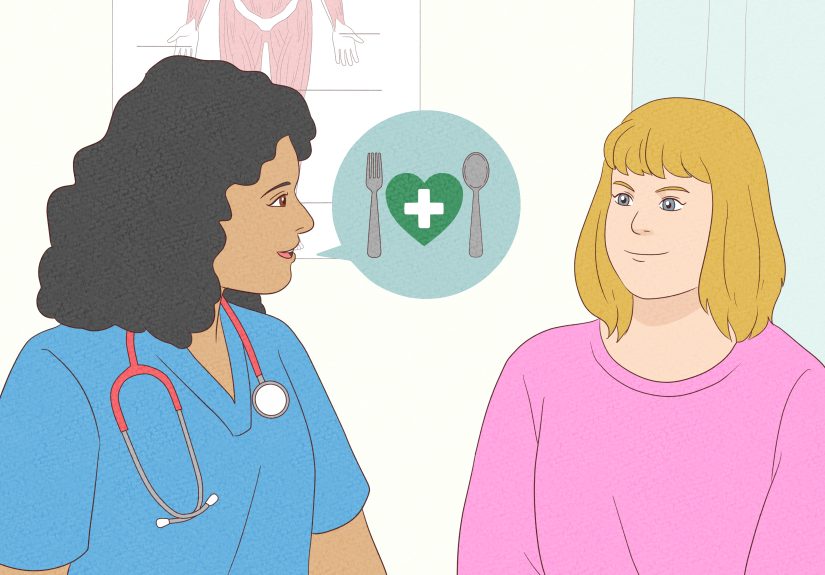
If you’re in any of these categories, the best move is talking to a healthcare professional (doctor or registered dietitian). Fast plans are everywhere. Personalized guidance is rarerand way more useful.
If Your Real Goal Is a “One-Week Reset,” Try This Instead
A lot of people search for the Military Diet because they want quick results before an eventor they feel stuck and want a jumpstart. Totally understandable. But you can aim for feeling better in a week without going full boot camp on your fridge.
Focus on “feel better fast” habits (that don’t punish you)
- Hydrate consistently (especially if you’ve been salty-snacking lately).
- Build balanced meals: include a protein, a fiber-rich carb (like fruit/veg/whole grains), and a healthy fat.
- Prioritize sleep: poor sleep can increase hunger and cravings.
- Move daily: walking, dancing, sportsanything you’ll actually do again tomorrow.
- Cut the “liquid calories” trap: sugary drinks add up fast without making you feel full.
- Don’t skip meals: it often backfires into intense hunger later.
These aren’t flashy. They also don’t come with a dramatic name like “Operation: Pants Fit By Friday.” But they’re the kind of habits that actually help your body over timeand don’t require you to memorize a rigid menu.
So… Can You Really Lose 10 Pounds in a Week?
You might see a big drop on the scale in a weekespecially if you start from a higher weight or you’re coming off a high-sodium, high-carb, high-processed-food stretch. But most of that quick change is usually water weight and short-term fluctuations, not ten pounds of fat.
The bigger question is what happens in week two. And week three. A plan that sets you up for rebound eating isn’t a winit’s a loop. The best “diet” isn’t the strictest one. It’s the one you can live with, feel good on, and repeat without hating your life.
Real-World Experiences: What It Feels Like to Try the Military Diet (Extra )
Let’s get practical. Beyond the internet promises and perfectly cropped “before-and-after” photos, what do people actually experience when they try the Military Diet?
First, the structure can feel comforting. Many people say, “I liked not having to think about what to eat.” Decision fatigue is realespecially if you’re busy, stressed, or already frustrated with your habits. A strict plan can feel like a reset button: you follow the rules, you stay “on track,” you get a quick hit of motivation when the scale dips.
Then reality taps you on the shoulder around day two or three. The most common reports are hunger and low energy. People describe feeling “fine” in the morning and then suddenly becoming a cartoon character floating toward the smell of food by mid-afternoon. Some say they get headaches or feel foggy at school or work. Others notice they’re more irritablesmall annoyances become big annoyances, and everyone in the house starts “chewing too loudly.”
Social situations get awkward, too. The Military Diet is rigid, which means it can turn normal life into a logistics problem. Someone offers you a snack? You decline. Friends want to grab food? You start calculating whether a restaurant can replicate your plan. A family dinner happens? You’re either eating something totally different or trying to portion-control your way through a meal while pretending you’re not thinking about seconds. That’s a lot of mental energy spent on foodironically, while eating very little of it.
The end of the three strict days often brings the emotional twist: the scale is down… but you feel tired of restriction. Many people report a strong urge to “make up for it” on day four. Sometimes that looks like normal eating. Sometimes it looks like overeating. And sometimes it looks like swinging between “I’m being good” and “I blew it,” which is a miserable way to relate to food.
Here are a few composite examples (based on common patterns clinicians and dietitians describe) that may feel familiar:
- “The weekend win”: Someone follows the strict phase Monday–Wednesday, feels proud, then goes out Friday and eats normally. By Sunday, they feel bloated and assume the diet “stopped working,” when it’s really just normal fluctuation and water returning.
- “The workout crash”: A person tries to keep their usual intense workouts but feels shaky or exhausted on the strict days, then blames themselves for not having enough willpowerwhen the issue is simply not enough fuel.
- “The repeat cycle”: After seeing fast results once, they repeat the plan again and again. Each week feels harder, cravings grow stronger, and the relationship with food gets more stressfulnot healthier.
The takeaway from these experiences isn’t “people shouldn’t want change.” It’s that short-term restriction often creates short-term results. If you want a change you can keep, most people do better with a plan that’s less dramatic and more consistentone that you can follow on a random Tuesday, not just in “emergency mode.”