Table of Contents >> Show >> Hide
- What Is “The Addict’s Diary”?
- Why These Before & After Transformations Hit So Hard
- The 30 Stories: Common Threads Behind the Transformations
- Why Stigma Makes Recovery Harder
- What These Stories Teach Families and Friends
- What These Stories Teach People in Early Recovery
- The Role of Health, Home, Purpose, and Community
- Why The Addict’s Diary Resonates Online
- Experience-Based Reflections: What These Transformations Feel Like From the Inside
- Conclusion: The Real Power Behind the Before & After
Before-and-after photos are usually the internet’s favorite way to celebrate new haircuts, kitchen remodels, gym progress, and dogs who finally discovered the miracle of shampoo. But “The Addict’s Diary” uses the format for something much heavier, deeper, and far more human: recovery from drug addiction.
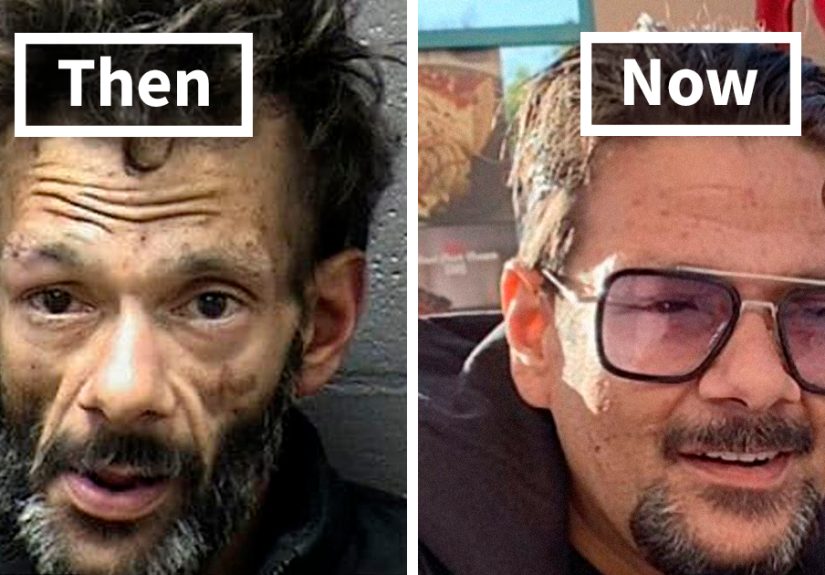
The project, widely shared through social media and online features, highlights people who have stepped away from substance use and rebuilt their lives. The images can be startling at first glance: tired eyes become clear, faces regain warmth, posture changes, smiles return, and the person in the “after” photo often looks like someone who has finally been handed the lights back in their own house. Yet the real story is not simply about appearance. It is about health, family, safety, housing, purpose, community, and the long, uneven work of becoming whole again.
That is why the 30 stories associated with The Addict’s Diary matter. They are not magic-mirror makeovers. They are reminders that addiction is a treatable health condition, that recovery can take many paths, and that one photo never tells the whole story. It may catch a milestone, but behind that milestone are hard mornings, honest conversations, professional care, support groups, relapses survived, relationships repaired, and tiny daily choices that rarely get applause.
What Is “The Addict’s Diary”?
The Addict’s Diary is a recovery-centered online community where people share their personal experiences with addiction and sobriety, often through side-by-side photos. These posts usually show someone during active substance use next to an image taken months or years into recovery. The result is visually powerful, but the mission goes beyond shock value. The project gives people a place to say: “This happened to me, but it did not get the final word.”
The page was associated with Kevin Alter, whose own recovery story helped inspire a platform for others to share their failures, victories, setbacks, lessons, and second chances. Instead of presenting recovery as a polished commercial with inspirational piano music and suspiciously perfect lighting, The Addict’s Diary feels more raw. It is people speaking in their own voices, often with the kind of honesty that makes a reader sit a little straighter.
The phrase “before and after” can sound simple, but in this context, it carries emotional weight. The “before” may include homelessness, legal trouble, strained family ties, lost jobs, health scares, or isolation. The “after” may include years of sobriety, restored relationships, parenting, employment, education, faith, therapy, service work, or just the quiet miracle of waking up without chaos at the foot of the bed.
Why These Before & After Transformations Hit So Hard
The internet loves visible proof. We scroll quickly, make snap judgments, and often need a visual reason to pause. Recovery photos do exactly that. They turn an abstract public health issue into a human face. Suddenly, addiction is not a statistic, a headline, or a stereotype. It is a person with freckles, tired eyes, a lopsided grin, a child waiting at home, or a future that almost disappeared.
Many people misunderstand substance use disorder as a lack of willpower. In reality, major medical organizations describe addiction as a treatable condition that affects the brain, behavior, motivation, and decision-making. That does not remove personal responsibility, but it does change the conversation. It shifts the focus from “Why didn’t they just stop?” to “What support, treatment, safety, and community helped them recover?”
That shift matters. Shame can keep people silent. Silence can keep people sick. Stories, when shared responsibly, can crack open the door.
The Photos Show More Than Physical Change
In many Addict’s Diary transformations, the physical difference is obvious: healthier skin, brighter eyes, steadier expressions, and the return of basic self-care. But the deeper transformation is often invisible. It may be the first stable apartment after years of instability. It may be a restored relationship with a parent. It may be the first paycheck earned without panic. It may be learning how to attend a birthday party without needing an escape plan.
The best recovery stories are not “I became perfect.” They are “I became present.” Present for children. Present for work. Present for grief. Present for joy. Present for boring Tuesday afternoons, which, frankly, are underrated miracles.
The 30 Stories: Common Threads Behind the Transformations
Although every recovery story is personal, the 30 transformations connected with The Addict’s Diary often share several themes. These themes are important because they help readers see recovery not as a single dramatic moment, but as a long process made of practical support and emotional rebuilding.
1. A Breaking Point Becomes a Turning Point
Many stories begin with a moment when life became impossible to ignore. For some, it was losing housing. For others, it was being separated from children, facing legal consequences, damaging family trust, or realizing that the person in the mirror felt unrecognizable. These moments are painful, but in the stories, they often become the first honest page of a new chapter.
Still, it is important not to romanticize rock bottom. People do not need to lose everything before they deserve help. Recovery can begin before disaster. In fact, earlier support often means fewer harms, fewer emergencies, and more options.
2. Treatment Is Not One-Size-Fits-All
One of the most useful lessons from recovery stories is that there is no single approved script. Some people benefit from residential treatment. Others use outpatient care, counseling, medication, peer support, faith communities, recovery housing, or a combination of several supports. Many people also need care for anxiety, depression, trauma, chronic pain, or other health concerns that can overlap with substance use.
Professional treatment may include behavioral therapy, medication for certain substance use disorders, recovery coaching, case management, or support for housing and employment. The practical point is simple: recovery is not just “stop doing the thing.” It is learning how to live differently when stress, boredom, grief, celebration, loneliness, or old environments come knocking like they still pay rent.
3. Community Helps People Stay Alive and Keep Going
Many of the most moving transformations mention family, friends, sponsors, counselors, peer groups, or recovery communities. Social support is not decoration; it is infrastructure. People are more likely to keep moving forward when they have others who know their name, notice when they disappear, celebrate progress, and remind them that one bad day is not a ruined life.
Community also helps replace the routines and relationships connected to substance use. That can mean mutual-help meetings, sober living communities, volunteer work, sports, art, church, therapy groups, online recovery spaces, or simply a few trustworthy people who answer the phone.
4. Recovery Rebuilds Identity
One repeated message in these stories is identity change. People stop seeing themselves only through the lens of addiction and begin seeing themselves as parents, workers, students, artists, partners, neighbors, helpers, and mentors. That identity shift is huge. It is the difference between “I am my worst mistake” and “I am a person with a future.”
This is where The Addict’s Diary becomes especially powerful. The “after” image is not just a cleaner face or healthier body. It is a person publicly claiming a new identity. That takes courage. The internet is not exactly known for being gentle; it is more like a raccoon with Wi-Fi. Sharing a recovery photo online means accepting vulnerability in the hope that someone else may feel less alone.
Why Stigma Makes Recovery Harder
Stigma is one of the biggest barriers to recovery. When people are treated as hopeless, dangerous, weak, or morally broken, they are less likely to seek help and more likely to hide. Stigma can show up in language, hiring decisions, housing access, medical care, family conversations, and even casual jokes.
That is why person-first language matters. Saying “a person with substance use disorder” is more respectful than reducing someone to a label. It may sound like a tiny wording change, but words shape whether people feel safe enough to ask for help. Recovery stories work best when they inspire compassion rather than voyeurism.
There is a responsible way to view before-and-after photos: focus on dignity, not spectacle. Do not turn someone’s hardest season into entertainment. The point is not “Look how bad they looked.” The point is “Look what support, treatment, resilience, and time can make possible.”
What These Stories Teach Families and Friends
For loved ones, The Addict’s Diary can be both hopeful and heartbreaking. It shows that change is possible, but it also hints at the pain families may carry: worry, anger, confusion, exhaustion, and the strange grief of missing someone who is still alive but not fully reachable.
Support does not mean ignoring harm or having no boundaries. Healthy support may include encouraging treatment, avoiding judgmental language, learning about addiction, keeping safety plans, protecting children, and seeking help for yourself. Family members often need their own support, too. Loving someone in active addiction can feel like trying to hold water in your hands while someone keeps turning on the faucet.
The stories also remind families that recovery is not always linear. Setbacks can happen. A setback does not erase every sober day, every lesson learned, or every relationship repaired. It usually means the plan needs adjustment, more support, or a different level of care.
What These Stories Teach People in Early Recovery
For someone in early recovery, before-and-after stories can be encouraging, but they can also be intimidating. Seeing someone celebrate five years sober may feel inspiring on a good day and impossible on a hard one. The healthiest way to read these stories is not as a comparison chart. Recovery is not a beauty contest, a timeline race, or a scoreboard.
The person with five years once had five days. The person smiling in the “after” photo probably had mornings when brushing their teeth felt like a major victory. The person with the new job likely had awkward interviews, paperwork, cravings, apologies, and uncomfortable conversations. The clean, bright photo is real, but it is not the whole documentary.
Small Wins Count
Recovery is built from small wins: attending an appointment, calling someone before things spiral, eating a real meal, sleeping, going for a walk, telling the truth, avoiding an old contact, making it through payday, showing up for a child, or asking for help before pride grabs the steering wheel.
These small wins may not go viral, but they are the beams holding up the house.
The Role of Health, Home, Purpose, and Community
Public health experts often describe recovery as more than symptom reduction. It includes building a life that supports long-term wellness. Four areas matter again and again: health, home, purpose, and community.
Health includes medical care, mental health treatment, sleep, nutrition, movement, and managing stress. Home means safe, stable housing and a living environment that supports recovery. Purpose includes work, school, parenting, creativity, volunteering, or meaningful goals. Community means connection with people who support the person’s well-being.
When you look at the 30 transformations through that lens, the photos become even more meaningful. The brighter face is not only about abstinence. It may reflect dental care, therapy, better sleep, a safe room, a job interview, a child’s hug, or the first peaceful holiday in years.
Why The Addict’s Diary Resonates Online
The Addict’s Diary succeeds because it combines visual storytelling with emotional truth. It gives readers a quick reason to stop scrolling and a deeper reason to keep thinking. In a digital world full of filters, humblebrags, and people pretending their breakfast smoothie changed civilization, these recovery stories feel refreshingly real.
They also challenge the lazy myth that people with addiction are beyond help. The “after” photos say otherwise. They show people working in healthcare, parenting again, reconnecting with loved ones, celebrating sober anniversaries, mentoring others, and building ordinary lives that feel extraordinary because they were once nearly out of reach.
Ordinary life is the hero of these stories. Paying rent. Cooking dinner. Going to work. Laughing without needing to escape. Remembering what happened yesterday. Having people trust you with keys, children, pets, feelings, and group-chat secrets. That is not boring. That is recovery doing push-ups in the background.
Experience-Based Reflections: What These Transformations Feel Like From the Inside
When people talk about recovery from the outside, they often focus on the dramatic parts: the last day of use, the first treatment appointment, the anniversary post, the before-and-after photo. But many people who have lived through major change describe the experience as quieter and stranger than outsiders expect. It is not one giant movie scene. It is more like slowly cleaning a room that has been dark for years, finding things you forgot you owned, and occasionally stepping on a Lego of regret.
One common experience is the return of feelings. During active addiction, many people use substances to numb pain, fear, shame, trauma, or loneliness. In recovery, emotions can come back loudly. Joy returns, but so does sadness. Gratitude returns, but so does embarrassment. Hope returns, but so does the memory of people hurt along the way. This emotional “volume adjustment” can be overwhelming, which is why therapy, peer support, and healthy routines are so important.
Another experience is learning how to handle normal life. That may sound odd, but normal life can feel unfamiliar after chaos. Paying bills, answering messages, keeping appointments, grocery shopping, cooking, and being bored without panicking are skills. People in recovery often have to practice the basics again. There is dignity in that practice. Nobody mocks a person for relearning to walk after an injury; recovery deserves the same patience.
Relationships can also feel complicated. Some loved ones forgive quickly. Others need time. Some never fully return. Recovery requires accepting that trust is rebuilt through patterns, not speeches. A heartfelt apology matters, but showing up consistently matters more. Over time, the “after” photo becomes less about how someone looks and more about how they live when nobody is taking pictures.
Many people also describe a new relationship with time. In active addiction, time may shrink into survival: the next use, the next crisis, the next apology, the next escape. In recovery, time expands. Suddenly there are mornings, plans, seasons, goals, and birthdays remembered instead of missed. At first, that open space can feel scary. Eventually, it can feel like freedom.
There is also the experience of becoming useful again. Many recovery stories include service: helping newcomers, speaking honestly, volunteering, parenting, working, studying, or simply being the friend who answers a late-night call. Usefulness is powerful because it fights shame. It says, “I am not only someone who caused pain. I am someone who can bring care, humor, skill, and steadiness into the world.”
Finally, these transformations show that recovery is not about becoming a flawless inspirational poster. People in recovery still have bad moods, awkward hair days, unpaid parking tickets, family stress, and moments when life feels like a badly organized junk drawer. The difference is that they learn to face life without returning to the thing that was destroying them. That is heroic, even when it looks ordinary.
Conclusion: The Real Power Behind the Before & After
“The Addict’s Diary” is powerful because it refuses to let addiction be the final portrait. The 30 stories of people who quit drugs are not just about physical transformation. They are about survival, treatment, support, accountability, identity, and the stubborn human ability to grow toward light even after years in darkness.
These stories should be read with compassion. They are not invitations to judge the “before” photo or worship the “after” photo. They are reminders that people are more than their worst season. Recovery is possible, help matters, and dignity should never be treated as something a person has to earn back. Sometimes the bravest sentence in the world is simply: “I am still here, and I am changing.”