Table of Contents >> Show >> Hide
- Why This Story Hits a Nerve
- The Birthday Party Was Never Just a Birthday Party
- Where The Real Breakdown Likely Happened
- Why Teens Sometimes Target A Stepparent
- So Was Dad’s Birthday Really The Last Straw?
- What A Healthier Response Looks Like
- The Hard Truth About Stepfamily Love
- The Bigger Lesson
- More Real-Life Experiences That Echo This Story
Note: HTML body only, English content only, with SEO JSON placed at the end for easy publishing.
Some family stories unfold like a Hallmark movie. Others unfold like a birthday candle catching the paper napkins on fire while everybody insists, “No, no, it’s fine.” This one belongs in the second category.
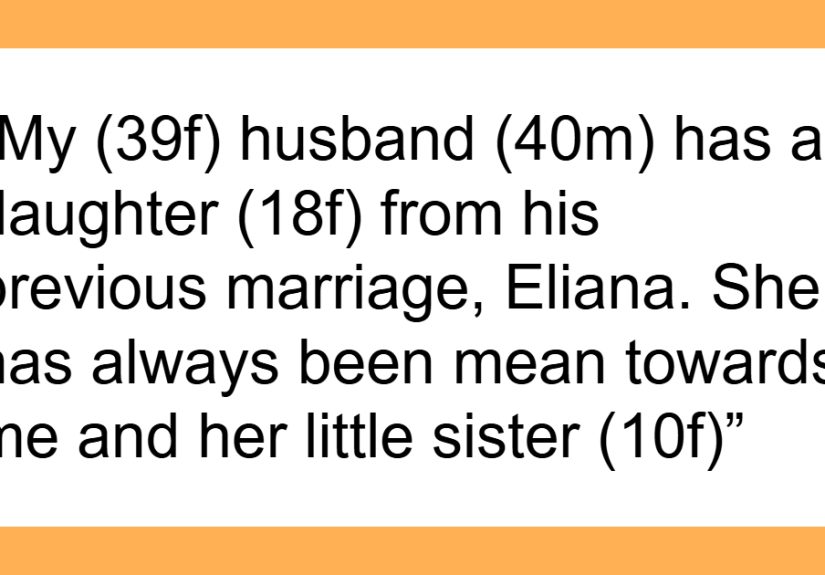
A teen who has reportedly treated her stepmom with open hostility for years finally pushed the household to a breaking point during her father’s recent birthday celebration. What should have been a simple family moment turned into a full-blown emotional detonation: hurt feelings, accusations, resentment, and one exhausted stepmom wondering whether love, patience, and trying harder had finally run out of road.
And honestly, that is what makes this story so relatable. It is not just about one birthday party. It is about the slow build of unresolved tension in a blended family, the kind that simmers quietly until somebody is late, somebody is rude, somebody feels left out, and suddenly a store-bought cake becomes the stage for a years-long emotional trial.
What happened here also taps into a larger truth about stepfamily life: the fight is almost never just about the event in front of you. It is about grief that never got named, loyalty that got twisted into hostility, and adults who may have been trying their best but still left key emotional work unfinished. In other words, the birthday party was not the bomb. It was the match.
Why This Story Hits a Nerve
The headline itself tells you almost everything: a teen has “always” treated her stepmom with hostility, and Dad’s birthday became “the last straw.” That wording matters. “Always” suggests a long-running pattern, not one bad week. “Last straw” suggests the adults have already endured a mountain of smaller moments before this one: eye rolls, cold shoulders, public disrespect, broken rules, strategic silence, and that classic teen weapon of mass destruction known as pretending not to hear you even though you are standing three feet away.
When a blended family reaches this point, outsiders often want to pick a villain in five seconds flat. The teen is spoiled. The stepmom is too sensitive. The dad is clueless. The internet, naturally, puts on its referee shirt and starts blowing whistles. Real life is messier.
Teens in blended families are often carrying emotions they do not know how to organize. A new household structure can stir up fear, sadness, resentment, loyalty conflicts, and a nagging sense that if they are warm to a stepparent, they are somehow betraying a biological parent. That does not excuse cruelty. But it does explain why stepmom often becomes the emotional dartboard. She is not always the cause of the pain. Sometimes she is simply the nearest safe target.
The Birthday Party Was Never Just a Birthday Party
Special occasions in blended families are emotional magnifiers. Birthdays, holidays, graduations, and school events have a sneaky way of bringing every unresolved family dynamic to the surface. Why? Because milestone days are loaded with symbolism. Who was invited? Who was included in the planning? Who arrived late? Who got thanked? Who got blamed? Who mattered most?
So when this teen reportedly refused to cooperate, disrupted the celebration, or later framed the event as proof she was being excluded, the problem was not just poor manners. It was likely a collision of old wounds and present-day power struggles. These moments can feel huge to teens because they are rarely reacting only to the cake, the decorations, or the schedule. They are reacting to what the event means to them.
To the father, the birthday party may have meant love and appreciation. To the stepmom, it may have meant “I am trying, again, to hold this family together with tape and determination.” To the teen, it may have meant “Here we go again, another reminder that this is not the family I asked for.” Same party. Completely different emotional weather systems.
Where The Real Breakdown Likely Happened
1. Dad may have let the conflict drag on too long
In many stepfamily conflicts, the biological parent becomes the accidental weak link. Not because they do not care, but because they are terrified of losing the child’s affection. So they minimize the disrespect, delay consequences, or quietly hope everybody will “work it out.” Spoiler alert: unresolved hostility rarely melts away on its own. It usually grows teeth.
If the teen has spent years treating the stepmom badly, Dad needed to step in early and consistently. Not with a lecture once every six months, and not with a vague “be nice” tossed over his shoulder like confetti. He needed to make it clear that while complicated feelings are welcome, abusive behavior is not. A child is allowed to struggle. A child is not allowed to run the household by emotional intimidation.
2. Stepmom may have become the family’s emotional shock absorber
Stepparents often get handed one of the most difficult jobs in family life: show up with patience, warmth, and stability, but do not act too parental too fast, do not overstep, do not seem needy, do not expect quick affection, and somehow also do not lose your mind when you are treated like the villain in your own kitchen. Easy, right?
It is entirely possible this stepmom tried hard for years and eventually hit emotional burnout. That does not make her heartless. It makes her human. There comes a point where “understanding” starts to feel suspiciously like “absorbing endless disrespect with a smile.” That is not healthy for anyone, including the teen.
3. The household may never have agreed on roles and rules
Blended families do best when expectations are boringly clear. Who disciplines? Who handles chores? What counts as disrespect? What happens after a blowup? What is private, and what gets discussed as a family? Without those answers, every conflict becomes a new courtroom drama, and every family gathering turns into an improvisational stress festival.
When roles are fuzzy, teens often test the edges. They are not conducting a social experiment for fun, even if it sometimes looks like they are auditioning for one. They are asking, in the least efficient way possible, “Who is in charge here, and am I safe?” Inconsistent answers make hostility worse.
Why Teens Sometimes Target A Stepparent
This is the part adults hate because it feels unfair. The stepparent may be the one packing lunches, driving to practice, paying bills, showing up, and generally doing the hard, unglamorous labor of family life. Meanwhile, the less involved parent can still get idealized. That imbalance is painful, but it is common.
Kids and teens do not always reward the parent figure who does the most. They often test the adult who is present and react most strongly where the emotional stakes feel highest. A teen might lash out at a stepmom because the stepmom represents change, rules, responsibility, and the uncomfortable reality that the original family structure is not coming back.
Again, understanding the psychology does not mean approving the behavior. It means recognizing that hostility is sometimes grief in combat boots.
So Was Dad’s Birthday Really The Last Straw?
Probably yes, but not because of one single act. “Last straw” moments are usually accumulation moments. The birthday party likely gave the stepmom and dad something impossible to ignore: a public, visible example of how bad the dynamic had become. It is one thing to tell yourself, “She is just having a phase,” after another icy dinner. It is another to watch family tension hijack a major celebration and realize the entire house has started orbiting one person’s hostility.
That is often when adults finally understand that patience alone is not a plan. If the family has been reorganizing every event around avoiding the teen’s anger, then the teen has effectively become the emotional thermostat for the home. That is not compassionate parenting. That is chaos wearing sensible shoes.
What A Healthier Response Looks Like
If this family wants any chance of repair, the next move cannot be more yelling, more sarcasm, or another dramatic scene in the living room while someone is still holding leftover balloons. The reset has to be deliberate.
Start with a private conversation, not a public showdown
The father should take the lead and talk with the teen one-on-one. Not during an argument. Not in front of siblings. Not with a “your stepmom says…” opener that turns the whole thing into a blame relay. The message should be simple: your feelings are real, but your behavior is damaging people and it has to change.
Name the pattern clearly
Families often dance around the truth because saying it out loud feels harsh. But vague language creates loopholes big enough to drive a resentment truck through. If the teen has been rude, dismissive, or openly hostile, the adults should say that plainly. Specific examples help. So do calm consequences.
Separate feelings from behavior
The teen can feel jealous, angry, sad, or displaced. Those feelings do not make her bad. But weaponizing those feelings against another adult in the home is still not acceptable. This distinction matters because it gives the teen a path forward. She does not have to fake happiness. She does have to stop acting like emotional arson is her hobby.
Bring in a therapist if the pattern is entrenched
When hostility becomes chronic, this stops being a “have you tried talking nicely?” problem. Family therapy or individual therapy can help uncover the deeper emotional logic behind the behavior. Sometimes the issue is loyalty to the other parent. Sometimes it is unresolved grief. Sometimes it is untreated anxiety, depression, irritability, or trauma. Sometimes it is all of the above wearing one very loud trench coat.
The Hard Truth About Stepfamily Love
One of the biggest myths about blended families is that enough effort automatically produces closeness. It would be lovely if that were true. It is not. Love in stepfamilies is often built slowly, awkwardly, and with several emotional potholes along the way. Respect usually has to come before affection. Safety has to come before bonding. And consistency has to come before trust.
That means the goal here should not be forcing some picture-perfect mother-daughter vibe by next Tuesday. The realistic goal is lower conflict, clearer boundaries, and a home where nobody feels like they are bracing for impact every time a family event appears on the calendar.
If the stepmom has reached her breaking point, that does not mean the relationship is doomed. It does mean the family can no longer pretend this is a personality clash that will magically disappear. Something structural has to change. Dad has to lead. The teen has to be held accountable. The stepmom has to stop being asked to survive on emotional breadcrumbs and good intentions.
The Bigger Lesson
This story is compelling because it exposes a truth many families would rather not say out loud: sometimes the most explosive person in the room is not the one with the most power, but everyone else keeps handing them the power anyway. A teen’s pain deserves compassion. A stepmom’s pain does too. A father’s wish to keep the peace is understandable. But peace built on silence, avoidance, and one adult absorbing all the damage is not peace. It is delayed collapse.
Dad’s birthday may have been the last straw, but the real question is what happens after the straw breaks. Does the family double down on blame? Or do they finally do the unglamorous, grown-up work of building rules, boundaries, and repair?
Because no family gets stronger by pretending the candles are the only thing on fire.
More Real-Life Experiences That Echo This Story
Stories like this do not exist in a vacuum. Similar conflicts show up again and again in modern family reporting, especially when birthdays, holidays, and major milestones expose fault lines that were already there. In one widely discussed case, a stepmother described planning a birthday dinner for her 17-year-old stepdaughter, only for the celebration to implode because the teen insisted her biological mother be included despite a long history of hostility between the adults. The teen eventually chose to skip the family dinner, leaving the father devastated and the stepmom emotionally drained. What made that story sting was not just the canceled dinner. It was the painful recognition that the adults doing the day-to-day parenting often feel held to impossible standards, while the less involved parent is given a free pass simply because they are the biological parent.
Another reported family dispute involved a young adult who wanted a small birthday dinner with his original immediate family and did not invite his stepmother. His father refused to attend. On the surface, it looked like a rude snub. Underneath, it revealed a common blended-family struggle: children and young adults often want one-on-one emotional access to a parent without every interaction being automatically expanded to include the new spouse. That does not necessarily mean they hate the stepparent. Sometimes it means they are still protecting a version of family memory that feels safer, simpler, and less complicated. The tragedy is that adults often interpret that longing as rejection instead of information.
There are also stories from the other side, where stepparents finally stop chasing acceptance after years of rejection. In one especially tough account, a woman described how her stepchildren never embraced her and eventually made it clear, as adults, that they did not consider her family. Her decision to stop pushing for closeness upset relatives, but it also reflected a boundary many stepparents eventually reach: you cannot force intimacy with someone who is committed to withholding it. The lesson is uncomfortable but important. Effort matters, patience matters, and empathy matters, but there is a difference between staying open and volunteering to be emotionally flattened for the next decade.
And then there are cases where resentment is really about the biological parent, even when the stepparent takes the heat. One teen who refused to chip in for his father’s gift explained that he felt sidelined after his dad remarried and appeared to invest more energy in the new household. That story landed with readers because it highlighted something many stepparents know all too well: when a child feels abandoned, replaced, or less important, the stepparent may become the symbol of that loss. The anger gets aimed at the visible newcomer, but the deeper wound often belongs to the parent-child bond.
Taken together, these experiences show why the headline about a hostile teen and a birthday party feels so believable. Blended-family conflict is rarely about one rude comment, one late arrival, or one awkward dinner. It is usually about loyalty, identity, grief, fairness, and attention. When families ignore those deeper themes, every celebration becomes a possible battleground. When they address them honestly, even imperfectly, the same events can slowly become less loaded, less theatrical, and a lot less likely to end with somebody crying in the kitchen next to a half-cut cake.