Table of Contents >> Show >> Hide
- What Makes Striped Table Linens from Commune Special?
- Why Stripes Work So Well on a Dining Table
- The Material Matters: Why Linen Is the Star
- How to Style Striped Table Linens from Commune
- Best Uses for Striped Commune Table Linens
- How to Choose the Right Piece: Napkins, Placemats, Runner, or Tablecloth?
- Care Tips for Linen Table Linens
- Buying Advice: What to Look For in Commune-Inspired Striped Linens
- Common Styling Mistakes to Avoid
- Why These Linens Still Feel Relevant
- Experience: Living with Striped Table Linens from Commune
- Conclusion
Some table linens whisper. Others shout, “I own a pepper grinder taller than your toddler.” Striped table linens from Commune live somewhere far more interesting: relaxed, artful, useful, and quietly confident. They bring that rare mix of California design ease, modernist structure, and farmhouse texturethe kind of table setting that looks designed without looking like it needed a production assistant, three interns, and a crisis meeting about napkin folds.
Commune, the Los Angeles-based design studio known for its holistic work across interiors, architecture, graphics, product design, and hospitality spaces, has long been associated with a layered but unfussy aesthetic. Its table linens, especially the striped and ticking-inspired pieces created in collaboration with Heath Ceramics and textile makers such as Matteo, reflect that same point of view. They are not fussy “do not touch” linens. They are made for gathering, eating, spilling a little wine, laughing too loudly, and then washing everything before the next dinner party.
This guide explores why striped Commune table linens remain design-worthy, how to style them, what makes linen such a beloved material, and how to use striped napkins, placemats, runners, and tablecloths without turning your dining table into a circus tent. A stylish circus tent, perhapsbut still.
What Makes Striped Table Linens from Commune Special?
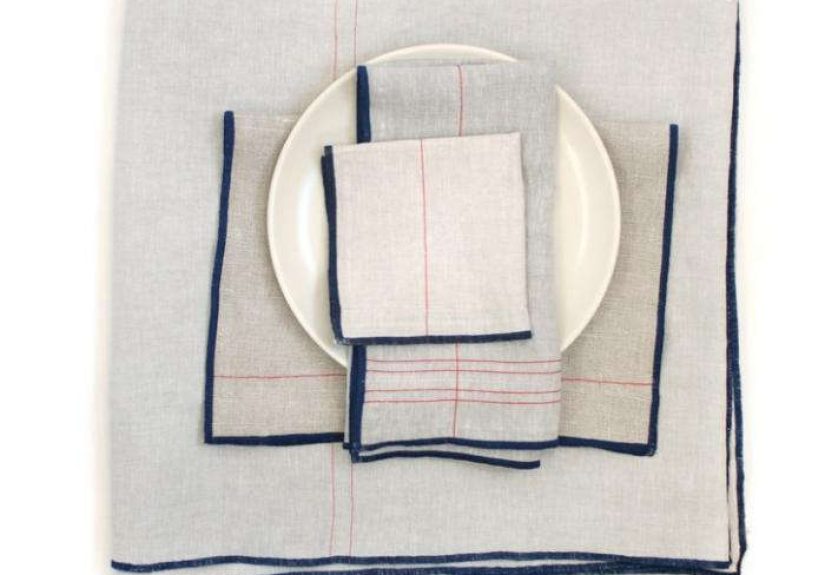
The appeal of striped table linens from Commune begins with restraint. These pieces are not about loud novelty. They are about proportion, texture, color, and craft. The original Commune table linen collections associated with Heath Ceramics featured washed and piece-dyed linen, ticking stripes, Bauhaus-inspired patterns, and contrasting sewn hems. The result was a table textile that felt handmade, modern, and warm at the same time.
That balance matters. A stripe can easily go nautical, country, hotel, picnic, or “birthday party at a very ambitious bakery.” Commune’s approach leans more architectural. The stripes give order. The linen gives softness. The contrasting stitching adds just enough detail to say, “Yes, someone thought about this,” without screaming across the mashed potatoes.
A Commune Design Signature: Modern but Not Cold
Commune’s broader design language often combines California ease, global references, vintage inspiration, natural materials, and a strong respect for craft. Its striped table linens fit neatly into that world. They look appropriate on a rustic wooden table, beside Heath ceramics, under simple glassware, or layered with handmade plates and slightly mismatched chairs.
That is the secret: the linens do not demand a perfect room. They actually make imperfect rooms look better. A natural linen tablecloth with a ticking stripe can soften a modern dining room, warm up a white kitchen, or make a casual breakfast feel like someone finally read the “hosting” chapter of adulthood.
Why Stripes Work So Well on a Dining Table
Stripes are one of the most reliable patterns in home design because they do several jobs at once. They create movement, establish rhythm, and help organize visual space. On a dining table, that is especially useful. Plates, glasses, flatware, serving bowls, flowers, candles, bread baskets, and condiments all compete for attention. A striped linen provides structure underneath the friendly chaos.
Thin ticking stripes feel relaxed and timeless. Wider cabana stripes look bolder and more summery. Tonal stripes create texture without much contrast. Dark stripes on natural linen add depth, while red or navy stripes bring a classic bistro mood. The beauty of Commune-style striped table linens is that they tend to favor quiet sophistication over trend-chasing.
Stripes Add Direction
A striped runner can visually lengthen a table. Striped placemats can define each place setting. Striped napkins can add pattern without covering the entire surface. If you have a small dining area, stripes can make the table feel more intentional. If you have a large table, they can prevent the setting from looking empty or unfinished.
Stripes Play Nicely with Solids
One of the easiest ways to style striped Commune table linens is to pair them with solid dinnerware. Natural ceramic plates, matte white bowls, charcoal serving pieces, amber glassware, and simple stainless flatware all work beautifully. The stripe provides the personality; the solids keep the table from looking like it got dressed in the dark.
The Material Matters: Why Linen Is the Star
Linen is one of the best fabrics for table linens because it has a natural texture, a beautiful drape, and a habit of getting softer with use. Unlike overly shiny synthetic tablecloths, linen does not try to look perfect. It wrinkles, relaxes, and develops character over time. In other words, linen behaves like a charming dinner guest rather than a nervous wedding planner.
Commune’s linen-focused approach makes sense because linen suits the brand’s organic-modern style. It looks equally good pressed crisp or left slightly rumpled. A gently wrinkled linen napkin beside handmade ceramics feels intentional, not lazy. The fabric has enough substance to hold its shape but enough softness to feel inviting.
Linen vs. Cotton vs. Blends
Cotton table linens are practical, washable, and often more affordable. They are excellent for everyday use and family meals. Linen, however, tends to offer a more elevated texture and a more relaxed drape. Cotton-linen blends can be a great middle ground, combining softness, durability, and easier care. Polyester blends may resist wrinkles, but they often lack the natural character that makes Commune-style table settings feel special.
For a design-forward table, linen usually wins. It does not need to be perfect. Actually, it is better when it is not. A little texture makes food look warmer, ceramics look more handmade, and your entire table look like it belongs in a very tasteful home magazine that somehow also allows crumbs.
How to Style Striped Table Linens from Commune
Styling striped table linens is less about strict rules and more about balance. The goal is to let the stripes lead without letting them take over. Think of them as the rhythm section of the table: important, stylish, and best when not performing a drum solo during dessert.
1. Start with a Neutral Base
If your striped tablecloth or runner has natural, gray, navy, charcoal, or red tones, let that palette guide the rest of the table. Use simple plates, clear or lightly tinted glassware, and understated flatware. Wood, stone, clay, and woven textures pair especially well with linen stripes.
2. Mix Stripes with Handmade Ceramics
Commune’s connection with Heath Ceramics makes this pairing feel especially natural. Striped linens and handmade ceramic dinnerware share the same visual language: tactile, honest, and slightly irregular in the best possible way. A navy ticking stripe napkin beside a warm white ceramic plate feels relaxed but polished.
3. Use One Pattern as the Hero
If the tablecloth is striped, keep the napkins solid or tonal. If the napkins are striped, use a plain tablecloth or bare wood table. Pattern mixing can work, but it needs breathing room. Stripes with florals, checks, or block prints can look fantastic when the colors are coordinated. Without coordination, the table may start looking like a fabric sample sale after a small earthquake.
4. Let the Food Add Color
A striped linen table does not need a huge centerpiece. A bowl of citrus, a pile of tomatoes, roasted vegetables on a platter, or fresh herbs in a small glass can provide enough color. This is one reason striped linens are so practical: they make everyday food look more composed.
Best Uses for Striped Commune Table Linens
Striped table linens from Commune are versatile enough for casual breakfasts, weekend lunches, holiday dinners, and design-conscious entertaining. Their strength lies in being special without being precious. You can use them for a dinner party, but they do not look ridiculous under toast and coffee the next morning.
Everyday Dining
For daily meals, striped napkins are the easiest entry point. They add charm without requiring a full table reset. Fold them in thirds, place them beside the plate, and you immediately look like a person who has their life togethereven if dinner is pasta and the sauce came from a jar wearing a very confident label.
Weekend Brunch
A ticking stripe runner over a wood table is ideal for brunch. Add white plates, mugs, fruit, butter, jam, and a loose bunch of flowers. The look is casual, but not careless. It says, “Please enjoy this beautiful table,” not “Please ignore the chair currently holding laundry.”
Modern Dinner Parties
For an evening meal, choose darker striped linensnavy, charcoal, deep red, or natural linen with contrast stitching. Add candles, heavier flatware, low flowers, and ceramic serving bowls. The stripes keep the setting from becoming too formal, while the linen texture gives it depth.
Outdoor Meals
Striped linen is excellent outdoors because it already has a relaxed personality. A few wrinkles or wind-tossed corners do not ruin the look. Pair striped napkins with enamelware, terracotta planters, grilled food, and simple glass tumblers. The result feels intentional, sunlit, and much more elegant than paper napkins fleeing across the yard.
How to Choose the Right Piece: Napkins, Placemats, Runner, or Tablecloth?
Not every table needs a full tablecloth. In fact, many modern tables look best when some of the surface remains visible. The right choice depends on your table, your lifestyle, and your tolerance for laundering large pieces of fabric after someone says, “Oops.”
Striped Napkins
Striped linen napkins are the most flexible option. They are easy to wash, easy to store, and easy to mix with different dishes. Choose them if you want a small design upgrade with maximum usefulness. They are also ideal for renters, small apartments, and anyone who wants table style without committing to a full linen wardrobe.
Striped Placemats
Placemats define individual settings and protect the table. They work well for rectangular, round, and oval tables. Commune-style linen placemats with subtle stripe details are especially good for casual meals because they add order without hiding the tabletop.
Striped Table Runners
A runner is perfect when you want a central design line but still want to show wood, marble, stone, or painted surfaces. It is also easier to maintain than a full tablecloth. A striped runner works beautifully with candles, low bowls, and seasonal greenery.
Striped Tablecloths
A full striped tablecloth makes the strongest statement. It is best for special meals, long tables, holiday gatherings, and rooms that need softness. For a casual look, choose a shorter drop of around eight to ten inches. For a more formal look, use a longer drop, but make sure guests can still sit comfortably without wrestling the cloth like a theatrical curtain.
Care Tips for Linen Table Linens
Good linen does not need complicated care, but it does appreciate common sense. Wash linen in cool or warm water with a mild detergent. Treat stains quickly, especially oil, wine, tomato sauce, and anything involving chocolate. Avoid high heat when drying, because excessive heat can shrink or weaken natural fibers.
Skip fabric softener. Linen softens naturally over time, and softener can coat the fibers, reduce absorbency, and make napkins less useful. If you want a smoother look, remove linen from the dryer while slightly damp and smooth it by hand or press it with an iron. If you prefer the relaxed look, fold it neatly and let the wrinkles be part of the charm.
Storage Matters
Store table linens completely dry in a cool, clean place. Fold them loosely or roll larger tablecloths to reduce hard creases. Keep sets together so you are not searching for the fourth napkin five minutes before guests arrive, which is exactly when the missing napkin decides to become a philosophical problem.
Buying Advice: What to Look For in Commune-Inspired Striped Linens
Because some original Commune table linen pieces may be limited, vintage, discontinued, or tied to older collaborations, shoppers should focus on the design qualities that made them desirable. Look for natural linen, washed texture, subtle stripes, contrast hems, thoughtful color palettes, and quality stitching. A good striped linen should feel substantial but not stiff. It should look refined but not overly formal.
If you are searching for the original Commune pieces, check trusted design retailers, resale platforms, vintage home shops, and Heath Ceramics-related archives or collections. If you simply want the look, choose striped linen tablecloths, napkins, or runners with a similar modern-rustic personality: natural fibers, restrained colors, and clean finishing.
Colors That Work Best
Natural linen with black, charcoal, navy, or red stripes is the most versatile. Navy feels classic and slightly coastal. Red ticking stripes feel warm and bistro-inspired. Charcoal adds modern contrast. Natural-on-natural stripes are subtle and elegant. Bright colors can be beautiful, but Commune’s strength is usually in earthy, balanced tones rather than sugar-rush color schemes.
Common Styling Mistakes to Avoid
The first mistake is using too many patterns at once. Striped linens already provide movement, so let them breathe. The second mistake is overdecorating the table. A large floral centerpiece, patterned plates, colorful glasses, striped napkins, printed menus, and three types of candles may sound festive, but your guests still need somewhere to put the salad.
The third mistake is choosing the wrong size. A tablecloth that is too small looks accidental. One that is too large can bunch in laps or catch on chairs. Measure your table before buying and account for the drop on each side. For everyday use, a shorter drop is easier. For entertaining, a longer drop feels more finished.
Why These Linens Still Feel Relevant
Striped table linens from Commune remain appealing because they are not trend-dependent. They draw from older textile traditions, modernist design principles, and practical dining needs. They are decorative, but they also work. They add pattern, but not clutter. They feel designed, but not stiff.
In an era where many homes are trying to feel warmer, more personal, and less showroom-perfect, striped linen table pieces are a smart choice. They help create a table that says, “Stay for another glass of wine,” or, at breakfast, “Yes, toast crumbs can coexist with beauty.”
Experience: Living with Striped Table Linens from Commune
The best way to understand striped table linens from Commune is not to admire them folded in a drawer. It is to use them. A striped linen napkin changes the mood of a meal faster than almost any other small household object. Put one beside a plain white plate, and suddenly a Tuesday dinner feels less like a refueling stop and more like a tiny restaurant with no reservation policy and suspiciously generous portions.
In practical use, the most enjoyable thing about Commune-style striped linens is their flexibility. They do not require a matching dining room, designer chairs, or a centerpiece arranged by someone named Olivier. A natural striped runner on a simple wooden table can carry breakfast, lunch, dinner, and late-night snacks with equal confidence. In the morning, it looks good with coffee mugs and toast. At lunch, it works with salad bowls and sparkling water. At dinner, add candles and ceramic plates, and it becomes quietly elegant.
Striped napkins are especially satisfying because they make guests feel considered without making the host feel trapped in a performance. They can be folded simply, tucked under forks, tied loosely with cotton string, or placed casually on top of plates. The stripe does the decorative work, so there is no need for elaborate napkin origami. Nobody needs a swan-shaped napkin guarding the soup.
Another real-world advantage is forgiveness. Linen naturally wrinkles, and stripes help disguise small creases, light folds, and the general evidence of human life. After washing, the fabric softens. After repeated use, it feels less like a product and more like part of the home. That is exactly the point of good table linen: it should improve with use, not terrify everyone into eating over the sink.
For family meals, striped placemats can help organize the table and make cleanup easier. For small apartments, a set of four striped napkins may be enough to create the entire look without needing storage space for multiple tablecloths. For holiday dinners, a striped tablecloth gives the table structure before a single plate is added. It is the visual foundationthe dining room equivalent of a good pair of jeans.
The emotional experience matters too. A thoughtfully set table changes how people behave. They sit a little longer. They notice the food. They pass dishes instead of hovering near the counter. Striped linens do not magically make anyone better at conversation, but they do create a setting that invites connection. And if the conversation fails, at least the table looks fantastic.
The best advice is simple: do not save beautiful linens only for guests. Use them for ordinary meals. Let them collect memories, not dust. Commune’s design spirit is about lived-in beauty, and striped table linens capture that perfectly. They are handsome, useful, and relaxedthe rare household item that can handle both roast chicken and cereal night without an identity crisis.
Conclusion
Striped table linens from Commune represent everything good table design should be: useful, tactile, adaptable, and quietly memorable. Their linen texture, stripe patterns, contrast details, and modern-rustic attitude make them ideal for everyday meals and special gatherings alike. Whether you choose napkins, placemats, runners, or a full tablecloth, the key is balance. Pair stripes with solid ceramics, natural textures, simple glassware, and food that brings color to the table.
The lasting appeal of Commune-style striped linens is that they do not chase perfection. They celebrate the beauty of use. They invite people to sit down, eat well, talk longer, and maybe spill a little. That is not a flaw. That is dinner.
Note: This article is written as publish-ready editorial content based on publicly available product history, design context, and table-linen care and styling best practices. Product availability, pricing, and specific collections should be verified before commercial listing.