Table of Contents >> Show >> Hide
- Method Note: Real-World Sources, No Fluff
- What People Mean by “Stockholm 2017 Coffee Table”
- Why the Stockholm Line Still Has Design Gravity
- Design Analysis: Why It Looks More Expensive Than It Is
- Sizing Rules That Make the Table Work in Real Homes
- Best Room Types for a Stockholm 2017 Coffee Table
- How to Style It Without Looking Over-Staged
- Material and Care: Keep Veneer Looking Sharp
- Buying Guide: New vs. Pre-Owned in 2026
- Mistakes to Avoid
- Who This Table Is Perfect For (and Who Should Skip It)
- Final Verdict
- 500-Word Experience Section: Living with the Stockholm 2017 Coffee Table
Some furniture trends behave like fireworks: bright, loud, and gone before your tea gets cold.
The Stockholm 2017 coffee table is the opposite. It’s the design equivalent of that friend
who wears one good jacket for ten years and somehow keeps looking cooler every season.
Minimal? Yes. Warm? Absolutely. Boring? Not even a little.
This in-depth guide breaks down why the Stockholm 2017 coffee table still matters, how it fits into today’s
living rooms, how to style it without making your home look like a staged showroom, and how to care for it so it
ages gracefully (like your favorite leather boots, but flatter and less creaky).
You’ll also get practical sizing formulas, buyer tips, and a 500-word experience section at the end for
real-world context.
Method Note: Real-World Sources, No Fluff
This article synthesizes insights from reputable U.S. design, home, and consumer publications, plus official IKEA
materials and catalog documentation. Key editorial perspectives include IKEA U.S., Apartment Therapy,
Better Homes & Gardens, House Beautiful, Real Simple, The Spruce, HGTV, Good Housekeeping,
Architectural Digest, Bob Vila, This Old House, and Consumer Reports.
What People Mean by “Stockholm 2017 Coffee Table”
Let’s clear up a common confusion first: when people search for “Stockholm 2017 coffee table,” they often mean
one of two related pieces in the broader STOCKHOLM family.
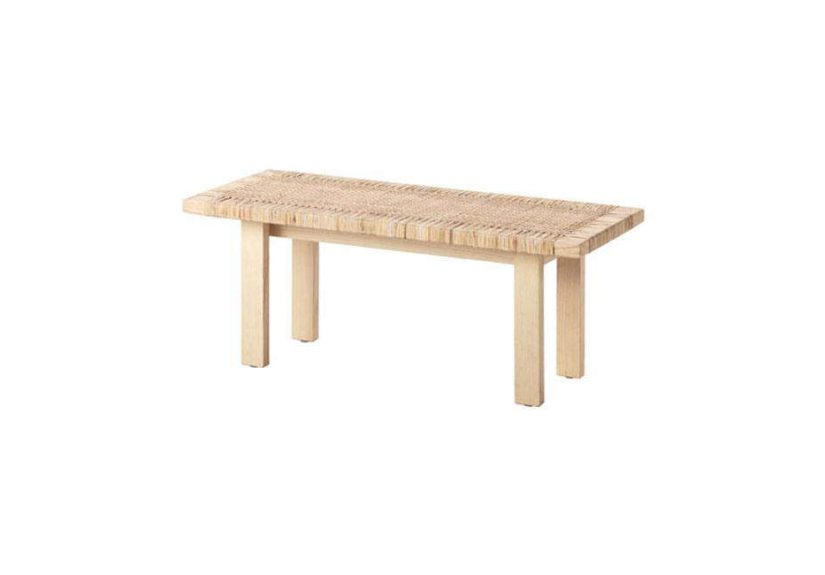
1) The STOCKHOLM 2017 Ash-Veneer Coffee Table (Slim Profile)
This is the long, narrow table released in the 2017 edition, often described as ideal for deep sofas and compact
circulation zones. It became popular because its silhouette is practical in small to medium living rooms where
bulky square tables can block movement.
2) The STOCKHOLM Walnut-Veneer Oval Coffee Table (Widely Listed Today)
This is the iconic elongated oval version many shoppers now encounter in IKEA listings, with a warm walnut veneer
top, a visual-lightness profile, and a lower shelf for remotes, books, and the mystery charger cable everyone
pretends not to own.
Bottom line: both tables sit in the same Scandinavian design DNAclean lines, natural-leaning materials,
easy integration, and understated personality.
Why the Stockholm Line Still Has Design Gravity
The STOCKHOLM collection has long been IKEA’s “everyday luxury” lanemore refined than basic utility lines,
but still intended for real homes, not museum ropes and white gloves.
The collection’s roots trace back to 1985, and later editions continue the same intent: accessible,
material-led Scandinavian design.
That long lineage matters for buyers. You are not buying a random trend table with a dramatic name and a short
shelf life. You are buying into a system that has repeatedly balanced form, function, affordability, and
durability across decades.
Design Analysis: Why It Looks More Expensive Than It Is
Long, Lean Proportions
The Stockholm 2017 coffee table’s narrow footprint solves a common living-room pain point:
“I want a statement piece, but I also want knees and shins to survive.”
Long-and-slim tables give multiple seats easy reach without making the center of the room feel clogged.
Natural Wood Character Without Rustic Bulk
Veneer gets misunderstood. Good veneer is not “fake wood”; it is a design and engineering choice.
It allows elegant grain expression with stable construction and controlled weight.
In the Stockholm style, the finish highlights grain warmth without shouting.
Curves That Soften Modern Rooms
The oval language works especially well in rooms dominated by rectangles:
sectional sofa, media unit, rug, wall art, repeat.
One curved form can visually “un-stiffen” the whole layout.
Built-In Practicality
A lower shelf sounds simple, but it’s the difference between “styled” and “lived-in and still tidy.”
It is where magazines, controllers, and game-night accessories disappear in five seconds when guests text:
“Parking now.”
Sizing Rules That Make the Table Work in Real Homes
Even a beautiful coffee table fails if proportions are wrong. Use these practical guidelines:
- Length: Aim for about two-thirds the length of your sofa.
- Height: Keep coffee table height close to sofa seat height (often around 14–20 inches overall).
- Distance from sofa: Usually around 14–18 inches is comfortable; many designers land near 16–17 inches.
- Traffic path: Preserve clear walkways around the table so movement feels natural.
If your room is narrow, the Stockholm 2017 slim geometry is an advantage. If your room is large and your sofa is
deep, the longer walnut oval version can better anchor the seating area.
Best Room Types for a Stockholm 2017 Coffee Table
Apartment Living Rooms
Slim depth means less collision with foot traffic. Translation: your guests can sit down without practicing
furniture parkour.
Open-Plan Spaces
Because the table reads clean and horizontal, it defines a conversation zone without visually “boxing in” the
entire room.
Family Rooms
The shelf helps with quick resets. Toss the clutter down low, keep the top breathable, and pretend your house is
always this organized.
How to Style It Without Looking Over-Staged
Use the Rule of Three
Group objects in odd-numbered clusters (often three) with varied height and texture:
for example, a low tray, a medium stack of books, and a taller vase.
This creates intentional asymmetry that feels relaxed, not rigid.
Build Around One Functional Anchor
Start with a tray. It organizes remotes, coasters, and candles so your styling is practical first, decorative second.
Function is what keeps a setup alive after week one.
Add One Living Element
Fresh stems, branches, or a small plant bring movement and soften hard surfaces.
If you forget watering schedules, dried stems are your loyal allies.
Rotate Seasonally, Not Weekly
Swap one or two accents by seasontextural objects in fall/winter, lighter ceramics and greenery in spring/summer.
You get freshness without constant rework.
Leave Negative Space
Not every inch needs an object. Empty space is not “unfinished”; it is visual breathing room.
Material and Care: Keep Veneer Looking Sharp
Veneer care is straightforward when you avoid two enemies: excessive moisture and aggressive cleaning habits.
Think gentle, consistent maintenancenot dramatic rescue missions.
Routine Care Checklist
- Dust with a soft microfiber cloth regularly.
- Use a lightly damp cloth for grime; never soak the surface.
- Dry immediately after wiping.
- Use coasters for drinks and felt pads for heavy décor.
- Avoid prolonged direct sunlight to reduce uneven fading.
If You Get Light Scratches
Address them early. Minor finish touch-up methods can reduce visibility before damage deepens.
For deeper damage, targeted refinishing steps are better than random “internet hacks” that create bigger problems.
Buying Guide: New vs. Pre-Owned in 2026
When Buying New
- Confirm exact dimensions and table shape before checkout.
- Check whether shelf design and finish match your room’s palette.
- Measure access points (doorways, stairs, elevators) before delivery day drama.
When Buying Pre-Owned
- Inspect veneer edges for lifting or bubbling.
- Check leg stability and hardware tightness.
- Ask for close-up photos in daylight, not “romantic lamplight blur.”
- Confirm product reference if seller claims “Stockholm 2017” specifically.
Quick Quality Test
Place gentle pressure diagonally across the tabletop corners.
A good unit should feel stable with minimal wobble.
If it rocks, hardware or frame alignment may need attention.
Mistakes to Avoid
- Choosing by photo only and ignoring dimensions.
- Overcrowding the top with decor that blocks daily use.
- Using harsh chemicals that dull the finish.
- Forgetting circulation space in front of seating.
- Ignoring sunlight exposure on one side of the table.
Who This Table Is Perfect For (and Who Should Skip It)
Perfect For
- Fans of warm Scandinavian-modern interiors.
- People who want one statement piece that still feels quiet.
- Homes that need a practical table with cleaner visual lines.
- Shoppers who value design longevity over trend cycling.
Skip It If
- You need hidden storage with lift-top functionality.
- You prefer chunky rustic or heavily ornate styles.
- Your room needs a very compact round table for tight corner turning.
Final Verdict
The Stockholm 2017 coffee table remains relevant because it solves a difficult design equation:
it is elegant without being precious, practical without looking utilitarian, and distinctive without demanding
your whole room revolve around it.
In a market flooded with short-lived “lookalike luxury,” this table’s strength is restraint.
It doesn’t beg for attention. It quietly earns it.
If your goal is a living room that looks composed on Saturday night and still functions on Monday morning,
this is exactly the kind of piece that pulls that off.
500-Word Experience Section: Living with the Stockholm 2017 Coffee Table
Across different homes, the Stockholm 2017 coffee table tends to follow a predictable arc:
first, people buy it for looks; then they keep it for behavior. That sounds dramatic for a table, but hear me out.
In a small city apartment, the long, narrow format changes movement immediately. Before the table, people side-step
around furniture like they’re avoiding puddles after rain. After the table, circulation becomes intuitive.
Guests can pass by the sofa without awkward hip-checks, and the room feels bigger without actually being bigger.
In one family living room setup, the table became what everyone calls “the reset surface.”
Morning: coffee mugs and a laptop. Afternoon: homework papers and colored pencils.
Evening: tea tray and a board game. The lower shelf quietly does the heavy lifting.
Things disappear there in seconds when the doorbell rings. It is not invisible storage, but it is forgiving storage,
and that matters more in real life than Pinterest-perfect minimalism.
Another common experience is that the wood tone helps bridge style differences between partners.
One person wants clean modern lines; the other wants warmth and texture.
The Stockholm profile sits in that middle lane. Add linen upholstery and ceramics, and it leans soft.
Pair it with black metal accents and structured lighting, and it leans modern.
Same table, different personality, no domestic negotiation summit required.
People also report that styling becomes easier over time, not harder.
At first, they over-decorate (we all do this), then gradually remove items until the table can actually function.
The setup that tends to stick is simple: a tray with coasters and a candle, two or three books with visual heft,
and one organic element like branches or a low plant. That’s enough to feel composed but not “do not touch.”
Kids, pets, and adults carrying snacks at questionable angles can still live there.
Maintenance-wise, the table rewards boring habits. A quick microfiber dusting, occasional damp wipe, immediate dry,
and coaster discipline prevent most headaches. Owners who skip coasters often learn a short but memorable lesson
after one enthusiastic iced drink. Owners who use them rarely think about repair at all.
The table is not fragile, but it does prefer calm, consistent care over rescue-mode cleaning.
The most interesting long-term note is emotional, not technical: people stop noticing the table as an “item” and
start treating it as part of their routine architecture.
It becomes where weekend plans are made, where books pile up, where kids build card towers,
where someone rests their feet after a long workday.
That is usually the sign of good furniturenot that it dominates the room, but that it supports life without
demanding a performance.
If a coffee table can do that while still looking sharp in year three, year five, and beyond,
that is not hype. That is value.