Table of Contents >> Show >> Hide
- What Is Shrimp and Zucchini Scampi, Exactly?
- Why This Dish Works So Well
- Key Ingredients That Make Shrimp and Zucchini Scampi Shine
- How to Make Shrimp and Zucchini Scampi at Home
- Common Mistakes to Avoid
- Best Variations for Different Moods
- What to Serve with Shrimp and Zucchini Scampi
- Is Shrimp and Zucchini Scampi Healthy?
- Storage and Leftovers
- Final Thoughts
- Kitchen Experiences with Shrimp and Zucchini Scampi
Some dinners wear a tuxedo and sneakers at the same time. Shrimp and Zucchini Scampi is one of them. It tastes polished enough for company, yet it comes together fast enough to rescue a Wednesday night when your energy level is hovering somewhere between “I can cook” and “cereal is technically dinner.” At its best, this dish delivers everything people love about classic scampi: garlic, lemon, butter, olive oil, a little white wine sparkle, and tender shrimp that cook in a blink. The zucchini steps in as the fresh, lighter partner, adding color, texture, and just enough virtue to make you feel like your skillet is making excellent life choices.
The magic of Shrimp and Zucchini Scampi is balance. Richness meets brightness. Sweet shrimp meets savory garlic. Silky sauce meets vegetables that still have a little bite. It can lean low-carb if you serve it over zucchini noodles, or it can become more classic and comforting with pasta, crusty bread, or a scoop of orzo on the side. In other words, it is flexible, fast, and forgiving enough for home cooks, but still dramatic enough to make people at the table say, “Wait, you made this tonight?”
What Is Shrimp and Zucchini Scampi, Exactly?
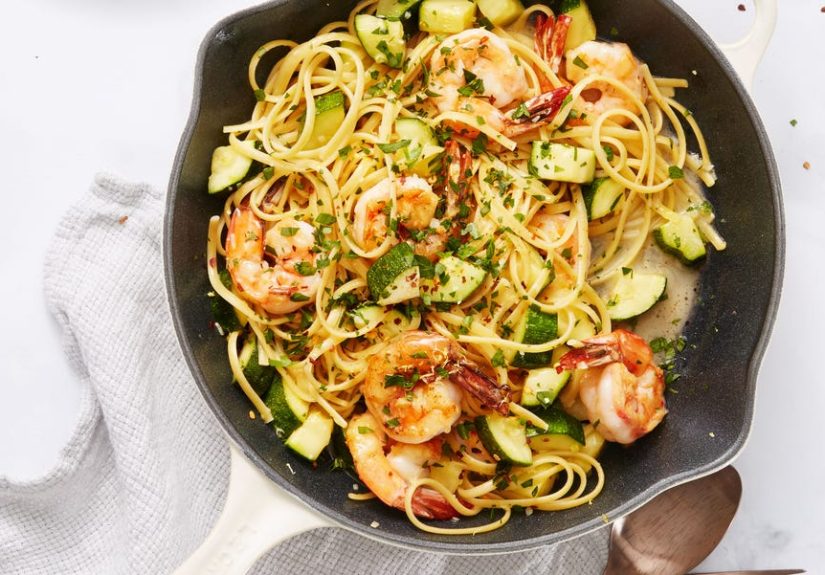
Traditional shrimp scampi is a quick-cooking dish built around shrimp sautéed in a buttery, garlicky, lemony sauce, often with white wine, parsley, and red pepper flakes. Shrimp and Zucchini Scampi takes that same bright, savory idea and gives it a fresher spin by adding zucchini. Sometimes the zucchini is spiralized into “zoodles.” Sometimes it is sliced into half-moons, ribbons, or small sautéed pieces. The point is not to disguise zucchini as pasta with Oscar-worthy acting. The point is to bring a tender, summery vegetable into a sauce that already knows how to make nearly everything taste better.
This is why the dish works so well for modern cooks. It feels lighter than a heavy cream sauce, quicker than a baked casserole, and more interesting than plain sautéed shrimp. It also gives you options: keep it gluten-free, pair it with linguine, pile it over roasted squash, or let it stand on its own in a wide, shallow bowl with a shower of parsley and a lemon wedge on the side. Simple? Yes. Boring? Absolutely not.
Why This Dish Works So Well
1. Shrimp cooks fast
Shrimp is one of the great weeknight shortcuts. It goes from raw to juicy in just a few minutes, which means you do not need a marathon cooking session to produce something that feels restaurant-worthy. The only catch is that shrimp can overcook faster than your group chat can derail. That is why timing matters. As soon as the shrimp turn pink and opaque with a slight curve, they are basically done.
2. Zucchini keeps the dish fresh
Zucchini has a mild flavor, which is culinary code for “I get along with everybody.” It absorbs the sauce beautifully without overpowering the shrimp. It also brings freshness, color, and a more delicate texture than pasta-heavy versions. When cooked briefly, zucchini stays bright and pleasant instead of collapsing into a puddle of regret.
3. The sauce is simple but layered
Butter gives richness. Olive oil keeps the flavor rounded and helps the pan behave. Garlic brings backbone. Lemon adds brightness. White wine contributes acidity and depth. Parsley lifts everything at the end. Red pepper flakes provide a little heat for contrast. None of these ingredients is trying to steal the spotlight; together they build the kind of sauce that makes people scrape the pan with bread when they think nobody is looking.
Key Ingredients That Make Shrimp and Zucchini Scampi Shine
The beauty of this recipe is that the ingredient list is familiar, but the results feel special. Large or medium raw shrimp are ideal because they stay juicy and give the dish a satisfying bite. Fresh zucchini is best when firm and not oversized; giant zucchini often contains more water and more seeds, which can make the final dish softer than you want. Garlic should be fresh, not the sleepy jarred kind that tastes like it gave up three Thursdays ago.
Butter and olive oil are the power couple here. Using both creates flavor and control: butter brings the classic scampi richness, while olive oil helps prevent the butter from feeling too heavy. White wine is traditional, but broth can step in when needed. Lemon juice and zest give the sauce its signature brightness. Fresh parsley is more than garnish; it adds clean flavor that keeps the dish from tasting flat. Cherry tomatoes, Parmesan, basil, or a pinch of Aleppo or red pepper can all fit naturally, depending on the direction you want to take.
How to Make Shrimp and Zucchini Scampi at Home
The best version of this dish is fast and organized. Since shrimp cooks quickly and zucchini does not need much time either, the main secret is having everything prepped before the skillet gets hot. This is not the moment to start hunting for the lemon juicer behind the blender you never use. Get your garlic chopped, your zucchini cut, your shrimp dried, and your parsley ready to go.
- Prep the zucchini. Spiralize it into noodles, shave it into ribbons, or slice it into thin half-moons. If you are using zoodles, lightly salt them and let them sit briefly, then pat dry. This helps reduce excess moisture.
- Season the shrimp. Pat the shrimp dry and season with salt and pepper. Dry shrimp sear better and do not water down the pan.
- Start the sauce. Heat olive oil and butter in a large skillet. Add garlic, and if you like, shallot or onion. Stir just until fragrant. Add red pepper flakes for gentle heat.
- Add wine and lemon. Pour in white wine and let it reduce slightly. Add lemon zest for extra aroma and depth.
- Cook the shrimp. Add the shrimp and cook only until they turn pink and nearly opaque. Remove them if needed so they do not overcook while the zucchini finishes.
- Warm the zucchini briefly. Add zucchini to the skillet and toss just until slightly softened. This usually takes only a minute or two for zoodles.
- Finish strong. Return the shrimp, add lemon juice, parsley, and a final knob of butter if you want extra gloss. Taste, adjust salt and pepper, and serve immediately.
Common Mistakes to Avoid
Do not overcook the shrimp
This is the number-one scampi tragedy. Overcooked shrimp becomes firm, rubbery, and weirdly sad. Pull it from the heat as soon as it is cooked through. The shrimp should look juicy, not like it is preparing for a long-distance hike.
Do not drown the zucchini
Zucchini contains a lot of water, so it needs a quick touch, not a spa day. The longer it sits in the pan, the more moisture it releases. For the best texture, cook it fast over fairly lively heat and serve the dish right away.
Do not burn the garlic
Garlic goes from fragrant to bitter very quickly. It should soften and smell amazing, not turn dark brown. Once garlic burns, the sauce tastes harsh, and there is no elegant recovery plan.
Do not skip acidity
Without lemon or wine, scampi can taste heavy. Acidity is what keeps the butter and olive oil from becoming one-note. It is the bright note that makes the whole dish sing instead of mumble.
Best Variations for Different Moods
One of the reasons Shrimp and Zucchini Scampi is so useful is that it adapts beautifully. Want a lighter dinner? Go all in on zucchini noodles. Want more comfort? Toss the shrimp and sauce with angel hair, linguine, or orzo and fold the zucchini in. Want more color? Add cherry tomatoes. Want extra richness? A spoonful of Parmesan can nudge it in that direction. Want more herb flavor? Basil, dill, or even a touch of tarragon can bring a new personality to the pan.
You can also shift the texture. Zoodles create a twirlable, noodle-like presentation. Thin half-moons make the dish feel more rustic. Ribbons look elegant. Roasted zucchini brings a sweeter, slightly concentrated flavor. If you are serving guests, pair the scampi with grilled bread and a crisp green salad. If it is a weeknight family dinner, serve it with rice, pasta, or even roasted potatoes and call it a smart use of pantry diplomacy.
What to Serve with Shrimp and Zucchini Scampi
This dish is versatile enough to work as a stand-alone skillet meal, but it also plays well with others. Crusty bread is the obvious move because the sauce is too good to leave behind. Pasta is classic when you want something more filling. Rice or creamy polenta creates a softer, more comforting base. A crisp salad with lemon vinaigrette keeps the meal feeling bright. If you are entertaining, a glass of chilled white wine and a platter of scampi in the center of the table can do a lot of social heavy lifting.
Is Shrimp and Zucchini Scampi Healthy?
“Healthy” depends on what you mean, but this dish has a lot going for it. Shrimp brings protein, zucchini adds vegetables and fiber, and the sauce delivers bold flavor without requiring heavy cream. Compared with richer pasta-based seafood dishes, it can feel notably lighter while still satisfying. You can keep it more balanced by using a moderate amount of butter, plenty of zucchini, and a generous hit of herbs and lemon. It is proof that “lighter” does not have to mean “tastes like punishment.”
Storage and Leftovers
Shrimp and Zucchini Scampi is best eaten fresh. That is the honest answer. The zucchini softens over time, and reheated shrimp can lose some of its delicate texture. Still, leftovers are not doomed. Store them in an airtight container in the refrigerator and reheat gently in a skillet over low heat just until warmed through. Avoid blasting it in the microwave until the shrimp become tiny pink erasers.
Final Thoughts
Shrimp and Zucchini Scampi succeeds because it understands what a great home dinner should do. It should taste bright, comforting, and just a little impressive without demanding a sink full of dishes or a level of patience normally reserved for assembling furniture. This recipe checks those boxes with garlic, lemon, butter, olive oil, and shrimp doing their timeless thing while zucchini brings freshness and flexibility.
Whether you make it for a quick weeknight dinner, a low-carb date night, or a summer meal when zucchini is showing up everywhere like an overachieving garden guest, this dish earns its place in regular rotation. It is elegant without being fussy, fresh without being bland, and simple without being forgettable. In a world full of recipes that ask you to caramelize, braise, chill, rest, and “trust the process,” Shrimp and Zucchini Scampi is refreshingly direct: make the sauce, cook the shrimp, warm the zucchini, eat happily.
Kitchen Experiences with Shrimp and Zucchini Scampi
The first time many home cooks make Shrimp and Zucchini Scampi, the biggest surprise is not the flavor. It is the speed. You spend more time feeling organized than you do actually cooking. That can be oddly thrilling. A pile of zucchini on the cutting board looks wholesome and calm, while shrimp in a bowl looks like dinner means business. Once the garlic hits the butter and oil, the whole kitchen starts smelling like you know exactly what you are doing, even if five minutes earlier you were still deciding whether takeout deserved another victory.
There is also a strange confidence boost that comes from cooking shrimp well. It feels like one of those ingredients that separates “I made food” from “I made dinner.” When it lands perfectly tender in a glossy pan sauce, the meal feels more polished than the effort would suggest. Zucchini helps with that illusion. Its bright green color makes the skillet look lively and intentional, the way restaurant food often does. Even a simple version with garlic, lemon, parsley, and a few red pepper flakes looks cheerful and complete.
In real kitchens, though, experience teaches a few practical lessons. One is that zucchini has absolutely no respect for your timeline if you overcook it. Give it two or three minutes too long and the pan goes from glossy to watery. The good news is that once you learn this, you rarely make the same mistake twice. Another lesson is that shrimp should be dried before cooking. It sounds minor, but it changes the whole feel of the dish. Wet shrimp steams. Dry shrimp sautés. That difference shows up in the final texture.
This dish is also a crowd-pleaser because it can shift personality depending on who is coming to dinner. For someone who wants comfort food, you can spoon it over pasta and be the hero. For someone who wants something lighter, you can lean into the zucchini and keep the plate fresh and clean. For someone who claims they are “not really a zucchini person,” the combination of garlic, butter, lemon, and shrimp usually changes the conversation pretty quickly. Amazing what happens when vegetables stop pretending they are a punishment.
Perhaps the best experience with Shrimp and Zucchini Scampi is how repeatable it becomes. It is not a one-time, special-occasion recipe that lives in your bookmarks and never sees daylight again. It is the kind of meal that gets easier every time you make it. Soon you know exactly when the garlic is ready, exactly how long the shrimp needs, and exactly when to toss in the zucchini so it stays tender-crisp. At that point, the recipe becomes less of a script and more of a rhythm. And that is usually when a good dinner becomes a house favorite.