Table of Contents >> Show >> Hide
- Who Is Shea McGeeand Why Is She Suddenly in Your Kitchen?
- Meet “Around the Table”: A Cooking Show with a Designer’s Eye
- What You’ll Actually See: Recipes, Guests, and the “Weeknight-to-Wow” Formula
- Hosting Secrets You Can Steal Without Becoming a “Hosting Person” Overnight
- Why This Series Makes Sense (Even If You’re Not a “Food Content” Person)
- The Bigger Picture: From Webisodes to a Cookbook
- How to Watch (and Actually Use This Series in Real Life)
- Quick Takeaways: What “Around the Table” Teaches (Beyond Recipes)
- of “Experience”: What It’s Like to Cook Along With Shea’s Series
- Conclusion
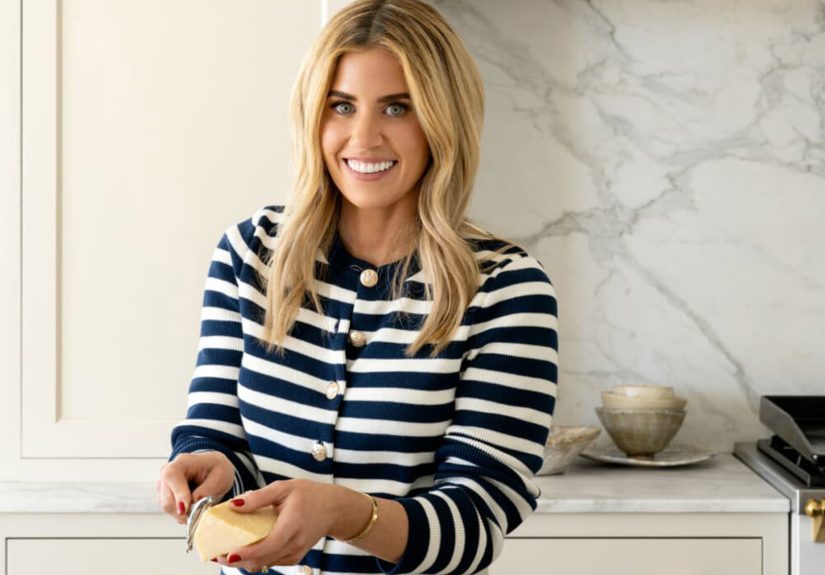
If you’ve ever watched Dream Home Makeover and thought, “Cool, cool… but what are they eating after all that demo dust?”
Shea McGee has an answer. And it comes with a tablescape.
The beloved interior designer behind Studio McGee (and your sudden urge to repaint everything “warm white”) has stepped into the kitchen with a
YouTube cooking series called “Around the Table”a show that treats dinner the same way she treats design: thoughtfully, beautifully,
and with a quiet confidence that makes the rest of us look at our mismatched forks like they’ve betrayed us.[1]
Who Is Shea McGeeand Why Is She Suddenly in Your Kitchen?
Shea McGee is best known as the creative force behind Studio McGee, the design firm she and her husband Syd launched in
2014 after sharing their first home remodel online and building a loyal following.[2] A couple years later, they launched
McGee & Co., their home goods and décor brand, expanding the Studio McGee universe from “look at this pretty room” to
“you, too, can buy the pretty room.”[2]
Many people first met the McGees through Netflix’s Dream Home Makeover, where Shea and Syd help families transform their spaces into homes that
feel both polished and livable.[3] Netflix itself describes the premise simply: dream homes, tailored to real families, guided by the McGees
of Studio McGee.[4]
So why the leap into food? Because the “home” part of home design doesn’t end with throw pillows. It ends when people show up, sit down, and actually
live therepreferably with something delicious on the table (and ideally not straight from a crinkly takeout bag).
Meet “Around the Table”: A Cooking Show with a Designer’s Eye
Around the Table is Shea’s YouTube series that blends approachable home cooking with hosting and presentationbecause in her world,
food isn’t just flavor; it’s part of the atmosphere.[1] The concept is simple but surprisingly rare:
teach a recipe, then show how to make it feel like an occasion.
The series launched as a Studio McGee YouTube feature with episodes filmed primarily in Shea’s home kitchen, sometimes solo, sometimes with Syd, and
sometimes with guests.[1] Studio McGee’s own write-up frames the mission clearly: show how “simple, easy dishes can be elevated” with “pretty
presentation,” including tablescapes that range from weekday dinner to full-on dinner party.[5]
What makes it different from the average “recipe video”?
-
It’s not only about the dish. The series focuses on the whole experiencehow the meal looks, how it’s served, and how the table is
set.[1] -
It’s built for real life. Expect weeknight-friendly meals alongside “Sunday dinner” energy and dessertsaka the trifecta of “I’m
doing fine” domestic performance.[1] -
It’s a lifestyle bridge. It connects Studio McGee’s design ethos to everyday rituals: cooking, gathering, hosting, and yes, lighting
the candle before anyone arrives.
What You’ll Actually See: Recipes, Guests, and the “Weeknight-to-Wow” Formula
According to Better Homes & Gardens, the show spans everything from casual dinners to more elevated spreads, and episodes highlight recipes like
Sheet Pan Lemon Chicken, Broccoli Pesto Pasta, and Berry & Almond Brioche French Toastplus more
along the way.[1]
The guest list is also a deliberate part of the charm. BHG notes appearances from culinary personalities including Food Network’s Kelsey
Nixon and blogger Maria Lichty, signaling that Shea isn’t trying to cosplay as a chefshe’s building a table where different
voices show up and cook together.[1]
The “starter episode” vibe: why Sheet Pan Chicken is the perfect opener
Studio McGee’s first installment page (dated February 29, 2024) introduces the series and features Shea and Syd making a quick
sheet-pan chicken dinner, with the recipe shared alongside the video.[5] That choice is strategic:
sheet-pan dinners are the universal language of “I want something good but I also want to be done in under an hour.”
Design logic, but for food
A designer’s brain is basically a systems brain: balance, contrast, texture, repetition, negative space. In cooking, that translates to
color (greens against golden browns), texture (crisp + creamy), and composition (how the dish is
plated and served). Shea openly leans into that overlap, emphasizing that what’s “on the table” matters just as much as what’s around it.[1]
Hosting Secrets You Can Steal Without Becoming a “Hosting Person” Overnight
Let’s be honest: most of us want the table to look good, but we also want to feel emotionally safe. The trick is finding upgrades that don’t add
stress. Shea’s tips land in that sweet spothigh impact, low drama.
1) Set the table the night before
House Beautiful highlights one of Shea’s most practical hosting hacks: set the table ahead of timebefore the cooking chaos begins.[6]
It sounds small, but it changes your whole evening. Suddenly, future-you is supported. Past-you is forgiven.
2) Taper candles: the easiest “instant fancy” button
Shea calls taper candles a “no-frill” way to dress up a table. Pair them with clipped greenery and you’ve got a centerpiece that feels intentional,
not engineered.[6] In other words: your table looks like it belongs in a magazine, but you still recognize your own life in it.
3) Think in layers, not perfection
A recurring theme in Studio McGee’s broader content is that “livable” doesn’t mean “messy,” and “beautiful” doesn’t mean “untouchable.” The table
works best when it’s layeredfunctional pieces first, then mood pieces. (Yes, mood pieces are real. Candlelight is a mood piece. So is the one
cloth napkin you own that isn’t suspiciously crispy.)
Why This Series Makes Sense (Even If You’re Not a “Food Content” Person)
A lot of celebrity cooking content is either: (a) wildly aspirational, or (b) weirdly chaotic. Shea’s approach lands somewhere more useful:
aspirationally achievable.
The real innovation here is framing food as part of home design. Studio McGee’s mission has long been about elevating everyday living through
thoughtful choices, and “Around the Table” applies that same idea to dinner: take something simple, add intention, and suddenly it feels like an
experience.[1]
It also fits Studio McGee’s post-Netflix era
In a Studio McGee post reflecting on moving forward from Netflix, Shea specifically points fans to YouTube for design projects, styling tips,
McGee & Co. collection previews, and lifestyle contentexplicitly calling out the newly launched cooking series, “Around the Table.”[7]
Translation: the brand isn’t shrinking; it’s expanding into a fuller version of “home.”
The Bigger Picture: From Webisodes to a Cookbook
The cooking series isn’t happening in a vacuum. It’s part of a broader storytelling arc: design → lifestyle → gathering → food.
In late 2025, Harper Horizon (via HarperCollins Focus) announced Shea’s debut cookbook,
Around the Table: Tables and Traditions for Gathering, with a release date of
April 14, 2026.[8] The announcement frames the book as a natural extension of her workbridging design-driven entertaining
with approachable recipes for every season.[8]
That’s the key point: Shea isn’t pivoting away from design. She’s widening the lens. The house is the stage; the meal is the moment.
How to Watch (and Actually Use This Series in Real Life)
The best way to watch “Around the Table” is to treat it like a weekly reset, not a homework assignment. You’re not auditioning for a cooking show.
You’re collecting small wins.
A simple “cook-along” plan
- Pick one episode with a weeknight-friendly recipe (sheet pan meals and pastas are great starters).[1]
- Steal one styling detail: taper candles, a clipped branch, or just a real napkin that isn’t a paper towel in disguise.[6]
- Repeat until your brain starts associating dinner with calm instead of chaos.
Make it your own (the McGee way)
- If your kitchen is tiny: lean into “one-pan” recipes and keep the table styling minimalone centerpiece element, not a whole botanical dissertation.
- If you’ve got kids: choose recipes that can be scaled, served family-style, and forgiven if someone requests ketchup anyway.
- If you’re hosting: set the table the night before and let candles do the heavy lifting.[6]
Quick Takeaways: What “Around the Table” Teaches (Beyond Recipes)
- Presentation is not pretension. A little effort at the table can make an ordinary meal feel restorative.
- Hosting doesn’t have to be complicated. Prep the table early, simplify the centerpiece, and stop chasing perfection.[6]
- Design principles work everywhere. Balance, contrast, and warmth apply to food the same way they apply to interiors.
- Weeknights deserve beauty too. You don’t need a holiday to light a candle. (But you do need a safe surface.)
of “Experience”: What It’s Like to Cook Along With Shea’s Series
Watching a cooking series is one thing. Cooking along is anotherbecause the moment you hit “play,” your kitchen starts auditioning for a role it
didn’t know existed. The cutting board is suddenly too small. The olive oil is suddenly missing. The salt is suddenly in the cabinet you never open,
the one that contains three expired spices and a random birthday candle.
But that’s what makes Around the Table oddly comforting: it’s built around the reality that dinner happens in the middle of life, not after
life has been neatly folded and put away. The best “experience” most people have with this kind of show isn’t flawless executionit’s the quiet
upgrade in mood. You start with a basic goal (“I need food”), and you finish with a small sense of control (“I made foodand it looks nice”).
The first time someone tries a weeknight recipe from a series like this, the win is usually not the dish itselfthough the dish helps. The win is
that dinner stops feeling like a sprint. A sheet-pan meal gives you structure: prep, roast, plate. Pasta gives you rhythm: chop, simmer, stir,
combine. There’s a sequence, and sequence is soothing. It’s hard to spiral when you’re timing the oven.
Then comes the unexpected part: the table. In a normal weeknight scenario, the table is where you drop mail, keys, and the existential weight of the
day. But when you take even one small cuelike clearing the surface, adding a simple centerpiece, or lighting candlesyou change what the table
means. It becomes a place to land, not a place to unload.
This is also where people discover a sneaky truth: “hosting” is often less about impressing guests and more about supporting yourself. Setting the
table early, choosing one “signature” element (like candles), and keeping the menu simple creates a feeling of readiness. You don’t need a perfect
dining room. You need one small decision that signals, “Tonight matters.”
For anyone who feels intimidated by cooking shows, the most realistic experience is this: you will forget an ingredient, substitute something, and
still end up with dinner. You might use dried herbs instead of fresh. You might plate family-style because individual plating is how good people lose
their minds. And you will absolutely have at least one moment where you wonder why your kitchen doesn’t look like Shea’sright before you remember
she’s an interior designer with a job description that includes “make everything look calm.”
The lasting benefit, though, is surprisingly practical. Over time, people tend to borrow a few repeatable habits: one reliable weeknight dinner, one
“company” meal that feels special, and one tablescape trick that works year-round. That’s the real takeaway. Not a perfect replicajust a handful of
routines that make home feel like home, one meal at a time.
Reference markers used in this article:
[1] Better Homes & Gardens on the series concept, episodes, and guests
[2] Studio McGee “About” timeline (founding, McGee & Co.)
[3] Netflix Tudum cast/series context
[4] Netflix official show page description
[5] Studio McGee “Around the Table” Episode 1 post (date + mission statement)
[6] House Beautiful on Shea’s hosting/tablescape tips (table the night before + taper candles)
[7] Studio McGee post about moving forward on YouTube and noting the cooking series
[8] HarperCollins Focus announcement of Shea’s cookbook and release date