Table of Contents >> Show >> Hide
- What Is Serbian Proja?
- Why You Will Love This Srpska Proja Recipe
- Ingredients for Serbian Corn Bread
- How to Make Serbian Corn Bread (Srpska Proja)
- Expert Tips for the Best Proja
- Serving Ideas for Serbian Corn Bread
- Recipe Variations
- How to Store and Reheat Proja
- Common Mistakes to Avoid
- Experience Notes: Making Serbian Corn Bread at Home
- Conclusion
Serbian corn bread, better known as Srpska proja, is the kind of humble recipe that proves comfort food does not need a dramatic entrance. It does not arrive wearing a frosting hat. It does not require a stand mixer, imported vanilla, or a kitchen torch. It simply walks in with cornmeal, dairy, eggs, and a golden crust, then quietly steals the entire meal.
Proja is a traditional Serbian and Balkan-style cornbread with a savory personality. Unlike many American cornbreads, which often lean sweet and buttery, Serbian proja is usually more rustic, salty, and hearty. It is served with yogurt, kajmak, feta-like white cheese, ajvar, stews, grilled meats, cabbage dishes, or sometimes just a cup of strong coffee and a look that says, “Breakfast is handled.”
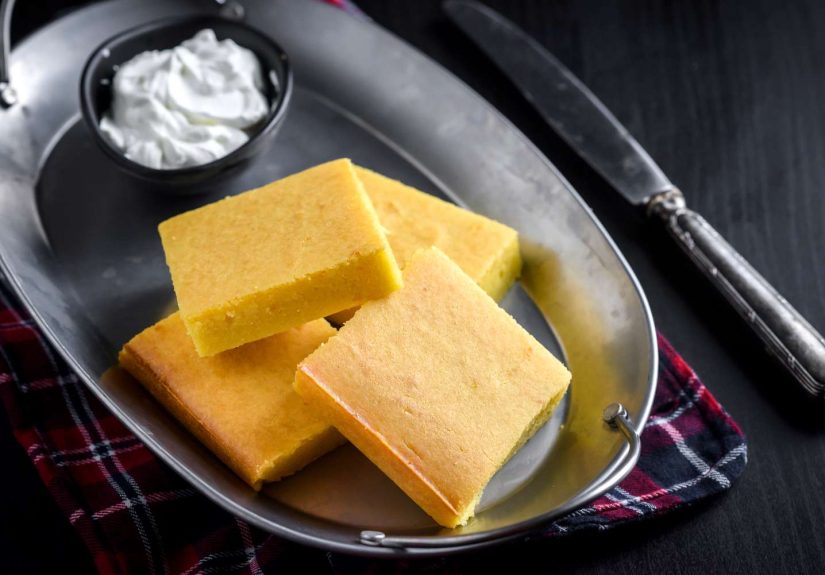
This version of Serbian Corn Bread (Srpska Proja) balances tradition with a home-kitchen-friendly method. It uses cornmeal for that classic grainy bite, flour for structure, yogurt for moisture, sparkling water for lightness, and crumbled feta or white cheese for savory richness. The result is a golden, tender, lightly crumbly bread that can be sliced into squares and served warm, room temperature, or even toasted the next day.
What Is Serbian Proja?
Proja is a savory corn bread deeply connected to Serbian cuisine and broader Balkan cooking. Historically, it was a practical, affordable bread made from corn flour or cornmeal, water, salt, and sometimes oil. It was the food of farms, family kitchens, and hard times, which is usually where the best recipes begin. When a dish survives generations, you can assume it has done something right.
Modern proja often includes richer ingredients such as eggs, milk, yogurt, oil, cheese, or sparkling mineral water. Some people make a plain, old-fashioned version. Others make projara, a softer and more indulgent variation with cheese and dairy. In everyday conversation, many home cooks use the names loosely, especially when the tray comes out hot and everyone is too hungry to debate culinary linguistics.
Proja vs. American Cornbread
American cornbread can be sweet or savory depending on region, family, and whether someone at the table is prepared to argue about sugar. Serbian proja, however, is usually savory. It is less cake-like than sweet cornbread and often more substantial. The flavor is built around cornmeal, salt, tangy dairy, and sometimes cheese.
Think of proja as cornbread’s Balkan cousin: less dessert-adjacent, more “please pass the yogurt and smoked sausage.” It belongs beside stews, roasted vegetables, beans, sauerkraut, sarma, grilled meats, and spreads like ajvar. It also makes a fantastic snack when sliced into cubes and served on a breakfast board with tomatoes, cucumbers, olives, and cheese.
Why You Will Love This Srpska Proja Recipe
This Srpska proja recipe is simple enough for a weeknight and special enough for a weekend brunch. It does not ask you to knead dough, proof yeast, or whisper encouraging words to a sourdough starter. You mix, pour, bake, and proudly accept compliments.
It Uses Easy Ingredients
You probably already have most of the ingredients: cornmeal, flour, baking powder, eggs, yogurt, oil, and salt. The only slightly specific ingredient is white cheese, such as feta, farmer cheese, or a Balkan-style brined cheese. If feta is what your grocery store offers, feta is invited to the party.
It Works for Many Meals
Proja can be breakfast, lunch, dinner, snack, appetizer, side dish, or the thing you eat standing at the counter while pretending you are “just trimming the edges.” It pairs especially well with soups and stews because the crumb absorbs savory juices without collapsing into sadness.
It Tastes Even Better with Simple Sides
Serve it with plain yogurt for a traditional touch, sour cream for extra richness, ajvar for smoky pepper flavor, or honey if you enjoy a sweet-salty contrast. Proja is not fussy. It is the dependable friend who brings chairs to the picnic.
Ingredients for Serbian Corn Bread
This recipe makes one 9-by-13-inch pan, about 12 generous squares. You can halve the recipe for an 8-inch square pan, but honestly, leftovers are one of proja’s best features.
Dry Ingredients
- 2 cups yellow cornmeal — Medium-ground cornmeal gives the bread a pleasant rustic texture.
- 1 cup all-purpose flour — Helps the proja hold together and creates a softer crumb.
- 1 tablespoon baking powder — Gives lift without yeast.
- 1 teaspoon salt — Adjust slightly depending on how salty your cheese is.
- 1/2 teaspoon baking soda — Optional, but helpful when using yogurt because it supports tenderness and browning.
Wet Ingredients
- 3 large eggs — Add structure, richness, and color.
- 1 cup plain yogurt — Whole milk yogurt gives the best flavor and moisture.
- 1/2 cup milk — Loosens the batter and keeps the texture tender.
- 1/2 cup neutral oil — Sunflower oil is traditional in many Balkan kitchens, but canola or vegetable oil works.
- 1/2 cup sparkling water — Adds lightness to the batter and keeps the bread from feeling too dense.
Flavor Add-Ins
- 1 to 1 1/2 cups crumbled feta or white cheese — Adds salty, creamy pockets throughout the bread.
- 2 tablespoons sour cream — Optional, but excellent for a richer texture.
- 1 tablespoon melted butter — Optional for brushing the top after baking.
How to Make Serbian Corn Bread (Srpska Proja)
Step 1: Preheat the Oven
Preheat your oven to 375 degrees F. Grease a 9-by-13-inch baking dish with oil or butter. For easier cleanup, you can line the pan with parchment paper and lightly oil the parchment. Future you will be grateful.
Step 2: Mix the Dry Ingredients
In a large mixing bowl, whisk together the cornmeal, flour, baking powder, salt, and baking soda. Whisking matters because it distributes the leavening evenly. Nobody wants one corner of the proja rising like a tiny cornmeal volcano while the other side sulks.
Step 3: Mix the Wet Ingredients
In a separate bowl, beat the eggs. Add the yogurt, milk, oil, sparkling water, and sour cream if using. Whisk until smooth. The mixture may look slightly foamy from the sparkling water, which is perfectly fine.
Step 4: Combine the Batter
Pour the wet ingredients into the dry ingredients and stir gently with a wooden spoon or spatula. Mix just until combined. The batter should be thicker than pancake batter but still pourable. If it feels stiff like cement with ambition, add another splash of milk or sparkling water.
Step 5: Fold in the Cheese
Fold in the crumbled feta or white cheese. Do not overmix. You want little salty pockets scattered through the bread, not a fully blended cheese paste. Rustic is the goal; chaos, within reason, is welcome.
Step 6: Bake Until Golden
Pour the batter into the prepared pan and smooth the top. Bake for 30 to 40 minutes, or until the top is golden and a toothpick inserted near the center comes out mostly clean. A few moist crumbs are fine. Wet batter is not.
Step 7: Rest, Slice, and Serve
Let the proja rest for at least 10 minutes before slicing. This helps the crumb set and prevents the first square from becoming a delicious but messy landslide. Cut into squares and serve warm or at room temperature.
Expert Tips for the Best Proja
Use Medium-Ground Cornmeal
Fine cornmeal produces a softer, smoother bread, while coarse cornmeal creates a grittier texture. Medium-ground cornmeal gives the best balance. If you use polenta, expect a more rustic bite. That is not a problem, just a personality trait.
Do Not Skip the Dairy
Yogurt gives Serbian corn bread its moist, lightly tangy character. Milk helps loosen the batter, while sour cream adds a plush texture. If your previous cornbread experiences have been dry enough to qualify as masonry, yogurt is your new best friend.
Watch the Salt
Feta and brined white cheeses vary widely in saltiness. If your cheese is very salty, use slightly less salt in the batter. If your cheese is mild, keep the full teaspoon. Taste the cheese first. This is both practical cooking advice and a convenient excuse to snack.
Let It Rest Before Cutting
Freshly baked proja smells so good that waiting feels like a test of character. Still, give it 10 minutes. The bread firms up as it cools slightly, making clean slices easier.
Serving Ideas for Serbian Corn Bread
Serbian proja is wonderfully flexible. Serve it as part of a Balkan-inspired breakfast with plain yogurt, sliced cucumbers, tomatoes, olives, and cheese. Add ajvar, the roasted red pepper spread, for a smoky-sweet contrast. If you can find kajmak, a rich Balkan dairy spread, you are in for a serious treat.
For lunch or dinner, proja pairs beautifully with bean soup, cabbage rolls, roasted peppers, grilled sausages, chicken stew, or vegetable soup. It is also excellent with chili, even though chili is not Serbian. Good bread does not care about borders.
For entertaining, cut the proja into smaller cubes and serve it on a platter with spreads, pickles, cured meats, and cheeses. It works as an appetizer because it is sturdy, flavorful, and easy to grab. No forks required, which means fewer dishes and more time to enjoy your guests.
Recipe Variations
Spinach and Cheese Proja
Add 1 cup of chopped cooked spinach, squeezed dry, along with the cheese. This version is colorful, savory, and especially good for brunch. It also gives you the emotional satisfaction of adding greens to bread, which feels virtuous without being boring.
Plain Old-Fashioned Proja
For a simpler version, reduce or omit the cheese and use more cornmeal than flour. The result will be firmer, crumblier, and closer to a rustic peasant-style cornbread. Serve it with yogurt or stew for the best texture.
Spicy Pepper Proja
Fold in chopped roasted red peppers, a spoonful of ajvar, or diced jalapeños if you enjoy heat. This is not the most traditional version, but it is deeply snackable.
Mini Proja Muffins
Spoon the batter into greased muffin cups and bake at 375 degrees F for 18 to 22 minutes. Mini proja muffins are great for parties, lunch boxes, and people who believe every food becomes cuter in muffin form.
How to Store and Reheat Proja
Store cooled Serbian corn bread in an airtight container at room temperature for up to 2 days or in the refrigerator for up to 5 days. Because it contains cheese and dairy, refrigeration is best if your kitchen is warm.
To reheat, place slices in a 325 degrees F oven for about 8 to 10 minutes. You can also toast them in a skillet with a little butter or oil. The edges become crisp, the inside warms through, and suddenly leftovers feel like a planned luxury.
Proja can also be frozen. Wrap individual squares tightly and freeze for up to 2 months. Thaw overnight in the refrigerator or reheat from frozen in a low oven until warmed through.
Common Mistakes to Avoid
Using Too Much Flour
Flour helps structure the bread, but too much can make proja taste like ordinary quick bread with a cornmeal accent. Cornmeal should remain the star. Flour is the supporting actor who should not steal the scene.
Overbaking
Overbaked proja becomes dry and crumbly. Start checking around 30 minutes. The top should be golden, and the center should be set. If the edges look very dark and the middle is still wet, your oven may run hot; lower the temperature slightly next time.
Overmixing the Batter
Once the wet and dry ingredients meet, stir gently. Overmixing can make the bread tougher. A few small lumps are not only acceptable; they are practically part of the charm.
Experience Notes: Making Serbian Corn Bread at Home
The first time you make Serbian corn bread, the biggest surprise may be how ordinary the batter looks. It does not perform culinary acrobatics. It does not require a dramatic resting period. You stir everything together, pour it into a pan, and wonder if something this simple can really taste memorable. Then the oven starts doing its work, and the kitchen fills with the warm smell of toasted cornmeal, tangy yogurt, and salty cheese. At that point, confidence arrives.
Proja feels like the kind of recipe that belongs in a family notebook with a stained page and measurements written as “one cup, but not too full.” Many traditional home recipes work that way. The texture depends on the cook, the cornmeal, the cheese, and even the pan. A metal pan gives crisper edges. A ceramic dish gives a softer crust. A glass baking dish lets you peek at the sides, which is helpful if you are the type of person who checks the oven light every four minutes like it owes you money.
One of the best experiences with Srpska proja is eating it warm, about 15 minutes after baking, when the top is golden and the cheese is still soft in little pockets. Add a spoonful of yogurt on the side, and the contrast is perfect: warm bread, cool dairy, savory crumbs, and just enough tang to keep you going back for another bite. It is simple food, but simple does not mean plain. It means every ingredient has a job.
The next-day experience is different but equally satisfying. Leftover proja becomes firmer, making it excellent for toasting. Slice a square in half, warm it in a skillet, and let the cut side crisp slightly. Serve it with eggs for breakfast or with soup for lunch. If you brush it with a little butter, nobody needs to know. The kitchen has many secrets, and butter is usually involved.
Proja also teaches a useful cooking lesson: authenticity is not always about one exact formula. Serbian families make it in different ways. Some prefer it dense and rustic. Some add cheese. Some add yogurt, sparkling water, spinach, or sour cream. The heart of the recipe remains the same: corn-based bread made for sharing, stretching a meal, and making the table feel complete. That is why it works so well in modern kitchens. It is affordable, flexible, filling, and friendly to leftovers.
If you are serving it to guests, do not overexplain it. Just place the warm squares on the table with yogurt, ajvar, cheese, and maybe a pot of soup. People will figure it out quickly. Someone will ask for the recipe. Someone else will take “just one more small piece,” which is the international phrase for “I am absolutely going back for thirds.” That is the quiet magic of Serbian corn bread: it is modest, golden, and gone faster than expected.
Conclusion
Serbian Corn Bread (Srpska Proja) is a beautiful example of how simple ingredients can become something deeply comforting. With cornmeal, yogurt, eggs, sparkling water, and salty cheese, this traditional Balkan recipe creates a savory bread that is tender, rustic, and incredibly versatile. Serve it for breakfast with yogurt, alongside stews and soups, or as part of a generous appetizer spread with ajvar and cheese.
Whether you make it plain and old-fashioned or rich with feta and sour cream, proja is the kind of recipe that earns a permanent place in your kitchen. It is easy, affordable, satisfying, and just different enough from everyday cornbread to feel special. Best of all, it proves that a humble pan of corn bread can carry history, flavor, and a little kitchen joy in every golden square.
Note: This article was written as original, publish-ready web content based on real Serbian proja cooking traditions, common Balkan serving practices, and practical home-baking methods.