Table of Contents >> Show >> Hide
- What Counts as Facial Pain?
- Common Everyday Causes of Facial Pain
- Nerve-Related Causes of Facial Pain
- Other Medical Conditions That Can Cause Facial Pain
- Red-Flag Symptoms: When Facial Pain Is an Emergency
- How Doctors Figure Out the Reason for Facial Pain
- Treatment Options: Matching the Fix to the Cause
- Everyday Self-Care Tips (That Are Actually Helpful)
- Living With Facial Pain: Real-World Experiences and Coping Strategies
- The Bottom Line
Waking up and thinking, “Why does my face hurt?” is not exactly the vibe anyone is going for.
Facial pain can range from a dull, annoying ache to a sharp, electric shock that stops you in your tracks.
The tricky part: your face is a busy neighborhood of nerves, muscles, joints, sinuses, teeth, and blood vessels,
so there are many possible reasons for facial pain some are minor, others need quick medical attention.
In this guide, we’ll unpack the most common reasons for facial pain, from sinus infections and tooth problems
to jaw issues and nerve conditions like trigeminal neuralgia. We’ll also walk through red-flag symptoms,
how doctors figure out what’s going on, and what treatments might look like.
Stick around to the end for real-world experiences and practical tips for coping when your face decides to protest.
What Counts as Facial Pain?
“Facial pain” is a broad term. It can show up as:
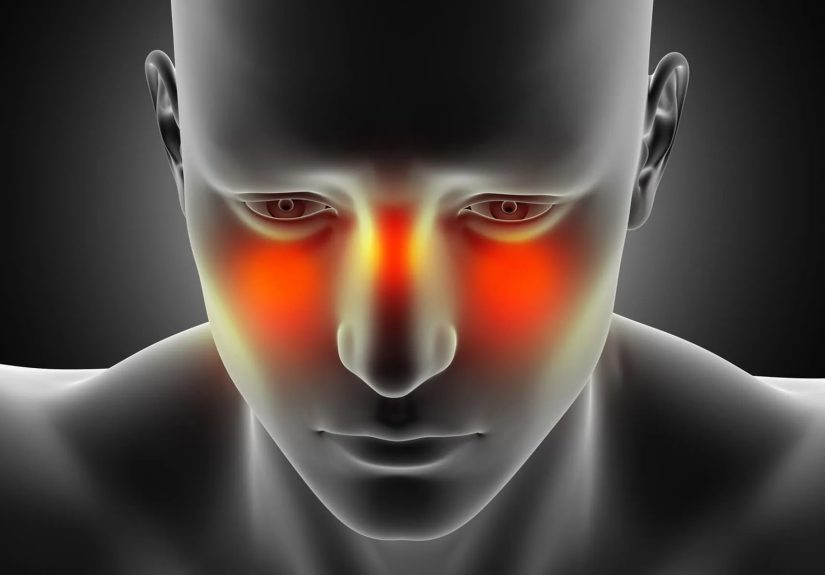
- Aching or pressure in your cheeks, forehead, or around your eyes
- Sharp or burning pain in your jaw, teeth, lips, or nose
- Electric shock–like jolts along one side of your face
- Throbbing pain that feels like a bad headache moved forward
- Pain combined with tingling, numbness, or muscle spasms
Because facial pain can come from the teeth, sinuses, jaws, muscles, skin, or nerves, it’s sometimes hard to tell
what’s really causing it. That’s why persistent or severe pain should be evaluated instead of just powered through.
Common Everyday Causes of Facial Pain
1. Dental Problems
Teeth and gums are some of the most frequent troublemakers. Cavities, cracked teeth, gum disease, and dental abscesses
can all cause facial pain that may radiate into the jaw, cheek, or even the ear. Dental abscesses infections in or
around a tooth can cause throbbing pain, swelling, sensitivity to hot or cold, and sometimes fever.
The twist: dental pain can sometimes be mistaken for sinus pain or even nerve pain. That’s why dentists often play
a key role in the initial workup of facial pain, especially when the pain seems to center around the jaw or teeth.
2. Sinus Infections and Allergy-Related Pressure
Your sinuses are air-filled spaces behind your cheeks, forehead, and nose. When they get inflamed or infected
(hello, sinusitis), they can create intense pressure or aching around the eyes, cheeks, and forehead.
You might notice:
- Stuffed or runny nose
- Reduced sense of smell
- Pain that worsens when you bend forward
- Postnasal drip or cough
Chronic sinus problems may feel like constant facial pressure rather than sharp pain.
Interestingly, research suggests that a lot of “sinus headaches” are actually migraines or other headache types,
so accurate diagnosis matters.
3. Temporomandibular Joint (TMJ) Disorders
The temporomandibular joints connect your jaw to your skull, right in front of your ears.
When these joints or the surrounding muscles are irritated, you may develop
TMJ disorder (sometimes called TMD), a common reason for facial pain.
Signs of TMJ issues include:
- Jaw pain or tenderness
- Clicking or popping when you open your mouth
- Difficulty or pain when chewing
- Headaches around the temples
- Pain that radiates into the ear, cheek, or neck
TMJ pain can be triggered by teeth grinding (bruxism), stress, arthritis in the joint, or an injury.
It’s often worse with chewing or talking a lot (sorry, extroverts).
4. Headaches and Migraines
Some headaches don’t stay politely inside your skull. Migraines and cluster headaches, in particular,
can cause facial pain or pain around the eyes and temples. Cluster headaches are known for severe,
one-sided pain, often around the eye, along with tearing, a runny nose, or redness on that side.
Because facial pain can be a key feature of certain headache disorders, neurologists often evaluate
patients whose “face pain” turns out to be a form of migraine or another headache syndrome.
Nerve-Related Causes of Facial Pain
5. Trigeminal Neuralgia
Trigeminal neuralgia is one of the most notorious causes of facial pain.
It affects the trigeminal nerve, which carries sensation from your face to your brain.
When this nerve misfires, even light touch brushing your teeth, washing your face,
a breeze on your cheek can trigger a sudden jolt of excruciating pain.
Typical features of trigeminal neuralgia include:
- Severe, stabbing, or electric shock–like pain on one side of the face
- Brief attacks lasting seconds to a couple of minutes, often in clusters
- Pain triggered by talking, chewing, or touching certain “hot spots” on the face
- Pain-free periods between episodes at least early in the condition
Many cases are caused by a blood vessel pressing on the trigeminal nerve near the brainstem.
In some people, trigeminal neuralgia can be linked to conditions like multiple sclerosis,
where the protective covering of nerves is damaged. Treatment can include medications
(often anti-seizure drugs), nerve blocks, or surgery, depending on severity and response.
6. Postherpetic Neuralgia After Shingles
If you’ve ever had shingles on your face, you know it’s not subtle. Shingles is caused by the varicella-zoster virus,
the same one that causes chickenpox. It can create painful blisters along a nerve pathway, often on one side of the face.
For some people, the pain doesn’t go away after the rash heals. When nerve damage from shingles leads to ongoing pain,
it’s called postherpetic neuralgia. This pain can be burning, stabbing, or hypersensitive to touch,
and it may last months or longer. Early antiviral treatment and, when appropriate, vaccines can lower the risk,
especially in older adults.
7. Other Nerve Problems
Facial pain can also be related to:
- Nerve injury after dental work or facial surgery
- Neuropathic pain from conditions like multiple sclerosis or diabetes
- Rare nerve tumors or structural problems compressing facial nerves
These conditions often require imaging (like MRI) and specialist evaluation to sort out the cause
and figure out the best treatment approach.
Other Medical Conditions That Can Cause Facial Pain
8. Salivary Gland Problems
The salivary glands located near your jaw and under your tongue can become infected or blocked by stones (sialoliths).
This can cause swelling and pain in the cheeks or under the jaw, especially when eating or thinking about food
(thanks, Pavlov).
Bacterial infections may cause fever and redness, while stones often cause intermittent sharp pain when saliva flow increases.
9. Muscular and Myofascial Pain
Sometimes the culprit is plain old muscle tension. Tight muscles in the jaw, neck, and facial region can cause
a dull ache or trigger points that refer pain to other parts of the face. This can happen with stress, poor posture,
clenching the jaw, or after an injury.
Myofascial pain syndromes are often managed with a mix of physical therapy, relaxation techniques,
bite guards (when teeth grinding is involved), and sometimes medications.
10. Injuries, Fractures, and Surgery
Trauma to the face from sports, accidents, or falls can obviously cause pain.
Fractures of the nose, cheekbone, or jaw may cause sharp pain, swelling, bruising, difficulty opening the mouth,
or changes in bite. Surgical procedures in the region (including cosmetic surgery or sinus surgery)
can also lead to temporary or, rarely, persistent facial pain.
Red-Flag Symptoms: When Facial Pain Is an Emergency
Not all facial pain is a “wait and see” situation. Some symptoms can signal something serious that needs urgent care.
Seek emergency or same-day medical attention if facial pain is accompanied by:
- Sudden, severe pain that peaks within minutes
- Weakness or drooping on one side of the face
- Vision changes, double vision, or loss of vision
- Confusion, trouble speaking, or difficulty walking
- High fever, stiff neck, or severe headache
- Rapidly spreading facial swelling, especially around the eyes or jaw
- Facial pain following a significant injury
These signs can point to serious problems such as stroke, deep infection, or other neurological emergencies.
When in doubt, it’s better to get checked quickly.
How Doctors Figure Out the Reason for Facial Pain
Diagnosing facial pain is part detective work, part anatomy quiz. Your clinician will typically:
- Ask detailed questions about when the pain started, what it feels like, and what triggers or relieves it
- Review your medical, dental, and headache history
- Examine your head, neck, jaw, and mouth
- Check facial sensation and nerve function
Depending on the suspected cause, they may refer you to a dentist, neurologist, ENT (ear, nose, and throat specialist),
or pain specialist. Tests might include dental X-rays, sinus imaging, CT or MRI scans, or blood work.
The goal is to rule out dangerous causes, identify treatable ones, and avoid unnecessary procedures.
Treatment Options: Matching the Fix to the Cause
There’s no one-size-fits-all treatment for facial pain. Options depend on what’s causing it:
-
Dental issues: fillings, root canals, extractions, antibiotics for abscesses,
and good oral hygiene going forward. -
Sinus problems: nasal rinses, decongestants, allergy treatment, antibiotics if a bacterial infection is suspected,
and in some chronic cases, sinus surgery. -
TMJ disorders: soft diet for a while, jaw rest, physical therapy, bite guards,
stress management, and sometimes medications or injections. -
Headache or migraine: tailored treatment plans that may include lifestyle changes,
acute medications, and preventive therapies. -
Nerve-related pain: medications for neuropathic pain (like certain anti-seizure or antidepressant drugs),
nerve blocks, or surgery in selected cases of trigeminal neuralgia. - Infections or salivary gland issues: antibiotics, hydration, massage, or minor procedures to remove stones.
Alongside medical treatments, many people benefit from supportive strategies like stress reduction, gentle exercise,
sleep optimization, and counseling when chronic pain affects mood and daily life.
Pain is not “just in your head,” but your brain and emotions are absolutely part of how you experience it.
Everyday Self-Care Tips (That Are Actually Helpful)
While self-care doesn’t replace a proper diagnosis, it can support your treatment plan:
- Use warm or cold packs (as advised by your clinician) to ease muscle or TMJ tension.
- Practice jaw relaxation: avoid chewing gum, very tough foods, or clenching.
- Stay hydrated and keep a regular sleep schedule to reduce headache triggers.
- Track your symptoms in a diary note what you ate, stress level, sleep, and activities.
- Try relaxation techniques such as deep breathing, gentle yoga, or mindfulness.
- Follow through with dental checkups and recommended treatments.
If self-care doesn’t touch the pain, or if it’s getting worse, that’s your cue to seek professional help
rather than just upgrading from “regular pillow” to “five pillows and a prayer.”
Living With Facial Pain: Real-World Experiences and Coping Strategies
Facial pain is more than a physical sensation it can affect how you work, socialize, eat, and even express yourself.
Many people describe feeling misunderstood because their pain isn’t obvious from the outside.
If your face hurts every time you talk or smile, it’s no surprise you might become quieter or avoid social situations altogether.
One common experience is the “diagnostic roller coaster.” Someone might see a dentist for what feels like tooth pain,
only to be told the teeth look fine. Then they see an ENT for suspected sinus issues, but imaging is normal.
Eventually, a neurologist identifies trigeminal neuralgia or another nerve-related problem.
This journey can be frustrating and emotionally draining, especially if you’ve been told “everything looks normal”
while you’re clearly still in pain.
Another shared story among people with TMJ disorders or myofascial pain is the way stress and jaw clenching form a vicious cycle.
The more stressed you are, the more you clench. The more you clench, the more your face hurts.
Breaking that cycle often requires a combination of strategies: physical therapy, a night guard,
conscious daytime jaw relaxation, and some form of stress management (whether that’s therapy, exercise, hobbies,
or simply learning to say “no” more often).
People with conditions like trigeminal neuralgia or postherpetic neuralgia often describe planning their lives
around potential pain triggers. A windy day, a dental cleaning, or even washing their face can feel risky.
Many find it helpful to:
- Work closely with a neurologist or pain specialist to fine-tune medications
- Join support groups (online or in-person) where others truly understand the experience
- Educate close friends and family so they know what to expect and how to help
- Experiment with non-drug strategies like gentle massage, mindfulness, or acupuncture,
when approved by their healthcare team
Mental health support is a powerful tool, not a sign that the pain is “all in your head.”
Living with chronic facial pain can lead to anxiety, sleep problems, or depression.
Therapy can offer coping strategies, help you navigate medical appointments more confidently,
and give you space to vent without feeling like you’re “complaining.”
It’s also useful to celebrate small wins: a day with less pain, finally finding a pillow that doesn’t make things worse,
getting through a social event, or discovering a treatment that brings even partial relief.
Over time, these small steps can add up to a bigger sense of control, even if the pain is still part of your life.
Most importantly, you don’t have to navigate facial pain alone. Building a “care team”
which may include your primary care provider, dentist, specialist clinicians, mental health support,
and trusted loved ones can make the experience less isolating and improve your chances of finding approaches that work for you.
The Bottom Line
Facial pain isn’t a diagnosis it’s a symptom with many possible causes, from everyday dental and sinus issues
to complex nerve-related conditions. The good news: there are many paths to relief once the cause is identified.
The less-good news: getting to that diagnosis can take time, patience, and sometimes a few different specialists.
If your facial pain is severe, keeps coming back, or comes with concerning symptoms like vision changes, weakness,
high fever, or confusion, don’t ignore it get evaluated promptly. And if you’re already on the long road
of chronic facial pain, know that your experience is valid, and you deserve compassionate, thorough care.
This article is for general information and is not a substitute for professional medical advice.
Always talk with a healthcare professional about your specific symptoms and treatment options.