Table of Contents >> Show >> Hide
- Why diet matters for psoriatic arthritis (without pretending food is a magic cure)
- The best overall approach: an anti-inflammatory Mediterranean-style pattern
- Foods to eat for psoriatic arthritis
- 1) Fatty fish and other omega-3 sources
- 2) Colorful fruits and vegetables (yes, the “eat the rainbow” thing is real)
- 3) High-fiber whole grains (for gut support and steadier blood sugar)
- 4) Beans and lentils (the budget-friendly inflammation fighters)
- 5) Nuts, seeds, and healthy fats
- 6) Lean proteins and plant-based proteins
- 7) Fermented foods (for gut-friendly variety)
- 8) Herbs, spices, tea, coffee, and “yes, dark chocolate”
- Foods to avoid (or seriously limit) with psoriatic arthritis
- What about gluten, dairy, and nightshades?
- The most evidence-backed “diet move” for PsA: healthy weight management
- A PsA-friendly sample day of eating (practical, not perfect)
- How to make this stick in real life
- Bonus: of real-world experiences people report (and what to do with them)
- Conclusion
Psoriatic arthritis (PsA) is what happens when your immune system decides your joints and tendons are the enemy and
starts a very unnecessary argument. And like any argument, it can get louder when the conditions are right:
stress, poor sleep, extra weight, andyeswhat’s on your plate.
Here’s the good news: there’s no “perfect” psoriatic arthritis diet you must follow forever. (Because if there were,
someone would’ve already written a dramatic cookbook about it.) But there are eating patterns and specific foods
that tend to calm inflammation, support a healthy weight, and reduce the odds you’ll feel like your knees are hosting a
protest march.
This guide breaks down what to eat, what to limit, and how to build a PsA-friendly routine that feels doable
not like punishment. We’ll keep it evidence-based, practical, and just funny enough to make kale feel less intimidating.
Why diet matters for psoriatic arthritis (without pretending food is a magic cure)
PsA is an inflammatory disease. Inflammation is part of your body’s defense system, but in autoimmune conditions it
can become chroniclike a smoke alarm that goes off because you made toast.
Diet can’t replace medications prescribed by your rheumatologist, but it can support your overall inflammation load,
heart health, gut health, energy, and weight. That last one matters because extra body weight can increase mechanical
stress on joints and is linked with higher PsA disease activity and poorer response to therapy. Research also suggests
that weight reduction strategies can improve disease activity in people with PsA and obesity. In one study, significant
weight loss was associated with improvements across joint, skin, and inflammation measures.
Translation: you don’t need a “detox,” you need a plan that’s anti-inflammatory, nutrient-dense, and sustainableso your
joints get fewer reasons to complain.
Three big goals of a PsA-supportive diet
- Lower chronic inflammation (think Mediterranean-style, whole-food focused).
- Support a healthy weight (without crash dieting, which tends to backfire).
- Protect the heart and metabolism (PsA is associated with higher cardiometabolic risk, so your plate should play defense).
The best overall approach: an anti-inflammatory Mediterranean-style pattern
If you’re looking for the “best” starting point, most credible guidance for inflammatory conditions points toward a
Mediterranean-style, anti-inflammatory eating pattern: more plants, more fiber, healthier fats, and fewer ultra-processed
foods and saturated fats. This pattern is linked with broad health benefits and is often recommended as a practical way
to curb inflammation while supporting heart and joint health.
Think of it as: real food, mostly plants, with strategic protein and healthy fats. Not a diet with strict rules,
but a pattern you can repeat in a thousand different meals.
Foods to eat for psoriatic arthritis
Below are foods commonly included in anti-inflammatory patterns. You don’t need to eat all of them daily; aim for
variety across the week. The goal is a steady stream of fiber, antioxidants, and healthier fatsthe nutritional equivalent
of sending peace negotiators into your immune system’s group chat.
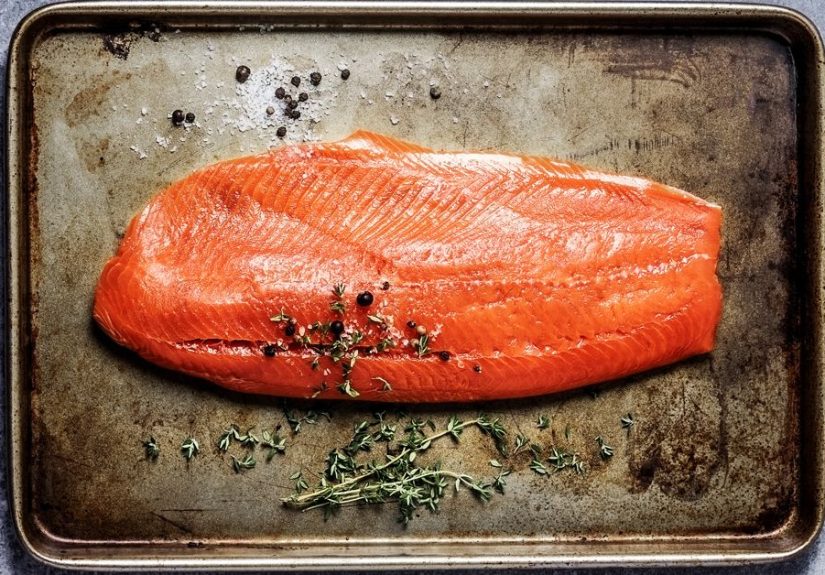
1) Fatty fish and other omega-3 sources
Omega-3 fats are linked to anti-inflammatory effects and may help reduce joint tenderness for some people with PsA.
Aim for fatty fish 2–3 times per week if you eat seafood.
- Salmon, sardines, trout, tuna
- Chia seeds, flaxseed, hemp seeds
- Walnuts
- Edamame (bonus: plant protein)
2) Colorful fruits and vegetables (yes, the “eat the rainbow” thing is real)
Brightly colored produce is packed with antioxidants and plant compounds that support an anti-inflammatory diet.
Berries and leafy greens show up constantly in reputable guidance because they deliver a lot of nutritional “bang”
without being calorie-dense.
- Berries: blueberries, blackberries, strawberries
- Leafy greens: spinach, collards, kale
- Cruciferous veggies: broccoli, cauliflower, Brussels sprouts
- Color pops: bell peppers, carrots, squash, tomatoes
3) High-fiber whole grains (for gut support and steadier blood sugar)
Fiber supports healthy gut bacteria and may help prevent big blood sugar spikes, which can be pro-inflammatory over time.
Whole grains also make meals more fillinghelpful for weight management.
- Oats, barley, quinoa
- Brown rice, farro, whole wheat
- Whole-grain bread or pasta (look for “100% whole”)
4) Beans and lentils (the budget-friendly inflammation fighters)
Legumes are a sweet spot: fiber + plant protein + minerals. They’re also ridiculously versatilesoups, salads, tacos,
bowls, or blended into dips. Your joints don’t care if it’s trendy; they care that it works.
- Lentils, chickpeas, black beans, kidney beans
- Hummus (watch added oils/sodium; otherwise, green-light it)
5) Nuts, seeds, and healthy fats
Anti-inflammatory patterns emphasize unsaturated fatsespecially olive oil, nuts, and seedsover saturated and trans fats.
They also help meals taste good, which is important because “sustainable” tastes better than “strict.”
- Extra-virgin olive oil (as your primary cooking oil)
- Avocados
- Almonds, walnuts, pistachios
- Nut butters (check for added sugar)
6) Lean proteins and plant-based proteins
You don’t need to fear protein; you just want smarter choices. Lean protein supports muscle and helps with fullness.
Plant-based options can reduce reliance on red/processed meat.
- Chicken, turkey
- Tofu, tempeh
- Eggs (if they work for you)
- Greek yogurt or kefir (if tolerated)
7) Fermented foods (for gut-friendly variety)
Gut health is a growing area of interest in inflammatory diseases. Fermented foods can add probiotics and variety.
Keep it simple and watch sugar in flavored yogurts.
- Kefir, plain yogurt
- Sauerkraut, kimchi (watch sodium)
- Miso, fermented pickles
8) Herbs, spices, tea, coffee, and “yes, dark chocolate”
Many anti-inflammatory diet guides include spices like turmeric and ginger and polyphenol-rich foods like tea, coffee,
and dark chocolate (70% cocoa or higher). Use them as supportive add-ons, not miracle cures.
- Turmeric, ginger, cinnamon
- Green or black tea
- Coffee (moderation is your friend)
- Dark chocolate (small portion, high cocoa)
Foods to avoid (or seriously limit) with psoriatic arthritis
“Avoid” is a strong word, so let’s be precise: these foods are commonly associated with higher inflammation, weight gain,
and worse cardiometabolic markers. Many people with PsA report fewer flare-ups or better energy when they reduce them.
Your goal isn’t perfectionyour goal is fewer “inflammation multipliers.”
1) Added sugar and sugary drinks
High sugar intake can contribute to inflammation and weight gain. Sugary drinks are especially sneaky because they deliver
a lot of sugar without filling you up.
- Soda, sweet tea, energy drinks
- Candy, pastries, packaged desserts
- “Healthy” snacks with a sugar costume (granola bars, sweetened yogurt)
2) Ultra-processed foods and refined carbs
Ultra-processed foods tend to be high in refined starches, sodium, added sugars, and unhealthy fatsand low in fiber.
Refined carbohydrates (white bread, many pastries) can spike blood sugar and are often linked to inflammatory patterns.
- Chips, microwave popcorn, packaged snack foods
- Fast food and deep-fried items
- White bread, many sugary cereals, baked goods
3) Processed meats and frequent red meat
Processed meats are repeatedly flagged in anti-inflammatory guidance. Red meat is not “illegal,” but frequent intake
especially fatty cutsadds saturated fat and may worsen inflammatory markers for some.
- Bacon, sausage, hot dogs, deli meats
- Frequent burgers/steaks (especially with friesyour joints see that combo and sigh)
4) Saturated fats, trans fats, and “mystery oils”
Many reputable resources recommend limiting saturated fats (often found in full-fat dairy, butter, fatty cuts of meat)
and avoiding trans fats/partially hydrogenated oils.
- Fried foods, many commercial baked goods
- Butter-heavy meals, high-fat cheese dips
- Anything containing “partially hydrogenated oil”
5) Alcohol (especially heavy or frequent intake)
Alcohol can worsen inflammation, disrupt gut balance, and interfere with overall health goals. If you drink, keep it modest,
and talk with your clinician if you’re on medications that interact with alcohol.
6) High-sodium processed foods
PsA is linked with higher cardiovascular risk, so sodium matters. You don’t need to eat bland foodjust be strategic:
cook more at home, choose “low sodium” versions, and use herbs/spices for flavor.
What about gluten, dairy, and nightshades?
This is where the internet gets… enthusiastic. Here’s the balanced take:
Gluten
If you have celiac disease or true gluten sensitivity, avoiding gluten can help overall inflammation. If you don’t, the evidence
is mixed. If you want to test it, do it as a structured experiment (and don’t replace gluten grains with sugar and starchyour
joints will not be impressed). Some guidance suggests giving a gluten-free trial a few months before judging results.
Dairy
Some people report dairy as a trigger, especially high-fat dairy. Others tolerate low-fat yogurt just fine (and benefit from the protein
and fermented aspect). Consider a short, supervised trial if you suspect it’s an issue.
Nightshades (tomatoes, peppers, eggplant, white potatoes)
Nightshades are nutrient-dense, and strong evidence that they worsen PsA for most people is lacking. But individual sensitivities exist.
If you suspect a trigger, test it with an elimination-and-rechallenge approach rather than banning them forever based on vibes.
The most evidence-backed “diet move” for PsA: healthy weight management
If you only remember one thing from this article, make it this: weight management has some of the strongest evidence for improving PsA outcomes
in people who are overweight or obese. Obesity is associated with higher PsA disease activity and lower odds of achieving minimal disease activity, and weight
reduction strategies have been shown to improve disease activity measures in studies.
The key is how you pursue it: no crash diets, no starvation, no “I only eat air and regret.” Focus on:
- More fiber and protein for fullness
- Fewer ultra-processed calories
- Portion-friendly habits (smaller plates, planned snacks)
- Gentle movement you can stick with (walking, swimming, cycling)
A PsA-friendly sample day of eating (practical, not perfect)
Breakfast
- Oatmeal topped with berries + chia seeds + a spoon of nut butter
- Or: veggie omelet with spinach + side of fruit
Lunch
- Big salad: leafy greens + chickpeas + quinoa + olive oil/lemon dressing + walnuts
- Or: lentil soup + whole-grain toast + cucumber/tomato salad
Dinner
- Salmon + roasted broccoli + brown rice
- Or: tofu/tempeh stir-fry with mixed vegetables + quinoa
Snacks
- Greek yogurt (plain) + cinnamon
- Apple + handful of almonds
- Hummus + carrots
- Dark chocolate square (because joy is also a nutrient)
How to make this stick in real life
Start with swaps, not a total personality transplant
- Swap soda for sparkling water + citrus.
- Swap chips for roasted chickpeas (crunch still counts).
- Swap a few red-meat meals per week for fish, beans, or poultry.
Use the “two-thirds rule”
Make two-thirds of your plate plants (vegetables, beans, fruit, whole grains), and the rest protein and healthy fats.
It’s simple, flexible, and doesn’t require measuring anything except your willingness to chop onions.
Keep a flare-friendly food diary (short-term)
If you suspect triggers, track what you eat and how you feel for 2–4 weeks. Look for patterns, not single incidents.
(One bad day after pizza doesn’t mean pizza is evil. It might mean you slept four hours and fought traffic for a living.)
When you eat out, pick your battles
- Choose grilled/roasted over fried.
- Add a veggie side; ask for sauces on the side.
- Split dessert or skip ityour call, not a moral referendum.
Bonus: of real-world experiences people report (and what to do with them)
Let’s talk about the part no one puts on the nutrition label: the lived experience. While everyone’s PsA is different,
many people report similar “before and after” moments when they change how they eat. These aren’t guaranteesand they’re not a substitute for medical
carebut they can help you set expectations that are realistic, not magical.
1) The “week 1 energy bump” is often about less junk, not a miracle food. People frequently notice steadier energy when they cut back
on sugary drinks and ultra-processed snacks. It’s not that blueberries have superpowers (though they are charming). It’s that blood sugar swings calm down,
hydration improves, and meals contain more fiber and protein. Practical move: try replacing one processed snack per day with fruit + nuts for two weeks.
2) Joints don’t always change firstsometimes digestion does. A higher-fiber diet can improve regularity and gut comfort, especially when it
replaces low-fiber refined carbs. Some people feel less bloated and more “normal” in their stomach before they notice changes in joint stiffness. Practical move:
increase fiber gradually and drink more water, or your gut may send angry emails.
3) “Trigger foods” are usually patterns, not single ingredients. Many people blame one food (gluten! tomatoes! dairy!) when the real problem is
a cluster: pizza night includes refined flour, processed meat, extra cheese, and less sleep. Practical move: if you want to test a trigger, isolate it. Keep the rest
of your diet steady, remove one suspected trigger for a set period, then reintroduce it and watch for a consistent reaction.
4) Weight changeswhen they happenoften correlate with symptom changes. People with PsA who lose weight (especially when starting with overweight/obesity)
often report less stress on knees, ankles, hips, and feet. Some describe fewer “bad joint days” or less morning stiffness. Practical move: focus on consistency: a plant-forward,
protein-inclusive routine, and movement you can repeat without pain flares (swimming and walking get a lot of love here).
5) The biggest win is usually “I can stick with this.” The diets people keep are the ones that include food they actually enjoy. A Mediterranean-style pattern
works partly because it’s flexible: you can eat tacos (bean + veggie tacos are still tacos), pasta (whole grain, veggie-heavy, olive-oil based), and dessert (occasionally, without guilt).
Practical move: pick two new anti-inflammatory meals you like and rotate them. Repetition isn’t boringit’s a strategy.
Finally, a note you deserve to hear: if a dietary change makes you anxious, isolated, or miserable, it’s not “healthy” anymore. The best PsA diet is one that supports your joints,
your heart, and your life.
Conclusion
The most PsA-friendly diet isn’t a trendy rulebookit’s a sustainable, anti-inflammatory pattern: more vegetables, fruits, legumes, whole grains, and healthy fats;
strategic protein (especially omega-3-rich fish or plant alternatives); and fewer ultra-processed, sugary, and saturated-fat-heavy foods. If you’re overweight or obese,
even modest weight loss can be one of the most impactful nutrition-related steps for PsA outcomes. Pair smart eating with movement, sleep, and stress management,
and you’ll be giving your immune system fewer reasons to start drama in your joints.