Table of Contents >> Show >> Hide
- What Counts as a Poultry Serving?
- The Famous 3-Ounce Rule
- How Much Poultry Should You Eat at One Meal?
- Serving Sizes by Poultry Type
- Healthy Poultry Portions vs Label Serving Sizes
- How to Build a Balanced Plate With Poultry
- How Skin, Sauce, and Cooking Method Change the Picture
- Food Safety Still Matters
- Common Poultry Portion Mistakes
- Poultry Serving Size Guide for Real-Life Eating: Experience, Trial, and a Few Honest Kitchen Lessons
- Final Takeaway
- SEO Tags
If you have ever looked at a chicken breast and thought, “That thing is either dinner or a carry-on bag,” welcome. Poultry is one of the most popular protein choices in American kitchens because it is versatile, familiar, and usually easier on the wallet than a steak habit. But knowing how much chicken or turkey actually counts as a serving is where many otherwise confident cooks suddenly start free-styling.
This poultry serving size guide clears up the confusion. We will break down what a serving really means, what 3 ounces of poultry looks like, how much to plate for different meals, and how serving size changes when you are dealing with wings, deli turkey, ground chicken, or a chicken breast the size of a paperback novel. We will also talk about label serving sizes, healthy meal balance, food safety, and the very human tendency to call “half the rotisserie chicken” a light lunch.
What Counts as a Poultry Serving?
In nutrition guidance, poultry usually falls into the protein foods group. A common benchmark is 1 ounce-equivalent of protein foods = 1 ounce of cooked poultry. That means a 3-ounce serving of cooked chicken or turkey counts as about 3 ounce-equivalents of protein.
That is the part people often miss: a serving is a measured amount, while a portion is what you actually put on your plate. Those two numbers do not always shake hands. Your serving may be 3 ounces; your portion at a restaurant may be 7 ounces and a motivational speech.
For everyday meal planning, 3 ounces of cooked poultry is the classic practical serving size. It is large enough to provide solid protein, but not so large that your broccoli starts filing a workplace complaint.
The Famous 3-Ounce Rule
What 3 Ounces Looks Like
If you do not have a food scale handy, portion-size guides give a few simple visual shortcuts:
- The size of a deck of cards
- The size of the palm of your hand, not including fingers
- A small chicken drumstick or a small thigh can land close to that range
- A small cooked breast half may also be around a 3-ounce equivalent, depending on the bird
These visual cues are not perfect, but they are useful when you are packing lunch, ordering out, or standing in your kitchen wondering whether the chicken you just sliced is a serving or an upper-body workout plan.
Why Cooked Weight Matters
Poultry loses moisture during cooking, so raw and cooked weights are not the same. If you want the most accurate measurement, weigh poultry after cooking if your goal is to match a standard cooked serving. This is especially helpful for meal prep, macro tracking, and portion control.
How Much Poultry Should You Eat at One Meal?
There is no single perfect answer for every person. Your best portion depends on your age, appetite, daily calorie needs, activity level, and what else is on the plate. Still, some practical patterns work well for most people:
For a Standard Balanced Meal
3 to 4 ounces of cooked poultry is a smart range for many adults. It gives you a satisfying amount of protein without crowding out vegetables, whole grains, beans, or healthy fats.
For Lighter Meals or Lunches
2 to 3 ounces can work well in a salad, wrap, soup, or grain bowl. When poultry is one ingredient among several, you usually do not need a giant pile of it to build a filling meal.
For Bigger Appetites or Higher Protein Goals
4 to 6 ounces may fit athletes, very active adults, or people who intentionally build higher-protein meals. That can be reasonable, but it is still helpful to watch the rest of the plate. “High protein” should not automatically translate into “accidentally ate half the tray of chicken thighs.”
For Children
Kids usually need smaller portions than adults. A child’s serving may be well below a full adult 3-ounce portion, depending on age and appetite. In real life, smaller slices, shredded chicken, or a few bites mixed into rice, pasta, or vegetables often make more sense than serving a child a full breast and hoping for a miracle.
Serving Sizes by Poultry Type
Chicken Breast
Skinless chicken breast is the poster child of lean protein. A 3-ounce serving is a practical standard and provides a substantial protein boost without much saturated fat. It is also one of the easiest cuts to over-serve because many boneless chicken breasts sold in stores are much larger than 3 ounces once cooked.
In other words, one “single” breast on your plate may actually be two servings, sometimes more. That is not a crime. It is just useful information.
Chicken Thighs and Drumsticks
Dark meat is flavorful, juicy, and easier to forgive if you overcook it a little. It also tends to contain more fat and calories than skinless breast meat, especially if the skin stays on. A small thigh or drumstick can roughly line up with a 3-ounce portion, but size varies a lot. Bone-in cuts also look larger than the amount of edible meat they actually deliver.
If you love thighs, excellent choice. Just remember that the bone is not protein, no matter how emotionally committed you are to the drumstick.
Turkey Breast and Turkey Cutlets
Turkey is another lean option that fits well into healthy meal plans. A 3-ounce cooked serving works just like chicken in most portion guides. Turkey breast is especially easy to use in sandwiches, grain bowls, and leftovers after holidays, when everyone suddenly becomes a turkey-sandwich architect for three straight days.
Deli Turkey
Deli poultry deserves its own note. The serving size on the package may be listed in slices or ounces, and that label serving is useful for nutrition facts. But deli meat can also be high in sodium, even when it is made from turkey or chicken. So while it is still poultry, it should not automatically be treated the same way as plain roasted chicken breast from your own kitchen.
Ground Chicken or Ground Turkey
Ground poultry is convenient for burgers, meatballs, tacos, lettuce wraps, and meal prep bowls. A serving is still best judged by the cooked amount of meat, not by the size of the burger bun or the emotional power of the meatball. If the recipe includes breadcrumbs, cheese, oil, or sauce, the final nutrition profile changes even when the protein portion looks similar.
Chicken Wings
Wings are where serving-size logic goes on vacation. One wing is not one serving of poultry in a meaningful nutrition sense because bones, skin, breading, and sauce all get involved. A wing night can turn into an accidental feast fast, especially when the dipping sauce arrives like it owns the place. If you are trying to estimate intake, focus on edible meat and total meal balance, not wing count alone.
Healthy Poultry Portions vs Label Serving Sizes
Here is one of the biggest reasons people get confused: a healthy serving guide and a packaged-food label are not always trying to do the same job.
Nutrition labels use serving sizes based on what people customarily consume. That helps standardize packaged-food labeling. But a label serving is not a personal instruction from the universe telling you how much you should eat. It is a reference point.
So if a package of breaded chicken strips says one serving is a certain number of pieces, that tells you how the nutrition facts are calculated. It does not automatically mean that portion is ideal for your calorie needs, hunger level, or health goals.
Think of it this way: the label tells you what the numbers mean. Your overall meal plan tells you whether that amount makes sense for you.
How to Build a Balanced Plate With Poultry
A simple way to make poultry serving sizes less confusing is to stop looking at the meat in isolation. Use the plate method instead.
Start with a 9-inch plate:
- Fill half the plate with nonstarchy vegetables
- Fill one quarter with lean protein, such as chicken or turkey
- Fill one quarter with carb foods, such as brown rice, potatoes, pasta, beans, or whole grains
That approach helps keep poultry in a reasonable range without making dinner feel like a math exam. A 3-ounce to 4-ounce serving of poultry fits beautifully into that quarter-plate space for many meals.
Examples of Balanced Poultry Meals
- Grilled chicken breast, roasted broccoli, and brown rice
- Turkey meatballs, marinara, salad, and whole-wheat pasta
- Chicken fajita bowl with peppers, onions, beans, and a modest scoop of rice
- Chopped turkey on a salad with avocado, tomatoes, cucumbers, and a roll
Notice what these meals have in common: the poultry plays a starring role, but it does not kidnap the rest of the cast.
How Skin, Sauce, and Cooking Method Change the Picture
Not all poultry servings are nutritionally identical. The cut, whether the skin is on, and how it is cooked all matter.
Skinless vs Skin-On
Skinless poultry is generally leaner. Keeping the skin on adds flavor, but also more fat and calories. If your goal is heart health or calorie control, skinless cuts are usually the easier choice.
Breast vs Dark Meat
Both are nutritious, but breast meat is usually leaner, while dark meat is richer and more flavorful. A 3-ounce skinless chicken breast is notably lower in fat and calories than the same amount of dark meat without skin. That difference is not enormous in one serving, but it can matter if your portion grows from 3 ounces to “well, I was hungry.”
Grilled vs Fried
A 3-ounce serving of grilled or roasted chicken is not the same as a 3-ounce serving of breaded, fried chicken. Breading, oil, and sauce can add substantial calories, sodium, and fat. The protein is still there, but the total nutrition picture changes fast.
Plain vs Processed
Plain roasted turkey breast and processed deli turkey may both be poultry, but processed options often bring more sodium and additives. Frozen breaded patties, nuggets, and spicy wings can be convenient, but they are not quite the same as a plain home-cooked serving.
Food Safety Still Matters
A perfect portion is useless if the poultry is undercooked. All poultry should reach a safe internal temperature of 165°F. Use a food thermometer and check the thickest part, avoiding bone.
Color alone is not reliable. Clear juices are not a magic truth detector. “It looks done-ish” is not a food safety strategy. Poultry should be cooked safely, then portioned sensibly. Health and common sense make a lovely team.
Common Poultry Portion Mistakes
Mistake 1: Treating One Breast as One Serving
Modern chicken breasts are often much larger than the standard serving size used in nutrition guidance. One breast can easily count as multiple servings.
Mistake 2: Ignoring the Rest of the Plate
A massive chicken portion next to three lonely spinach leaves does not automatically make a healthy meal. Balance matters.
Mistake 3: Forgetting About Bones and Skin
Bone-in cuts look larger, but not all of that weight is edible meat. Skin also changes calories and fat content.
Mistake 4: Assuming Deli Turkey Is the Same as Fresh Turkey
It may be similar in protein, but sodium can be much higher in processed slices.
Mistake 5: Letting Sauce Turn Into a Side Dish
Buffalo sauce, ranch, honey glaze, barbecue sauce, creamy skillet sauce: delightful, but they can quietly shift the calorie count upward.
Poultry Serving Size Guide for Real-Life Eating: Experience, Trial, and a Few Honest Kitchen Lessons
In real kitchens, poultry serving sizes rarely get confusing because people cannot do math. They get confusing because poultry is weirdly inconsistent. One week you buy chicken breasts that look neatly portioned and civilized. The next week you open the package and find something that appears to have been bench-pressing. So the first practical lesson most home cooks learn is this: the label may say “4 breasts,” but that does not mean those four pieces represent four equal servings.
Meal prep teaches this lesson quickly. Many people start by cooking a big batch of chicken on Sunday, dividing it into containers, and assuming each container contains one serving. Then Tuesday arrives, and one lunch has a modest amount of sliced chicken while another looks like it belongs to a linebacker. The fix is simple but boring: weigh or portion the cooked poultry before packing it. Boring, yes. Effective, also yes.
Restaurant meals teach a different lesson. Order a grilled chicken salad and the chicken on top may be closer to two servings than one. Order a turkey sandwich from a deli and the stack of meat may look light, but sodium can sneak up faster than expected. Order wings with friends and suddenly nobody has any idea how much they actually ate because bones, skin, sauce, and social chaos took over. That is why practical portion awareness matters more than memorizing one perfect number.
Families also learn quickly that appetite is not identical from person to person. One adult may feel great with 3 ounces of chicken plus vegetables and rice. Another may genuinely need more because they are taller, more active, or simply eating that as their biggest meal of the day. Kids add another layer of reality. A child might eat two bites of turkey on Monday and ask for seconds, thirds, and maybe a parade on Tuesday. Smaller portions with room for more usually work better than starting with an adult-size plate and negotiating from there.
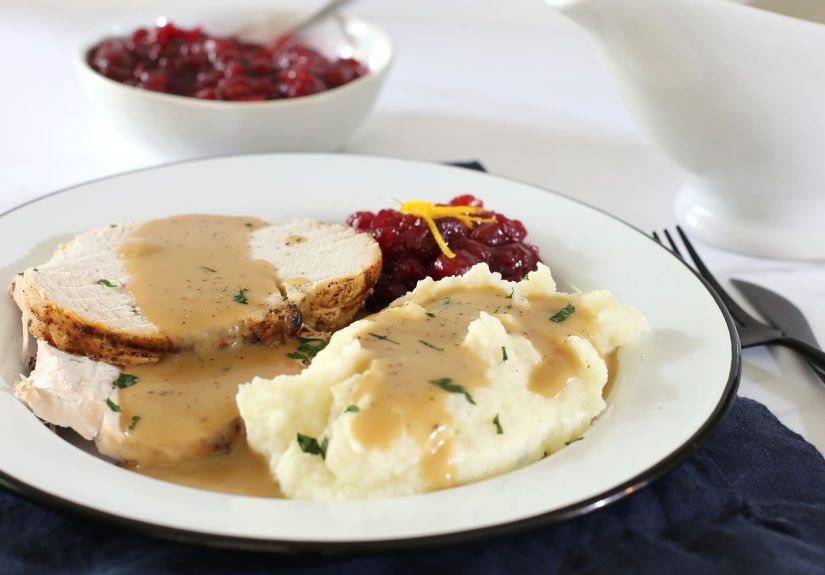
Holiday meals are the grand finale of poultry portion confusion. Turkey arrives, people say they want “just a little,” and then somehow plates end up carrying enough meat for a small frontier settlement. But that experience is helpful too. It reminds us that healthy eating is not about never exceeding a standard serving. It is about knowing what the standard serving is, so your choices are intentional instead of accidental.
The most useful long-term habit is not obsessing over poultry. It is learning to recognize when your portion fits the meal. If the chicken takes over half the plate, it is probably more than a standard serving. If it fits comfortably into a quarter of a 9-inch plate with vegetables and a smart carb, you are likely in a balanced range. That is the sweet spot: enough poultry to satisfy you, support your nutrition goals, and leave room for the rest of dinner to have a personality.
Final Takeaway
If you want one simple answer to remember, here it is: 3 ounces of cooked poultry is the standard go-to serving size for most nutrition guidance. It is roughly the size of a deck of cards or the palm of your hand, fits nicely into a balanced plate, and works for chicken or turkey in many everyday meals.
From there, adjust based on context. A mixed meal may need only 2 to 3 ounces. A higher-protein dinner may reasonably include 4 to 6 ounces. Just remember that labels, restaurants, and giant supermarket chicken breasts can all distort your idea of what “one serving” looks like. Once you learn the visual cues and start thinking in terms of cooked portions, balanced plates, and common-sense meal structure, poultry serving sizes become a lot less mysterious.
And that, finally, is how you stop letting one jumbo chicken breast run your entire nutrition strategy.