Table of Contents >> Show >> Hide
- What Is Pepper Spitz/ Salt Spitz, Exactly?
- Why the Design World Loves It
- Does It Actually Work as a Grinder?
- What Makes It Different from Regular Pepper Mills?
- How to Use Pepper Spitz/ Salt Spitz Well at Home
- Care, Cleaning, and Longevity
- Who Is Pepper Spitz/ Salt Spitz Really For?
- The Real Appeal: Why This Object Stays with You
- Experience Notes: Living with Pepper Spitz/ Salt Spitz
- Conclusion
Note: This publication-ready HTML body intentionally excludes source links and stray citation artifacts.
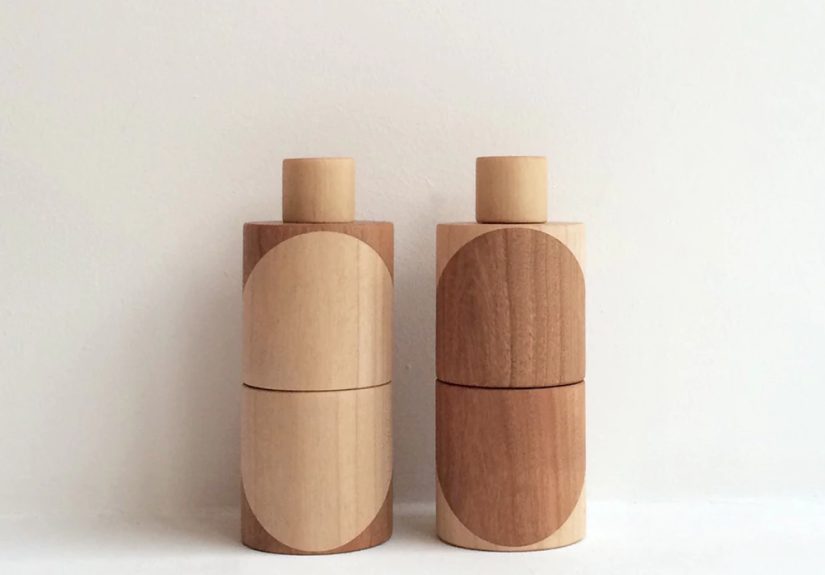
Some kitchen tools are content to be useful. Others are determined to be useful and look like they belong in a design gallery with excellent lighting and a suspiciously expensive stool nearby. Pepper Spitz/ Salt Spitz falls firmly into the second category. At first glance, the name sounds a little like an indie band, a boutique seasoning duo, or a menu item at a restaurant that serves tiny entrées on giant plates. In reality, Pepper Spitz and Salt Spitz are sculptural grinders associated with designer Martino Gamper, and they have become the kind of tabletop object that makes people pause mid-sentence and say, “Wait, what is that?”
That reaction is part of the appeal. These grinders are not trying to disappear into the background like the average supermarket pepper mill. They are meant to be noticed. Their angular, faceted shape takes inspiration from mountain landscapes, and the materials usually follow a clear logic: walnut for pepper, ash for salt. That sounds simple, but it is smart design. Even before you touch them, the pair communicates difference through color, grain, and presence. In a world where salt and pepper shakers often resemble tiny twins with identity issues, that is a welcome improvement.
This article explores what Pepper Spitz/ Salt Spitz actually is, why design-minded cooks and collectors care about it, how it compares with ordinary grinders, and what it is like to live with a kitchen object that manages to be both practical and theatrical. Because yes, it is a grinder. But it is also a small argument for why everyday tools should be allowed to have a personality.
What Is Pepper Spitz/ Salt Spitz, Exactly?
Pepper Spitz/ Salt Spitz is best understood as a sculptural grinder concept rather than a generic kitchen category. The object is tied to Martino Gamper’s wider design practice, which is known for turning familiar forms into something more playful, tactile, and visually alive. In the case of the Spitz grinders, the basic function is familiar: store peppercorns or salt inside, grind from the bottom, adjust texture as needed, and season food. The twist is that the tool has been reimagined as a sharp, vertical wooden form that looks almost architectural.
The typical material pairing matters. Walnut is commonly used for the pepper version, while ash is used for the salt version. That distinction is practical and aesthetic at the same time. The darker walnut makes the pepper grinder easy to identify, while the lighter ash suits salt and keeps the set visually balanced. Many versions use a ceramic grinding mechanism, which is widely respected in the kitchen world because it resists corrosion and allows a more adjustable grind than cheap, disposable mills.
There have been different editions and sizes over time, including a taller original form and shorter versions, but the core idea stays the same: a hand-held grinder that feels like a small carved object. It is functional design with enough visual drama to escape the “just another kitchen tool” category.
Why the Design World Loves It
The secret of Pepper Spitz/ Salt Spitz is that it solves a design problem many home goods never even bother to address: how do you make an object people use every day feel memorable without making it annoying? Plenty of products choose one extreme or the other. Some are blandly practical. Others look incredible and behave like they are doing you a favor by existing. Spitz lands in the sweet spot between those poles.
Its faceted silhouette gives the grinder an almost landscape-like presence on the table. The wood grain keeps each piece from feeling overly polished or sterile. Turn it in your hand and the object changes character with the light, which is a sentence that sounds dramatic until you actually handle a well-made wooden grinder and realize, annoyingly, that it is true. Good design can make even black pepper feel cinematic.
Gamper’s broader reputation also helps explain the attention. He is not simply a maker of kitchen gadgets; he is a recognized designer whose work has circulated through the worlds of furniture, interiors, and contemporary design culture. That background changes how people read the piece. Pepper Spitz/ Salt Spitz is not just a utensil; it is part of a larger conversation about how ordinary domestic objects can carry artistic intent without becoming useless.
And that is why this grinder keeps showing up in stylish interiors, design shops, and editorial roundups. It scratches two itches at once. It works in the kitchen, and it looks like you did not buy it in a panic five minutes before hosting dinner.
Does It Actually Work as a Grinder?
The short answer is yes, and that matters. Beautiful kitchen objects get very little credit if they are frustrating to refill, awkward to grip, or incapable of producing a decent grind. The best U.S. testing on pepper mills consistently emphasizes the same practical concerns: comfort, ease of loading, consistent grind size, and the ability to go from finer pepper to coarser cracks without a wrestling match. Those standards matter whether you are using a sleek steel mill, a classic French silhouette, or something sculptural like Spitz.
Pepper Spitz/ Salt Spitz succeeds because it does not abandon those basics. A ceramic mechanism is a strong choice for a dual salt-and-pepper concept because salt can be harsher on some metal components over time. The ability to adjust grind size also matters more than many people realize. A fine grind behaves differently in a pan sauce than a coarse grind on steak, roasted vegetables, or cacio e pepe. One of the reasons serious home cooks keep reaching for mills instead of pre-ground pepper is simple: freshly ground pepper has more aroma, more punch, and more personality. Pre-ground pepper can do the job in the same way a folding chair can host Thanksgiving dinner. Technically, yes. Spiritually, absolutely not.
There is also a useful philosophical lesson tucked inside the salt-and-pepper pairing. Salt helps food taste more like itself. Pepper tastes like pepper. That distinction is easy to forget when both are sitting together on the table in matching outfits. A set like Pepper Spitz/ Salt Spitz quietly reminds you that these seasonings play different roles. They are partners, not clones.
What Makes It Different from Regular Pepper Mills?
1. It is meant to be seen
Most pepper mills live a humble life near the stove, occasionally traveling to the table like overworked understudies. Pepper Spitz/ Salt Spitz is designed to live out in the open. It contributes to the visual rhythm of a kitchen or dining room even when nobody is seasoning anything.
2. Material becomes part of the message
With ordinary grinders, material is often just a manufacturing decision. Here, wood species help distinguish function. The visual identity of the object is part of its usability.
3. It turns seasoning into a small ritual
There is something different about picking up a weighty wooden form, twisting it, and watching fresh pepper fall over eggs or pasta. It slows you down just enough to notice what you are doing. That sounds poetic, but it also happens to be good cooking. Better tools often create better habits.
4. It sits between utility and collectible design
You can absolutely use it every day. But it also occupies the territory of collectible home design, which means buyers are often paying for craftsmanship, authorship, and aesthetic value in addition to kitchen performance.
How to Use Pepper Spitz/ Salt Spitz Well at Home
If you are going to own a grinder this distinctive, it makes sense to use it in a way that honors the object rather than treating it like a cranky background extra.
For the pepper grinder, whole black peppercorns are the obvious starting point, but not all peppercorns taste the same. Their flavor can vary by origin and style, with some tasting more floral or citrusy and others leaning woodsy, earthy, or sharp. That means the grinder is not just a delivery system; it becomes a tool for exploring flavor. Switch peppercorns and you subtly change the personality of your food.
For the salt grinder, use dry salt crystals suited to grinding. Keep moisture away from both pieces, especially the salt side. Refill carefully, avoid overpacking, and adjust grind size based on what you are cooking. Finer seasoning works well for sauces, eggs, and finishing delicate dishes. Coarser grinds shine on tomatoes, steaks, grilled vegetables, and anything that benefits from texture.
And perhaps most important of all: keep the pair somewhere you will actually reach for it. The finest grinder in the world cannot season a single potato if it has been hidden behind protein powder, three half-empty vinegars, and a baking dish you only use when relatives visit.
Care, Cleaning, and Longevity
Wooden kitchen tools age beautifully when they are treated properly and dramatically when they are not. Pepper Spitz/ Salt Spitz is not the kind of object you toss into the dishwasher and hope for the best. Hot water, prolonged soaking, and harsh cleaning can dry wood out, warp it, crack it, and shorten its life. The best care routine is also the least glamorous: wipe it down, keep it dry, and avoid exposing it to extreme moisture.
If the exterior needs cleaning, a soft cloth, mild soap, and quick drying are your friends. For the wood itself, occasional conditioning with food-safe mineral oil helps prevent drying and keeps the finish looking healthy. Avoid cooking oils for conditioning, since they can turn sticky or rancid over time. If the wood ever develops cracks, persistent odors, or signs of structural wear, treat that as a warning rather than a quirky personality trait. A sculptural grinder should not become a rustic science experiment.
With sensible care, though, this kind of piece can last for years. In fact, that long life is part of the appeal. Unlike disposable spice grinders, Pepper Spitz/ Salt Spitz belongs to the slower, better category of kitchen ownership: buy less, choose well, use often, maintain kindly.
Who Is Pepper Spitz/ Salt Spitz Really For?
This is not the grinder for someone who wants the cheapest possible route from peppercorn to pasta. There are many competent, affordable mills for that job. Pepper Spitz/ Salt Spitz is for people who care about daily rituals, material quality, and the atmosphere of their home. It is for the cook who notices grain patterns. It is for the host who enjoys having one object on the table that sparks conversation before the salad even arrives. It is for the design lover who wants useful things, not useless sculptures pretending to be useful things.
It is also a strong gift idea for the person who already has the obvious kitchen gear. Knives? Check. Dutch oven? Check. Fancy olive oil they describe as “peppery” with a straight face? Absolutely. A sculptural walnut-and-ash grinder set, however, still has the power to surprise.
The Real Appeal: Why This Object Stays with You
In a crowded market of kitchen accessories, Pepper Spitz/ Salt Spitz stands out because it does not separate beauty from use. It insists that the things we touch every day can be more thoughtful than they need to be. That may sound lofty for a salt-and-pepper set, but kitchens are full of small repeated actions. Open. Stir. Slice. Grind. Serve. When one of those actions feels slightly better, the whole room gets a little better too.
And that is the magic here. Not magic in the fairy-tale sense. More in the “why does seasoning dinner suddenly feel elegant?” sense. Which, in a well-designed home, is close enough.
Experience Notes: Living with Pepper Spitz/ Salt Spitz
Living with Pepper Spitz/ Salt Spitz is different from living with a generic grinder in the same way eating from a well-made ceramic bowl feels different from eating from a container you saved from takeout soup. The function may be technically similar, but the emotional weather is not. These grinders have presence. They ask to be handled, not ignored.
On an ordinary weeknight, that presence changes small moments more than you might expect. You reach for the walnut pepper grinder while finishing scrambled eggs, and the motion feels deliberate rather than automatic. You set the ash salt grinder next to a bowl of sliced tomatoes, and suddenly the table looks composed, as if the meal had a plan all along. This is the kind of design experience people often underestimate. They imagine “beautiful” objects matter only when guests come over. In reality, the biggest impact happens on random Tuesdays, when a well-made tool rescues routine from feeling disposable.
There is also a tactile pleasure to the piece that photographs cannot quite capture. The faceted form gives your hand something to understand. It is not slippery, not overly slick, and not shapeless. It feels carved rather than merely manufactured. In a kitchen full of smooth glass, cold steel, and synthetic surfaces, that bit of wood grain feels almost rebellious. It reminds you that a kitchen can still contain objects with warmth.
At dinner parties, Pepper Spitz/ Salt Spitz becomes a quiet conversation starter. Someone inevitably picks one up and asks what it is. Another person turns it over and discovers the grinder mechanism. Someone else says, “Wait, this is salt?” in the tone usually reserved for magic tricks and surprise engagements. The object earns its keep before it even seasons the food. Good hosting is often about giving people small points of attention, little places for curiosity to land. This set does that beautifully.
There is humor in the experience too. Owners of sculptural homeware like to imagine they have transcended everyday chaos, but the truth is still charmingly human. You will sometimes grab the wrong grinder when distracted. You will refill it while trying not to spill peppercorns all over the counter like tiny rebellious marbles. You may even catch yourself polishing it before guests arrive and realize, with mild embarrassment, that you are grooming a pepper mill. This is fine. This is what love looks like in a design-forward kitchen.
Over time, the appeal deepens rather than fades. Because Pepper Spitz/ Salt Spitz is not flashy in a loud or trendy way, it avoids the fate of many stylish kitchen accessories that feel dated after six months. It becomes part of the room’s rhythm. You notice the wood aging slightly. You get used to the satisfying grind. You begin to associate it with favorite dishes, long lunches, pasta nights, good bread, and the kind of dinner conversations that go on longer than planned. That is when an object stops being a purchase and starts becoming part of domestic memory.
So yes, it is a salt-and-pepper grinder. But living with it feels a little larger than that. It feels like a vote for keeping useful things interesting, tactile, and worth noticing. Which is not a bad philosophy for a kitchen, or for life, honestly.
Conclusion
Pepper Spitz/ Salt Spitz succeeds because it honors both sides of the kitchen equation: performance and pleasure. It works as a grinder, it looks remarkable on the table, and it turns seasoning into a more intentional act. For home cooks who appreciate good tools and better design, it offers something rare: an object that is practical enough for everyday use and distinctive enough to feel special every single time.