Table of Contents >> Show >> Hide
- What Are Paraffin Candles?
- Why Paraffin Wax Became So Popular
- Key Benefits of Paraffin Candles
- Are Paraffin Candles Safe?
- Paraffin Candles and Indoor Air Quality
- Paraffin vs. Soy, Beeswax, and Other Candle Waxes
- How to Choose Better Paraffin Candles
- Best Practices for Burning Paraffin Candles
- Common Problems with Paraffin Candles
- Are Paraffin Candles Eco-Friendly?
- Who Should Choose Paraffin Candles?
- Practical Examples: Where Paraffin Candles Work Well
- Experience Notes: Living with Paraffin Candles in Real Homes
- Conclusion
- SEO Tags
Paraffin candles are the dependable jeans of the candle world: familiar, affordable, widely available, and surprisingly good at showing up for almost every occasion. They sit on coffee tables during cozy movie nights, glow beside bathtubs when someone is pretending the laundry pile does not exist, and appear in emergency drawers with the quiet confidence of a tiny wax superhero.
But paraffin candles also come with questions. What exactly is paraffin wax? Are paraffin wax candles safe? Why do they hold fragrance so well? How do they compare with soy, beeswax, coconut, or palm wax? And why does one candle burn beautifully while another behaves like a smoky little campfire in a jar?
This guide takes a clear, practical look at paraffin candles: what they are, how they work, their benefits, their drawbacks, how to burn them safely, and how to choose better candles for your home. No fearmongering, no wax-snobbery, and no pretending that every candle needs a lifestyle coach.
What Are Paraffin Candles?
Paraffin candles are candles made primarily from paraffin wax, a petroleum-derived wax that became a major candle-making material in the 19th century. Paraffin wax is typically white or colorless, solid at room temperature, and easy to blend with dyes, fragrance oils, and additives. That versatility is one reason paraffin remains one of the most common candle waxes used in commercial candles today.
In simple terms, paraffin wax is a refined wax separated during petroleum processing. Before anyone panics at the word “petroleum,” remember that refinement and intended use matter. Paraffin wax is used in many industries, including candles, packaging, cosmetics, and certain food-related applications. Candle-grade paraffin is formulated for burning, shaping, coloring, and holding scent.
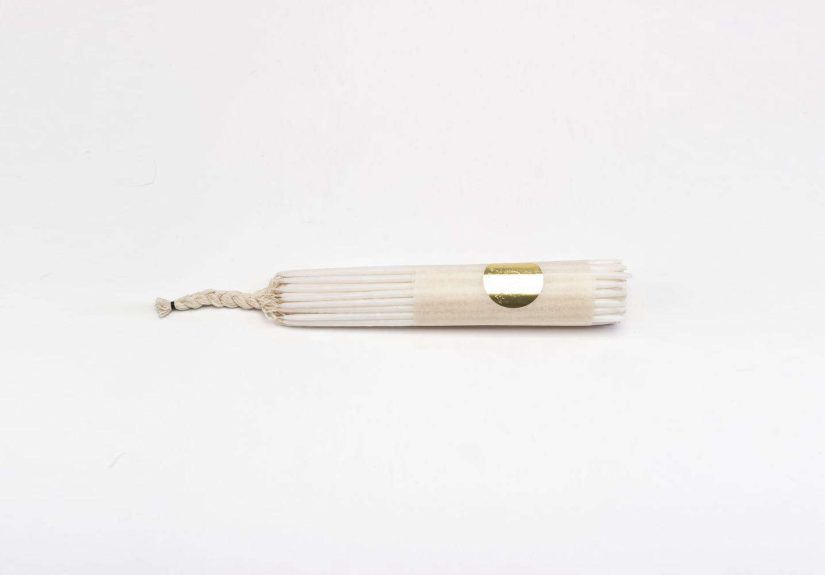
For candle makers, paraffin wax is popular because it behaves predictably. It melts consistently, accepts fragrance well, produces vivid colors, and can be made into jar candles, pillar candles, votives, tealights, tapers, and decorative shapes. Basically, if you have seen a candle in a store, paraffin has probably auditioned for that role.
Why Paraffin Wax Became So Popular
Before paraffin, candles were often made from tallow, beeswax, or other natural fats and waxes. Tallow candles were useful but could smell unpleasant. Beeswax burned beautifully but was more expensive. Paraffin offered a cleaner-looking, more affordable, and more scalable option for households and manufacturers.
Its rise made candles more accessible to everyday consumers. Even after electric lighting became standard, candles remained useful for ambiance, ceremonies, decoration, fragrance, emergency lighting, and the occasional “I am having a peaceful evening” performance staged five feet away from a phone charger.
Key Benefits of Paraffin Candles
1. Strong Fragrance Throw
One of the biggest reasons people love paraffin candles is fragrance throw. In candle language, “throw” means how well a candle spreads scent. Paraffin wax usually holds and releases fragrance oils very effectively, both when the candle is cold and when it is burning.
This makes paraffin a favorite for scented candles. Vanilla, sandalwood, apple cinnamon, clean linen, ocean breeze, pumpkin whatever-season-it-is-nowparaffin can carry them all with confidence. For people who want a candle that actually perfumes a room instead of whispering “maybe lavender?” from across the table, paraffin can be a strong choice.
2. Bright Colors and Smooth Finishes
Paraffin wax accepts dyes well, which is why many colorful candles are made with paraffin or paraffin blends. It can produce bold reds, deep blues, elegant creams, and dramatic black candles without much fuss. Its smooth texture also makes it attractive for decorative candles and molded designs.
This matters for retailers and home decorators. A candle is not just a light source; it is also a design object. If the candle looks like it belongs in a magazine photo next to a ceramic vase and a book nobody has opened, paraffin may be part of the reason.
3. Affordable and Widely Available
Paraffin candles are usually more affordable than many specialty wax candles. Because paraffin has been used at scale for a long time, manufacturers know how to source it, blend it, and produce consistent candles from it.
This affordability makes paraffin candles popular for weddings, restaurants, religious settings, holiday décor, emergency supplies, and everyday home fragrance. When you need dozens of candles for an event, paraffin often makes the budget breathe a small sigh of relief.
4. Versatile for Different Candle Styles
Paraffin can be formulated for many candle types. Softer paraffin blends work well in containers, while harder blends can be used for pillars, tapers, and molded candles. This flexibility gives candle makers more control over burn time, hardness, scent strength, appearance, and texture.
That is why paraffin wax candles appear in so many forms: elegant dinner tapers, tiny tealights, big three-wick jars, birthday candles, novelty shapes, and classic white pillars that make a dining table look like it has its life together.
Are Paraffin Candles Safe?
The honest answer is: paraffin candles can be used safely when they are well-made, properly burned, and handled like open flames instead of decorative pets. The biggest everyday risk from any candle is fire, not the wax type. A candle is a small controlled flame, and “controlled” is the important word doing a lot of work here.
There has been public debate about whether paraffin candles release harmful chemicals when burned. Burning any candle can release small amounts of soot, volatile organic compounds, and particulate matter, especially if the flame is too large, the wick is too long, the candle is in a draft, or the candle is burned improperly. Indoor air quality experts generally recommend ventilation and source control, especially for people with asthma, respiratory sensitivity, or small rooms with poor airflow.
At the same time, reputable candle industry sources note that properly manufactured candles, when used as directed, have not been proven by peer-reviewed evidence to be uniquely harmful simply because they use paraffin wax. A sensible middle ground is best: do not panic, but do not burn candles carelessly in a sealed room for hours while your smoke detector wonders if it should update its résumé.
Paraffin Candles and Indoor Air Quality
Indoor air quality matters because modern homes can trap pollutants from cooking, cleaning products, fireplaces, incense, candles, and outdoor air that sneaks inside. Candles can contribute to indoor particulate matter, especially when they smoke or soot. That does not mean you must throw away every candle and live under fluorescent lights forever. It means candle habits matter.
For better indoor air quality, burn candles in a ventilated space, keep the wick trimmed, avoid drafts, and extinguish candles that smoke heavily. If you notice headaches, coughing, watery eyes, or breathing discomfort when burning scented candles, stop using them and consider unscented options or flameless alternatives.
People with asthma, allergies, chronic lung conditions, or strong fragrance sensitivity may want to be more cautious with all scented candles, not only paraffin candles. Fragrance load, wick design, dye, room size, burn time, and airflow can all affect the experience.
Paraffin vs. Soy, Beeswax, and Other Candle Waxes
Paraffin vs. Soy Wax
Soy wax is plant-based and popular with buyers who prefer renewable materials. It often burns more slowly and has a softer, creamier appearance. However, soy wax may not always deliver fragrance as strongly as paraffin, and it can be more sensitive to temperature changes, frosting, and surface texture issues.
Paraffin usually wins on bold scent throw, vivid color, and design flexibility. Soy often wins with shoppers who value plant-based ingredients and a softer aesthetic. Neither wax is magically perfect. Candle makers often blend waxes because, like a good group project, each material brings a different strength.
Paraffin vs. Beeswax
Beeswax is natural, subtly honey-scented, and loved for its long burn time and warm golden color. It is also typically more expensive. Beeswax candles can be beautiful, but they may not be ideal if you want strong added fragrance because their natural aroma already has personality.
Paraffin is more neutral, less costly, and easier to color and scent. Beeswax feels artisanal and traditional; paraffin feels practical and adaptable. One is a rustic farmhouse breakfast. The other is a reliable department-store blazer.
Paraffin vs. Coconut and Blended Waxes
Coconut wax and coconut blends are popular in premium candles because they can create creamy tops, elegant burns, and strong fragrance performance. However, pure coconut wax is often too soft on its own, so it is commonly blended with other waxes, including soy, beeswax, or paraffin.
Many modern candles are not made from a single wax at all. A “soy candle” may include other vegetable waxes. A luxury candle may use a custom blend. A paraffin blend may be designed to improve scent throw, reduce shrinkage, or create a smoother finish. The label tells part of the story, but performance tells the rest.
How to Choose Better Paraffin Candles
Not all paraffin candles are equal. A high-quality paraffin candle should burn evenly, smell pleasant without overwhelming the room, produce minimal visible soot, and come with clear safety instructions. Poorly made candles may tunnel, smoke, crack glass containers, drown their wicks, or smell like someone argued with a perfume factory.
When shopping, look for candles from reputable brands that provide burn instructions and safety labels. Choose sturdy containers, centered wicks, clean wax surfaces, and fragrances that do not smell harsh before lighting. Avoid candles with loose decorations near the wick, glittery toppings that may interfere with burning, or containers that look too fragile for heat.
If you buy handmade candles, support makers who test their products carefully. Good candle making involves more than melting wax and hoping the universe handles the rest. Wick size, jar diameter, fragrance load, wax blend, dye, and burn testing all affect safety and performance.
Best Practices for Burning Paraffin Candles
Trim the Wick
A long wick can create a tall flame, extra soot, uneven burning, and a hotter container. Trim the wick before lighting, following the candle maker’s instructions. A short, properly maintained wick helps the candle burn more cleanly and evenly.
Let the Wax Pool Reach the Edges
For container candles, the first burn matters. Allowing the melted wax pool to reach close to the edge of the container helps reduce tunneling. Tunneling happens when the candle burns down the middle and leaves a wall of unused wax around the sides, which is tragic in the small but annoying way only wasted candle wax can be.
Keep Candles Away from Drafts
Drafts from windows, fans, vents, or busy walkways can make a flame flicker. Flickering may look atmospheric, but it can cause uneven burning and soot. Place candles on stable, heat-resistant surfaces away from moving air and anything that can catch fire.
Never Leave a Candle Unattended
This rule is not decorative. Never leave a burning candle alone, and never fall asleep with a candle burning. Keep candles away from curtains, books, paper, bedding, plants, pets, and curious hands. A candle does not need a dramatic villain origin story; it just needs one bad placement.
Common Problems with Paraffin Candles
Soot on the Jar
Black soot on glass usually means the candle is not burning optimally. The wick may be too long, the candle may be in a draft, or the formulation may not be balanced. Extinguish the candle, let it cool, trim the wick, clean the rim, and relight it in a calmer location.
Tunneling
Tunneling often happens when a candle is burned for too short a time, especially during the first burn. The wax develops a narrow melt pattern and keeps following it. To avoid this, give container candles enough time to create a broad melt pool, while still respecting the manufacturer’s maximum burn-time recommendation.
Weak Scent
If a paraffin candle has weak scent, the issue may be fragrance quality, fragrance load, room size, airflow, or candle design. A small candle cannot realistically fragrance a giant open-concept living room unless it has supernatural ambitions.
Overpowering Scent
On the other hand, some candles are too strong. If a fragrance feels heavy, cloying, or irritating, burn it for shorter periods, move it to a larger space, or choose lighter scents. Home fragrance should make a room feel welcoming, not like a department store perfume counter has declared martial law.
Are Paraffin Candles Eco-Friendly?
Paraffin wax comes from petroleum, a nonrenewable resource, so it is not usually marketed as the most eco-friendly candle wax. Buyers who prioritize renewable materials often choose soy, coconut, beeswax, or other plant-based blends. However, sustainability is not only about wax origin. It also includes packaging, shipping distance, container reuse, production practices, fragrance sourcing, and how completely the candle burns.
A poorly performing “natural” candle that tunnels and wastes half its wax is not automatically a sustainability champion. A well-made candle in a reusable glass container may be a better practical choice than a trendy candle with excessive packaging. The greenest candle is often the one you use safely, fully, and thoughtfully.
Who Should Choose Paraffin Candles?
Paraffin candles are a good fit for shoppers who want strong fragrance, bold colors, decorative shapes, and affordable options. They are especially useful for events, seasonal decorating, emergency kits, and rooms where scent performance matters.
They may not be the best choice for people who avoid petroleum-derived products, prefer plant-based waxes, or are highly sensitive to fragrance and smoke. In those cases, unscented beeswax, carefully made soy candles, or flameless candles may be better options.
Practical Examples: Where Paraffin Candles Work Well
For a dinner table, unscented paraffin tapers can add atmosphere without competing with the food. Nobody wants a beautiful pasta dinner interrupted by a candle shouting “fresh linen” into the marinara.
For holiday decorating, paraffin pillars and votives offer color consistency and affordability, especially when you need several candles across mantels, tables, and entryways. Just keep them away from garlands, ribbons, wrapping paper, and anything else that could turn festive into frantic.
For home fragrance, paraffin jar candles can work well in living rooms, bathrooms, and bedrooms when used responsibly. Choose a scent strength that matches the room size. A small powder room does not need a three-wick cinnamon thunderstorm.
For emergencies, plain paraffin candles can provide backup light, although battery-powered lanterns are often safer and more practical. If candles are part of an emergency kit, store them with matches or a lighter in a safe place, away from heat, children, and pets.
Experience Notes: Living with Paraffin Candles in Real Homes
After using paraffin candles in different settings, one lesson becomes clear: performance depends less on candle drama and more on candle habits. A well-made paraffin candle can feel wonderfully simple. Light it, let it settle into a steady flame, and suddenly the room looks calmer, warmer, and slightly more expensive than it did five minutes earlier.
In a small apartment, paraffin candles with strong fragrance can be both a blessing and a tiny aromatic bulldozer. A vanilla candle may feel cozy for the first hour, but if the room has little ventilation, the scent can become too sweet. The best approach is moderation. Burn the candle long enough to enjoy it, then give the room some fresh air. Your nose will thank you, and so will anyone who does not want to smell like frosted cake for the rest of the evening.
In larger living rooms, paraffin candles often shine because of their scent throw. A single quality jar candle can make the space feel finished, like someone vacuumed under the couch even if they absolutely did not. Woodsy scents, amber blends, light citrus, and soft musk fragrances tend to work especially well because they spread without feeling too heavy.
For dinner parties, experience says unscented is usually the smarter choice. Food already has an aroma, and it deserves the spotlight. A heavily scented candle beside a cheese board can create a confusing sensory situation. Is that brie, sandalwood, or a vanilla cupcake having an identity crisis? Unscented paraffin tapers or votives provide the glow without joining the menu.
Another real-world lesson is that wick care changes everything. People often complain that a candle smokes, burns too fast, or leaves black marks on the jar, but the wick has been allowed to grow into a tiny torch. Trimming the wick, avoiding drafts, and stopping the burn when the container gets too hot can make the same candle behave much better. Candle care is not complicated, but it does ask for thirty seconds of attention.
Paraffin candles are also useful for styling. White pillars on a tray, cream tapers in brass holders, or a deep-colored jar candle on a bookshelf can make a room feel intentional. The trick is to decorate with safety in mind. Keep candles away from dried flowers, paper stacks, curtains, and decorative objects that lean too close. Beautiful décor should not require a fire extinguisher as a co-star.
The most satisfying paraffin candle experience comes from choosing the right candle for the right moment. Use a strong scented jar candle when you want home fragrance. Use unscented tapers when food is involved. Use small votives for short gatherings. Use flameless candles where kids, pets, or sleepy people are part of the scene. Paraffin candles are not perfect, but when treated with common sense, they are practical, affordable, and genuinely enjoyable.
In the end, paraffin candles are like many household favorites: best when used wisely. They can add beauty, fragrance, comfort, and ritual to ordinary days. They can make a Tuesday night feel softer and a holiday table feel complete. Just respect the flame, choose quality products, and remember that the candle is there to improve the moodnot test your smoke alarm’s emotional resilience.
Conclusion
Paraffin candles remain popular because they are affordable, versatile, colorful, and excellent at carrying fragrance. They are not the only option, and they may not satisfy every sustainability preference, but they still have a strong place in modern homes. The key is to choose reputable candles, burn them correctly, ventilate when needed, and treat every flame with respect.
Whether you prefer elegant tapers, cozy jar candles, decorative pillars, or simple emergency candles, paraffin wax offers reliable performance when used thoughtfully. It is not a miracle wax, and it is not a villain in a tiny glass jar. It is a practical candle material with real strengths, a few limitations, and one very clear rule: never leave it burning unattended.