Table of Contents >> Show >> Hide
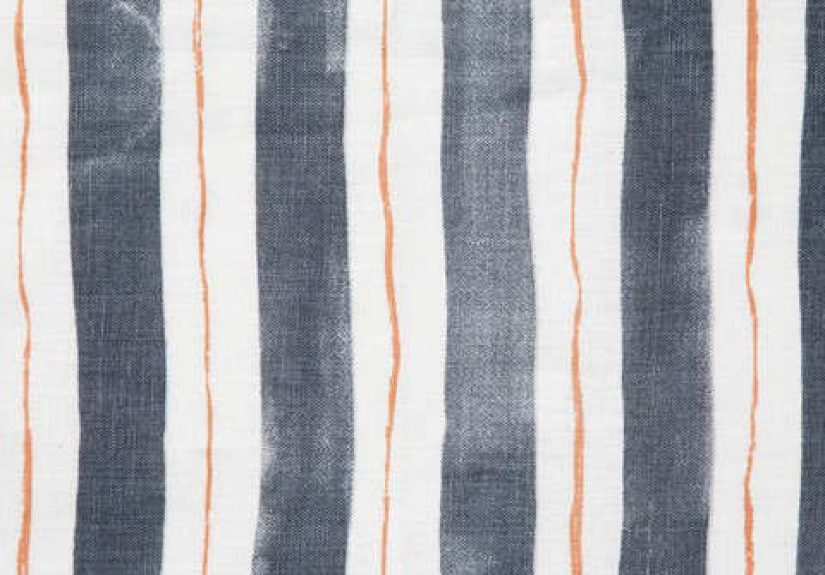
If neutrals alone make your room feel like a black-and-white movie, a painted stripe in gray and tangerine is the plot twist your walls have been waiting for. Gray brings calm and sophistication, while tangerine adds energy, warmth, and a little bit of “did we just hire a designer?” drama. Used together in painted stripes, they can completely change the mood of a space without requiring a full gut renovation.
In this guide, we’ll break down why gray and tangerine work so well together, how to plan and paint a striped feature wall, and where to use this bold combo in your home. We’ll finish with real-world style ideas and hands-on lessons from people who have lived with this palette (and survived to rave about it).
Why Gray and Tangerine Are Such a Good Team
The psychology behind the colors
Color experts often describe orange tones as energetic, optimistic, and social. They’re great for spaces where you want conversation, creativity, or movement. Tangerine, a vivid, slightly red-leaning orange, has been called “magnetic,” “spirited,” and “sunset-like” by designers and paint brands because it feels warm and exciting without tipping into neon chaos.
Gray, on the other hand, is the chill friend in the group. In interior design, gray is associated with practicality, elegance, and calm. It’s a diplomatic neutral that sits comfortably between black and white and lets bolder colors shine without competing with them.
Put together, gray and tangerine create a powerful contrast: gray grounds the room, while tangerine wakes it up. The result is a space that feels modern and energetic but not overwhelmingespecially when you confine the tangerine to painted stripes instead of every wall.
Why stripes, specifically?
Stripes are one of those patterns that never really go out of style. Designers like them because they:
- Guide the eye. Vertical stripes can make ceilings feel higher, while horizontal stripes can visually widen a narrow room.
- Create rhythm. Repeated lines bring structure and order, which pairs nicely with a strong color like tangerine.
- Feel custom. A striped wall looks like a design choice, not an accident. It’s a simple DIY that instantly gives “boutique hotel,” not “first apartment with leftover paint.”
Planning Your Gray & Tangerine Stripe Wall
Step 1: Choose your gray and your tangerine
Not all grays and oranges like each other. To keep your painted stripe scheme harmonious:
- Decide on undertones. A cool, blue-based gray will feel crisp next to a punchy tangerine. A warmer, greige tone will soften the contrast and make the room cozier.
- Pick a tangerine with depth. Look for a reddish-orange that’s saturated but not fluorescent. These “sunset” oranges tend to age better and work in more lighting conditions.
- Test in real light. Paint sample swatches of your gray and tangerine side by side on the same wall. Check them morning, afternoon, and evening. A color that looks perfect at noon can turn moody or muddy at night.
Step 2: Decide the mood of the room
Before you tape a single stripe, think about how you want the space to feel:
- Energetic and bold: Bigger, thicker tangerine stripes with narrower gray stripes or a solid gray background will give a more dramatic, graphic look.
- Subtle and sophisticated: Make gray your main color and use thinner tangerine stripes spaced wider apart. You get a pop of fun without overwhelming the room.
- Playful but balanced: Alternate even-width gray and tangerine stripes, but keep the tangerine slightly softer and avoid painting every wall with stripes.
Step 3: Map out your stripe layout
A good stripe wall always starts with math. Don’t worryit’s easy math:
- Measure the height (for horizontal stripes) or width (for vertical stripes) of your wall in inches.
- Decide how many stripes you want.
- Divide total height or width by the number of stripes to get the stripe size.
For example, if your wall is 96 inches high and you want eight horizontal stripes, each stripe will be 12 inches tall. Use a tape measure and a level to lightly mark your stripe boundaries with a pencil before you tape.
How to Paint Clean Gray & Tangerine Stripes
1. Prep like a pro
Start with a clean, smooth wall:
- Wash off dust and grease, especially in kitchens or kids’ rooms.
- Patch nail holes and sand any bumps.
- Paint the entire wall in your base color firstusually gray, since it’s calmer and easier to live with if you ever change the stripe color later.
2. Measure and tape your stripes
Use a good-quality painter’s tape, a tape measure, and a level (or laser level if you have one). Mark your stripe edges in pencil, then apply tape just outside the stripe area where the tangerine will go. This keeps your stripe the correct width.
Pro tip: Label the stripes “G” for gray and “T” for tangerine in pencil. When you’re staring at a wall full of blue tape, it’s surprisingly easy to forget which color goes where.
3. Seal the tape for crisp lines
One professional trick is to “seal” the tape with your base color (gray) before adding the tangerine. Lightly brush a small amount of gray along the tape edges and let it dry. If anything bleeds under the tape, it will be gray, not orange. After that, roll on your tangerine stripe paint.
4. Paint the tangerine stripes
Apply two thin coats of tangerine rather than one heavy coat. Thin coats dry more evenly and are less likely to peel when you remove the tape. Use a small roller for the interior of the stripe and an angled brush for the edges.
5. Remove tape at the right moment
Peel the tape off while the tangerine paint is still slightly wet. Pull it back on itself at a 45-degree angle. If you wait until the paint is fully dry, you’re more likely to pull off flakes or create jagged edges.
Where to Use Gray & Tangerine Stripes
Living rooms and family rooms
A gray and tangerine stripe can make an amazing statement wall behind a sofa or media unit. The gray offers a calm backdrop for everyday life, while the tangerine stripes pick up accent colors from throw pillows, art, or a rug. This combo works especially well if your furniture is neutralthink gray or beige sofasbecause the stripes add character without requiring you to replace everything.
Kids’ rooms and playrooms
Tangerine has a playful, upbeat energy that kids often love, and gray keeps it from feeling like a toy store exploded. Horizontal stripes midway up the wall with solid gray above or below can create a fun “racing stripe” effect without overstimulating the space.
Home offices and creative studios
If you want a workspace that feels focused but not boring, a gray-and-tangerine stripe behind your desk can be a great compromise. Gray encourages concentration, while tangerine can boost creativity and motivation. Keep the rest of the palette simplewhite shelves, wood desks, maybe a plant or twoso the stripes remain the star.
Hallways, entryways, and stairs
These are perfect “test” zones for a bold idea. A striped wall in the entry can make a compact space feel intentional and pulled-together. On stair walls, vertical gray and tangerine stripes can elongate the space and make the transition between floors more interesting.
Styling a Gray & Tangerine Stripe Room
Balancing the rest of the palette
Once the stripes are in place, bring in supporting players:
- Neutrals: White, cream, black, and natural wood help balance the vivid orange.
- Accent colors: Navy, teal, charcoal, soft blush, and warm metallics like brass or gold pair beautifully with gray and tangerine.
- Patterns: Geometric prints, stripes in smaller scales, or simple botanicals can echo the lines without competing.
Textures that make it feel elevated
To keep your striped wall from veering into “sports team locker room” territory, layer in rich textures:
- Chunky knit throws in gray or cream
- Velvet tangerine or charcoal pillows
- Natural jute or wool rugs
- Matte black or brushed brass lighting
Texture adds depth and softness, which is especially helpful when using strong color contrasts.
Common mistakes to avoid
- Too many stripes. A single feature wall is usually plenty. Wrapping stripes around every wall can make the room feel busy and disorienting.
- Clashing undertones. A very cool gray plus a muddy, brownish orange can feel off. Always test samples together first.
- Ignoring lighting. A deep tangerine stripe in a north-facing room with limited natural light may read darker and more intense than you expect. Adjust your shade or stripe width accordingly.
Real-World Experiences with Gray & Tangerine Stripes
Living with the look: what people notice first
People who’ve tried gray and tangerine stripes in their homes often say the same thing: guests comment on the wall immediately. The combination feels intentional and designed, even if the project was done over a weekend with painter’s tape and patience.
In living rooms, a striped gray-and-tangerine feature wall tends to become a backdrop for photos, Zoom calls, and family events. It has personality without being so specific that it clashes with seasonal décorholiday garlands, fall pumpkins, or spring florals all stand up just fine against that mix of neutral gray and warm orange.
How the combo holds up over time
One of the biggest advantages of this color scheme is flexibility over time:
- Changing accent colors is easy. Swap orange pillows for navy, teal, mustard, or even blush, and the wall still works because gray acts as a universal neutral and tangerine reads as a “happy accent.”
- It transitions well between styles. The same gray-and-tangerine stripe wall can feel modern with sleek furniture, playful with mid-century pieces, or cozy with rustic wood and woven baskets.
- It ages better than trend-heavy patterns. Unlike some very specific wallpaper prints, simple stripes rarely look dated; you can always adjust the room around them.
Lessons learned from DIY painters
People who’ve painted their own stripe walls often share a few recurring tips:
- Don’t skimp on tape. High-quality painter’s tape is worth the slight cost increase. It makes the difference between crisp, designer-looking stripes and wobbly, touch-up-heavy ones.
- Measure twice, tape once. Most “crooked” stripes are really just slightly off measurements. Take your time marking, and use a level even if you think your ceiling or floor is straight (spoiler: many aren’t).
- Step back often. Every few stripes, step back across the room and look at the wall as a whole. If something looks off, it’s easier to fix before all the paint goes on.
When gray & tangerine stripes aren’t the best choice
As much as this combo can shine, it isn’t right for every situation. If you’re staging a home to sell, for example, real estate pros often recommend keeping walls more neutral and letting color show up in decor instead. In very small, low-light rooms, you might prefer a softer, lighter palette and use tangerine only in accessories.
That said, if the space is truly yours and you want something that feels upbeat, contemporary, and custom, painted stripes in gray and tangerine are a smart way to get a big visual impact from a relatively small project.
Final Thoughts
Painted stripes in gray and tangerine sit at the sweet spot between calm and bold. Gray gives you a timeless, versatile base; tangerine adds joy, warmth, and a little edge. Together, they can elevate a plain wall into a focal point that looks curated rather than chaotic.
With a bit of planning, careful measuring, and the right stripe layout, you can create a look that feels like it came out of a design magazinebut was actually done by you, a roll of tape, and a weekend’s worth of determination. Whether you use this palette in a living room, a kid’s room, or a hallway, gray and tangerine stripes are a memorable way to show off your style.