Table of Contents >> Show >> Hide
- What Is a Pacific Heights Residence?
- The Architecture: Historic Bones, Modern Nerves
- Interior Design: Calm, Artful, and View-Aware
- Outdoor Living in a Dense City
- The Role of Art and Collecting
- Renovation Lessons from Pacific Heights Homes
- Pacific Heights Residence Style: Key Design Elements
- Why Pacific Heights Residences Remain So Desirable
- Experience Notes: What Living in a Pacific Heights Residence Feels Like
- Conclusion: The Enduring Magic of the Pacific Heights Residence
A Pacific Heights residence is not just a home; it is San Francisco showing off with excellent posture. Perched above the city, framed by bay views, Victorian silhouettes, Edwardian grace notes, modern renovations, and streets that seem designed for dramatic late-afternoon strolls, Pacific Heights has become one of America’s most recognizable residential neighborhoods. The phrase “Pacific Heights Residence” can describe many things: a restored Edwardian with carved moldings, a sleek glass-and-stone remodel, a hilltop family home with roof decks, or a design-forward apartment that treats fog, light, and art like members of the household.
What makes the topic so fascinating is the tension. Pacific Heights homes often have one foot in the 19th or early 20th century and the other in today’s world of open kitchens, indoor-outdoor living, seismic upgrades, smart lighting, and furniture that looks calm even when the family dog is absolutely not. The best Pacific Heights residences do not erase history. They edit it, polish it, and make it livable for real people who need storage, sunlight, privacy, and a place to put the espresso machine.
This guide explores the design language, neighborhood character, architectural heritage, renovation lessons, and lifestyle appeal behind the modern Pacific Heights residence, based on public architecture portfolios, design coverage, neighborhood histories, and real San Francisco residential trends. Pacific Heights is widely associated with hilltop views, historic mansions, Victorian and Edwardian architecture, Lafayette Park, Alta Plaza Park, and the elegant residential streets around Fillmore, Broadway, Vallejo, Jackson, and Washington.
What Is a Pacific Heights Residence?
A Pacific Heights residence is usually defined less by a single architectural style and more by a combination of setting, restraint, craftsmanship, and view-conscious design. The neighborhood’s topography plays a starring role. Homes climb steep blocks, look toward the San Francisco Bay, and often negotiate narrow lots, tight neighbors, preservation concerns, and the simple reality that gravity in San Francisco has a mischievous personality.
In practical terms, a Pacific Heights residence may be a grand mansion, a row house, a converted flat, a contemporary infill project, or a renovated apartment in a mid-century building. But the strongest examples share common traits: careful light management, refined materials, layered interiors, historic sensitivity, and a quiet confidence that does not need to shout. The house may have a marble stair, a restored bay window, a roof deck facing the Golden Gate Bridge, or a kitchen that opens to a small courtyard. The important thing is balance.
A Neighborhood Built on Views and Status
Pacific Heights grew into one of San Francisco’s most desirable residential areas because of its elevation, scenery, and relative distance from the industrial waterfront. Historic accounts often connect the neighborhood’s rise with late-19th-century development, cable car expansion, and post-1906 rebuilding. Today, its identity is shaped by a mix of Victorian, Edwardian, Mission Revival, Château-inspired, Beaux-Arts, and modern homes. The result is architectural variety with a polished edge. Imagine a museum of domestic ambition, except people still live there and occasionally forget to bring in the recycling bins.
The Architecture: Historic Bones, Modern Nerves
The most successful Pacific Heights residences respect what came before while admitting that modern life has changed. A century-old floor plan may have gorgeous rooms, but it may also have a kitchen exiled to the back like it said something rude at dinner. Modern renovations often open up circulation, improve sightlines, add skylights, create family-friendly zones, and bring daylight deeper into the home.
Several published Pacific Heights projects show this pattern clearly. Jensen Architects’ Pacific Heights Residence, for example, is described as a spatially complex home organized through interconnected rooms, terraces, decks, courtyards, and roof gardens. The project responds to a steep urban site, neighbor considerations, height limits, openness, and views, turning a difficult lot into a layered three-dimensional experience.
That is a major lesson in Pacific Heights design: the lot is rarely passive. The site argues. The architect negotiates. The result, when done well, feels inevitable rather than forced. Outdoor spaces are threaded through the house, upper levels reach for light, and courtyards create breathing room in dense urban conditions.
Victorian and Edwardian Influence
Victorian homes in San Francisco are often recognized by ornamental façades, vertical proportions, decorative trim, bay windows, and expressive rooflines. Edwardian homes tend to be more restrained, with classical symmetry, broader windows, cleaner lines, and a quieter kind of elegance. Pacific Heights contains both, and many residences combine historic character with contemporary interiors.
For homeowners, this creates a design challenge: how do you add modern convenience without flattening the personality? The answer is not to make everything white, remove all trim, and pretend the house was born in a showroom. A better approach is to preserve important details such as stairs, moldings, fireplaces, ceiling height, windows, and façade rhythm while updating kitchens, bathrooms, lighting, insulation, and mechanical systems.
Interior Design: Calm, Artful, and View-Aware
Pacific Heights interiors tend to work best when they avoid clutter and let the architecture breathe. Because many homes already have dramatic views, tall ceilings, or historic details, the interior designer’s job is not to compete with the setting. It is to make the home feel intentional. Natural stone, oak, plaster, wool, linen, bronze, and handmade tile all make sense here because they age well and feel grounded.
Recent design coverage of Pacific Heights homes highlights a common theme: homeowners want elegance, but they also want livability. A restored 1904 Edwardian featured by Architectural Digest brought back historic charm while making the house work for a young family, combining traditional architectural references with vintage pieces, artisan details, and functional spaces for both adults and children.
Another Pacific Heights project by Tucker & Marks describes a circa-1908 house with strong bones and bay views, where interior architecture improved flow, sightlines, daylight, and room connections while keeping a traditional foundation. This is the sweet spot: not a museum, not a trend experiment, but a home that has learned how to host Tuesday breakfast and Saturday dinner with equal grace.
Light Is the Real Luxury
In Pacific Heights, natural light is not just a design feature; it is emotional infrastructure. San Francisco fog can be moody, theatrical, and occasionally committed to ruining your picnic. A well-designed residence counters that with skylights, glass doors, open stairs, pale finishes, reflective surfaces, and courtyards that pull brightness into the plan.
Stone Interiors’ Pacific Heights residence, set within an Edwardian, emphasizes bay views, airiness, and a low-contrast palette that supports a calm, expansive feeling across two stories. This kind of approach is especially useful in older homes, where dark corridors and chopped-up rooms can make even large houses feel smaller than they are.
Outdoor Living in a Dense City
One of the defining ambitions of a Pacific Heights residence is to create outdoor space where there should not logically be any. Roof decks, terraces, rear gardens, balconies, and interior courtyards are prized because the neighborhood is dense, lots are expensive, and views can be extraordinary. A small terrace with a glimpse of the bay may feel more valuable than a large suburban lawn with no personality.
Lundberg Design’s Pac Heights Residence, for example, involved joining and remodeling two adjacent row houses on a site with views toward Alta Plaza Park at the front and San Francisco Bay at the back. The project’s description points to a key Pacific Heights reality: architecture must respond to both the street and the view.
Outdoor design here often works best when it is layered. A front stoop connects the house to the neighborhood. A rear garden offers privacy. A roof deck becomes the cinematic moment. A courtyard adds quiet in the middle. The residence becomes a sequence rather than a box.
The Role of Art and Collecting
Pacific Heights has long attracted collectors, patrons, and design-minded homeowners. That does not mean every residence needs a museum-grade art collection. It does mean the architecture often rewards thoughtful display. Tall walls, formal rooms, stair landings, and long sightlines can turn paintings, sculpture, ceramics, and textiles into part of the home’s rhythm.
Architectural Digest’s coverage of Norah and Norman Stone’s Pacific Heights home described a traditional Beaux-Arts exterior paired with a vivid contemporary art collection, showing how historic architecture can support adventurous interiors. The lesson is simple: contrast can be elegant when it is edited. A classical room can hold modern art beautifully if scale, lighting, and negative space are handled with care.
Renovation Lessons from Pacific Heights Homes
Renovating a Pacific Heights residence requires patience, budget discipline, and a sense of humor. The house may be charming, but charm sometimes arrives with outdated wiring, narrow stairs, old foundations, and windows that whistle when the fog rolls in. The goal is not just to make the home prettier. It is to make it safer, more efficient, more comfortable, and more coherent.
1. Preserve the Street Presence
The façade matters. Pacific Heights streets are part of San Francisco’s visual identity, so exterior changes should be thoughtful. Restoring windows, repainting trim, repairing stairs, and respecting original proportions can do more for value and beauty than forcing a trendy exterior onto a historic shell.
2. Open the Plan Carefully
Open-concept living can be wonderful, but not every wall deserves demolition. Older homes often have a graceful sequence of rooms. Instead of removing all separation, designers may widen openings, add pocket doors, improve kitchen connections, or create visual links while keeping some architectural rhythm.
3. Add Light Without Losing Warmth
Skylights, glass doors, brighter finishes, and improved lighting can transform a Pacific Heights residence. But a home that becomes too minimal may lose the richness that made it desirable. The best renovations bring in light while preserving texture.
4. Treat the Stairs as Architecture
Many Pacific Heights homes are vertical, so stairs are unavoidable. Instead of treating them as a necessary climb, designers often make them sculptural, daylit, and central to the experience. A beautiful stair can connect floors emotionally as well as physically.
5. Make the Views Feel Earned
Not every room needs to scream “Look, a bridge!” A more elegant approach frames views gradually: a glimpse from the entry, a stronger view from the living room, and the grand reveal from the roof deck or primary suite. Good design understands suspense.
Pacific Heights Residence Style: Key Design Elements
While every home is different, a Pacific Heights-inspired residence often includes several recurring design elements:
- Bay windows: Perfect for reading nooks, breakfast corners, and dramatic staring into the fog.
- Natural materials: Oak, limestone, marble, plaster, bronze, and wool feel timeless rather than trendy.
- Layered lighting: Sconces, pendants, art lights, recessed fixtures, and lamps create atmosphere after sunset.
- Indoor-outdoor links: Courtyards, decks, balconies, and gardens help the home feel larger and more relaxed.
- Historic details: Moldings, fireplaces, stair rails, and original windows add identity.
- Contemporary restraint: Clean-lined furniture and simple palettes prevent ornate architecture from feeling heavy.
Why Pacific Heights Residences Remain So Desirable
The appeal of Pacific Heights is not only architectural. It is lifestyle-driven. Residents are close to Fillmore Street’s shops and restaurants, parks such as Lafayette and Alta Plaza, scenic walking routes, and views that remind you why people put up with San Francisco’s hills. The neighborhood feels residential but connected, grand but walkable, polished but still distinctly urban.
There is also scarcity. Homes with historic character, strong views, and prime San Francisco locations are limited. That scarcity helps explain why Pacific Heights regularly appears in luxury real estate coverage, including recent reports of notable sales, historic mansions, and high-value listings in and around the neighborhood.
Experience Notes: What Living in a Pacific Heights Residence Feels Like
Living in a Pacific Heights residence is a daily relationship with height, light, history, and stairs. Lots of stairs. Stairs outside, stairs inside, stairs that seem perfectly reasonable in the morning and slightly personal after a grocery run. But those stairs are part of the bargain. They lift the home above the city noise and reward the effort with views, breezes, and a sense of arrival.
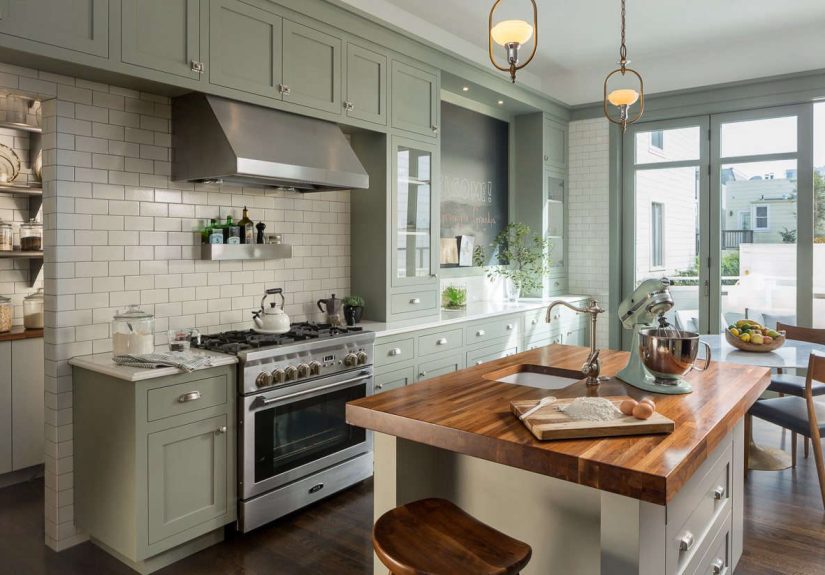
The day often begins with shifting light. In many homes, morning enters softly through bay windows or skylights, catching plaster walls, wood floors, and the edges of old trim. Even a compact breakfast corner can feel special when the city appears beyond the glass. A Pacific Heights kitchen does not need to be enormous to feel luxurious. It needs good light, smart storage, durable surfaces, and a layout that lets coffee happen without a traffic jam.
By afternoon, the home changes character. Rooms facing the bay may brighten dramatically, while interior spaces become calmer and cooler. This is when layered design matters. A reading chair near a window, a bench in a stair landing, or a small garden-facing desk can become the favorite spot in the house. Pacific Heights residences often teach people to use space seasonally and emotionally, not just functionally.
Entertaining in this kind of home feels different from entertaining in a suburban open-plan house. Guests move through a sequence: entry, stair, parlor, dining room, terrace, kitchen, maybe a roof deck if the weather behaves. The house becomes part of the conversation. Someone notices the old fireplace. Someone else asks about the view. One person inevitably says, “I could never live with this many stairs,” while standing on the roof deck and clearly reconsidering.
Daily life also requires practical intelligence. Closets may be smaller than modern expectations. Garages can be narrow. Historic windows may need maintenance. Outdoor space may be vertical rather than sprawling. But these constraints encourage better design decisions. Built-ins matter. Multi-purpose rooms matter. Durable fabrics matter. So does a good landing table for keys, mail, dog leashes, sunglasses, and the mysterious object everyone in the house denies owning.
The emotional experience is the real luxury. A Pacific Heights residence offers a feeling of continuity. It connects old San Francisco with contemporary living, formal architecture with casual routines, grand views with private rituals. It is a home where a restored stair can coexist with a modern pendant light, where a family room can sit inside a century-old shell, and where fog can make the entire street feel like a movie set.
For anyone designing, buying, renovating, or simply admiring a Pacific Heights residence, the best mindset is respect with imagination. Respect the bones. Respect the street. Respect the light. Then imagine how the home can serve modern life without losing its soul. That is the secret. The finest Pacific Heights homes do not look frozen in time. They look as if they have been having an intelligent conversation with time for more than a hundred years.
Conclusion: The Enduring Magic of the Pacific Heights Residence
A Pacific Heights residence is more than a prestigious San Francisco address. It is a design puzzle, a historic artifact, a lifestyle statement, and sometimes a very elegant stair-climbing program. The best examples combine architectural heritage with modern comfort, using light, views, materials, and thoughtful planning to create homes that feel both refined and deeply livable.
Whether it is a restored Edwardian, a reimagined Victorian, a modernist row-house conversion, or a view-filled apartment, the Pacific Heights residence continues to represent one of the most compelling forms of urban living in the United States. It proves that luxury is not only about square footage or expensive finishes. True luxury is a home with character, intelligence, proportion, daylight, and enough personality to make even the fog look intentional.
Editorial note: This article synthesizes public information from architecture portfolios, design publications, neighborhood histories, and real estate coverage to provide an original, publication-ready overview of the Pacific Heights residence concept. Property-specific details should be verified with architects, designers, owners, or listing professionals before use in commercial materials.