Table of Contents >> Show >> Hide
- What Is Opioid Addiction?
- Why the Opioid Crisis Became an Epidemic
- How to Treat Opioid Addiction Like an Epidemic
- What Families Can Do
- What Communities Can Do
- The Role of Prevention
- Why Language Matters
- A Public Health Plan That Actually Matches the Problem
- Experiences and Real-Life Lessons: What the Opioid Epidemic Looks Like Up Close
- Conclusion
When a hurricane hits, nobody tells people to “just stop being wet.” We send rescue crews, open shelters, restore power, and rebuild roads. Yet when opioid addiction sweeps through families, workplaces, hospitals, and neighborhoods, too many people still respond with a shrug, a sermon, or the old-fashioned advice to “make better choices.” That approach has worked about as well as using a garden hose to fight a five-alarm fire.
Opioid addiction is an epidemic. Let’s treat it like one. That means using public health tools, not moral panic. It means prevention, early intervention, evidence-based treatment, overdose reversal medication, long-term recovery support, smarter prescribing, safer communities, and less shame. It also means admitting something uncomfortable: addiction is not happening “somewhere else” to “those people.” It is in rural towns, big cities, suburbs, college campuses, construction sites, military families, hospital waiting rooms, and homes where dinner still gets served at 6 p.m.
The opioid crisis in America has changed shape over time. Prescription painkillers fueled the early wave. Heroin followed. Then illegally made fentanyl turned the crisis into something faster, deadlier, and far less predictable. Today, counterfeit pills can look like ordinary prescription medication but contain fentanyl or other dangerous synthetic drugs. In other words, the drug supply has become a trapdoor, and people often do not know what they are stepping on.
The good news is that opioid use disorder is treatable. Overdose deaths can be prevented. Recovery is real. The bad news is that the system still acts, far too often, like help should be difficult to find, expensive to access, and wrapped in enough paperwork to make a tax accountant cry. If we want to save lives, we need to stop treating addiction like a character flaw and start treating it like the urgent, chronic, medical condition it is.
What Is Opioid Addiction?
Opioid addiction, clinically known as opioid use disorder, is a medical condition involving compulsive opioid use despite harm. Opioids include prescription pain medications such as oxycodone, hydrocodone, morphine, and codeine, as well as heroin and illegally made fentanyl. These drugs affect the brain’s reward system, pain pathways, breathing, and stress response.
At first, opioids may be used after surgery, injury, or chronic pain. For some people, use stays short-term and medically supervised. For others, the brain adapts. Tolerance can develop, meaning the same dose no longer has the same effect. Dependence can follow, meaning the body reacts with withdrawal symptoms when the drug is reduced or stopped. Addiction is more than dependence; it includes loss of control, cravings, continued use despite serious consequences, and a narrowing of life around the drug.
This is why “just quit” is not a treatment plan. It is a slogan. And slogans do not manage withdrawal, stabilize brain chemistry, treat trauma, reverse overdoses, or help someone rebuild housing, employment, relationships, and health.
Why the Opioid Crisis Became an Epidemic
The opioid epidemic did not appear out of thin air like a villain in a fog machine. It grew from a complicated mix of medical practice, pharmaceutical marketing, pain management gaps, economic stress, untreated mental health conditions, social isolation, and a rapidly changing illegal drug market.
Prescription opioids opened the door
For years, opioids were widely prescribed for pain. Many patients received them after dental work, surgery, injuries, or chronic pain visits. Some benefited. Some were harmed. In many communities, leftover pills sat in medicine cabinets, quietly waiting to become someone else’s first exposure. A pill bottle on a bathroom shelf may not look dangerous, but neither does a toaster until someone drops it into a bathtub.
Fentanyl changed the math
Illegally made fentanyl is extremely potent and is now a major driver of overdose deaths in the United States. It can be mixed into heroin, cocaine, methamphetamine, and counterfeit pills. People may think they are taking one substance and actually be taking another. That uncertainty makes every use more dangerous.
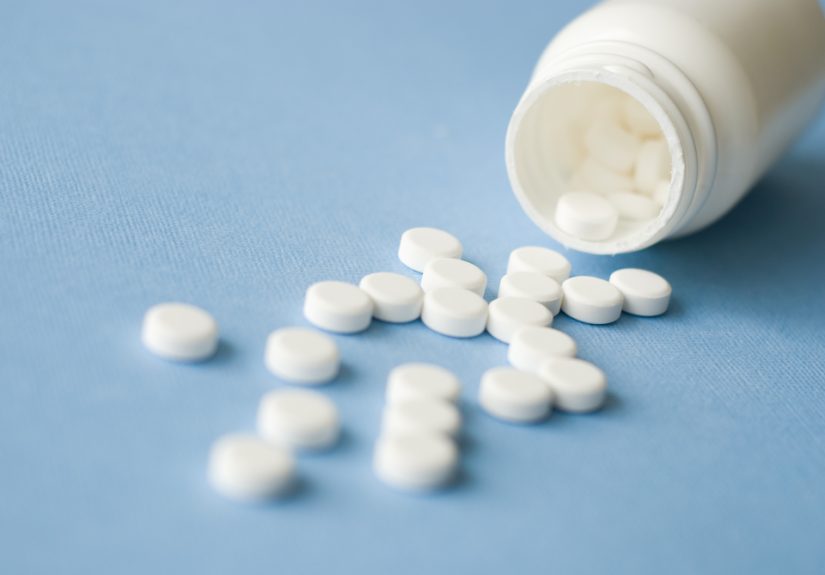
Counterfeit pills are especially alarming because they can look like familiar medications. A tablet stamped to resemble oxycodone, Xanax, or Adderall may not have come from a pharmacy at all. It may have come from an illegal operation with the quality control standards of a broken vending machine.
Stigma keeps people away from help
Stigma is not just rude; it is deadly. When people fear being judged, fired, arrested, shamed, or abandoned, they are less likely to ask for help. Families may hide the problem. Doctors may undertreat it. Communities may delay lifesaving programs because they worry about “sending the wrong message.” Meanwhile, the message received by people at risk is painfully clear: suffer quietly.
A public health response requires the opposite. It says: you are not disposable, help is available, and treatment should be as normal as care for diabetes, asthma, or heart disease.
How to Treat Opioid Addiction Like an Epidemic
If opioid addiction is an epidemic, the response must be broad, coordinated, and practical. Nobody fights an epidemic with one tool. You use a toolbox. Preferably not the rusty one in the garage with three mystery screws and a hammer named “good intentions.”
1. Expand evidence-based treatment
Medication for opioid use disorder is one of the strongest tools we have. FDA-approved medications such as buprenorphine, methadone, and naltrexone can reduce cravings, prevent withdrawal, support recovery, and lower the risk of overdose. These medications are not “replacing one addiction with another.” That phrase is catchy, common, and wrong.
When properly used, medications for opioid use disorder help stabilize the brain and body so people can function, work, parent, study, attend counseling, and rebuild their lives. A person taking medication for addiction treatment is not cheating at recovery. They are using medicine. We do not accuse someone with high blood pressure of “depending on lisinopril.” We should extend the same logic here.
2. Make naloxone as normal as a fire extinguisher
Naloxone is a medication that can reverse an opioid overdose when given in time. It is safe, easy to carry, and available in nasal spray and injectable forms. Schools, libraries, workplaces, restaurants, gyms, community centers, and homes should treat naloxone the way they treat first-aid kits. You hope you never need it. You are grateful when it is there.
Recognizing overdose signs matters. Warning signs can include slow or stopped breathing, gurgling or choking sounds, blue or gray lips or fingernails, limp body, tiny pupils, and inability to wake up. If an overdose is suspected, call emergency services, give naloxone, and stay with the person. Naloxone may wear off before the opioids do, so medical help is still essential.
3. Improve prescribing without abandoning pain patients
Smarter opioid prescribing is important, but it must be balanced. Some people live with severe pain and need compassionate care. The goal is not to swing from overprescribing to neglect. The goal is individualized treatment, safer dosing, careful monitoring, non-opioid pain options when appropriate, and honest conversations about risk.
Patients should know how to store opioids safely, dispose of unused pills, avoid mixing opioids with alcohol or sedatives unless specifically directed by a clinician, and ask questions before starting a prescription. Doctors should have time and training to manage pain without turning every appointment into a rushed game of medical whack-a-mole.
4. Treat mental health and addiction together
Opioid addiction often overlaps with depression, anxiety, trauma, chronic stress, and other mental health conditions. Treating one while ignoring the other is like fixing the roof while the basement floods. Integrated care works better because people are not divided into separate pieces labeled “mental health,” “substance use,” and “real life.”
Therapy, peer support, medication, case management, housing help, family education, and primary care can work together. Recovery is not just the absence of drugs. It is the presence of stability, connection, purpose, health, and enough support to handle a rough Tuesday without everything collapsing.
5. Build recovery support into everyday life
Treatment does not end when withdrawal ends. In fact, that is often when the harder work begins. People may need recovery housing, job support, transportation, legal assistance, childcare, community groups, and help repairing relationships. They may also need time. Recovery is not a microwave burrito; it does not become perfect in ninety seconds.
Communities can support recovery by hiring people in recovery, creating recovery-friendly workplaces, funding peer recovery specialists, supporting family programs, and making treatment available without long delays. When someone finally says, “I’m ready,” the answer should not be, “Great, we have an opening in six weeks.”
What Families Can Do
Families often live on the front lines of opioid addiction. They notice missing money, mood changes, disappearing medications, strange sleep patterns, repeated promises, and the painful feeling that the person they love is both there and not there. It is exhausting. It is frightening. It can also be confusing, because love alone does not cure addiction, but love can help someone stay connected to life long enough to accept treatment.
Start by learning the signs of opioid use disorder and overdose. Keep naloxone in the home if there is any risk. Lock up prescription medications. Dispose of unused pills. Avoid screaming matches when possible, not because the situation is not serious, but because panic rarely improves decision-making. Speak clearly: “I love you. I am scared. Treatment is available. I will help you get care, but I will not help you stay unsafe.”
Boundaries matter. Supporting recovery does not mean funding drug use, ignoring violence, or sacrificing everyone else in the household. Families need support too. Counseling, family education, and peer groups can help relatives stop living in crisis mode and start making decisions with steadier hands.
What Communities Can Do
A community response to opioid addiction should be visible, practical, and low-barrier. That means naloxone distribution, medication treatment access, mobile clinics, syringe services where legally available, safe medication disposal, school education, crisis services, and partnerships among hospitals, public health departments, law enforcement, faith groups, recovery organizations, and local businesses.
Hospitals can start treatment after overdose instead of simply reviving someone and sending them back into the same danger. Jails and prisons can provide medication for opioid use disorder instead of forcing withdrawal and releasing people with reduced tolerance and high overdose risk. Schools can teach students about fentanyl and counterfeit pills without turning health class into a horror movie. Employers can offer assistance instead of instant termination when a worker asks for help.
The most effective communities are not soft on addiction. They are serious about survival. They understand that keeping people alive is not enabling; it is step one. Dead people do not recover. Living people can.
The Role of Prevention
Prevention starts earlier than many people think. It includes safe prescribing, honest drug education, mental health care, trauma prevention, economic opportunity, stable housing, and strong social connections. A teenager who understands counterfeit pill risks may make a safer choice. A patient who receives clear instructions after surgery may avoid leftover medication problems. A worker with access to mental health support may not wait until despair becomes a medical emergency.
Prevention also means reducing isolation. Addiction thrives in silence. Communities that create connection through sports, arts, mentoring, faith groups, volunteering, recovery events, and youth programs are not just “being nice.” They are building protective factors. Human connection is not a luxury item, even if modern life sometimes treats it like premium seating.
Why Language Matters
Words shape policy, treatment, and self-worth. Calling people “junkies” or “addicts” reduces them to a diagnosis and makes it easier to dismiss their pain. Person-first language, such as “a person with opioid use disorder,” is not political window dressing. It is a reminder that the person is still a person.
Language also affects care. A patient who feels judged may not return. A parent who feels ashamed may not ask for naloxone. A clinician who sees addiction as a moral failure may miss the chance to offer medication treatment. Changing words will not solve the epidemic by itself, but it can open doors that stigma keeps locked.
A Public Health Plan That Actually Matches the Problem
To treat opioid addiction like an epidemic, America needs a response that matches the scale of the crisis. That includes rapid access to medication treatment, insurance coverage that does not require heroic levels of patience, overdose prevention in every community, support for families, better pain care, safer prescribing, mental health integration, and long-term recovery resources.
It also requires humility. The opioid epidemic has taught us that simple stories are usually wrong. Not everyone became addicted through prescriptions. Not everyone uses the same drug. Not everyone needs the same treatment. Not everyone’s recovery looks identical. The system must be flexible enough to meet people where they are and strong enough to stay with them as they change.
There is no single magic solution. But there are many proven, practical steps that save lives. When combined, they form something powerful: a public health response built on science, compassion, and common sense.
Experiences and Real-Life Lessons: What the Opioid Epidemic Looks Like Up Close
Talk to people affected by opioid addiction, and one theme appears again and again: nobody thought it would happen to them. A parent remembers a son who injured his shoulder playing football and came home with pain pills. A wife remembers her husband’s back surgery, then the refills, then the secrecy, then the long nights listening for breathing. A nurse remembers reviving the same patient twice in one month and wondering why the hospital had no easy path to treatment after discharge. These stories are not rare exceptions. They are the human texture of the epidemic.
One common experience is confusion. Families often spend months trying to understand whether they are seeing addiction, depression, pain, stress, or “just a rough patch.” The answer may be all of the above. Opioid addiction rarely arrives wearing a name tag. It often enters quietly through a prescription, a party, an online pill, or a friend who says, “This will help.” By the time the danger is obvious, the person may already be physically dependent and terrified of withdrawal.
Another experience is shame. People with opioid use disorder often describe feeling like they have become a problem instead of a person. They may avoid doctors because they expect judgment. They may avoid family because they cannot bear another disappointed look. Shame becomes a locked room, and the drug becomes both the jailer and the fake key. That is why compassionate treatment matters. A respectful conversation can be the first crack in the wall.
Families also learn that recovery is rarely a straight line. Someone may enter treatment, relapse, try again, change medications, switch counselors, rebuild trust, lose it, and rebuild it again. This can be heartbreaking, but it is not hopeless. Many chronic conditions involve setbacks. The difference is that people with addiction are often punished for symptoms of the illness they are trying to treat. A better system would respond to relapse with adjusted care, not exile.
Communities that have faced the opioid crisis closely often discover that practical tools beat perfect speeches. A naloxone kit in a backpack can save a life. A doctor willing to prescribe buprenorphine can change a family’s future. A peer recovery coach who says, “I’ve been there,” can reach someone who has stopped trusting professionals. A workplace that offers treatment leave instead of immediate firing can keep a person connected to stability.
There are also lessons from grief. Many families who have lost someone to overdose become advocates because they do not want another kitchen table to have an empty chair. They push for naloxone access, fentanyl education, treatment funding, and less stigma. Their message is usually simple: do not wait until the funeral to care. Care now. Carry naloxone now. Talk to your kids now. Ask your doctor questions now. Help someone find treatment now.
The deepest lesson is that opioid addiction is not solved by looking away. It is solved by looking directly at the problem and refusing to surrender people to it. Treating opioid addiction like an epidemic means responding with urgency, science, and humanity. It means choosing rescue over ridicule. It means building systems that make the healthy choice easier, the safe choice closer, and the next chance available before it is too late.
Conclusion
Opioid addiction is an epidemic, and epidemics demand action. Not gossip. Not shame. Not a motivational poster taped to a broken system. Real action means prevention, treatment, naloxone, recovery support, family education, safer prescribing, and public policies that keep people alive long enough to heal.
America has the tools to reduce overdose deaths and help people recover. The question is whether we will use them with the seriousness this crisis deserves. Addiction is treatable. Recovery is possible. Lives can be saved. But only if we stop asking people to climb out of a medical emergency with their bare hands and start building ladders everywhere they are needed.