Table of Contents >> Show >> Hide
- Why This West Elm Storage Story Landed So Well
- What West Elm Gets Right About Hook-Based Storage
- How to Style Hook Storage Without Making It Look Like a Transit Station
- Best Places to Use West Elm-Style Hook Storage
- Things to Consider Before Buying
- The Bigger Design Lesson Behind West Elm’s Storage
- Experience: Living With Hook-First Storage Over Time
- Conclusion
- SEO Tags
If your entryway currently looks like a jacket, tote bag, and reusable-grocery-bag support group, West Elm’s hook-forward storage idea may feel like a small domestic miracle. The appeal is simple: put the wall to work, keep the floor clear, and make organization look intentional instead of vaguely apologetic. That is the charm behind On the Hook: New Storage from West Elma design story that proves storage does not have to be bulky, boring, or shaped like a plastic bin you regret buying at 10:47 p.m.
What made this West Elm moment stand out is that it treated hooks as design objects rather than afterthoughts. Instead of the usual hardware-store energy, the collection leaned into cleaner lines, warmer materials, and a sculptural look that could hold coats, bags, towels, or the emotional weight of a busy Tuesday. In other words, it offered storage that did its job without screaming, “I am here because nobody in this house knows where their keys are.”
That is why the idea still resonates. Good hook-based storage solves a very modern problem: people want homes that feel edited and calm, but they also need a place for real-life stuff. West Elm’s approach sits right in that sweet spot between style and survival. It is practical, yes, but it also understands something many storage solutions miss: if an organizing piece is attractive enough, people are actually more likely to use it.
Why This West Elm Storage Story Landed So Well
The original buzz around West Elm’s hook storage came from a collaboration with designers whose work balanced craftsmanship with crisp, modern restraint. That mix matters. It is what turns a simple hook into something that feels thoughtful rather than forgettable. The shapes were pared down, the materials had texture, and the overall effect was more gallery wall than locker room. For a brand like West Elm, which has long lived in the modern-but-livable lane, the concept made perfect sense.
More importantly, the collection captured a broader shift in how people think about storage. For years, “organization” often meant hiding everything behind doors, in baskets, or inside furniture with secret compartments. There is still a place for that, of course. Nobody is suggesting your snow boots need a spotlight. But hook-based storage offers a different philosophy: keep daily essentials visible, easy to reach, and stylish enough that they do not count as visual clutter.
That is a big reason designers and home editors keep returning to the same idea. A hook is one of the few storage tools that can be useful in nearly every room, cost less space than almost anything else, and add a decorative note while doing it. That is a rare triple threat in home design. Frankly, if more furniture pulled its weight this well, half our closets could retire early.
What West Elm Gets Right About Hook-Based Storage
It uses vertical space like it actually means it
Small-space living has made vertical storage the unofficial hero of modern homes. West Elm’s hook-oriented storage leans into that beautifully. By moving coats, bags, towels, hats, and accessories onto the wall, it frees up precious square footage and helps a room breathe. That matters in a narrow entryway, a compact bathroom, or a bedroom corner that is already working overtime.
Hooks also solve a practical problem faster than many larger storage pieces. A bench is nice. A cabinet is lovely. A wall hook, though? That thing gets results immediately. You walk in, you hang the bag, you continue being a functioning adult. There is no drawer to open, no basket to overstuff, no chair to transform into the family’s unofficial laundry branch.
It makes storage feel decorative
One of the smartest things about West Elm’s storage style is that the hook itself often becomes part of the room’s personality. Rounded silhouettes, wood-and-metal combinations, soft matte finishes, and sculptural forms help these pieces read more like decor than utility hardware. That is a subtle but meaningful difference. A storage piece that looks good empty is already winning.
This is especially important in visible spaces like foyers, hallways, powder rooms, and open-plan living areas, where storage has to behave itself aesthetically. West Elm understands that a hook can act almost like wall art when it is thoughtfully designed. That may sound dramatic for a humble peg, but honestly, some of these pieces have more charisma than an entire discount console table.
It works across rooms, not just in the entryway
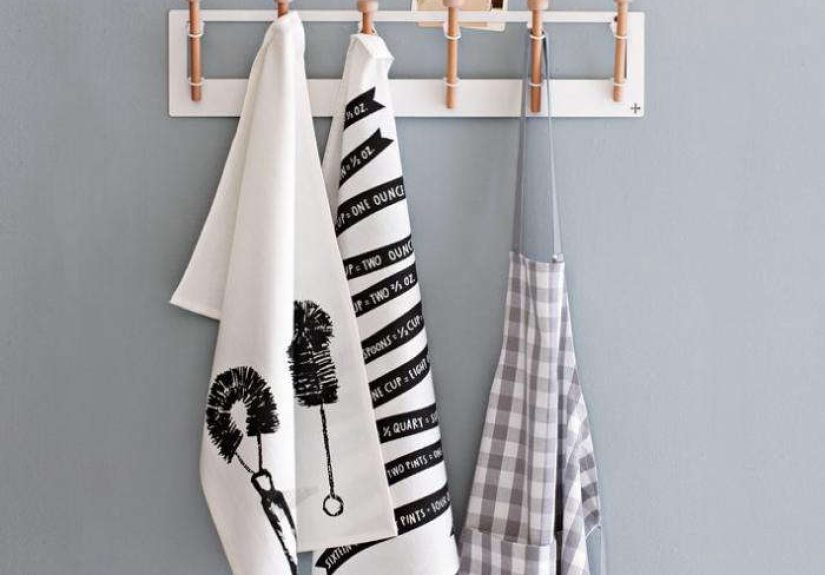
Another strength of the concept is flexibility. Hook storage is not a one-room wonder. In the entryway, it corrals bags and outerwear. In the bathroom, it holds towels and robes. In the bedroom, it gives tomorrow’s outfit, a favorite hat, or a daily handbag a designated home. In the kitchen, it can hold aprons, tea towels, or lightweight tools. In a laundry area, it becomes a landing spot for delicates bags or things that should air-dry instead of meeting an untimely end in high heat.
That versatility gives West Elm’s storage approach staying power. You are not buying something hyper-specific that only works for one season or one floor plan. You are investing in a format that adapts as your needs changewhich is ideal, because homes evolve. One year the hook holds a diaper bag; the next it is a dog leash; after that it is probably a baseball cap collection you swore would stay reasonable.
How to Style Hook Storage Without Making It Look Like a Transit Station
Build a simple drop zone
The most effective way to use hook storage is as part of a small, intentional drop zone. Think one row of hooks, a narrow ledge or shelf, a mirror, and maybe a bench or basket underneath. That combination creates a rhythm: hang, place, stash, leave. Coats go on the hooks, keys land on the ledge, shoes slide under the bench, and mail gets contained instead of multiplying mysteriously on every nearby surface.
This kind of setup works because it mirrors how people actually move through a house. The best storage systems are not just pretty; they make routine easier. If your home’s entrance can handle jackets, sunglasses, dog leashes, and the ever-growing pile of “I need to return this” items, you have already won half the battle.
Mix open storage with hidden storage
Hooks are fantastic, but they are not meant to carry the entire burden of civilization. Pairing them with some closed storage keeps the arrangement from looking chaotic. Open hooks are ideal for the things you use every day. Closed drawers, cabinets, bins, or baskets are better for overflow, seasonal gear, and the odds and ends that nobody wants on display.
This balance is what separates a polished entry from one that feels one backpack away from collapse. Let the hooks hold the essentials, and let the concealed storage handle the messier supporting cast.
Keep the palette tight
If you want hook storage to look elevated, resist the urge to mix five wood tones, three metals, and a random neon raincoat in constant residence. Choose finishes that relate to the rest of the room. If the space leans warm, go with wood, brass, or soft matte metal. If it is more modern and crisp, black metal or cleaner-lined hardware may feel more at home.
West Elm’s aesthetic has always worked best when materials echo each other. A wood hook near a wood bench, a metal hook near a mirror frame, a neutral basket beneath it allthese small connections make a compact storage zone feel styled instead of accidental.
Best Places to Use West Elm-Style Hook Storage
Entryway
This is the obvious place, and for good reason. Hooks help create a first impression that says, “This household has a system,” even if the system is held together by one calendar reminder and a lot of coffee. In a tight foyer, a few well-placed hooks can do more than a bulky coat rack because they lift storage off the floor and make the space feel lighter.
Bathroom
Bathrooms benefit from hooks because they keep towels accessible without requiring the linear wall space of a full bar. They also bring a more relaxed, layered look. A thoughtfully designed hook can make a bath towel feel almost boutique-hotel intentional, which is impressive for something that was, moments ago, wrapped around your damp hair.
Bedroom or dressing area
Hooks are ideal for the limbo items: the jacket you will wear again, the bag you use every day, the scarf that does not deserve floor status, and the “not dirty, not clean, spiritually complicated” outfit that cannot go back in the closet yet. A few hooks can prevent all of those pieces from migrating to a chair.
Kitchen or laundry space
Lightweight hooks are excellent for aprons, oven mitts, utility towels, and reusable bags. In a laundry area, they are useful for hanging mesh wash bags, air-dry items, or garments that need attention before they become permanent wrinkles. It is not glamorous work, but it is good, honest storage.
Things to Consider Before Buying
Know what the hooks need to hold
Not every hook should hold a heavy winter coat, a leather tote, and a backpack full of mystery electronics. Think realistically about weight and frequency of use. Decorative single hooks are great for lighter items. Multi-hook racks or sturdier mounted pieces are better for busier zones and heavier loads.
Think about placement, not just product
A beautiful hook installed too high, too low, or in the wrong traffic path will still annoy you. Placement matters as much as style. If children need to use the hooks, place at least one row at kid-friendly height. If the hallway is narrow, keep the depth modest. If the space is near the front door, make sure whatever hangs there will not create a shoulder-check obstacle every time someone comes home with groceries.
Edit what lives there
Hooks are powerful, but they are not magical. If six coats, four umbrellas, two dog leashes, three hats, and a tote bag full of receipts all live on the same rack, the problem is not the hook. The problem is optimism. Rotate seasonal items, keep only what you use most, and let the rest live elsewhere.
The Bigger Design Lesson Behind West Elm’s Storage
What makes On the Hook: New Storage from West Elm more than a product story is the design lesson hiding in plain sight: everyday utility looks better when it is treated with the same care as decor. People do not mind seeing storage when the storage itself adds beauty. In fact, the right piece can make a room feel more complete, because it solves a problem while reinforcing the home’s style.
That is the genius of hook-forward storage. It respects real life. It assumes you have a coat, a bag, a towel, a hat, a leash, a scarf, or some combination of all five. But it also assumes you would prefer those items not to live in a heap. West Elm’s answer is not to overcomplicate the problem. It is to refine it. Make the hook nicer. Make the wall useful. Make the room feel calmer.
And honestly, that is the kind of home advice people can use. Not everything has to be a full renovation. Sometimes the answer is gloriously small: a better hook, in a better place, with better styling. Design progress does not always arrive with custom millwork and a contractor. Sometimes it shows up with a drill, a level, and a very satisfying place to hang your bag.
Experience: Living With Hook-First Storage Over Time
The real test of any storage trend is not how it looks ten minutes after installation. It is how it feels after three months of school runs, grocery trips, rainy jackets, forgotten umbrellas, and the daily parade of objects that somehow follow people home. That is where hook-first storage earns its keep. In everyday life, it removes friction in a way that sounds modest on paper but feels surprisingly dramatic in practice. You come in, and there is an obvious place for things. That small clarity changes the tone of the room immediately.
Morning routines become smoother too. When hooks are used well, the house starts working with you instead of against you. Bags are visible. Outerwear is easy to grab. The dog leash is no longer playing hide-and-seek. If there is a ledge nearby, keys and sunglasses stop wandering from room to room like they are on a personal growth journey. It is not that the home suddenly becomes perfect. It is that the first five minutes of leaving and returning become less chaotic, and those five minutes matter more than people think.
There is also a visual shift that happens over time. A room with good hook storage feels lighter because the floor stays clearer and the clutter stays lifted, edited, and somewhat contained. Even when the hooks are in use, the mess looks intentional rather than defeated. A favorite canvas tote, a straw hat, a neatly hung towel, or a structured coat can add texture and personality. That is one of the more enjoyable surprises: hook storage does not just organize belongings, it can actually help style them.
Families often notice another benefit: better habits. Hooks are easy. Easier than hangers, easier than drawers, easier than opening a closet for something you will use again in twelve hours. Children can learn them quickly. Guests understand them instantly. Partners who are mysteriously allergic to putting things away often discover that they are, in fact, capable of hanging a jacket when the option is obvious and attractive. Miracles do happen. Sometimes they just happen at eye level on a wall.
Of course, hook-based storage is not flawless. If you overload it, the clean look disappears fast. Too many coats in one season and the arrangement starts to feel like backstage at a school play. That is why the best long-term experience comes from using hooks as part of a small system rather than a lone solution. A basket for loose items, a tray for keys, a bench for shoes, a drawer for mailthose supporting pieces keep the hooks from becoming overworked heroes.
Still, the overall experience is remarkably positive because it aligns with how people actually live. Most households do not need more complicated systems; they need simpler ones that are pleasant enough to maintain. Hook-first storage meets people where they are: tired, busy, carrying too much, and hoping not to trip over their own shoes. In that sense, West Elm’s storage idea is not just stylish. It is empathetic. It understands that a home should welcome you back in, not hand you another mess to solve the second you open the door.
Conclusion
On the Hook: New Storage from West Elm is ultimately about more than a set of handsome wall hooks. It is about a smarter way to think about home organizationone that values visibility, convenience, and good design in equal measure. West Elm’s hook-forward approach works because it is practical without feeling utilitarian, stylish without becoming fussy, and flexible enough to move from entryway to bathroom to bedroom without losing its appeal.
For anyone trying to make a home feel calmer, more efficient, and a little more put together, this is a useful reminder: storage does not always have to hide. Sometimes the best solution is the one you can see, reach, and actually enjoy looking at. Put simply, if your walls have been doing nothing but standing there, West Elm’s storage philosophy gives them a promotion.