Table of Contents >> Show >> Hide
- Why This Crisp Feels Bigger Than Dessert
- Dan Pelosi’s Cookbook Vibe, in One Baking Dish
- What Makes Olive Oil Such a Smart Move
- Pistachios Are the Plot Twist
- The Berry Layer Does a Lot of Heavy Lifting
- Why It Works for Entertaining
- How to Capture the Spirit of This Dessert at Home
- Why This Recipe Is the One People Will Remember
- Experience Section: What It Feels Like to Serve a Dessert Like This
- Conclusion
Some cookbook recipes announce themselves with fireworks. Others arrive wearing a cashmere sweater and quietly steal the room. Dan Pelosi’s Olive Oil and Pistachio Berry Crisp belongs firmly in the second camp. It is not the loudest dessert in the book, not the most fussy, and definitely not the one begging for a culinary trophy. Yet that is exactly why it feels like the star. In a cookbook built around celebration, gathering, and feeding people without turning your kitchen into a stress laboratory, this crisp has main-character energy.
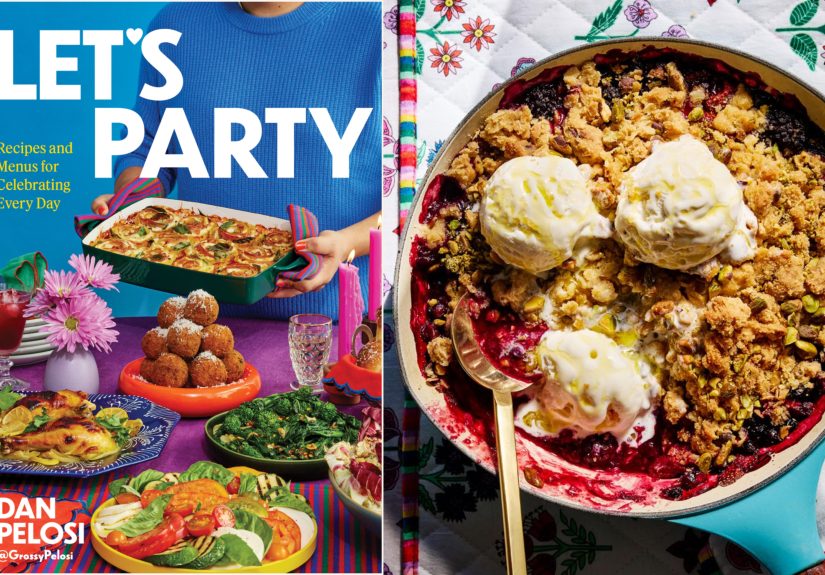
Pelosi’s new cookbook, Let’s Party: Recipes and Menus for Celebrating Every Day, leans into his signature brand of joyful, approachable entertaining. He is the kind of food personality who makes a dinner party feel less like a performance and more like a really good excuse to open another bottle of wine and put extra spoons on the table. The book is organized around party-ready menus, but the berry crisp captures the bigger message better than almost any dessert could: impressive does not have to mean complicated, and crowd-pleasing does not have to mean boring.
Why This Crisp Feels Bigger Than Dessert
At first glance, a fruit crisp may not sound revolutionary. America has been baking bubbling dishes of fruit under crunchy toppings for generations, and rightly so. Crisps are democratic desserts. They do not demand perfect lattice work, chilled pie dough, or the patience of a saint. They welcome ripe fruit, slightly overripe fruit, mixed fruit, frozen fruit, and the hopeful produce purchase you made three days ago and nearly forgot in the fridge drawer.
But Pelosi’s version adds a few thoughtful moves that make it memorable. The topping uses olive oil and pistachios, which shifts the whole dessert away from standard buttery sweetness and into something more layered, fragrant, and grown-up. You still get the familiar comfort of warm berries and a crisp topping, but there is also a savory edge, a nutty richness, and a subtle peppery note that keeps every bite interesting. In other words, it tastes like the classic fruit crisp finally got dressed for the party.
Dan Pelosi’s Cookbook Vibe, in One Baking Dish
Part of what makes this recipe stand out is how perfectly it reflects Pelosi’s broader cooking philosophy. His food is rooted in warmth, generosity, and the idea that hospitality is more about spirit than perfection. Let’s Party is built around menus for actual gatherings, and that matters. Too many entertaining cookbooks assume you have infinite counter space, unlimited time, and a personal dishwasher on payroll. Pelosi’s charm is that he seems to understand how people really cook: with guests arriving early, music playing a little too loud, and at least one person asking whether they can help while absolutely not helping.
This crisp fits that reality beautifully. It feels festive without being precious. It can be served after a spring dinner, a summer hangout, an early fall meal, or honestly a random Tuesday when you need a morale boost and happen to own oats. Pelosi reportedly frames it as a year-round dessert, and that flexibility is a big part of the appeal. Berries may be the headline, but the structure invites seasonal improvisation. That makes the recipe feel less like a one-time stunt and more like a keeper.
What Makes Olive Oil Such a Smart Move
It changes the flavor, not just the fat
Olive oil in dessert is no longer a culinary novelty, but it still has the power to make familiar sweets taste more interesting. Good extra-virgin olive oil brings grassy, floral, and slightly peppery notes that butter simply does not. In a dessert like berry crisp, that matters. Berries are bright and jammy. Pistachios are earthy and rich. Olive oil bridges those flavors with a savory whisper that keeps the topping from tasting flat or overly sweet.
The best part is that olive oil adds personality without turning the crisp into a lecture about ingredients. Nobody takes a bite and says, “Ah yes, lipid innovation.” They just notice that the topping tastes deeper, rounder, and a little more sophisticated than expected. It is the kind of ingredient choice that makes guests ask, “Why is this so good?” which is the highest form of dessert praise outside of someone licking the spoon in your kitchen.
It helps the topping stay tender and crisp
Oil-based baked goods are often prized for their plush texture and staying power, and that logic carries over here. While classic crisp toppings rely heavily on butter, olive oil can help create a topping that is crumbly, cohesive, and less heavy on the palate. That matters in a fruit dessert, where you want contrast, not a dense blanket sitting on top of juicy berries like it paid rent.
Pelosi’s olive-oil approach also suits the cookbook’s laid-back energy. You are not cutting cold butter into perfect bits or stressing over whether your hands are too warm. You are building a topping with real flavor and very little drama, which feels deeply on-brand.
Pistachios Are the Plot Twist
If olive oil gives the crisp its aromatic edge, pistachios give it swagger. They bring crunch, color, and a buttery nuttiness that plays beautifully with tart berries. Pistachios can lean sweet or savory depending on the company they keep, which makes them especially effective here. Next to berries and sugar, they taste warm and rich. Next to olive oil, they pick up a more savory, almost Mediterranean elegance.
There is also a visual payoff. Pistachios make any topping look a little fancier, and this recipe benefits from that instantly. The green flecks against bronzed oats and bubbling jewel-toned fruit make the dessert look like you tried harder than you did. That is not cheating. That is strategy.
And unlike some nuts that can bulldoze a dessert, pistachios know how to behave. They add depth without turning the crisp into trail mix. They support the berries, echo the olive oil, and help the topping feel substantial enough for dinner-party status.
The Berry Layer Does a Lot of Heavy Lifting
Pelosi’s crisp works because the fruit base remains the emotional center of the dessert. Berries bring sweetness, acidity, juice, and color. When they bake down, they create that irresistible jammy layer that bubbles around the edges and perfumes the kitchen in a way that should frankly be bottled and sold as therapy.
Berry crisps also earn their popularity because they are forgiving. A mix of raspberries, blueberries, blackberries, or strawberries can all work, and small adjustments in sugar and lemon can keep the balance right. A little thickener helps the filling set instead of turning into fruit soup, and a brief rest after baking gives the juices time to calm down. None of this is glamorous, but it is the difference between a crisp that slices into warm spoonfuls and one that floods the plate like it is making a break for freedom.
That versatility is a major reason this recipe feels so publishable, so shareable, and so likely to spread beyond the pages of the cookbook. Home bakers want desserts that can bend with the season. Pelosi seems to understand that instinct. If you can make this with peak summer berries, late-season fruit, or even well-drained frozen fruit, you are not just buying into a recipe. You are adopting a dessert framework.
Why It Works for Entertaining
The smartest entertaining desserts do at least three things well: they can be made without panic, they look generous on the table, and they taste even better when eaten communally. This crisp checks every box.
First, it is unfussy. You can assemble the fruit, mix the topping, and get it into the oven without a stand mixer, specialized pan, or pastry-school trauma. Second, it serves like a dream. A bubbling baking dish placed in the center of the table practically invites conversation. There is something wonderfully unpretentious about scooping dessert instead of slicing it into neat geometric shapes. Third, it welcomes accompaniment. Ice cream, whipped cream, crème fraîche, Greek yogurt, honey, extra pistachiosthis crisp plays well with all of them.
That last point matters more than it seems. Desserts that allow people to customize their bowl feel naturally party-friendly. One guest wants vanilla ice cream. Another wants yogurt because they are pretending this counts as breakfast after dinner. Someone else wants a drizzle of honey because they live beautifully. Everyone gets what they want, and the host looks relaxed and competent. That is the dream.
How to Capture the Spirit of This Dessert at Home
Start with fruit that tastes like itself
A crisp will never be better than its fruit. That does not mean every berry has to be peak-season perfection, but it does mean they should taste alive. If the berries are very tart, add a little more sugar. If they are ripe and sweet, hold back. Lemon juice and zest help sharpen the flavor and keep the filling from becoming one-note.
Use enough thickener, but not too much
The filling needs structure. Cornstarch or tapioca can keep the fruit from turning watery, especially when berries release their juices in the oven. Too little, and the crisp gets sloppy. Too much, and the filling loses its natural lushness. The goal is spoonable, glossy, and gently set.
Build a topping with contrast
The best crisp toppings are not one-dimensional. Oats add chew and rusticity. Flour helps bind. Brown sugar brings caramel notes. Nuts contribute crunch. Olive oil or butter supplies richness. Salt and spices sharpen the edges. Pelosi’s genius move is leaning into pistachios and olive oil, which turns what could have been a standard topping into something that tastes curated without feeling contrived.
Bake until it looks undeniably done
A pale crisp is a missed opportunity. The topping should be golden and the fruit should be visibly bubbling. That bubbling is not just theater; it signals that the fruit has cooked down and the thickener has activated. Then comes the hardest part: waiting. Letting the crisp rest for 10 to 20 minutes gives the juices time to settle and saves your guests from scorching their mouths in the name of enthusiasm.
Why This Recipe Is the One People Will Remember
Cookbooks often have one recipe that becomes the talking point, the screenshot, the “you have to make this” page passed between friends. Pelosi’s Olive Oil and Pistachio Berry Crisp has all the traits of that recipe. It is unexpected but not intimidating. It feels current without chasing trends too hard. It sounds elegant, but it still belongs in a real home kitchen.
Most importantly, it delivers a kind of pleasure people actually want right now. Not a towering, gold-leafed dessert for internet applause. Not a deconstructed thing requiring tweezers and emotional resilience. Just a beautiful, flexible, deeply satisfying crisp that understands how people eat when they are happiest: together, with generous scoops, and maybe a second helping disguised as “just a little more.”
Experience Section: What It Feels Like to Serve a Dessert Like This
There is a specific kind of joy that only arrives when you carry a hot fruit crisp to the table and everyone suddenly stops mid-conversation. It is not the dramatic silence reserved for proposals or plot twists. It is softer than that. It is the silence of people catching the scent of baked berries, toasted nuts, and warm sweetness and realizing, all at once, that dessert is about to be very, very good.
An olive oil and pistachio berry crisp creates that moment almost effortlessly. It looks abundant instead of fussy. It does not sit there asking to be admired from a distance. It invites a spoon. It invites a crowd. It invites the kind of casual chaos that makes a gathering memorable: someone reaching for the ice cream too early, someone else asking whether there are seconds before they have even finished firsts, and one overly confident guest claiming they can “just take a tiny scoop” before somehow filling half the bowl.
That is part of what makes a dessert like this feel personal. It does not create distance between the cook and the guests. It closes it. You are not trapped in the kitchen trying to pipe something symmetrical while everyone else has fun in another room. You are in the room, setting down a warm dish and joining the moment. In that sense, the crisp is not just a recipe. It is a hosting tool. It lets the cook stay human.
It also brings out a special kind of nostalgia, even when the flavors themselves feel new. Berry crisps tend to remind people of old summer desserts, family potlucks, vacation pies, backyard dinners, and the universal childhood thrill of eating something warm with melting vanilla ice cream. The pistachios and olive oil give Pelosi’s version a more modern accent, but the emotional core is still wonderfully familiar. One bite can feel both fresh and remembered, which is a rare trick for any dessert to pull off.
Then there is the next-day experience, which may be the real secret weapon. A leftover scoop in the morning, topped with Greek yogurt and a drizzle of honey, feels like a small act of rebellion against boring breakfasts. It is the kind of thing you eat standing in the kitchen with the fridge still open, telling yourself this is balanced because there is fruit involved. And honestly, who is going to argue? A crisp this good deserves a second life.
What lingers most, though, is not just the flavor. It is the feeling attached to it: the ease of serving it, the comfort of sharing it, the way it turns an ordinary evening into something worth remembering. That is why this recipe resonates. It is not trying to become a viral stunt or an impossible baking challenge. It simply understands what people want from a great dessert: warmth, texture, brightness, generosity, and a reason to keep sitting around the table a little longer.
And maybe that is why it feels like the star of Dan Pelosi’s new cookbook. It captures the full spirit of gathering in one dish. It is beautiful without being stiff, flavorful without being complicated, and special without requiring a special occasion. The best party recipes do not just feed people. They shape the atmosphere. This one does exactly that, one jammy, crunchy, olive-oil-kissed spoonful at a time.
Conclusion
Dan Pelosi’s Olive Oil and Pistachio Berry Crisp stands out because it combines everything a modern home baker wants in one dessert: bold flavor, flexible technique, dinner-party polish, and zero unnecessary fuss. The berries bring brightness, the pistachios deliver crunch, and the olive oil gives the topping a savory, aromatic twist that makes the whole dish feel more memorable than the average crisp.
More than that, the recipe reflects why Pelosi’s new cookbook is connecting with so many readers. It is built around the idea that cooking for people should feel joyful, generous, and real. This crisp is exactly that kind of recipe. It is relaxed enough for a weeknight, pretty enough for company, and good enough to inspire shameless leftover behavior. In a cookbook full of reasons to gather, this may be the dessert that gets people to stay just a little longer.
Note: Unnecessary publication artifacts and citation placeholders have been removed for web publishing.