Table of Contents >> Show >> Hide
- What Makes Revival’s Superlight Collection Different?
- Why Minimalist Wool Rugs Are Having a Moment
- How Superlight Inspires Movement Without Looking Busy
- Why Wool Still Wins
- Where These Modern Wool Rugs Work Best
- Styling Tips for Revival Superlight Wool Rugs
- A Few Standout Impressions from the Collection
- The Real Appeal: These Rugs Change How a Room Moves
- 500 More Words on the Experience: Living With a Superlight Rug
- Conclusion
- SEO Metadata
Some rugs shout. They arrive in a room like a lead singer warming up before the band has even plugged in. Revival’s Superlight wool rugs do the opposite. They walk in quietly, straighten the furniture with a polite nod, and somehow make the whole room feel more alive. That is the trick here: these minimalist wool rugs are calm, but never boring; soft, but not sleepy; architectural, but still very much made for actual humans who drink coffee, host friends, and occasionally drop crackers on the floor.
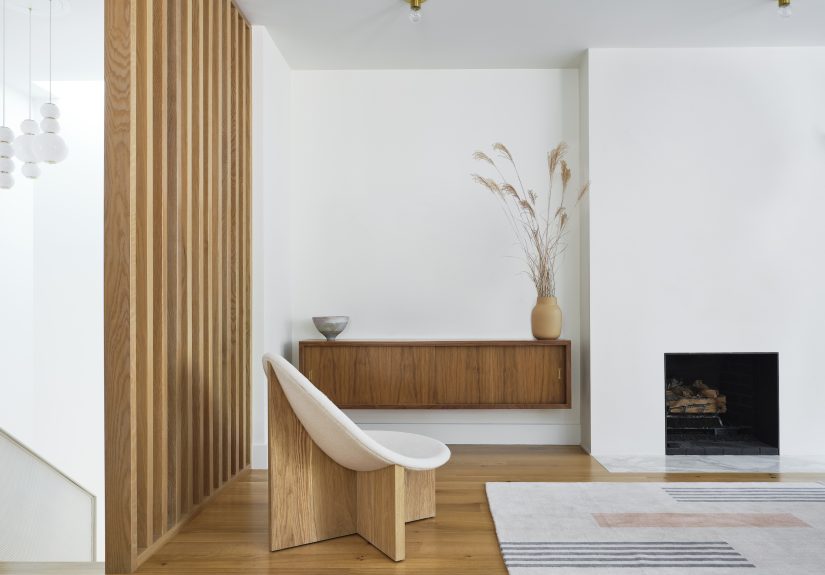
At first glance, the Superlight collection looks almost restrained. The palette leans neutral. The geometry is subtle. The designs do not beg for attention with loud color or maximalist drama. But give them a second look and the appeal becomes obvious. These are modern wool rugs built around line, balance, and negative space. Revival describes the collection as inspired by architecture that plays with light and movement, and that idea shows up everywhere: in gentle curves, elongated bars, airy fields of color, and compositions that seem to guide the eye across the floor without turning your living room into a math worksheet.
In other words, Superlight understands something many interiors are still learning: movement is not always about bold pattern or visual chaos. Sometimes movement comes from a curve that breaks a straight line. Sometimes it comes from a shape placed just slightly off-center. Sometimes it comes from a rug that feels like it was designed to breathe. For homeowners who want a minimalist area rug that still has personality, that is a very persuasive pitch.
What Makes Revival’s Superlight Collection Different?
Revival has built its reputation around design-forward rugs that feel more considered than generic big-box options, and Superlight fits that brand identity beautifully. These hand-loomed wool rugs pair tactile softness with a graphic sensibility that feels modern without becoming cold. The collection’s language is less “look at me” and more “notice how much better this room feels now.” That may not sound flashy, but in decorating, subtlety is often the real flex.
The collection stands out because it treats minimalism as an active design choice, not an absence of design. That distinction matters. Too many so-called minimalist rugs flatten a room. They become beige rectangles with excellent manners and zero memorable qualities. Superlight avoids that trap by using restrained geometry to create rhythm. A line interrupts a field. A rounded form pushes against a grid-like structure. A tonal shift keeps the surface from feeling static. The result is a family of geometric wool rugs that reads clean and sophisticated while still giving a room visual momentum.
There is also a tactile dimension that helps the collection live beyond the screen. Revival’s descriptions emphasize softness and thickness, and that balance is important. The rugs look airy, but they are not flimsy. They are meant to feel good underfoot, which is exactly what a rug should do. A floor covering can be intellectually interesting, sure, but if it feels like punishment at 7 a.m. in bare feet, the romance fades quickly.
Why Minimalist Wool Rugs Are Having a Moment
Minimalist interiors are not new, but the way people want them to feel has changed. The old version of minimalism sometimes came across like a museum after closing time: beautiful, expensive, and maybe a little emotionally unavailable. Today’s version is warmer. Designers increasingly talk about texture, handcrafted character, and softness as the elements that keep pared-back rooms from feeling sterile. That is exactly where minimalist wool rugs shine.
Wool, after all, does a lot of heavy lifting. It adds warmth without visual clutter. It softens acoustics. It introduces texture that does not rely on loud pattern. It helps a room feel finished instead of merely arranged. In a minimalist living room, a wool rug can do the quiet work of making clean-lined furniture feel welcoming. In a bedroom, it can turn a sparse scheme from “tasteful hotel lobby” into “yes, I do in fact live here.”
Superlight lands neatly in this sweet spot. Its neutral wool rugs are restrained enough for modernists, but interesting enough for people who fear a room that looks like unsalted oatmeal. That is no small achievement.
How Superlight Inspires Movement Without Looking Busy
Line Does the Work
One of the smartest things about the Superlight collection is its use of line. Rather than packing the rug with all-over pattern, Revival lets a few strong gestures do the talking. Vertical elements stretch the room. Curves soften the architecture. Broken forms create a sense of interruption and motion. The eye keeps traveling, which means the rug animates the space instead of just occupying it.
That matters more than people think. A rug with movement can help direct attention toward a seating area, make a narrow room feel less rigid, or subtly connect furniture pieces that would otherwise feel scattered. It is an interior design move with low drama and high payoff.
Negative Space Keeps the Look Airy
Another strength is the generous use of open ground. Superlight does not cram every inch with detail. The emptier areas around the motifs make the shapes feel intentional and calm. This negative space is what keeps the designs from tipping into fussiness. It is also what makes them so easy to live with. You can pair these rugs with sculptural furniture, vintage wood pieces, linen upholstery, brass lighting, or even louder art without creating visual traffic.
Soft Neutrals Do Not Mean Flat Design
The palette deserves credit too. Superlight’s soft neutrals are the kind that designers love because they can carry a room without hijacking it. Think warm creams, sandy tones, muted blues, dusty pinks, and quietly earthy shades. These colors nod to architecture and weathered surfaces rather than trend-chasing novelty, which gives the collection a timeless quality. A rug like this does not age out of your room the minute the algorithm discovers chartreuse.
Why Wool Still Wins
There is a reason wool rugs remain a go-to for designers and homeowners alike: they are beautiful, durable, and surprisingly practical. Wool fibers are naturally resilient, which means they bounce back better than many synthetic alternatives. Good wool rugs also tend to resist everyday dirt better than people expect, especially in spaces with regular foot traffic. That is why wool remains such a strong choice for living rooms, bedrooms, and family spaces.
For a collection like Superlight, wool is especially important because it gives the minimalist designs substance. On a cheaper synthetic base, subtle geometry can look flat and forgettable. On wool, the same shapes gain depth, softness, and presence. The material brings visual richness even when the pattern stays restrained. Translation: you get a quiet rug that still has a point of view.
Wool also supports the sensory side of decorating. A good rug is not just seen; it is felt. It catches morning light differently than a synthetic surface. It adds comfort to rooms with hard flooring. It makes minimalist spaces feel inhabited. Superlight works because its softness supports its visual philosophy: easy, breathable, grounded, and calm.
Where These Modern Wool Rugs Work Best
Living Rooms
Superlight may be at its best in the living room, where its gentle geometry can anchor the layout without overwhelming it. If your sofa is simple and your walls are neutral, the rug adds shape and movement. If your room already has character pieces, the rug acts like a translator, helping everything speak the same language. Choose a size large enough to get at least the front legs of major furniture onto the rug, and suddenly the whole room feels more settled.
Bedrooms
These rugs also make sense in bedrooms, especially for anyone who wants a calm, low-clutter look that still feels layered. The soft palette and wool texture bring comfort, while the pattern keeps the room from feeling too plain. A minimalist bedroom needs one or two thoughtful moves to avoid reading as unfinished. A Superlight rug can absolutely be one of them.
Home Offices and Creative Spaces
Because the collection emphasizes rhythm and movement, it works especially well in spaces where you want energy without distraction. A home office, reading nook, or studio benefits from a rug that adds order while keeping the room visually alive. You want inspiration, not a floor that looks like it is trying to out-pitch you on startup ideas.
Styling Tips for Revival Superlight Wool Rugs
First, give the rug enough room to matter. Minimalist rugs need scale to have impact. If you buy too small, even a beautiful design will look apologetic. Use painter’s tape before purchasing if you need to test the footprint. It is a simple trick, and it can save you from one of the most common rug mistakes on the planet.
Second, lean into contrast through texture rather than color chaos. Pair a Superlight rug with boucle, linen, walnut, matte black, plaster, or brushed metal. The rug’s calm geometry will look richer when surrounded by materials with their own tactile story.
Third, use a rug pad. It improves comfort, protects the floor, reduces slipping, and helps the rug wear better over time. Not glamorous advice, admittedly, but neither are chipped teeth from a surprise slide across hardwood.
A Few Standout Impressions from the Collection
Among the better-known designs associated with Superlight, pieces like Bhati and Domus show how much variation Revival can create without abandoning the collection’s identity. One design may lean into stronger bars and a decisive focal point; another may feel softer, more spatial, and almost architectural in its quiet geometry. That range is part of the collection’s appeal. It gives shoppers options within a coherent design language rather than tossing every aesthetic into one digital bin and wishing them luck.
There is also a deeper charm in the way the collection balances handmade character with modern composition. These are not sterile computer-generated patterns pretending to be soulful. The hand-loomed construction gives them slight visual warmth and human irregularity, which is exactly what keeps minimalist design from feeling too severe. A little imperfection is often what makes a room believable.
The Real Appeal: These Rugs Change How a Room Moves
The best way to understand Superlight is to stop thinking of it as just décor and start thinking of it as choreography. A rug like this changes how furniture relates to itself, how your eye moves through a room, and even how people gather in a space. It creates pathways. It softens transitions. It makes a modern room feel less rigid and a classic room feel less heavy.
That idea of movement is what makes the collection more than just pretty. In an era when many people want their homes to feel restful but not dull, expressive but not chaotic, designed but still livable, Superlight feels unusually well judged. It is minimalist design with pulse. Quiet luxury without the snobbery. Geometry with a sense of humor. And perhaps most importantly, it proves that a rug does not need to scream to change the entire conversation in a room.
500 More Words on the Experience: Living With a Superlight Rug
Now let’s talk about the part that product pages never fully capture: the experience of actually living with a rug like this. Because once a Superlight rug lands in a real home, it stops being a concept and starts becoming part of your daily routine. That is where its value gets interesting.
In the morning, these lightweight wool rugs tend to show their best side. Early light catches the subtle texture and makes the surface look slightly different from one hour to the next. A strong geometric wool rug might announce itself immediately, but Superlight reveals itself gradually. You notice the curve you missed yesterday. You see how a line echoes the leg of a chair or the edge of a window. It feels less like a static object and more like a design element that changes mood with the day.
There is also the underfoot factor, which is easy to underestimate until you actually live with it. A soft wool rug changes the emotional temperature of a room. Hardwood can look gorgeous and still feel a little stern. Add wool, and suddenly the room is friendlier. A bedroom feels more restful. A living room invites you to sit on the floor during movie night. A home office becomes less “tax season headquarters” and more “I may actually have one good idea before lunch.”
Then there is the visual calm. In homes filled with screens, notifications, chargers, books, laundry baskets, and the occasional mysterious cable that belongs to no known device, a minimalist area rug can do something magical: it lowers the room’s stress level. Superlight does not compete with the chaos of life. It absorbs it. Its neutral palette and open composition create a sense of breathing room, even when the day itself is not exactly cooperating.
These rugs also perform well socially. When guests come over, they do not usually say, “Wow, incredible negative space strategy,” because people rarely talk like design editors at a candlelit dinner. But they do react to the feeling of the room. They sit down faster. They linger longer. The room feels grounded, finished, and easy to be in. That is the hidden power of a well-chosen modern wool rug: it shapes behavior without announcing itself.
Over time, the rug becomes part of your home’s memory system. It is where the dog chooses to nap in the afternoon sun. It is where a child builds a block tower and insists it is an important city. It is where you stand barefoot with coffee while pretending you are a person who absolutely has a morning routine and not someone negotiating with an inbox before 8 a.m. The beauty of Superlight is that it can handle those moments aesthetically and emotionally. It looks composed, but it does not ask your life to become precious.
That balance may be the collection’s smartest achievement. These are design-forward rugs, yes, but they are not trying to live above real life. They are meant to be used, walked on, noticed in passing, admired in good light, and trusted over time. In a market full of rugs that are either too bland to remember or too loud to live with, Revival’s Superlight collection threads the needle beautifully.
Conclusion
Revival’s Superlight collection succeeds because it understands that a great rug should do more than fill floor space. It should shape the room, soften the atmosphere, and make movement feel natural. With hand-loomed wool construction, restrained geometric design, and a palette that plays well with almost any interior, these minimalist wool rugs offer a smart alternative to both overdesigned statement pieces and forgettable neutrals. They are warm without heaviness, modern without chilliness, and expressive without clutter. For anyone looking to invest in a modern wool rug that brings depth, softness, and a quietly architectural point of view, Superlight is an easy collection to take seriously.