Table of Contents >> Show >> Hide
- Quick Take
- What Is “The Elements of Baking”?
- Why This Book Feels Different (In the Best Way)
- Inside the Book: What You’ll Actually Use
- How the Baking Science Shows Up in Real Life
- Who This Cookbook Is Perfect For
- What I Loved (and a Couple Things to Know)
- My Best Tips for Getting the Most Out of It
- Cookbook of the Week Verdict
- A Week in the Kitchen With “The Elements of Baking” (Experience Section)
- Conclusion
- SEO Tags
Some cookbooks whisper, “Follow me exactly.” Others shout, “Do NOT change a thing.” And then there’s
The Elements of Baking, which strolls into your kitchen wearing a lab coat and calmly says,
“Relax. We’re going to understand what’s happeningand then you can bake whatever you want.”
If you’ve ever tried to make a recipe gluten-free, dairy-free, egg-free, or vegan and ended up with a
dessert that tastes like a polite apology, this is the kind of book that makes you feel seen.
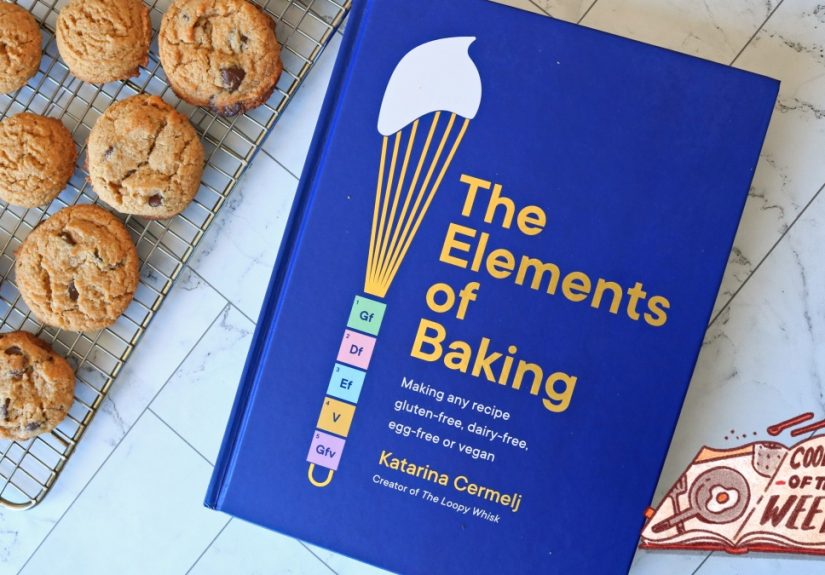
This week’s pick is The Elements of Baking: Making any recipe gluten-free, dairy-free, egg-free or vegan
by Katarina Cermelj (the creator behind The Loopy Whisk). The promise is bold: not just “here are some
recipes that happen to be free-from,” but a repeatable methodcomplete with practical,
measurable rulesso you can adapt your favorite recipes with confidence. And if you’re the kind of
baker who enjoys understanding why a cake rose, why a cookie spread, or why your loaf feels like a
sponge that’s seen too much… you’re going to have fun here.
Quick Take
- Best for: Anyone baking for allergies, intolerances, or a vegan householdespecially if you want “real baking” results.
- Vibe: Friendly science + big comfort-food energy (think: “I can explain starches, but I also want cinnamon rolls”).
- What makes it special: It treats ingredient swaps like engineering, not guesswork.
- What you’ll actually use: Conversion guidance, troubleshooting logic, and a deep bench of recipes to practice on.
- One thing to know: If you dislike weighing ingredients or reading technique notes, this book will gently nudge you toward being more… precise.
What Is “The Elements of Baking”?
The Elements of Baking is a baking reference and recipe collection designed to help home bakers
confidently make recipes that are gluten-free, dairy-free, egg-free,
vegan, or even gluten-free veganwithout sacrificing the textures that make
baked goods worth turning on the oven for in the first place.
The author, Katarina Cermelj, has a PhD in inorganic chemistry and a strong track record in the gluten-free
baking world. The book is positioned as a “baking science meets real-life baking” guide, pairing
technique and ingredient logic with an extensive recipe lineup. U.S. listings describe it as a substantial
hardcover (around 496 pages) and often highlight that it includes over 140 recipes,
plus the quantitative guidance to adapt other recipes you already love.
Why This Book Feels Different (In the Best Way)
1) It treats recipes like systems, not sacred scrolls
Many “free-from” resources focus on substitutions as if baking were a simple game of ingredient musical chairs:
swap A for B and hope nobody notices. But baking is more like a group project where every ingredient has a job,
an attitude, and a tendency to quit without notice if you change the schedule.
The Elements of Baking leans into a systems approach: what does an ingredient contributestructure,
moisture, tenderness, emulsification, lift, browning, chew, spreadand what happens when it’s removed?
That mindset mirrors how reputable baking educators explain core ingredient functions: for example,
baking soda needs acid to produce gas, while baking powder includes its own acid and activates with moisture and heat.
When you understand those roles, you’re no longer “guessing”; you’re making informed choices.
2) It’s allergy-friendly without being “sad cookie” friendly
There’s a quiet fear that “free-from” baking is a one-way ticket to dry muffins and the emotional experience of eating
beige. This book argues (and the recipe lineup suggests) that dietary restrictions don’t have to mean compromise on joy.
It’s built for people avoiding common allergens like wheat, milk, and eggswhich also happen to be major food allergens
in U.S. labeling rulesso the approach has real-world relevance for families who read ingredient lists like mystery novels.
3) It gives you “how to think,” not just “what to do”
The most valuable cookbooks don’t just feed you once; they change what you can do forever. The standout promise here is
the inclusion of quantitative rules you can use to convert recipes. That’s the difference between
“Here’s a gluten-free brownie” and “Here’s how brownies work, and here’s how to make your brownie recipe work.”
One is a meal. The other is a skill.
Inside the Book: What You’ll Actually Use
The science chapters: ingredients have jobs
The book’s core ideaingredients as functional building blockspairs well with how established baking authorities explain
substitutions. Eggs, for instance, do multiple things at once: they bind, emulsify, add moisture, contribute structure,
and sometimes provide lift depending on the recipe. That’s why egg-free baking can’t be one-size-fits-all:
aquafaba might shine where you need foam, while a starch-and-fiber blend might help when you need binding and structure,
and fruit purée might help with moisture in denser bakes.
Likewise, fats aren’t just “richness.” They affect tenderness, mouthfeel, and how air is incorporated during mixing.
Even vegan butter choices can influence flavor and performanceespecially in pastries and frostingsbecause fat composition
affects softness, browning, and stability. A book that teaches you to anticipate those changes isn’t just giving recipes;
it’s giving you a decision-making framework.
The conversion guidance: learn to rebuild, not just replace
A useful way to imagine recipe conversion is this: you’re not swapping a single brick; you’re renovating a house.
Remove gluten (a structural system), and you may need a new scaffolding strategy: different flour blends, binders,
hydration adjustments, and sometimes a rest period so starches and fibers can fully hydrate.
Remove dairy, and you may be changing fat type, water content, and even browning behavior depending on the substitute.
Remove eggs, and you’re altering binding, emulsification, and structure. Do all three at onceand you’re basically
writing a new recipe unless you have a clear blueprint. The promise of this book is that it gives you that blueprint.
The recipe lineup: practice with a safety net
The book doesn’t just teach; it gives you a lot to bake. U.S. retailer descriptions highlight recipes ranging from
breads and pastries to cakes and bars, including examples like pull-apart bread, galettes, cupcakes, cheesecake bars,
cinnamon rolls, and showstopper-style cakes. That range matters because substitutions behave differently across categories:
what works in a quick bread might fail dramatically in a sponge cake.
Having a big, well-tested set of recipes also helps you build intuition. You learn faster when you can compare outcomes:
a cookie that spreads more vs. one that holds its shape; a cake that stays plush vs. one that dries out by day two; a
pastry that flakes vs. one that cracks. Baking is delicious feedbackassuming you can decode it.
How the Baking Science Shows Up in Real Life
Example: Turning a classic chocolate chip cookie into gluten-free, egg-free cookies
Let’s say you have a beloved chocolate chip cookie recipe. You want it gluten-free and egg-free (maybe also dairy-free),
but you still want that ideal cookie personality: crisp edges, chewy center, and enough structure to hold chocolate without
collapsing into a puddle.
-
Start with what the original cookie is trying to be.
Is it a thick bakery cookie or a thin, lacy one? Cookies rely on a balance of flour structure, sugar behavior, fat melting,
and moisture. Understanding the goal helps you pick substitutions that match the desired texture. -
Rebuild structure intentionally.
Removing wheat flour removes gluten, which contributes elasticity and cohesion. Gluten-free cookies can work beautifully,
but they often need a thoughtful flour blend and sometimes a binder or fiber to help hold shape and manage moisture. -
Choose an egg strategy based on function.
In many cookies, eggs contribute binding and moisture more than foaming lift. Options include commercial egg replacers,
seed “eggs,” or other binders. But if your cookie depends on eggs for structure, you may need a more robust replacement approach
than “one banana and good vibes.” -
Mind the fat.
If going dairy-free, pick a fat that behaves similarly to butter in baking. Some vegan butters perform well in pastries and cookies,
but flavor and browning can differ depending on the brand and fat blend. For cookies, fat choice influences spread, chew, and aroma. -
Test small and iterate.
Bake a half batch, take notes, adjust. If the cookie spreads too much, you might need more structure or a different chilling approach.
If it’s dry, you may need to revisit hydration or flour choice. This is where a rule-based cookbook shines: it helps you make changes that
are purposeful, not random.
The point isn’t that there’s only one correct conversion. The point is that conversions can be logical.
A guide that teaches you the “why” makes your next batch betterand your next recipe conversion less intimidating.
Example: Your cake is pale, flat, or densewhat now?
Classic baking confusion often boils down to leavening and structure. If you’re using baking soda, you typically need an acidic ingredient
(like yogurt, buttermilk, vinegar, or citrus) to activate it and generate carbon dioxide. Baking powder contains both the base and an acid,
so it can rise with moisture and heat even without extra acid. Understanding that difference helps you troubleshoot flat cakes, dense muffins,
and “why is this loaf so heavy” momentsespecially when you’re also changing eggs and dairy at the same time.
Who This Cookbook Is Perfect For
- Allergy-aware households: If you’re baking around wheat, milk, egg, or multiple allergens, this book’s method-first approach is especially valuable.
- Vegan bakers who want classic textures: If you want “buttery,” “fluffy,” and “tender” results without animal products, you’ll appreciate the focus on function.
- Science-curious home bakers: If you love knowing why things work (or why they didn’t), you’ll enjoy the nerdy-but-friendly tone.
- Intermediate bakers ready to level up: Beginners can absolutely bake from it, but the real magic is how it builds your skills over time.
- People who are tired of wasting ingredients: Failed experiments add up. A structured approach can save money, time, and emotional energy.
What I Loved (and a Couple Things to Know)
What works really well
- Method-driven confidence: “Quantitative rules” and a science lens reduce the guesswork.
- Wide recipe range: It’s not just one category; it’s a full baking lifefrom everyday treats to celebration bakes.
- Respect for flavor: Allergy-friendly doesn’t mean flavor-light. The goal is food that tastes like food you’d proudly serve anyone.
- Practical substitution reality: Different egg replacements behave differently, and the book’s philosophy aligns with that reality.
Things to keep in mind
-
You’ll do best with a kitchen scale.
Converting recipes and controlling texture is easier when you can measure preciselyespecially in gluten-free baking where hydration and flour blends matter. -
Some ingredients may be new to you.
Depending on your pantry, you might pick up specialty gluten-free flours, binders, or egg replacement staples. The upside: once you have them, your options expand dramatically. -
Not every bake is equally “convertible.”
Some traditional recipes rely heavily on eggs (think certain sponge-style cakes or custard-like structures). Even substitution guides often recommend choosing a purpose-built recipe in those cases instead of forcing a conversion.
My Best Tips for Getting the Most Out of It
-
Read the technique sections like they’re the trailer for the movie.
They set you up to understand what the recipe is aiming forand how to spot problems early. -
Keep a “baking notes” habit.
Write down flour brands, egg replacers used, and how long you rested dough. Your future self will thank you. -
Choose the right egg substitute for the job.
Aquafaba can be excellent when you need foam; commercial replacers can be reliable across many bakes; fruit purées add moisture but don’t create lift the way eggs can. -
If you’re dairy-free, pay attention to fat choice.
Vegan butters vary; some bake closer to dairy butter than others, and flavor differences can show up more in simple recipes like shortbread or pie crust. -
For serious allergies, treat cross-contact as a real factor.
Ingredient substitutions are only part of the puzzle. Storage, shared tools, and manufacturing statements can matter for highly sensitive individuals.
Cookbook of the Week Verdict
The Elements of Baking earns “Cookbook of the Week” status because it aims higher than a typical recipe collection.
It’s designed to be a go-to reference: the kind of book you reach for when you want cinnamon rolls this weekend,
and also when you want to convert your grandmother’s cake recipe for someone who can’t eat wheat, eggs, or dairy.
It also arrives with serious credibility in the cookbook world. U.S. listings note award recognition, and it has been named among
nominees for the James Beard Foundation Book Awards in Baking and Dessertsexactly the space where technique, clarity, and repeatable
success matter most. If your baking life includes dietary restrictions, this is the rare book that tries to give you both:
excellent recipes and a repeatable way to adapt recipes.
A Week in the Kitchen With “The Elements of Baking” (Experience Section)
Here’s what a realistic week with this book can feel likeespecially if you approach it like a mini baking course (the fun kind,
not the “pop quiz on Tuesday” kind).
Day 1: You flip through the opening sections and suddenly realize you’ve been blaming yourself for problems that were
actually ingredient math. That cookie that always spreads too thin? It wasn’t “bad luck.” It was fat-to-flour balance, sugar behavior,
and maybe a leavening choice that was quietly doing the wrong job. You start reading the ingredient logic and think,
“Wait… so I’m not a chaotic baker. I’m just under-informed.” Emotional growth, but make it dessert.
Day 2: You pick a recipe that feels comforting and low-stressmaybe bars, brownies, or a simple loaf.
You notice the book’s tone encourages you to bake like a scientist, but not like a robot. You’re not doing lab work; you’re learning
to observe. The batter looks slightly thicker than what you remember? Instead of panicking, you remember:
gluten-free flours and binders often hydrate differently. You give it a few minutes to rest. The batter relaxes.
You feel like a wizard who learned one new spell.
Day 3: You attempt something with structurelike rolls, enriched dough, or a more ambitious cake.
This is where the “elements” concept clicks. Structure ingredients, tenderizers, moisture managers, and leaveners all need to cooperate.
If you’re going egg-free, you start thinking in “functions,” not “swaps.” Do you need binding? Lift? Emulsification?
You choose an approach intentionally, and that alone reduces the anxiety level by about 70%.
Day 4: You run into your first hiccupbecause you’re a baker, not a superhero.
Maybe the crumb is a bit tight or the crust browns faster than expected. But instead of tossing the whole thing into the trash
and Googling “why does my gluten-free cake hate me,” you troubleshoot:
Was the oven running hot? Did the pan size change the bake time? Did a dairy-free fat behave differently?
You adjust one variable next time. You keep the notes. You feel wildly competent.
Day 5: Something magical happens: you stop being intimidated by other people’s recipes.
You look at a standard recipe online and can immediately spot its “architecture.” You can tell what the eggs are doing,
how the dairy contributes, and where gluten matters most. You don’t convert it yetyou just understand it. That’s huge.
Day 6: You try a “showstopper” style bake for funmaybe a frosted cake, a celebration dessert, or something with layers.
You learn quickly that dairy-free and egg-free choices can affect frosting stability, crumb tenderness, and browning.
But you also learn that you can build around those differences. You pick the right fat. You chill when needed. You don’t fight the physics;
you use it. The final result tastes like something you’d bring to a party without adding an apology note.
Day 7: You revisit an old favorite recipe you’ve missedsomething from your pre-restriction life, or something you’ve been
afraid to attempt for someone you love. You don’t treat it like a fragile relic anymore. You treat it like a blueprint.
You adapt it thoughtfully. And even if it’s not perfect on the first try, you can tell exactly what to tweak next time.
That’s the real gift: not just one good bake, but a new kind of baking confidence.
Conclusion
If you want a cookbook that hands you great recipes, The Elements of Baking can do that. But if you want something rarera guide
that helps you understand baking well enough to adapt recipes for gluten-free, dairy-free, egg-free, vegan, or gluten-free vegan needsthis
is a standout choice. It’s practical, science-aware, and built for the way people actually bake: with real pantries, real constraints,
and a real desire for desserts that taste like joy instead of compromise.
One note for allergy-aware bakers: ingredient swaps are powerful, but for severe allergies, always consider cross-contact and product labeling.
When in doubt, follow medical guidance and use ingredients you trust for your household’s needs.