Table of Contents >> Show >> Hide
- What Is Methane, and Why Should Anyone Care?
- Why Oktoberfest Became a Methane Headline
- What the Study Found
- So Was It All Beer Burps and Human Flatulence?
- The Infrastructure Behind the Beer
- Why Methane at a Festival Matters Beyond One Party
- What Could Festivals Do to Cut Methane?
- Methane, Culture, and the Future of Big Celebrations
- The Experience of “Methane at Oktoberfest”: A 500-Word Human Angle
- Conclusion
Oktoberfest is famous for giant beer tents, brass bands, roast chicken, and the kind of cheerful chaos that makes your smartwatch quietly ask whether you are still alive. But in recent years, the world’s most famous beer festival picked up another claim to fame: scientists found that Oktoberfest is also a measurable source of methane, one of the planet’s most powerful greenhouse gases. Suddenly, the party had an invisible plus-one.
That does not mean the festival is a climate supervillain wearing lederhosen. It does mean that large public events can create environmental impacts that are easy to miss if we only focus on traffic, trash, or electricity. Methane at Oktoberfest is a strangely perfect story for modern life: part science, part culture, part energy policy, and part “wow, even the bratwurst has a carbon subplot.”
This article breaks down what scientists found, why methane matters so much, what likely causes the emissions, and how festivals like Oktoberfest could get cleaner without turning into a joyless salad convention.
What Is Methane, and Why Should Anyone Care?
Methane is the main ingredient in natural gas, and it is also a potent greenhouse gas. It does not stay in the atmosphere as long as carbon dioxide, but while it is up there, it traps heat very effectively. That makes methane a big deal for climate policy, especially in the near term. If carbon dioxide is the long-haul problem, methane is the sprinter with a flamethrower.
Scientists and climate agencies care about methane because cutting it can produce relatively quick climate benefits. That is one reason methane leaks from energy systems, landfills, and industrial equipment have become a major focus. The gas is often invisible, frequently undercounted, and annoyingly good at escaping from the exact places humans assumed were under control.
In other words, methane is not just a farm-and-cow story. It is also an urban infrastructure story, a cooking and heating story, a waste story, and, apparently, a beer festival story.
Why Oktoberfest Became a Methane Headline
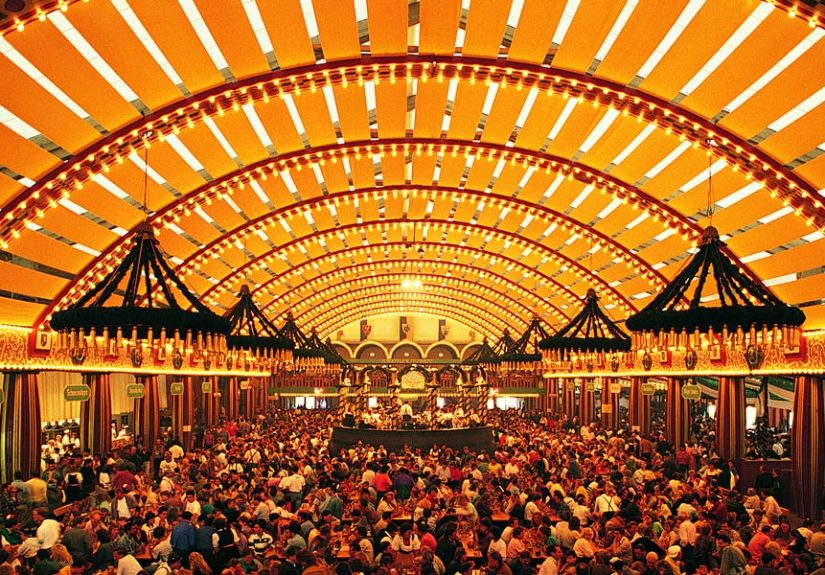
Oktoberfest is not a tiny local fair with a pie contest and one questionable ferris wheel. It is the world’s largest folk festival, drawing more than six million visitors in a typical year. The scale matters. This is an event where consumption is not a side note; it is practically part of the architecture. Beer flows by the millions of liters. Kitchens stay busy. Tents are heated, lit, cleaned, and restocked. Water use is enormous. Energy use is enormous. The logistics are part carnival, part city, part very enthusiastic food court.
That scale inspired researchers to ask a smart question: if cities leak methane from gas systems and appliances, what happens when you temporarily build a hyper-dense city devoted to cooking, heating, cleaning, and feeding huge crowds? The answer, as it turned out, was not “nothing.”
What the Study Found
Researchers investigating Munich’s 2018 Oktoberfest measured methane around the perimeter of the festival grounds and combined those observations with a Gaussian plume model to estimate the event’s emissions. Their findings were surprisingly substantial. The average methane flux came out to 6.7 micrograms per square meter per second, with higher weekend emissions than weekday emissions. That makes intuitive sense: more visitors usually means more activity, more cooking, more heating, more cleaning, and more strain on every system behind the scenes.
When the researchers scaled those measurements across the festival’s operating period, they estimated that about 1,500 kilograms of methane entered the atmosphere during the event. For a temporary celebration, that is a meaningful amount. The comparison that got the most attention was the one with Boston. The study found that the methane flux over the Oktoberfest grounds was more than ten times the average regional methane flux reported for Boston, a city already known in methane research for leaking gas.
That headline made people laugh, then blink, then laugh again. A beer festival beating a major U.S. city on methane intensity sounds like satire. But the scientific point is serious: temporary, crowded events can produce concentrated emissions that standard inventories often miss.
So Was It All Beer Burps and Human Flatulence?
Here is the part everyone wants to joke about first. Yes, humans produce methane. Yes, a packed beer festival probably does not smell like a mountain breeze and moral virtue. But the study did not conclude that people themselves were the main source.
The researchers specifically looked at whether human biogenic emissions, including breath and flatulence, could explain the methane signal. Their conclusion was no. Those human emissions appeared too small to account for the full amount measured. The paper suggests the dominant sources were more likely fossil-fuel-related, especially incomplete combustion or leakage from gas-powered appliances.
That means the real suspects were less “beer belly biology” and more “industrial bratwurst support system.” In practical terms, think cooking equipment, heating devices, gas lines, and the many temporary systems needed to run giant festival tents at full speed. It is less a story about guests being gassy and more a story about infrastructure doing a lot of work, not all of it perfectly sealed.
The Infrastructure Behind the Beer
One reason the study is so fascinating is that it reveals how much hidden machinery sits behind a seemingly carefree cultural event. Oktoberfest in 2018 consumed about 8 million liters of beer, more than 100 million liters of water, 2.9 million kilowatt-hours of electricity, and over 200,000 cubic meters of natural gas. Most of that gas was used for cooking, with the rest used for heating.
Those numbers matter because methane emissions are often tied to systems that burn, move, or store natural gas. Even efficient systems can leak. Valves age. Connections loosen. Ignition is imperfect. Combustion is not always complete. When an event is temporary, densely packed, and operating under heavy demand, the opportunity for small leaks to add up gets much bigger.
This is where the Oktoberfest story connects to broader U.S. research. Studies from Stanford and reporting in Scientific American have highlighted that gas stoves and similar appliances can leak methane even when they are off. That is the sneaky part. The emissions do not wait for a dramatic explosion or obvious malfunction. Sometimes they just drift out quietly while everyone is focused on lunch.
Now scale that concept up from a home kitchen to a sprawling festival full of industrial cooking and heating equipment, and the researchers’ conclusion starts to look less strange and more inevitable.
Why Methane at a Festival Matters Beyond One Party
It is tempting to treat this story as a quirky science headline and move on. Beer festival emits greenhouse gas. Internet chuckles. End scene. But that would miss the bigger lesson.
The Oktoberfest study suggests that emissions inventories may overlook temporary but significant sources. Most accounting systems are built around permanent infrastructure: homes, roads, pipelines, factories, landfills, farms. But modern life also includes mega-events, seasonal installations, pop-up districts, sports championships, holiday markets, and large temporary venues that can consume fuel at city-like intensity for short bursts.
If those events rely heavily on natural gas, methane deserves a seat at the planning table. Not because festivals are uniquely evil, but because they are concentrated. A short event with a lot of combustion can create emissions strong enough to be scientifically visible, even when surrounded by a major city.
That matters for urban planners, climate officials, event organizers, caterers, tent operators, and anyone who likes both public celebration and a livable planet. Ideally, we keep the festival and lose the avoidable leaks. Civilization should be able to manage both pretzels and progress.
What Could Festivals Do to Cut Methane?
1. Replace old gas equipment with tighter, cleaner systems
If gas-powered cooking and heating appliances are major contributors, the first move is obvious: inspect, upgrade, and replace equipment more aggressively. Better burners, better fittings, and better maintenance can reduce leakage and incomplete combustion.
2. Improve leak detection before and during the event
Large festivals already inspect electrical systems, food safety processes, and crowd control measures. Methane monitoring could become another standard check. Portable sensors can identify hotspots before they become normalized background pollution.
3. Electrify where practical
Not every festival operation can flip overnight from gas to electric, but some can. Electric cooking, water heating, and space conditioning are increasingly viable, especially when organizers plan well in advance. The less natural gas moving through temporary systems, the fewer chances methane has to wander off uninvited.
4. Treat festival emissions as part of sustainability planning
Many major events already market recycling programs, public transit access, and reusable cups. Those are good steps, but methane deserves equal attention. Sustainability plans that ignore fuel leakage are basically cleaning the windows while the basement pipe is hissing.
5. Measure first, brag later
One of the best takeaways from the Oktoberfest research is methodological. The researchers showed that large events can be measured. That means organizers do not need to guess. They can test, compare, improve, and then talk publicly about real reductions instead of vague eco-friendly vibes.
Methane, Culture, and the Future of Big Celebrations
There is a lazy way to respond to climate findings about beloved traditions: act as if science wants to cancel joy. That is not what this story says. No serious reading of the Oktoberfest research leads to “ban festivals.” The smarter takeaway is that tradition and modernization can coexist.
Oktoberfest began in 1810 as a royal wedding celebration and grew into a massive annual event. Like every old tradition that survives, it has already changed many times. Food systems change. Building systems change. Public safety standards change. Energy systems can change too.
In fact, festivals are perfect places to show what modern sustainability looks like in public. When millions of people attend an event, even modest improvements become visible, teachable, and repeatable. Cleaner kitchens, tighter gas controls, electrified equipment, better monitoring, and transparent reporting could turn a methane headline into a model for other events worldwide.
That would be a much better legacy than becoming famous as the place where the sausage tents accidentally outperformed a leaky city.
The Experience of “Methane at Oktoberfest”: A 500-Word Human Angle
To understand methane at Oktoberfest on a more personal level, imagine arriving as a visitor who knows the festival by reputation: music everywhere, long wooden tables, giant pretzels, mugs the size of ambition, and enough cheerful shouting to power a small weather system. At first, nothing about the scene says “atmospheric chemistry.” It says celebration. It says tradition. It says someone nearby has definitely ordered a second sausage before finishing the first.
That is exactly why the methane story lands so well. It sneaks into a familiar experience and changes the way you see it. The warm air rolling out of a tent is no longer just cozy. It might also hint at how much energy the event uses. The nonstop cooking is no longer just part of the charm. It becomes evidence of a huge temporary fuel system working at full blast. The cleanup crews, the hot food, the heated spaces, the endless service cycles, all of it starts to look like a pop-up city doing serious industrial work under a festive costume.
There is something almost cinematic about that realization. You are surrounded by folk costumes and brass music, but the invisible plot is modern infrastructure. The emissions are not dramatic enough to announce themselves. No villain twirls a mustache near a gas line. Instead, methane becomes the quiet reminder that even our happiest gatherings rest on machines, pipes, appliances, and fuel choices.
That perspective can also make the festival more interesting, not less. You start noticing the hidden systems that make mass celebration possible. How many kitchens are running at once? How much heat is needed when the weather turns chilly? How many deliveries, washes, cleanings, and resets happen in a single day? The event stops being just a tourist spectacle and becomes a case study in how modern life scales up. It is hospitality, engineering, logistics, and energy use all packed into one loud, joyful footprint.
And there is a strange optimism in that. Once you can see the system, you can improve the system. If methane at Oktoberfest came mostly from unavoidable human biology, the options would be limited and deeply awkward. But if the main sources are gas appliances and related infrastructure, then solutions become practical. Better maintenance. Better monitoring. Better equipment. More electrification. Same songs, fewer leaks.
That is the deeper experience of the topic. “Methane at Oktoberfest” is not really a punchline about people at a party. It is a lesson in looking beneath the surface of a cultural icon. It shows how climate awareness can sharpen our view of everyday life without draining the color out of it. You can still enjoy the parade, the food, and the impossible amount of beer. You just leave with a new understanding: celebrations are physical systems, and physical systems can be redesigned.
Maybe that is the most useful feeling the story creates. Not guilt. Not panic. Just sharper vision. You walk into Oktoberfest seeing tradition, and you walk out seeing tradition plus infrastructure plus climate opportunity. That is a pretty good upgrade for one festival, even if the pretzel still wins most of the attention.
Conclusion
Methane at Oktoberfest sounds like the setup to a very niche stand-up routine, but the science behind it is real and important. Researchers found that the festival emitted measurable methane at levels high enough to stand out against urban background emissions. Their analysis suggests the main sources were likely linked to fossil-fuel use in cooking and heating rather than mostly to human biology.
The bigger lesson is not that festivals are bad. It is that large temporary events can create concentrated greenhouse gas emissions that deserve measurement and management. In a world trying to cut methane quickly, that matters. The smartest future for iconic celebrations is not cancellation. It is better design. Keep the music. Keep the pretzels. Keep the beer. Just tighten the gas fittings.